Joel S. Wit - Böcker
Visar alla böcker från författaren Joel S. Wit. Handla med fri frakt och snabb leverans.
3 produkter
3 produkter
330 kr
Skickas inom 7-10 vardagar
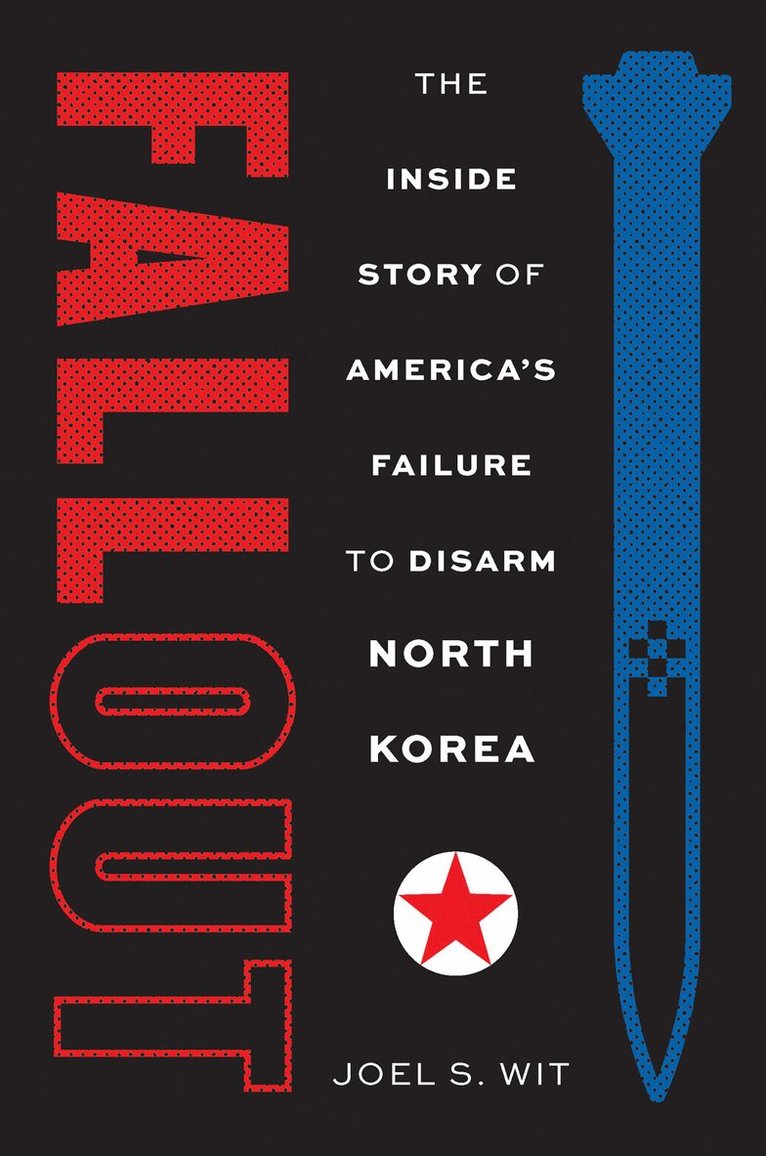
A behind-the-scenes look into why U.S. efforts to contain North Korea’s nuclear capabilities have not worked“A riveting, blow-by-blow account. . . . Wit’s personal negotiation experience and mastery of policy detail make this book invaluable.”—Elizabeth Economy, Foreign AffairsFor almost four decades, the United States has tried to stop North Korea’s attempts to build nuclear weapons and the missiles to deliver them. Joel S. Wit, a former State Department official, takes readers to the front lines of nuclear negotiations and to fierce policy debates and secret diplomatic gambits, recounting how perilously close the United States and North Korea have come, on various occasions, to nuclear confrontation. Based on more than three hundred interviews with officials in Washington, Beijing, and Seoul, as well as with the author’s contacts in Pyongyang, this book chronicles how six American presidents have approached the problem of North Korea.Wit points to Barack Obama and Donald Trump as the two presidents most responsible for the failure to halt North Korea’s march to build a nuclear arsenal, since it was under their successive tenures that Pyongyang acquired the ability to threaten every city in North America. Wit also offers an unparalleled portrait of Kim Jong Un that refutes his caricature as impulsive and illogical. Like his father and his grandfather, Kim is a ruthless despot but also a canny and informed negotiator determined to secure his dictatorship’s future by exploring diplomacy or, failing that, by building a nuclear arsenal.
301 kr
Skickas inom 10-15 vardagar
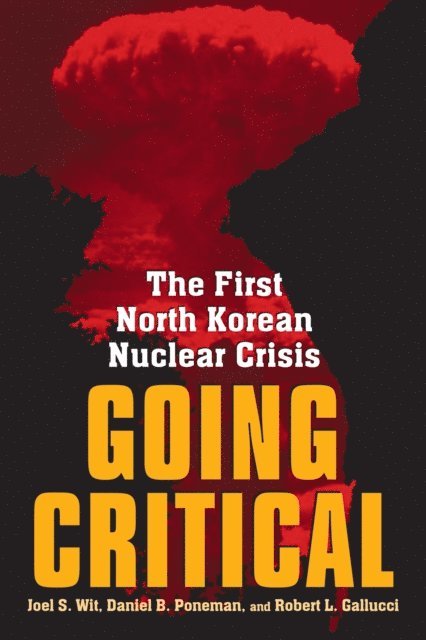
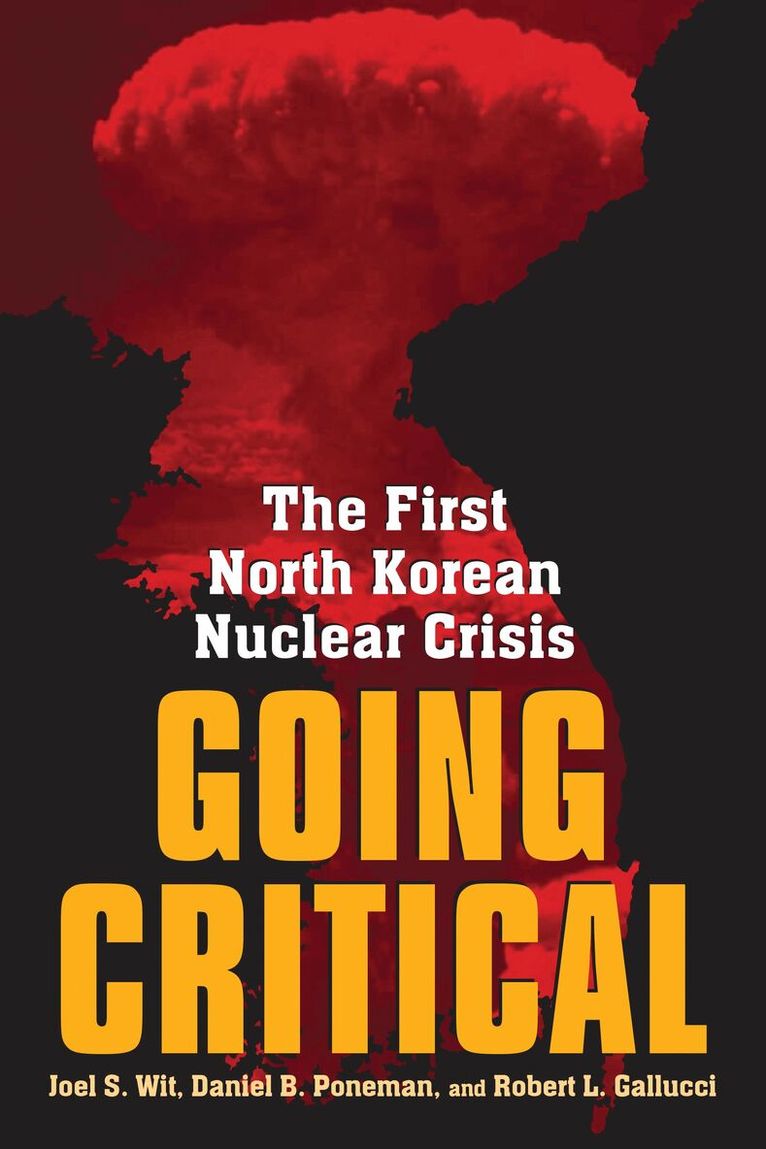
A decade before being proclaimed part of the ""axis of evil,"" North Korea raised alarms in Washington, Seoul, and Tokyo as the pace of its clandestine nuclear weapons program mounted. When confronted by evidence of its deception in 1993, Pyongyang abruptly announced its intention to become the first nation ever to withdraw from the Nuclear Non-Proliferation Treaty, defying its earlier commitments to submit its nuclear activities to full international inspections. U.S. intelligence had revealed evidence of a robust plutonium production program. Unconstrained, North Korea's nuclear factory would soon be capable of building about thirty Nagasaki-sized nuclear weapons annually. The resulting arsenal would directly threaten the security of the United States and its allies, while tempting cash-starved North Korea to export its deadly wares to America's most bitter adversaries. In Go ing Critical, three former U.S. officials who played key roles in the nuclear crisis trace the intense efforts that led North Korea to freezeand pledge ultimately to dismantleits dangerous plutonium production program under international inspection, while the storm clouds of a second Korean War gathered. Drawing on international government documents, memoranda, cables, and notes, the authors chronicle the complex web of diplomacy--from Seoul, Tokyo, and Beijing to Geneva, Moscow, and Vienna and back againthat led to the negotiation of the 1994 Agreed Framework intended to resolve this nuclear standoff. They also explore the challenge of weaving together the military, economic, and diplomatic instruments employed to persuade North Korea to accept significant constraints on its nuclear activities, while deterring rather than provoking a violent North Korean response. Some ten years after these intense negotiations, the Agreed Framework lies abandoned. North Korea claims to possess some nuclear weapons, while threatening to produce even more. The story of the 1994 confrontatio
150 kr
Skickas inom 5-8 vardagar