Johan Elverskog - Böcker
Visar alla böcker från författaren Johan Elverskog. Handla med fri frakt och snabb leverans.
5 produkter
5 produkter
1 107 kr
Skickas inom 7-10 vardagar
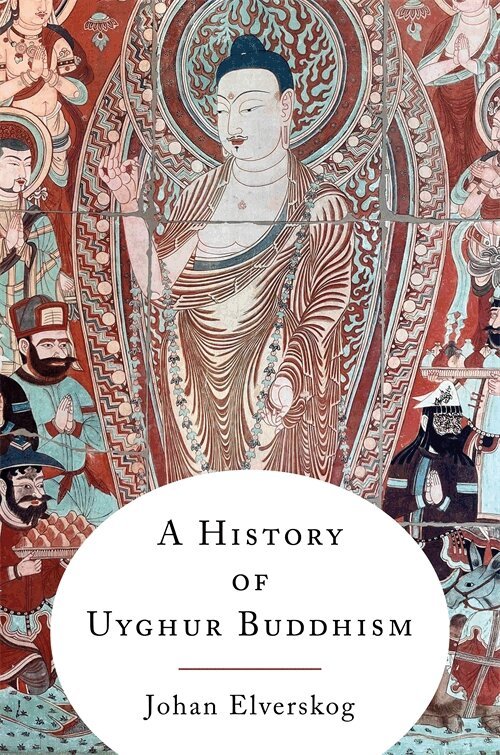
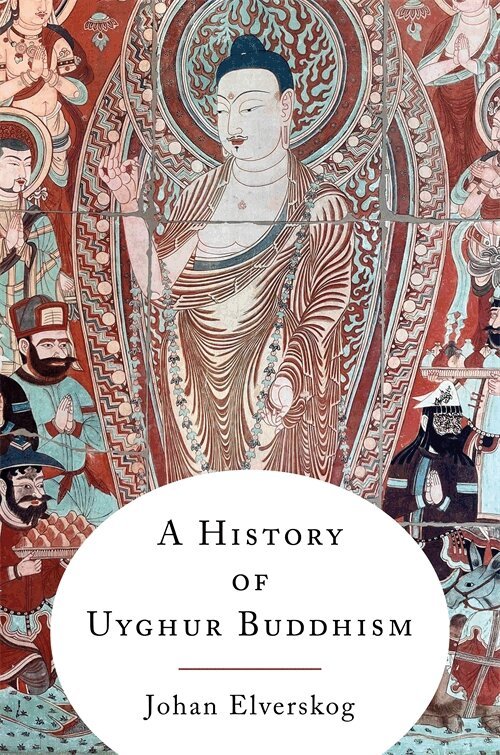
Winner, 2026 Joseph Levenson Prize (China, pre-1900), Association for Asian StudiesToday, most Uyghurs are Muslims. For centuries, however, Uyghurs were Buddhists. By around 1000 CE, they, like many of their neighbors, had decisively turned toward the Dharma, and a golden age of Uyghur Buddhism flourished under the Mongol empire. Dwelling along the Silk Road in what is now northwestern China, they stood at the center of Buddhist Eurasia, linking far-flung regions and traditions. But as Muslim power grew, Uyghur Buddhists converted to Islam, rewriting their past and erasing their Buddhist history.This book presents the first comprehensive history of Buddhism among the Uyghurs from the ninth to the seventeenth century. Johan Elverskog traces how the Uyghurs forged their distinctive tradition, considering a variety of social, political, cultural, and religious contexts. He argues that the religious history of the Uyghurs challenges conventional narratives of the meeting of Buddhism and Islam, showing that conversion took place gradually and was driven by factors such as geopolitics, climate change, and technological innovation. Elverskog also provides a nuanced understanding of lived Buddhism, focusing on ritual practices and materiality as well as the religion’s entanglements with economics, politics, and violence. A groundbreaking history of Uyghur Buddhism, this book makes a compelling case for the importance of the Uyghurs in shaping the course of both Buddhist and Asian history.
282 kr
Skickas inom 7-10 vardagar
Winner, 2026 Joseph Levenson Prize (China, pre-1900), Association for Asian StudiesToday, most Uyghurs are Muslims. For centuries, however, Uyghurs were Buddhists. By around 1000 CE, they, like many of their neighbors, had decisively turned toward the Dharma, and a golden age of Uyghur Buddhism flourished under the Mongol empire. Dwelling along the Silk Road in what is now northwestern China, they stood at the center of Buddhist Eurasia, linking far-flung regions and traditions. But as Muslim power grew, Uyghur Buddhists converted to Islam, rewriting their past and erasing their Buddhist history.This book presents the first comprehensive history of Buddhism among the Uyghurs from the ninth to the seventeenth century. Johan Elverskog traces how the Uyghurs forged their distinctive tradition, considering a variety of social, political, cultural, and religious contexts. He argues that the religious history of the Uyghurs challenges conventional narratives of the meeting of Buddhism and Islam, showing that conversion took place gradually and was driven by factors such as geopolitics, climate change, and technological innovation. Elverskog also provides a nuanced understanding of lived Buddhism, focusing on ritual practices and materiality as well as the religion’s entanglements with economics, politics, and violence. A groundbreaking history of Uyghur Buddhism, this book makes a compelling case for the importance of the Uyghurs in shaping the course of both Buddhist and Asian history.
419 kr
Skickas inom 10-15 vardagar
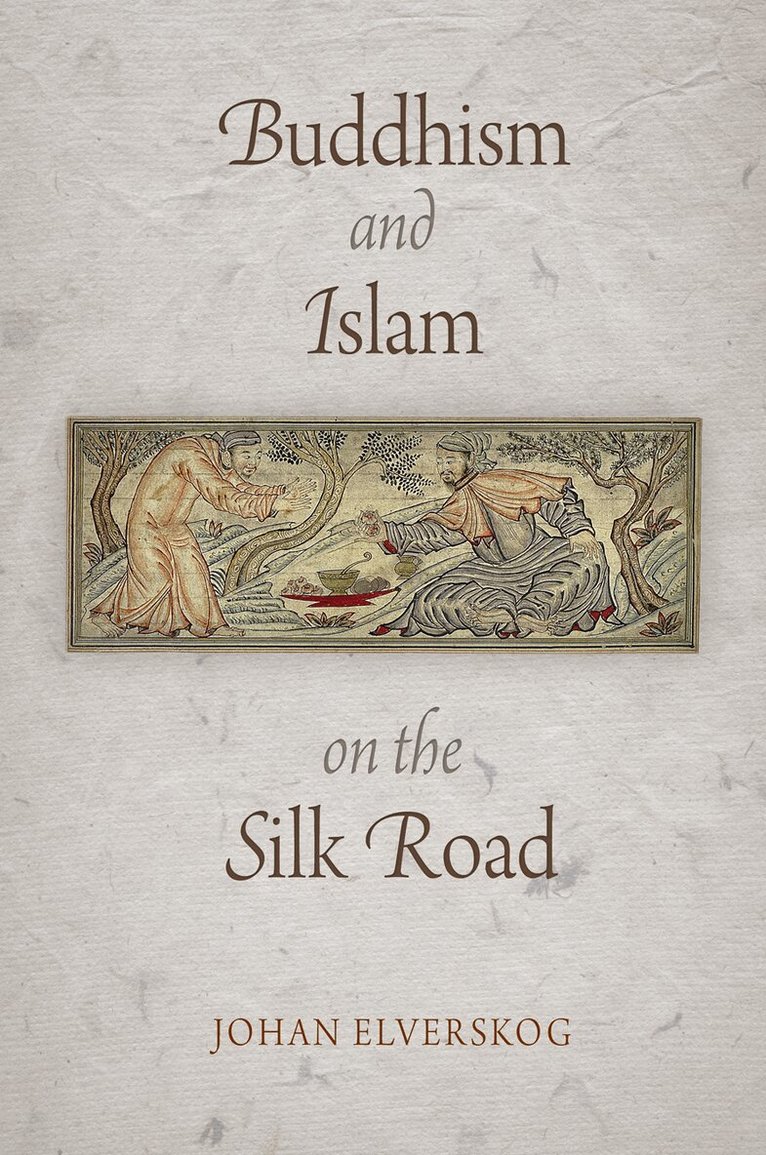
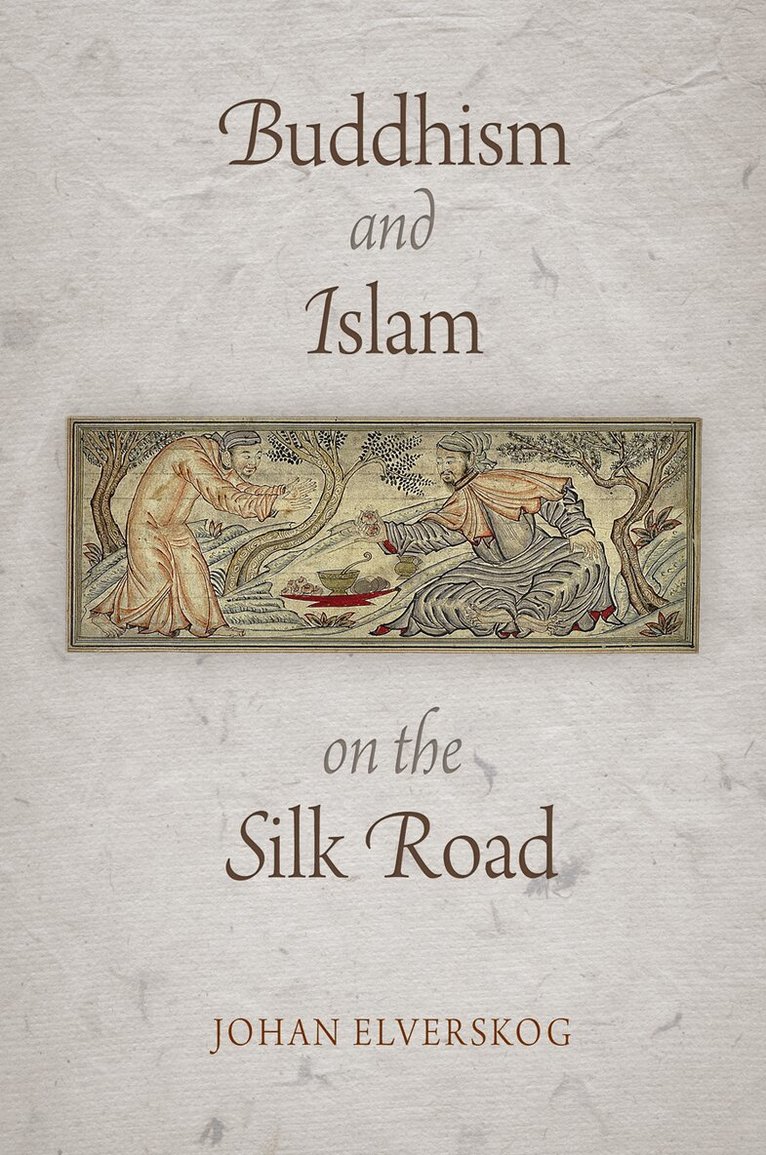
In the contemporary world the meeting of Buddhism and Islam is most often imagined as one of violent confrontation. Indeed, the Taliban's destruction of the Bamiyan Buddhas in 2001 seemed not only to reenact the infamous Muslim destruction of Nalanda monastery in the thirteenth century but also to reaffirm the stereotypes of Buddhism as a peaceful, rational philosophy and Islam as an inherently violent and irrational religion. But if Buddhist-Muslim history was simply repeated instances of Muslim militants attacking representations of the Buddha, how had the Bamiyan Buddha statues survived thirteen hundred years of Muslim rule?Buddhism and Islam on the Silk Road demonstrates that the history of Buddhist-Muslim interaction is much richer and more complex than many assume. This groundbreaking book covers Inner Asia from the eighth century through the Mongol empire and to the end of the Qing dynasty in the late nineteenth century. By exploring the meetings between Buddhists and Muslims along the Silk Road from Iran to China over more than a millennium, Johan Elverskog reveals that this long encounter was actually one of profound cross-cultural exchange in which two religious traditions were not only enriched but transformed in many ways.
664 kr
Skickas inom 10-15 vardagar
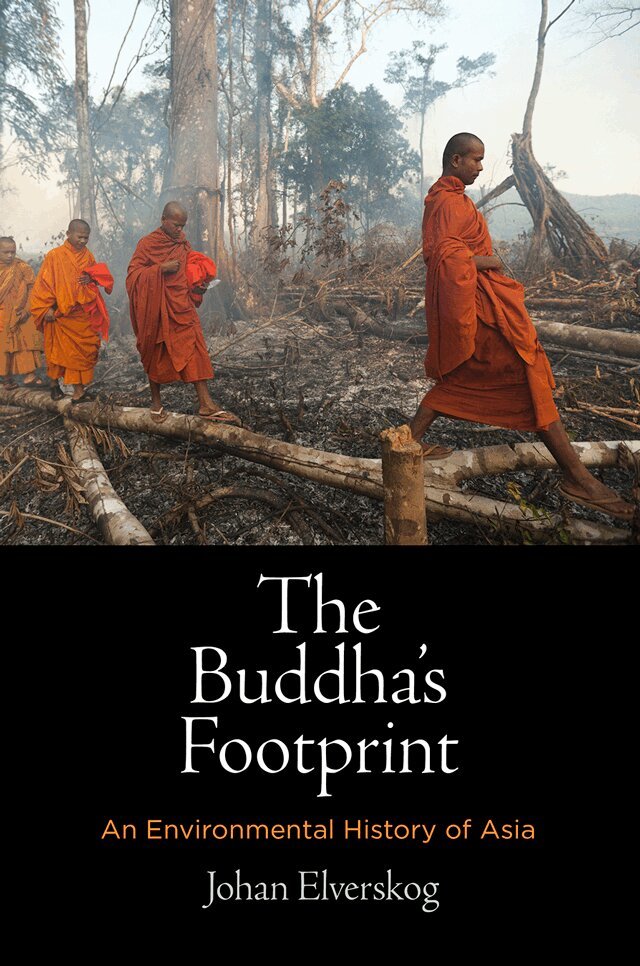
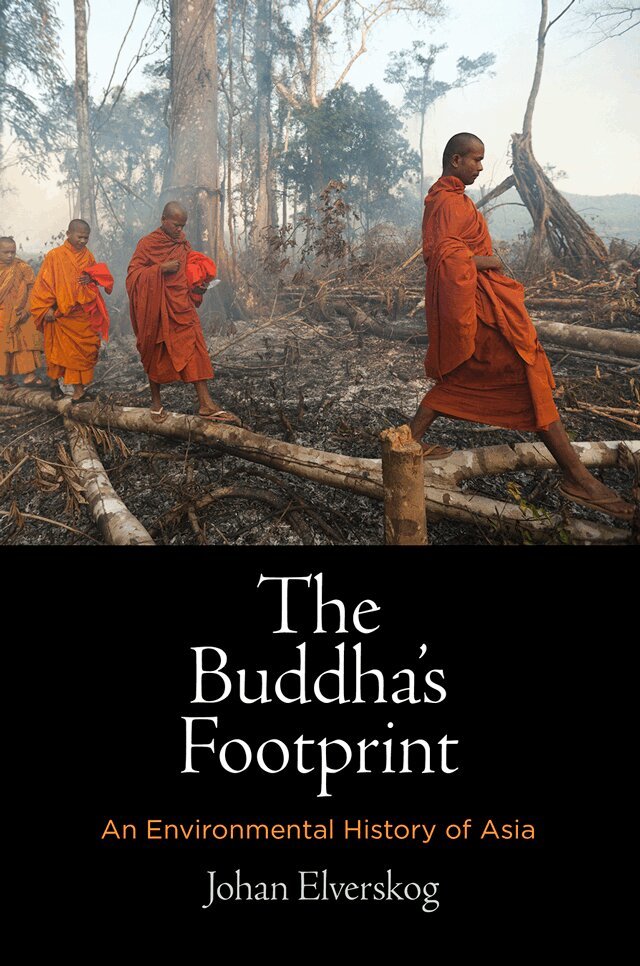
A corrective to the contemporary idea that Buddhism has always been an environmentally friendly religionIn the current popular imagination, Buddhism is often understood to be a religion intrinsically concerned with the environment. The Dharma, the name given to Buddhist teachings by Buddhists, states that all things are interconnected. Therefore, Buddhists are perceived as extending compassion beyond people and animals to include plants and the earth itself out of a concern for the total living environment. In The Buddha's Footprint, Johan Elverskog contends that only by jettisoning this contemporary image of Buddhism as a purely ascetic and apolitical tradition of contemplation can we see the true nature of the Dharma. According to Elverskog, Buddhism is, in fact, an expansive religious and political system premised on generating wealth through the exploitation of natural resources.Elverskog surveys the expansion of Buddhism across Asia in the period between 500 BCE and 1500 CE, when Buddhist institutions were built from Iran and Azerbaijan in the west, to Kazakhstan and Siberia in the north, Japan in the east, and Sri Lanka and Indonesia in the south. He examines the prosperity theology at the heart of the Dharma that declared riches to be a sign of good karma and the means by which spritiual status could be elevated through donations bequeathed to Buddhist institutions. He demonstrates how this scriptural tradition propelled Buddhists to seek wealth and power across Asia and to exploit both the people and the environment.Elverskog shows the ways in which Buddhist expansion not only entailed the displacement of local gods and myths with those of the Dharma-as was the case with Christianity and Islam-but also involved fundamentally transforming earlier social and political structures and networks of economic exchange. The Buddha's Footprint argues that the institutionalization of the Dharma was intimately connected to agricultural expansion, resource extraction, deforestation, urbanization, and the monumentalization of Buddhism itself.
1 341 kr
Skickas inom 5-8 vardagar