Johan Reinhard - Böcker
Visar alla böcker från författaren Johan Reinhard. Handla med fri frakt och snabb leverans.
3 produkter
3 produkter
Del 1 - World Heritage and Monuments
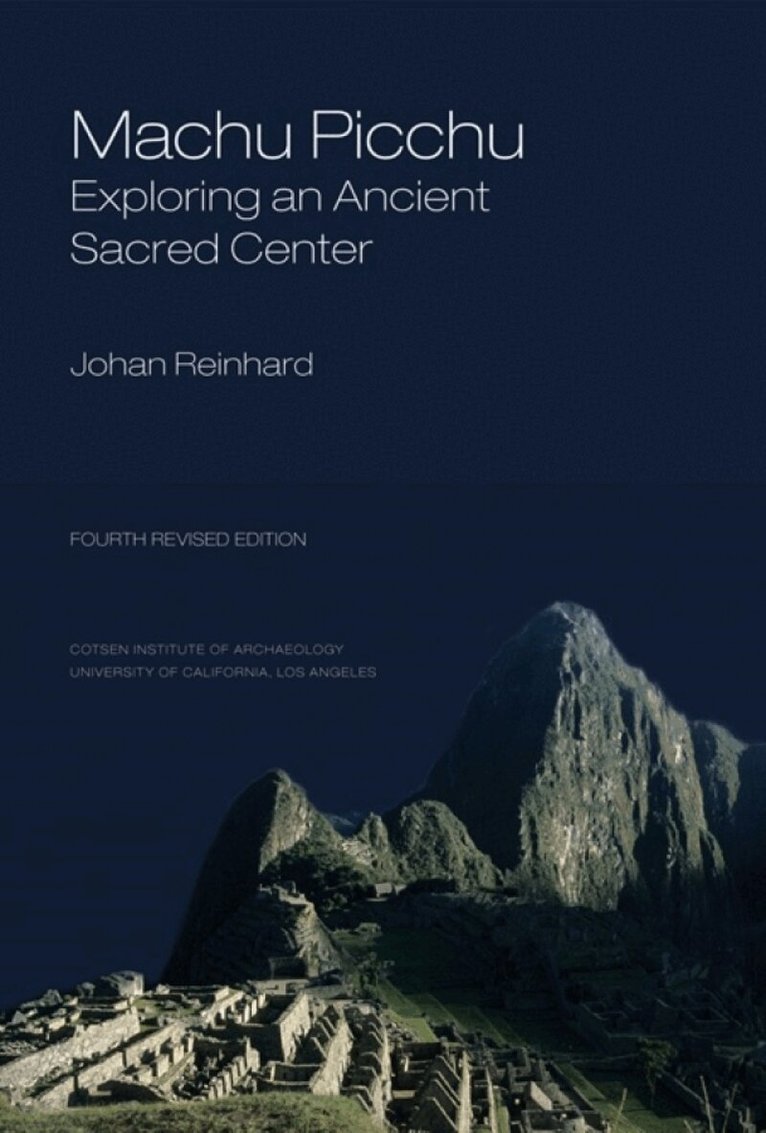
Machu Picchu
Exploring an Ancient Sacred Center
Häftad, Engelska, 2007
636 kr
Skickas inom 5-8 vardagar
Machu Picchu, recently voted one of the New Wonders of the World, is one of the world's most famous archaeological sites, yet it remains a mystery. Even the most basic questions are still unanswered: What was its meaning and why was it built in such a difficult location? Renowned explorer Johan Reinhard attempts to answer such elusive questions from the perspectives of sacred landscape and archaeoastronomy. Using information gathered from historical, archaeological, and ethnographical sources, Reinhard demonstrates how the site is situated in the center of sacred mountains and associated with a sacred river, which is in turn symbolically linked with the sun's passage. Taken together, these features meant that Machu Picchu formed a cosmological, hydrological, and sacred geological center for a vast region.
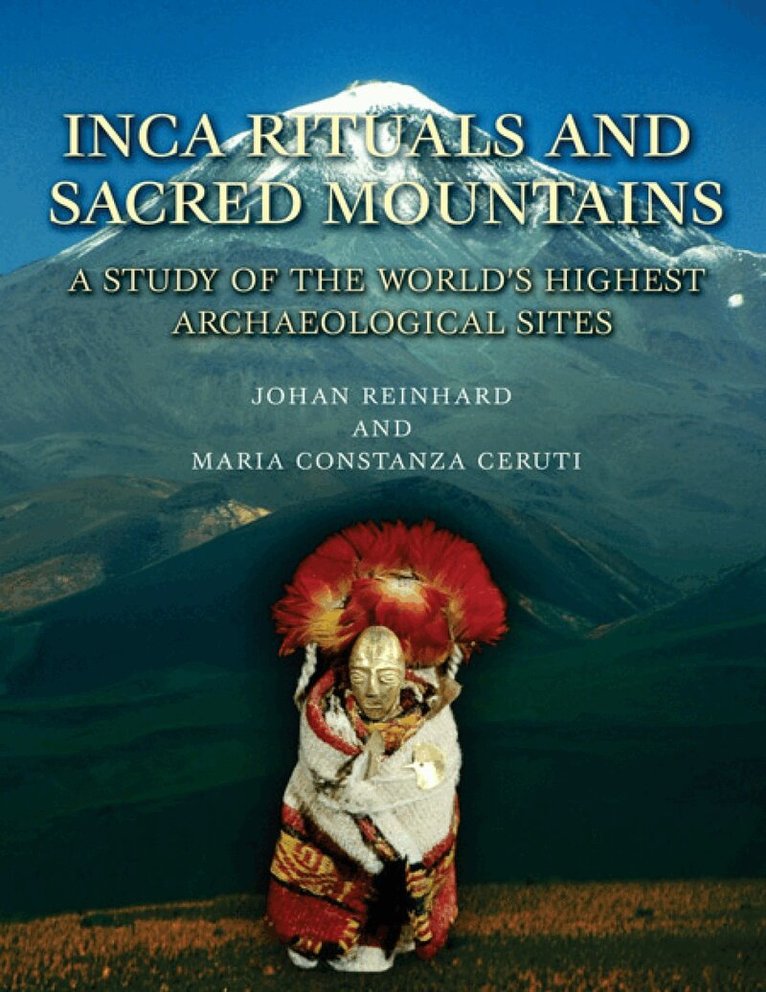
Inca Rituals and Sacred Mountains
A Study of the World's Highest Archaeological Sites
Inbunden, Engelska, 2010
769 kr
Tillfälligt slut
The Incas carried out some of the most dramatic ceremonies known to us from ancient times. Groups of people walked hundreds of miles across arid and mountainous terrain to perform them on mountains over 6,096 m (20,000 feet) high. The most important offerings made during these pilgrimages involved human sacrifices (capacochas). Although Spanish chroniclers wrote about these offerings and the state sponsored processions of which they were a part, their accounts were based on second-hand sources, and the only direct evidence we have of the capacocha sacrifices comes to us from archaeological excavations. Some of the most thoroughly documented of these were undertaken on high mountain summits, where the material evidence has been exceptionally well preserved. In this study we describe the results of research undertaken on Mount Llullaillaco (6,739 m/22,109 feet), which has the world's highest archaeological site. The types of ruins and artifact assemblages recovered are described and analyzed. By comparing the archaeological evidence with the chroniclers' accounts and with findings from other mountaintop sites, common patterns are demonstrated; while at the same time previously little known elements contribute to our understanding of key aspects of Inca religion. This study illustrates the importance of archaeological sites being placed within the broader context of physical and sacred features of the natural landscape.
Del 67 - Monographs
Inca Rituals and Sacred Mountains
A Study of the World's Highest Archaeological Sites
Häftad, Engelska, 2010
610 kr
Tillfälligt slut
The Incas carried out some of the most dramatic ceremonies known to us from ancient times. Groups of people walked hundreds of miles across arid and mountainous terrain to perform them on mountains over 6,096 m (20,000 feet) high. The most important offerings made during these pilgrimages involved human sacrifices (capacochas). Although Spanish chroniclers wrote about these offerings and the state sponsored processions of which they were a part, their accounts were based on second-hand sources, and the only direct evidence we have of the capacocha sacrifices comes to us from archaeological excavations. Some of the most thoroughly documented of these were undertaken on high mountain summits, where the material evidence has been exceptionally well preserved. In this study we describe the results of research undertaken on Mount Llullaillaco (6,739 m/22,109 feet), which has the world's highest archaeological site. The types of ruins and artifact assemblages recovered are described and analyzed. By comparing the archaeological evidence with the chroniclers' accounts and with findings from other mountaintop sites, common patterns are demonstrated; while at the same time previously little known elements contribute to our understanding of key aspects of Inca religion. This study illustrates the importance of archaeological sites being placed within the broader context of physical and sacred features of the natural landscape.