Johanna Isaacson – författare
Visar alla böcker från författaren Johanna Isaacson. Handla med fri frakt och snabb leverans.
6 produkter
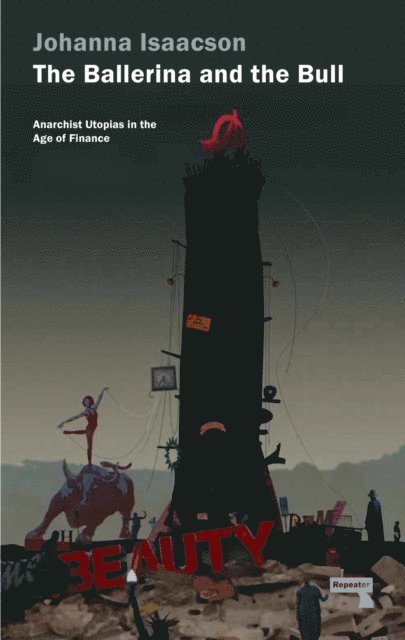
Ballerina and the Bull
Anarchist Utopias in the Age of Finance
E-bok, 2016
99 kr
Lägg i varukorg
Our moment has seen the resurgence of an anarchist sensibility, from the uprisings in Seattle in 1999 to the Occupy movement of 2011. Against the vacuity and drift of financialized capitalism, proclaiming there is no alternative, these insurgent movements have insisted that an alternative is …
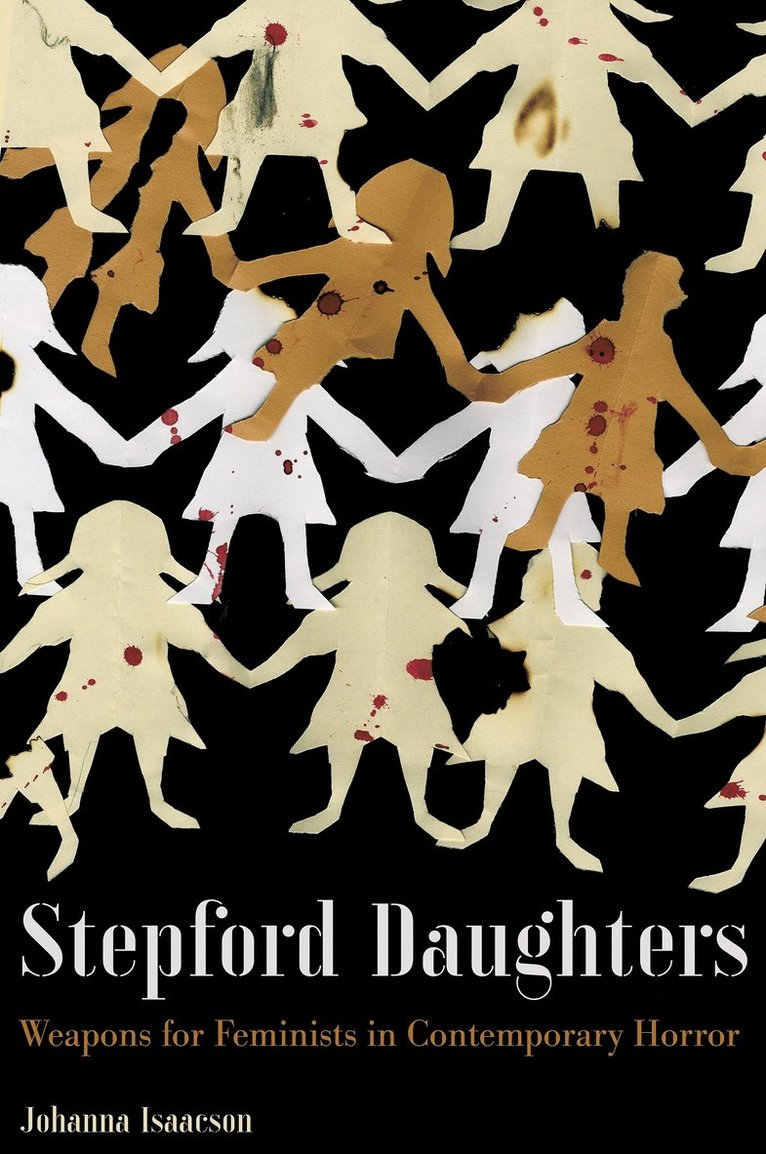
Stepford Daughters
Tools for Feminists in Contemporary Horror
Häftad, 2022
183 kr
Lägg i varukorg
Capitalism and patriarchy create monsters—but inside the darkness there lurks a strange utopia. In Stepford Daughters, Johanna Isaacson explores an emerging wave of horror films that get why class horror and gender horror must be understood together. In doing so, Isaacson makes the case that this …
Stepford Daughters
Weapons for Feminists in Contemporary Horror
E-bok, 2022
212 kr
Lägg i varukorg
In Stepford Daughters , Johanna Isaacson explores an emerging wave of horror films that get why class horror and gender horror must be understood together . In doing so, Isaacson makes the case that this often-maligned genre is in fact a place where oppressed people can understand, navigate and …
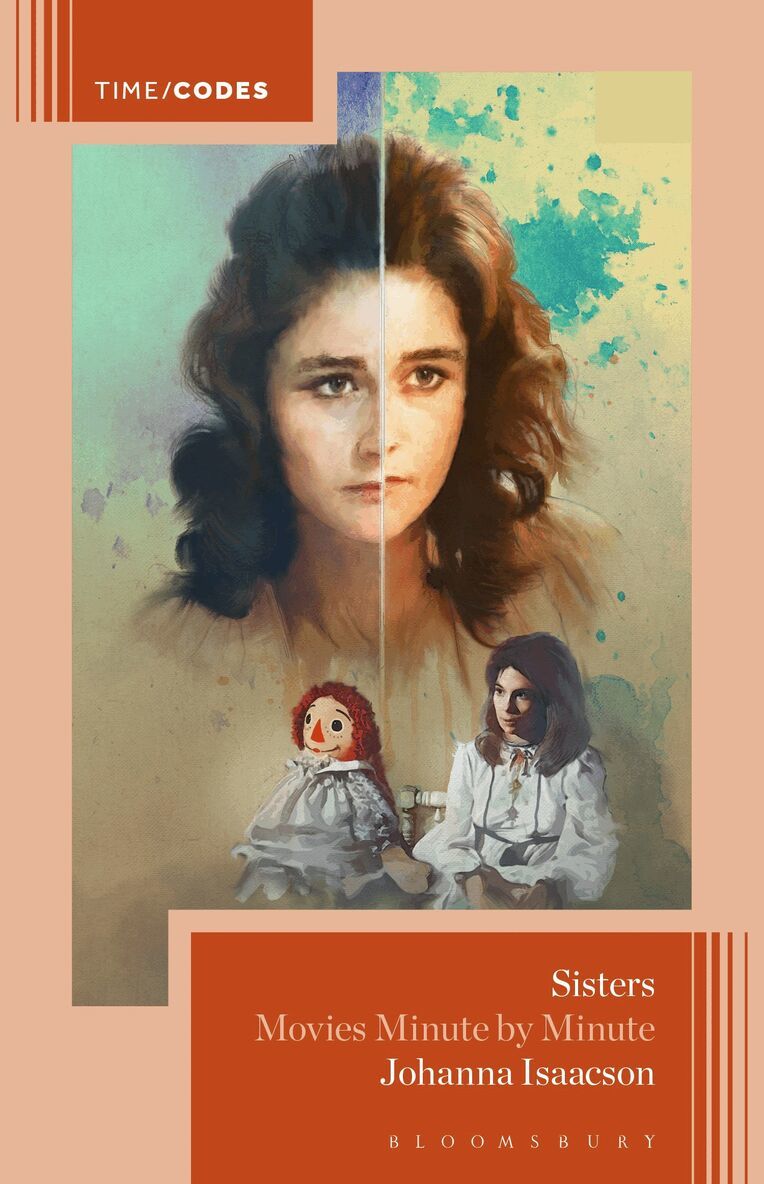
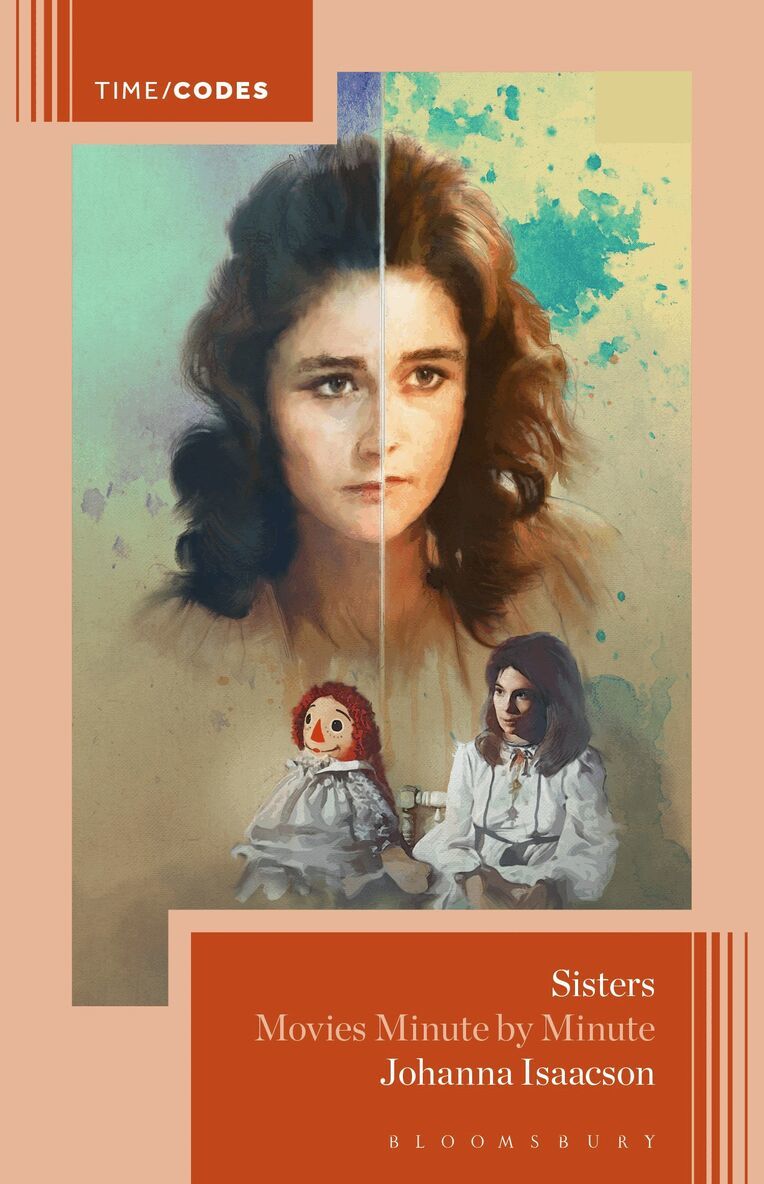
Sisters
Movies Minute by Minute
Av Johanna Isaacson, Nicholas Rombes m. fl.
Häftad, 2026
259 kr
Lägg i varukorg
A minute-by-minute analysis of Brian De Palma’s 1972 horror film, Sisters, weaving in Marxist feminist theory to foreground an appreciation of the film and bid for its enduring relevance for feminists, despite controversy surrounding its director.Sisters is one of De Palma’s most extraordinary and …
Sisters
Movies Minute by Minute
Av Johanna Isaacson, Nicholas Rombes m. fl.
Inbunden, 2026
854 kr
Lägg i varukorg
A minute-by-minute analysis of Brian De Palma’s 1972 horror film, Sisters, weaving in Marxist feminist theory to foreground an appreciation of the film and bid for its enduring relevance for feminists, despite controversy surrounding its director.Sisters is one of De Palma’s most extraordinary and …
Sisters
Movies Minute by Minute
E-bok, 2026
281 kr
Lägg i varukorg
A minute-by-minute analysis of Brian De Palma's 1972 horror film, Sisters, weaving in Marxist feminist theory to foreground an appreciation of the film and bid for its enduring relevance for feminists, despite controversy surrounding its director.Sisters is one of De Palma's most extraordinary and …