Nicholas Rombes – författare
Visar alla böcker från författaren Nicholas Rombes. Handla med fri frakt och snabb leverans.
31 produkter
31 produkter
894 kr
Skickas inom 5-8 vardagar
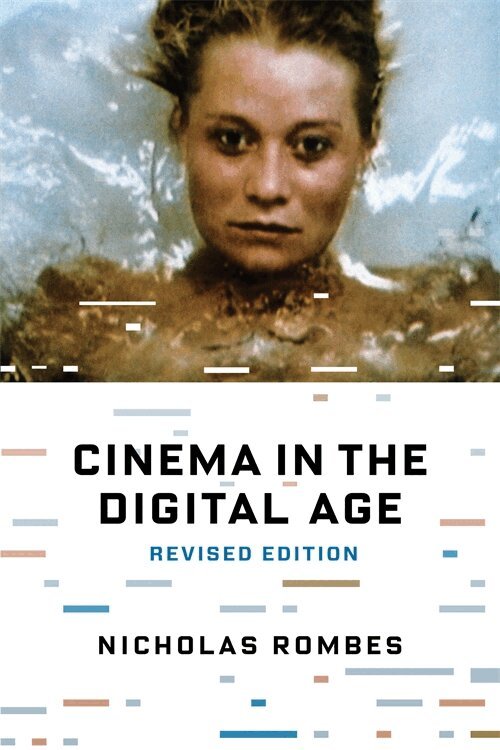
Have digital technologies transformed cinema into a new art, or do they simply replicate and mimic analogue, film-based cinema? Newly revised and expanded to take the latest developments into account, Cinema in the Digital Age examines the fate of cinema in the wake of the digital revolution. Nicholas Rombes considers Festen (1998), The Blair Witch Project (1999), Timecode (2000), Russian Ark (2002), and The Ring (2002), among others. Haunted by their analogue pasts, these films are interested not in digital purity but rather in imperfection and mistakes-blurry or pixilated images, shaky camera work, and other elements that remind viewers of the human behind the camera. With a new introduction and new material, this updated edition takes a fresh look at the historical and contemporary state of digital cinema. It pays special attention to the ways in which nostalgia for the look and feel of analogue disrupts the aesthetics of the digital image, as well as how recent films such as The Social Network (2010) and The Girl with the Dragon Tattoo (2011)-both shot digitally-have disguised and erased their digital foundations.The book also explores new possibilities for writing about and theorizing film, such as randomization.
570 kr
Skickas inom 3-6 vardagar
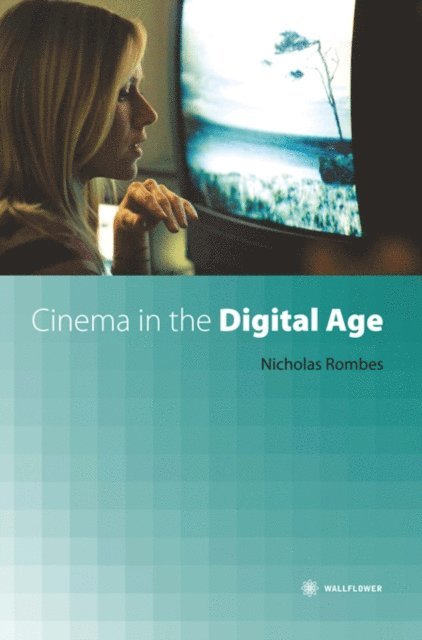
Have digital technologies transformed cinema into a new art, or do they simply replicate and mimic analogue, film-based cinema? Newly revised and expanded to take the latest developments into account, Cinema in the Digital Age examines the fate of cinema in the wake of the digital revolution. Nicholas Rombes considers Festen (1998), The Blair Witch Project (1999), Timecode (2000), Russian Ark (2002), and The Ring (2002), among others. Haunted by their analogue pasts, these films are interested not in digital purity but rather in imperfection and mistakes-blurry or pixilated images, shaky camera work, and other elements that remind viewers of the human behind the camera. With a new introduction and new material, this updated edition takes a fresh look at the historical and contemporary state of digital cinema. It pays special attention to the ways in which nostalgia for the look and feel of analogue disrupts the aesthetics of the digital image, as well as how recent films such as The Social Network (2010) and The Girl with the Dragon Tattoo (2011)-both shot digitally-have disguised and erased their digital foundations.The book also explores new possibilities for writing about and theorizing film, such as randomization.
1 287 kr
Skickas inom 7-10 vardagar
133 kr
Skickas
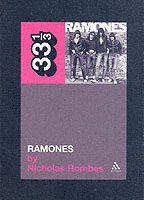
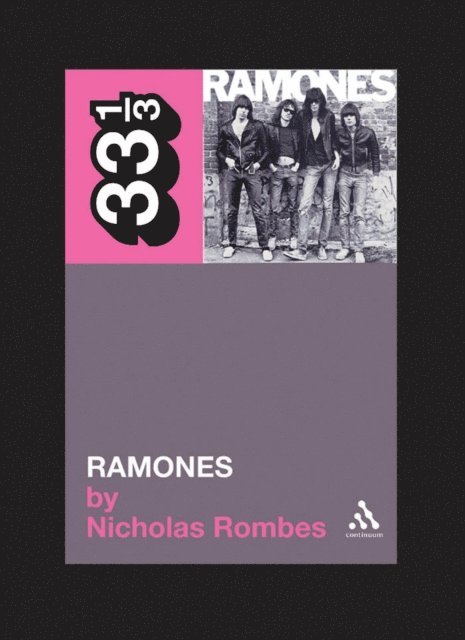
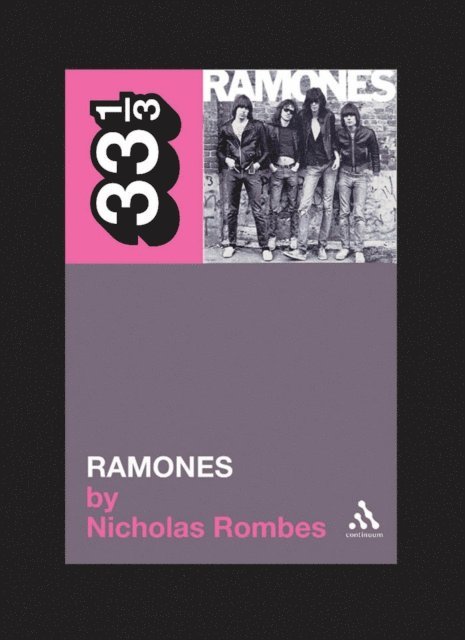
What could be more punk rock than a band that never changed, a band that for decades punched out three-minute powerhouses in the style that made them famous? The Ramones' repetition and attitude inspired a genre, and Ramones set its tone. Nicholas Rombes examines punk history, with the recording of Ramones at its core, in this inspiring and thoroughly researched justification of his obsession with the album.
464 kr
Skickas inom 10-15 vardagar
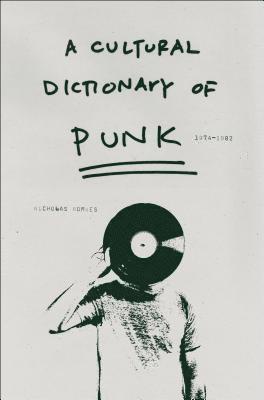
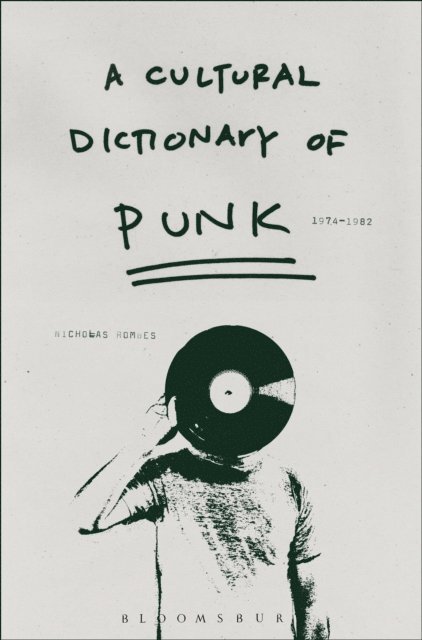
This is a fascinating guide to a critical time in music and cultural history. "A Cultural Dictionary of Punk" is a bold book that examines punk as a movement that is best understood by placing it in its cultural field. It contains myriad descriptions of the sounds of the time, but also places those sounds in the context of history. Drawing on hundreds of fanzines, magazines, and newspapers, the book is - in the spirit of punk - an obsessive, exhaustively researched and sometimes deeply personal portrait of the many ways in which punk was an expression of defiance. The format consists of distinct entries on everything from Lester Bangs to The Slits, from Jimmy Carter to Minimalism, from 'Dot Dash' to Bad Brains. Both highly informative and thrillingly idiosyncratic, the book takes a fresh look at how the malaise of the 1970s offered fertile ground for punk - as well as the new wave, post-punk, and hardcore - to emerge as a rejection of the easy platitudes of the dying counter-culture. The organization is accessible and entertaining. Rombes upends notions that the story of punk can be told in a chronological, linear fashion.Meant to be read straight through or opened up and experienced at random, "A Cultural Dictionary of Punk" covers not only many of the well-known, now-legendary punk bands, but the obscure, forgotten ones as well.
225 kr
Skickas inom 3-6 vardagar
212 kr
Skickas inom 5-8 vardagar
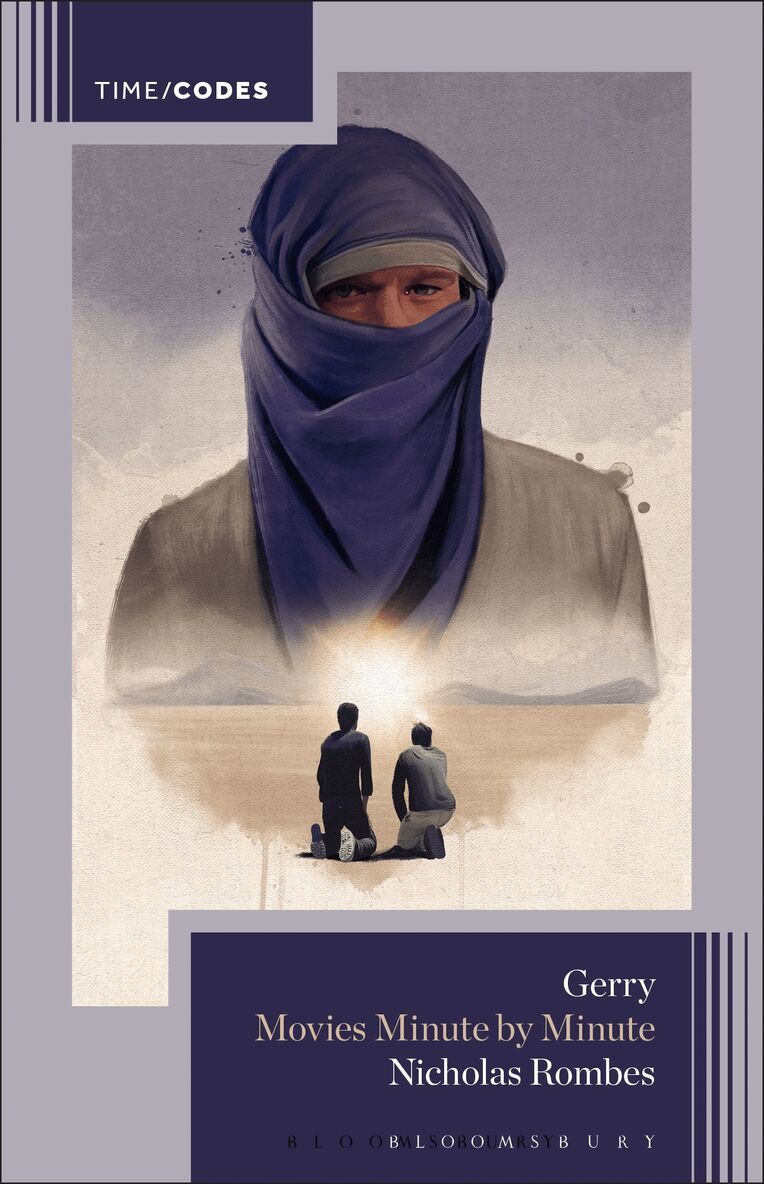
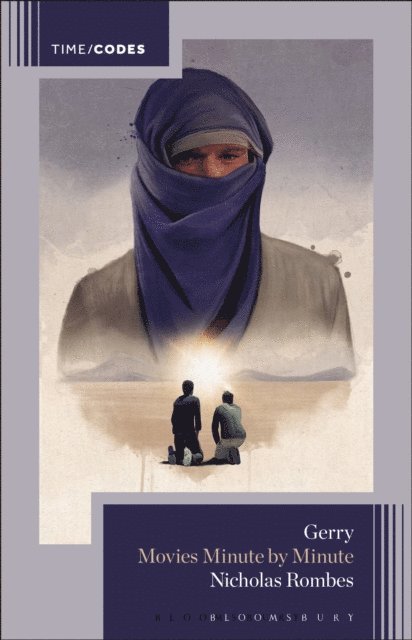
A minute-by-minute analysis of Gus Van Sant film, Gerry (2002). Blending film criticism with creative nonfiction, each book in the Timecodes series focuses on one film, exploring it minute by minute beginning with minute one, and ending with the final minute before the closing credits.In the canon of director Gus Van Sant’s films, Gerry (2002) stands out as a singular work, a boldly experimental film that nonetheless is accessible, darkly humorous, and profound. Gerry: Minute by Minute is a non-traditional critical study of this film, a bold, impressionistic series of vignettes that circle around questions which are highly specific to Gerry itself but which are also universal: what is it about certain works of art—films, books, paintings, music—that attach themselves to us so that we carry them with us on our journey through life? What does it mean to walk with these works inside us, as if they are a part of us? The book’s structure unfolds chronologically along with the film, with one moment from each of the film’s 100 minutes serving as the basis for the chapters. Each of the 100 vignette chapters takes on topics ranging from the particulars of the film itself, including: the inventive use of camera movement and sound; the productive nature of collaboration; the driving themes and philosophies that inform the film; the blistering heat, in Death Valley, of its production; the place of Gerry in American cinema and its European influences, especially Béla Tarr; the impact of 9-11 on the cultural landscape of 2001-02, when Gerry was filmed and released; and what it means to “walk” with a film or a book, carrying it our heads as it informs who we are, often in subtle ways invisible to those around us.
768 kr
Skickas inom 10-15 vardagar
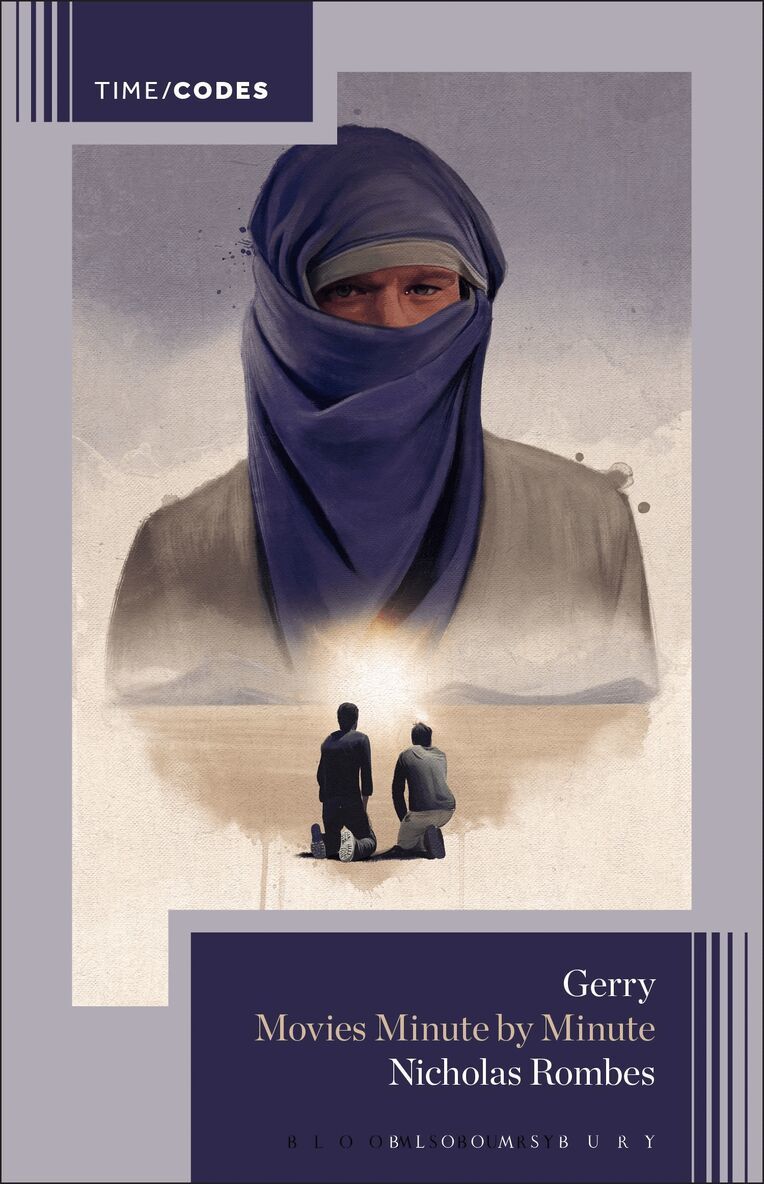
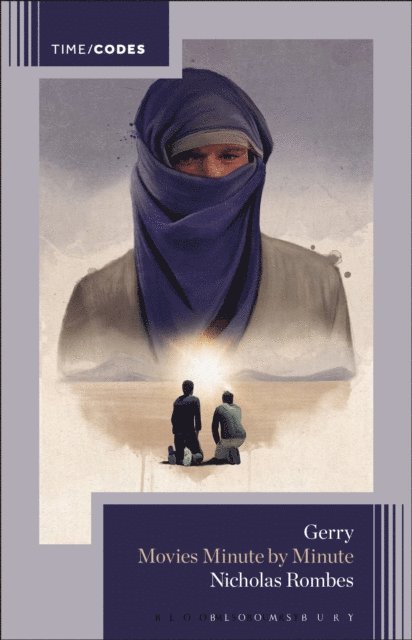
A minute-by-minute analysis of Gus Van Sant film, Gerry (2002). Blending film criticism with creative nonfiction, each book in the Timecodes series focuses on one film, exploring it minute by minute beginning with minute one, and ending with the final minute before the closing credits.In the canon of director Gus Van Sant’s films, Gerry (2002) stands out as a singular work, a boldly experimental film that nonetheless is accessible, darkly humorous, and profound. Gerry: Minute by Minute is a non-traditional critical study of this film, a bold, impressionistic series of vignettes that circle around questions which are highly specific to Gerry itself but which are also universal: what is it about certain works of art—films, books, paintings, music—that attach themselves to us so that we carry them with us on our journey through life? What does it mean to walk with these works inside us, as if they are a part of us? The book’s structure unfolds chronologically along with the film, with one moment from each of the film’s 100 minutes serving as the basis for the chapters. Each of the 100 vignette chapters takes on topics ranging from the particulars of the film itself, including: the inventive use of camera movement and sound; the productive nature of collaboration; the driving themes and philosophies that inform the film; the blistering heat, in Death Valley, of its production; the place of Gerry in American cinema and its European influences, especially Béla Tarr; the impact of 9-11 on the cultural landscape of 2001-02, when Gerry was filmed and released; and what it means to “walk” with a film or a book, carrying it our heads as it informs who we are, often in subtle ways invisible to those around us.
258 kr
Skickas inom 5-8 vardagar
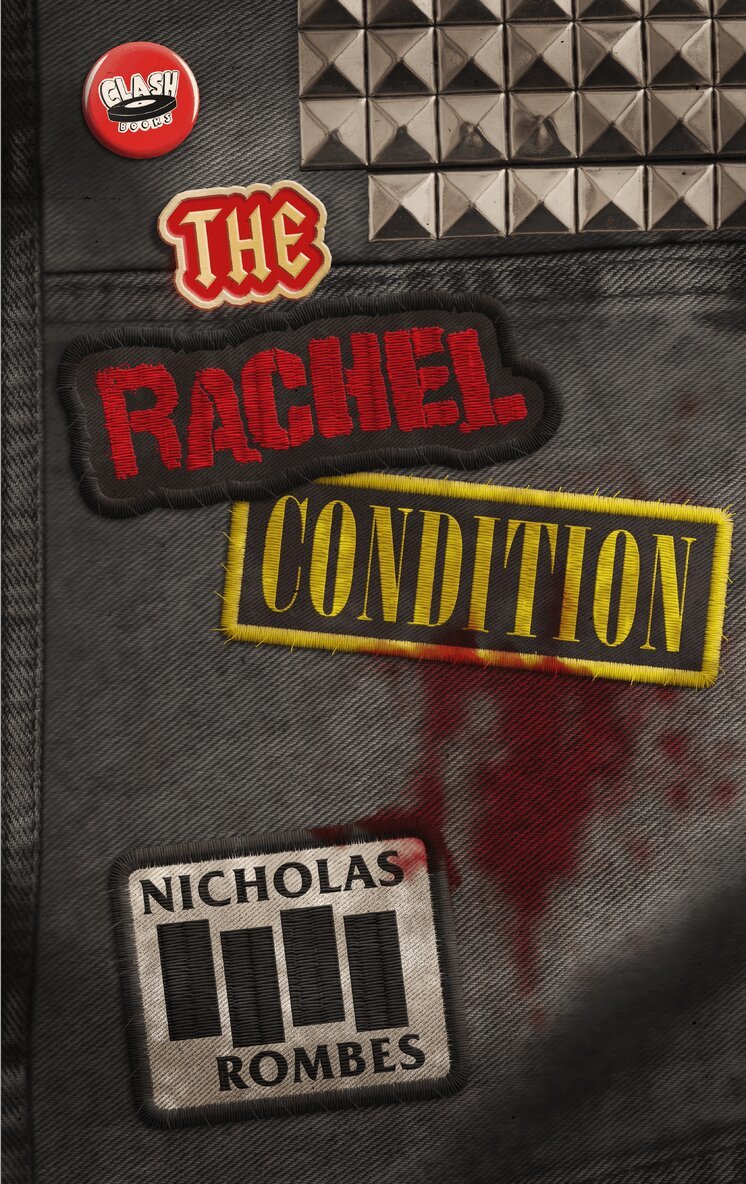
The Rachel Condition is at once a political thriller, a family saga, and a mind-bending love story that plays out through the mysterious byways of Detroit.Antony has ostensibly traveled to Detroit in search of the last copy of a dangerous political novel, but his true purpose is to infiltrate a tight circle of political dissidents. Rachel appears to be working for the Detroit-based insurgency, but her loyalties are complicated. They meet at a dive bar with a dangerous Indiana Jones and the Temple of Doom pinball machine and a malevolent bartender named Paul. There’s also Patti, of the proto-punk band Psycho Femmes; Julia, whose uncle founded the Detroit chapter of the Black Panthers; The Commander, also known as Charlotte; The Colonel, who wears many uniforms so to speak; and Yama, a doom metal band that literally plays eternal, one-note songs. Nothing is as it seems, no one can be trusted, and, as Rachel reminds Antony, everything is different in retrospect. History, as Rachel knows, is written by the victors, and this goes for personal history, too. The Rachel Condition tells a story of tenderness and the power of art to create and destroy in the midst of violence and chaos.
251 kr
Kommande
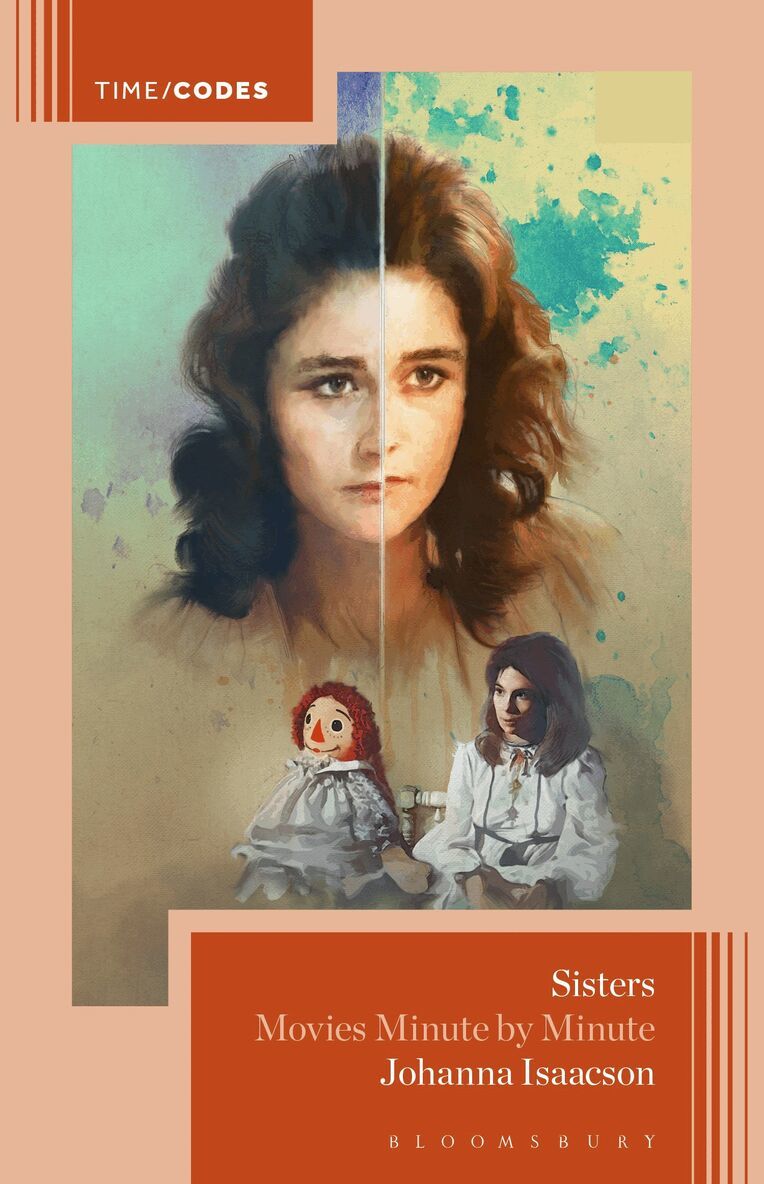
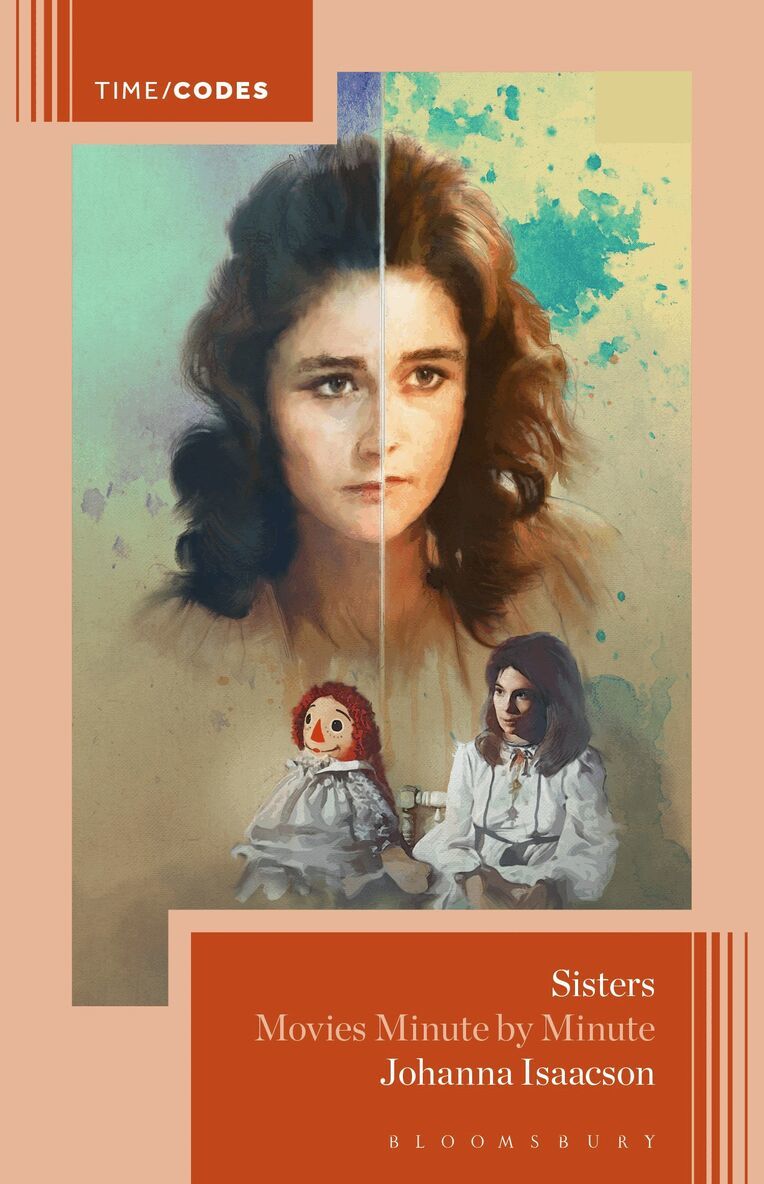
A minute-by-minute analysis of Brian De Palma’s 1972 horror film, Sisters, weaving in Marxist feminist theory to foreground an appreciation of the film and bid for its enduring relevance for feminists, despite controversy surrounding its director.Sisters is one of De Palma’s most extraordinary and important films, and yet it is often disregarded, misunderstood, or underestimated. The two main characters, Grace and Danielle, represent the second-wave feminist desire for professional autonomy and women’s psychosexual oppression, respectively. Yet, this reading seems at odds with the abundant accusations of misogyny and transphobia De Palma has drawn throughout his directing career. Each of this book’s 100 vignette chapters makes the case that whatever De Palma’s attitudes and intents, Sisters is a revelatory film for feminists, both for its formal diagnosis and estrangement of conventional gendered relationships under capitalism and for its absorption and reflection of the social contradictions of its moment.The book also asks important, related questions, including: How does Sisters mark the transition from De Palma’s earlier “Godardian” phase to his signature “Hitchcockian” style? How does De Palma’s Hitchcockian phase inaugurated in Sisters intertwine with 1970s’ psychoanalytic feminist theory? How do the contributions of women both as performers and behind the scenes decenter the auteurist rhetoric that is so frequently applied to De Palma’s work? This book is a means to appreciate and understand one of the most important films of the 1970s while reassessing the assumptions at the heart of contemporary feminist evaluations.
820 kr
Kommande
A minute-by-minute analysis of Brian De Palma’s 1972 horror film, Sisters, weaving in Marxist feminist theory to foreground an appreciation of the film and bid for its enduring relevance for feminists, despite controversy surrounding its director.Sisters is one of De Palma’s most extraordinary and important films, and yet it is often disregarded, misunderstood, or underestimated. The two main characters, Grace and Danielle, represent the second-wave feminist desire for professional autonomy and women’s psychosexual oppression, respectively. Yet, this reading seems at odds with the abundant accusations of misogyny and transphobia De Palma has drawn throughout his directing career. Each of this book’s 100 vignette chapters makes the case that whatever De Palma’s attitudes and intents, Sisters is a revelatory film for feminists, both for its formal diagnosis and estrangement of conventional gendered relationships under capitalism and for its absorption and reflection of the social contradictions of its moment.The book also asks important, related questions, including: How does Sisters mark the transition from De Palma’s earlier “Godardian” phase to his signature “Hitchcockian” style? How does De Palma’s Hitchcockian phase inaugurated in Sisters intertwine with 1970s’ psychoanalytic feminist theory? How do the contributions of women both as performers and behind the scenes decenter the auteurist rhetoric that is so frequently applied to De Palma’s work? This book is a means to appreciate and understand one of the most important films of the 1970s while reassessing the assumptions at the heart of contemporary feminist evaluations.
251 kr
Kommande
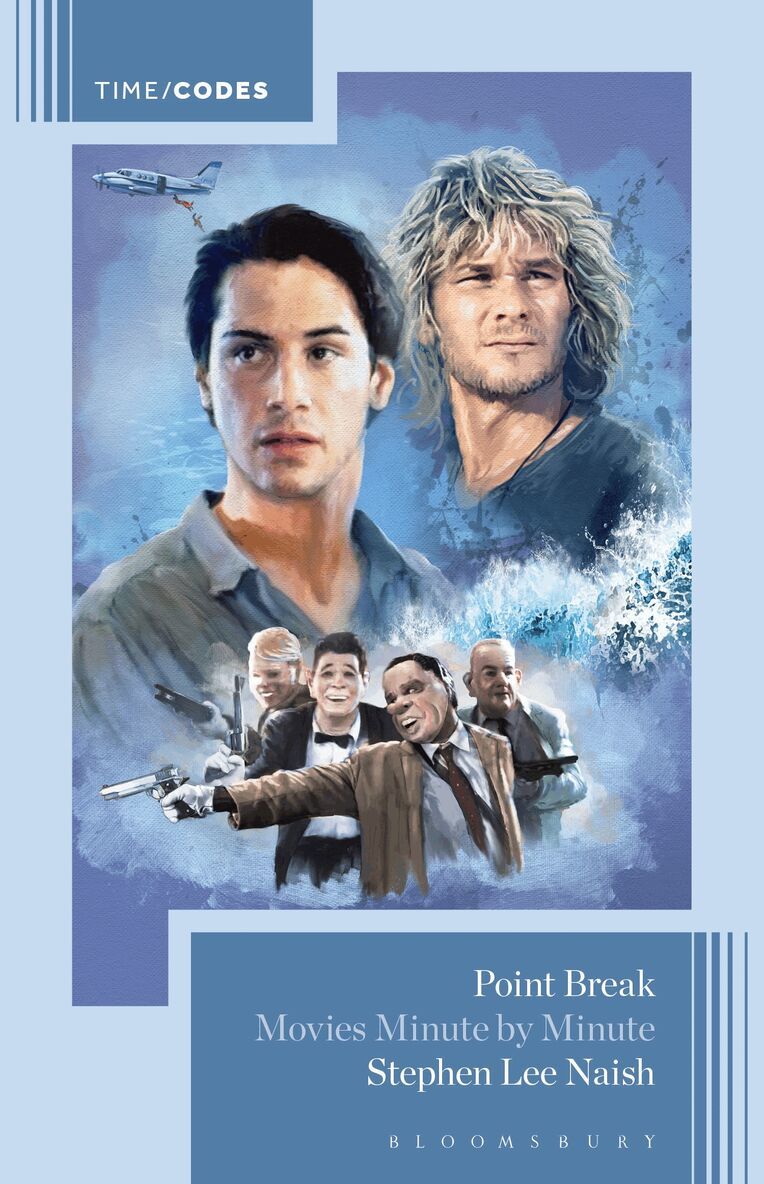
Point Break, in Bloomsbury's Timecodes Series, is a detailed, minute-by-minute critical exploration of Kathryn Bigelow’s 1991 action film Point Break. Moving sequentially through the film’s two-hour runtime, the book blends formal analysis, cultural history and theory, action genre study, and personal reflection and interpretation. It positions Point Break as both a quintessential action spectacle and a film layered with thematic tensions: masculinity, spirituality, individual risk, personal freedom, environmental awareness, and the search for one’s identity. Each minute of the film is treated as a self-contained unit. The cinematography, editing, sound design, performances, and narrative beats are discussed in relation to broader social contexts including surfing subculture, mid-to-late-20th-century American politics, post-Vietnam War attitudes, and the evolving media images of Keanu Reeves and Patrick Swayze.Drawing on a wide array of sources, such as film theory, cultural criticism, and surf memoirs, the bookreframes Point Break as not merely an adrenaline-driven thriller, but as a work rich in symbolism, mythology, homoerotic desires, and philosophical inquiry. This approach reveals how Bigelow crafts a kinetic, expressive cinema where bodies, landscapes, and motion collide, and how the film's characters operate within intersecting personal, cultural, and ideological currents. The result is a hybrid of scholarship and creative writing that reanimates the film by slowing it down, revealing layers of meaning often obscured by its velocity.
816 kr
Kommande
Point Break, in Bloomsbury's Timecodes Series, is a detailed, minute-by-minute critical exploration of Kathryn Bigelow’s 1991 action film Point Break. Moving sequentially through the film’s two-hour runtime, the book blends formal analysis, cultural history and theory, action genre study, and personal reflection and interpretation. It positions Point Break as both a quintessential action spectacle and a film layered with thematic tensions: masculinity, spirituality, individual risk, personal freedom, environmental awareness, and the search for one’s identity. Each minute of the film is treated as a self-contained unit. The cinematography, editing, sound design, performances, and narrative beats are discussed in relation to broader social contexts including surfing subculture, mid-to-late-20th-century American politics, post-Vietnam War attitudes, and the evolving media images of Keanu Reeves and Patrick Swayze.Drawing on a wide array of sources, such as film theory, cultural criticism, and surf memoirs, the bookreframes Point Break as not merely an adrenaline-driven thriller, but as a work rich in symbolism, mythology, homoerotic desires, and philosophical inquiry. This approach reveals how Bigelow crafts a kinetic, expressive cinema where bodies, landscapes, and motion collide, and how the film's characters operate within intersecting personal, cultural, and ideological currents. The result is a hybrid of scholarship and creative writing that reanimates the film by slowing it down, revealing layers of meaning often obscured by its velocity.
787 kr
Kommande
A minute-by-minute analysis of Steven Soderbergh's film The Limey (1999), examining its innovative narrative and editing techniques, as well as its thematic explorations of revenge, regret, and memory.This book provides a nuanced and insightful exploration of this all-too-overlooked film in the career of one of contemporary American cinema’s most ubiquitous and indefatigable directors. Delving into Soderbergh's groundbreaking narrative style, which seamlessly intertwines past and present, it illuminates the film’s meticulous editing and groundbreaking storytelling techniques. Central to the discussion is the portrayal of revenge and regret, explored through the film’s distinctive structure, and its meditation on aging - of the actors in the film, the archetypes they represent, and American Cinema itself. Brandon Harris contextualizes The Limey within Soderbergh's broader oeuvre and its unique position in late-1990s American cinema, offering readers a compelling interpretation that underscores the film’s enduring impact and critical significance. The Limey: Movies Minute by Minute not only sheds new light on a deserving film but also provokes a wider conversation about an under-appreciated work from one of the modern masters of American Cinema. It is a book for cinephiles, for those fascinated by the craft of filmmaking, and for anyone who believes that some of the most profound artistic statements are often found in the most unexpected places.
310 kr
Kommande
A minute-by-minute analysis of Steven Soderbergh's film The Limey (1999), examining its innovative narrative and editing techniques, as well as its thematic explorations of revenge, regret, and memory.This book provides a nuanced and insightful exploration of this all-too-overlooked film in the career of one of contemporary American cinema’s most ubiquitous and indefatigable directors. Delving into Soderbergh's groundbreaking narrative style, which seamlessly intertwines past and present, it illuminates the film’s meticulous editing and groundbreaking storytelling techniques. Central to the discussion is the portrayal of revenge and regret, explored through the film’s distinctive structure, and its meditation on aging - of the actors in the film, the archetypes they represent, and American Cinema itself. Brandon Harris contextualizes The Limey within Soderbergh's broader oeuvre and its unique position in late-1990s American cinema, offering readers a compelling interpretation that underscores the film’s enduring impact and critical significance. The Limey: Movies Minute by Minute not only sheds new light on a deserving film but also provokes a wider conversation about an under-appreciated work from one of the modern masters of American Cinema. It is a book for cinephiles, for those fascinated by the craft of filmmaking, and for anyone who believes that some of the most profound artistic statements are often found in the most unexpected places.
265 kr
Skickas
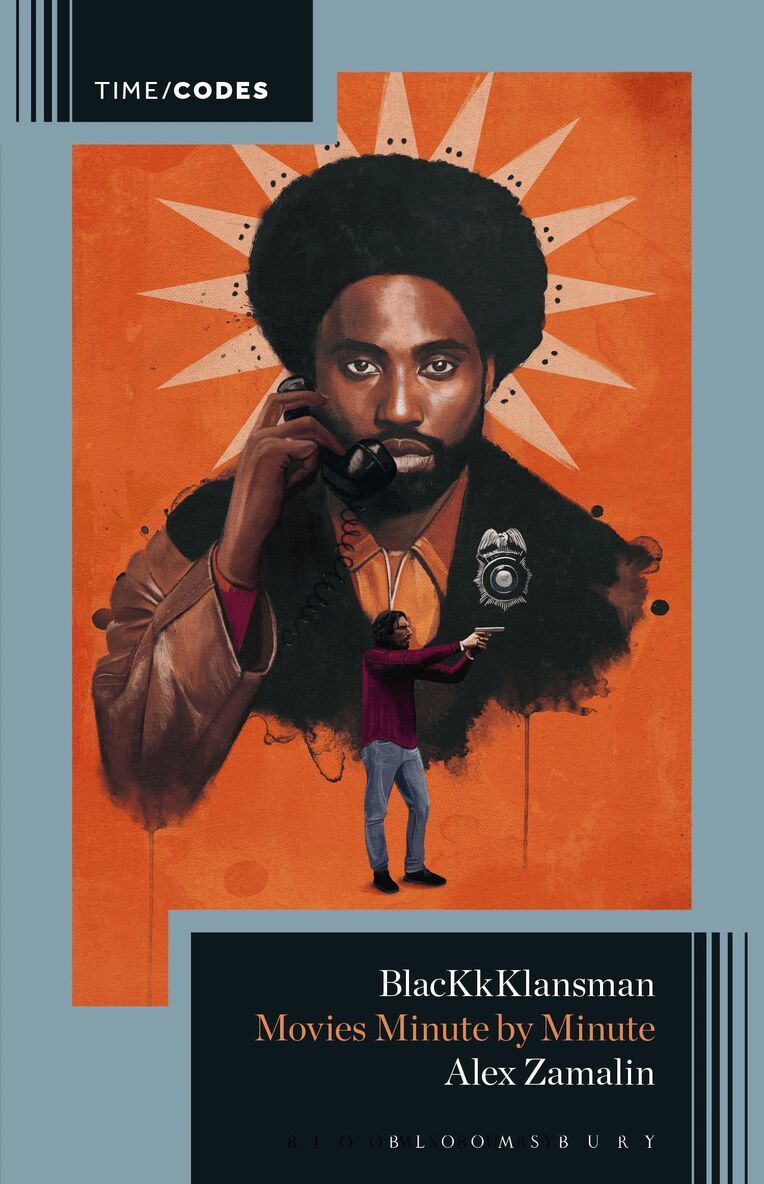
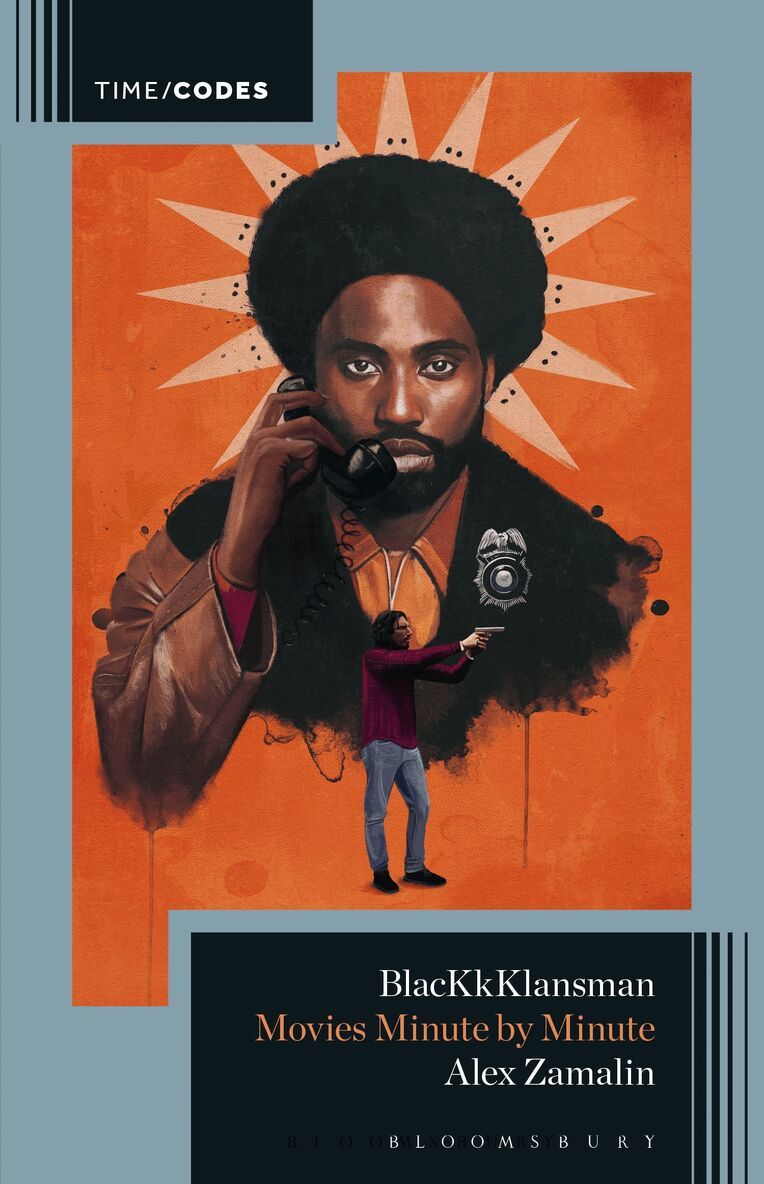
A minute-by-minute analysis of Spike Lee's infamous film, BlacKkKlansman.Blending film criticism with creative nonfiction, each book in the Timecodes series focuses on one film, exploring it minute by minute beginning with minute one, and ending with the final minute before the closing credits.Film scholars have examined Spike Lee’s inventive visual style, didactic argumentative structure, use of music, and cinematic movement, but his film, BlacKkKlansman, is also a meditation on questions of perennial concern to political theorists: what is the meaning of freedom under social constraint? How does racism and anti-Blackness structure the parameters of conversation and belonging? Is redistribution or recognition crucial for justice? Alex Zamalin takes up these questions by examining the dynamics of race and politics as presented in the film. Through dissecting themes of law and order, white supremacy, police brutality, Black rebellion, and intersectionality, Zamalin invites readers to draw connections to the present political consciousness of the Black Lives Matter movement. The creative and thorough analysis presented in this book translates just how pressing social and cultural insights can be glimpsed through popular media.
863 kr
Skickas inom 10-15 vardagar
A minute-by-minute analysis of Spike Lee's infamous film, BlacKkKlansman.Blending film criticism with creative nonfiction, each book in the Timecodes series focuses on one film, exploring it minute by minute beginning with minute one, and ending with the final minute before the closing credits.Film scholars have examined Spike Lee’s inventive visual style, didactic argumentative structure, use of music, and cinematic movement, but his film, BlacKkKlansman, is also a meditation on questions of perennial concern to political theorists: what is the meaning of freedom under social constraint? How does racism and anti-Blackness structure the parameters of conversation and belonging? Is redistribution or recognition crucial for justice? Alex Zamalin takes up these questions by examining the dynamics of race and politics as presented in the film. Through dissecting themes of law and order, white supremacy, police brutality, Black rebellion, and intersectionality, Zamalin invites readers to draw connections to the present political consciousness of the Black Lives Matter movement. The creative and thorough analysis presented in this book translates just how pressing social and cultural insights can be glimpsed through popular media.
427 kr
Kommande
A minute-by-minute analysis of George Miller's film, Mad Max: Fury Road (2015).Blending film criticism with creative nonfiction, each book in the Timecodes series focuses on one film, exploring it minute by minute beginning with minute one, and ending with the final minute before the closing credits.Mad Max: Fury Road: Movies Minute by Minute is the first book-length analysis of George Miller’s Mad Max: Fury Road, which reads the film as an anti-capitalist, feminist manifesto. In this interdisciplinary text, Alix Olson mobilizes an unconventional and eclectic archive of radical democratic, ecofeminist and queer theory, feminist poetry, and Afro-futurist literature in order to elicit the film’s relevance as a guide for radical political struggle. The book is particularly attuned to Mad Max’s depiction of “another world as possible,” a slogan which serves as an aspirational impetus for activism and to the nature of radical social change more broadly. Through close analysis, the book weaves together “thought-bites” in order to track pressing questions about power relations within neoliberal capitalism: How might reading the film through contemporary queer and feminist thinkers and activist movements teach us about the possibilities and limitations of resistance? How do utopia and dystopia (pre)figure and interact as post-capitalist horizons? Should we understand ecofeminism as a liberatory or essentializing force? What might the temporality of “slow critique,” performed by a minute-by-minute textual reading, expose about our approach to political life more generally? How can popular art uproot the common-sense nature of everyday life under neoliberal capitalism and render taken-for-granted logics irrational or dystopian?
1 192 kr
Kommande
A minute-by-minute analysis of George Miller's film, Mad Max: Fury Road (2015).Blending film criticism with creative nonfiction, each book in the Timecodes series focuses on one film, exploring it minute by minute beginning with minute one, and ending with the final minute before the closing credits.Mad Max: Fury Road: Movies Minute by Minute is the first book-length analysis of George Miller’s Mad Max: Fury Road, which reads the film as an anti-capitalist, feminist manifesto. In this interdisciplinary text, Alix Olson mobilizes an unconventional and eclectic archive of radical democratic, ecofeminist and queer theory, feminist poetry, and Afro-futurist literature in order to elicit the film’s relevance as a guide for radical political struggle. The book is particularly attuned to Mad Max’s depiction of “another world as possible,” a slogan which serves as an aspirational impetus for activism and to the nature of radical social change more broadly. Through close analysis, the book weaves together “thought-bites” in order to track pressing questions about power relations within neoliberal capitalism: How might reading the film through contemporary queer and feminist thinkers and activist movements teach us about the possibilities and limitations of resistance? How do utopia and dystopia (pre)figure and interact as post-capitalist horizons? Should we understand ecofeminism as a liberatory or essentializing force? What might the temporality of “slow critique,” performed by a minute-by-minute textual reading, expose about our approach to political life more generally? How can popular art uproot the common-sense nature of everyday life under neoliberal capitalism and render taken-for-granted logics irrational or dystopian?
407 kr
Kommande
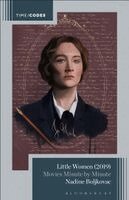
A minute-by-minute analysis of Greta Gerwig’s Little Women.Blending film criticism with creative nonfiction, each book in the Timecodes series focuses on one film, exploring it minute by minute beginning with minute one, and ending with the final minute before the closing credits. In 1868, Louisa May Alcott published the literary masterpiece, Little Women. Written in a heartfelt style that combines the Timecodes series’ dedication to close analysis alongside theoretical, cultural, social and personal reflection, Boljkovac intimately and thoroughly reveals how Alcott’s book and most recent screen adaptation, directed by Greta Gerwig (2019), is more than just a classic literary story. Gerwig’s Little Women releases – for the first time onscreen – Jo’s potential and the feminist queer resistance latent in the novel. This book furthers the momentum of the 2019 film in embracing Alcott’s 21st century thought. Eschewing theories of (auto-)biography, Boljkovac advances, via Gerwig, instances of feminist moving image (self-)portraiture that celebrate open-ended possibilities for women of any time.
1 131 kr
Kommande
A minute-by-minute analysis of Greta Gerwig’s Little Women.Blending film criticism with creative nonfiction, each book in the Timecodes series focuses on one film, exploring it minute by minute beginning with minute one, and ending with the final minute before the closing credits. In 1868, Louisa May Alcott published the literary masterpiece, Little Women. Written in a heartfelt style that combines the Timecodes series’ dedication to close analysis alongside theoretical, cultural, social and personal reflection, Boljkovac intimately and thoroughly reveals how Alcott’s book and most recent screen adaptation, directed by Greta Gerwig (2019), is more than just a classic literary story. Gerwig’s Little Women releases – for the first time onscreen – Jo’s potential and the feminist queer resistance latent in the novel. This book furthers the momentum of the 2019 film in embracing Alcott’s 21st century thought. Eschewing theories of (auto-)biography, Boljkovac advances, via Gerwig, instances of feminist moving image (self-)portraiture that celebrate open-ended possibilities for women of any time.
863 kr
Skickas inom 10-15 vardagar
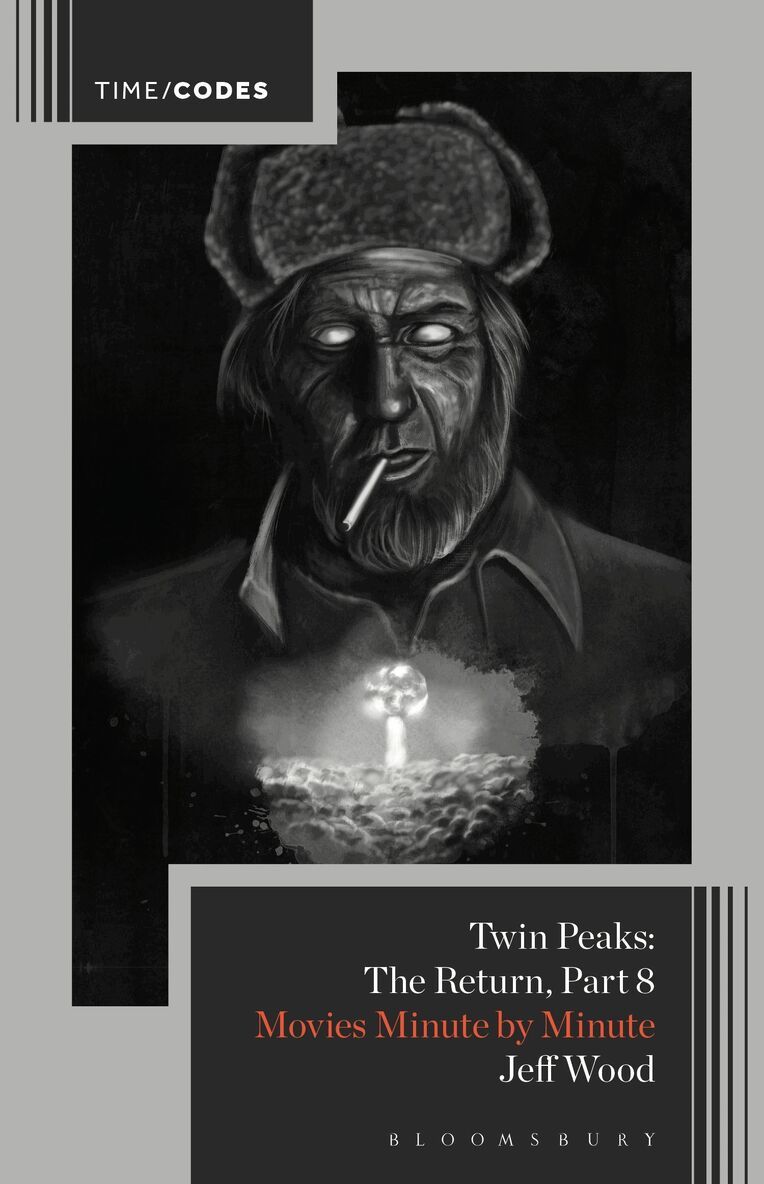
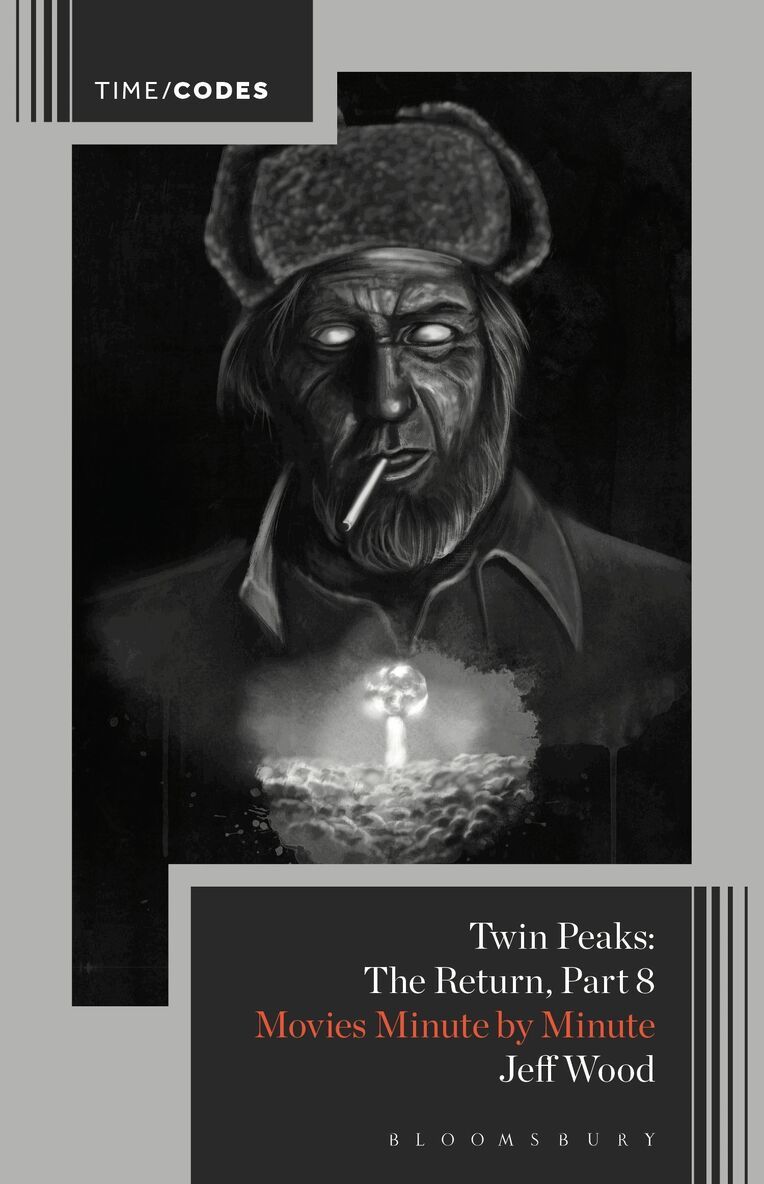
A minute-by-minute analysis of one episode (Part 8) of David Lynch's Twin Peaks: The Return (2017).Much has been written about the work of David Lynch and existential fear in relation to Americana and the American Dream-as-American Nightmare in terms that are circular and artistically self-referential—or Lynchian. But with Part 8 of his most recent work, the 2017 series Twin Peaks: The Return, Lynch locates his singular and unsettling visual vocabulary within an epic historical context: the world’s first atomic explosion, the Trinity Test. With reference to the 1983 television phenomenon The Day After, Lynch’s work is newly situated in a resurgence of works reassessing the legacy of Trinity. Among them: HBO’s Chernobyl, Trevor Paglen’s Trinity Cube, Cormac McCarthy’s The Passenger and Stella Maris, and Christopher Nolan’s Oppenheimer. With David Lynch’s Part 8, a cultural circuit is completed, from the idiosyncratic and personal—or Lynchian—to the shared space of what theorist Paul Virilio describes as “cosmic fear”—or an emergency of social media.After placing the work in this specific context, this book examines every minute of Lynch’s Part 8 from Twin Peaks: The Return, minute by minute—a thrilling endeavor due to the radical landscape that Lynch sets forth: a landscape of astonishing cinematic extremities, from the maddeningly abstract, absurd, and meticulous, to the lush, and terrifying. The director presents an uncanny intimacy that is an achievement even among the most critically lauded works in Lynch’s catalog.
261 kr
Skickas inom 5-8 vardagar
A minute-by-minute analysis of one episode (Part 8) of David Lynch's Twin Peaks: The Return (2017).Much has been written about the work of David Lynch and existential fear in relation to Americana and the American Dream-as-American Nightmare in terms that are circular and artistically self-referential—or Lynchian. But with Part 8 of his most recent work, the 2017 series Twin Peaks: The Return, Lynch locates his singular and unsettling visual vocabulary within an epic historical context: the world’s first atomic explosion, the Trinity Test. With reference to the 1983 television phenomenon The Day After, Lynch’s work is newly situated in a resurgence of works reassessing the legacy of Trinity. Among them: HBO’s Chernobyl, Trevor Paglen’s Trinity Cube, Cormac McCarthy’s The Passenger and Stella Maris, and Christopher Nolan’s Oppenheimer. With David Lynch’s Part 8, a cultural circuit is completed, from the idiosyncratic and personal—or Lynchian—to the shared space of what theorist Paul Virilio describes as “cosmic fear”—or an emergency of social media.After placing the work in this specific context, this book examines every minute of Lynch’s Part 8 from Twin Peaks: The Return, minute by minute—a thrilling endeavor due to the radical landscape that Lynch sets forth: a landscape of astonishing cinematic extremities, from the maddeningly abstract, absurd, and meticulous, to the lush, and terrifying. The director presents an uncanny intimacy that is an achievement even among the most critically lauded works in Lynch’s catalog.
444 kr
Kommande
A minute-by-minute analysis of Ben Wheatley's film, Kill List (2011).2011’s Kill List, directed by Ben Wheatley and written by Wheatley and Amy Jump, provides an almost alchemical space by which audiences can watch as one genre transforms into another - from crime drama to paranoid thriller to terrifying folk horror - before our eyes. Narrative misdirection abounds in this film, but Wheatley and Jump are after something more than simple narrative cleverness. This film encompasses supernatural conspiracies and shocking acts of violence, but at its heart it’s a story of a man trying to be a good husband and father — and failing comprehensively at both tasks. It’s also a story of the larger forces that can govern most people’s lives, whether the economic impact of a recession or the strategic deployment of rituals and magic.Taking readers through the events of Kill List minute by minute, this book explores the dense plotting and overlapping threads of this film, the thematic anxieties that plague its characters, and the allusions to heroes and conflicts that bolster its storytelling. Kill List is both a visceral trip into one man’s waking nightmare and a haunting exploration of moral ruin. This book is a rigorous guide to the cinematic landmarks found along the way.
1 265 kr
Kommande
A minute-by-minute analysis of Ben Wheatley's film, Kill List (2011).2011’s Kill List, directed by Ben Wheatley and written by Wheatley and Amy Jump, provides an almost alchemical space by which audiences can watch as one genre transforms into another - from crime drama to paranoid thriller to terrifying folk horror - before our eyes. Narrative misdirection abounds in this film, but Wheatley and Jump are after something more than simple narrative cleverness. This film encompasses supernatural conspiracies and shocking acts of violence, but at its heart it’s a story of a man trying to be a good husband and father — and failing comprehensively at both tasks. It’s also a story of the larger forces that can govern most people’s lives, whether the economic impact of a recession or the strategic deployment of rituals and magic.Taking readers through the events of Kill List minute by minute, this book explores the dense plotting and overlapping threads of this film, the thematic anxieties that plague its characters, and the allusions to heroes and conflicts that bolster its storytelling. Kill List is both a visceral trip into one man’s waking nightmare and a haunting exploration of moral ruin. This book is a rigorous guide to the cinematic landmarks found along the way.
453 kr
Kommande
A minute-by-minute analysis of Francis Ford Coppola’s paranoid thriller The Conversation (1974). Blending film criticism with creative nonfiction, each book in the Timecodes series focuses on one film, exploring it minute by minute beginning with minute one, and ending with the final minute before the closing credits.When it was released, The Conversation depicted the isolation and loneliness caused by a surveillance state we ourselves, unwittingly or not, are agents in. It examined the ways in which technological progress can outpace the culture it ostensibly aids, and how our increased awareness of these increasingly undetectable innovations doesn’t necessarily help us avoid their lenses. Harry Caul, in an underrated performance by Gene Hackman, is the best in the bugging business, and yet, by the end, even he can’t figure out how he himself has been surveilled. It is a potent parable of Nixon’s America.50 years later, Coppola’s masterpiece didn’t just record the spirit of the age, he also had an ear toward the future, as The Conversation also managed to prefigure the isolated reactionaries of the internet, with Gene Hackman’s Harry Caul as a kind of pre-digital online troll whose self-righteousness and interpersonal failings shape his reactionary interpretation of events in which he’s only a peripheral participant. Harry both predicts the behavior of social media bullies and bots but also definitively shows that the internet did not create these characters; it merely amplifies them.Ultimately, The Conversation: Movies Minute by Minute shows how Coppola’s taut narrative of ambiguity, paranoia, and subjectivity is utterly a movie of its moment and yet has reverberated long after its release in a way few films ever do.
1 265 kr
Kommande
A minute-by-minute analysis of Francis Ford Coppola’s paranoid thriller The Conversation (1974). Blending film criticism with creative nonfiction, each book in the Timecodes series focuses on one film, exploring it minute by minute beginning with minute one, and ending with the final minute before the closing credits.When it was released, The Conversation depicted the isolation and loneliness caused by a surveillance state we ourselves, unwittingly or not, are agents in. It examined the ways in which technological progress can outpace the culture it ostensibly aids, and how our increased awareness of these increasingly undetectable innovations doesn’t necessarily help us avoid their lenses. Harry Caul, in an underrated performance by Gene Hackman, is the best in the bugging business, and yet, by the end, even he can’t figure out how he himself has been surveilled. It is a potent parable of Nixon’s America.50 years later, Coppola’s masterpiece didn’t just record the spirit of the age, he also had an ear toward the future, as The Conversation also managed to prefigure the isolated reactionaries of the internet, with Gene Hackman’s Harry Caul as a kind of pre-digital online troll whose self-righteousness and interpersonal failings shape his reactionary interpretation of events in which he’s only a peripheral participant. Harry both predicts the behavior of social media bullies and bots but also definitively shows that the internet did not create these characters; it merely amplifies them.Ultimately, The Conversation: Movies Minute by Minute shows how Coppola’s taut narrative of ambiguity, paranoia, and subjectivity is utterly a movie of its moment and yet has reverberated long after its release in a way few films ever do.
261 kr
Skickas inom 5-8 vardagar
A minute-by-minute analysis of Anisia Uzeyman’s and Saul Williams’ film, Neptune Frost (2021).This book traces the complex structure of the film, working through its rich tapestry of images and sounds while exploring its dual themes of resource exploitation and extraction and gender oppression. Neptune Frost shows how Africa stands at both ends of the production cycle: minerals are mined from the soil and sent to the West to make electronic devices, and the detritus of broken and obsolete devices is ultimately sent back to Africa to be abandoned in waste dumps. An indigenous community of hackers establishes a utopian community in the midst of these wastes and seeks to seize power over the network. At the same time, the movie centers upon a trans character, who starts out as a man and then transitions into a woman. She flees patriarchal domination and abuse and, almost magically, embodies the counter-power of resistance. This is all conveyed in the unusual form of a science fiction musical. Visions of altered technology are extrapolated ever so slightly beyond what actually exists while song and dance convey the desires, dreams, and solidarities of characters who are rarely given voice in more mainstream cinema. The movie gives accessible human and more-than-human expression to the usually hidden forces that lie beneath the world we take for granted.
863 kr
Skickas inom 10-15 vardagar
A minute-by-minute analysis of Anisia Uzeyman’s and Saul Williams’ film, Neptune Frost (2021).This book traces the complex structure of the film, working through its rich tapestry of images and sounds while exploring its dual themes of resource exploitation and extraction and gender oppression. Neptune Frost shows how Africa stands at both ends of the production cycle: minerals are mined from the soil and sent to the West to make electronic devices, and the detritus of broken and obsolete devices is ultimately sent back to Africa to be abandoned in waste dumps. An indigenous community of hackers establishes a utopian community in the midst of these wastes and seeks to seize power over the network. At the same time, the movie centers upon a trans character, who starts out as a man and then transitions into a woman. She flees patriarchal domination and abuse and, almost magically, embodies the counter-power of resistance. This is all conveyed in the unusual form of a science fiction musical. Visions of altered technology are extrapolated ever so slightly beyond what actually exists while song and dance convey the desires, dreams, and solidarities of characters who are rarely given voice in more mainstream cinema. The movie gives accessible human and more-than-human expression to the usually hidden forces that lie beneath the world we take for granted.
871 kr
Kommande
A minute-by-minute analysis of Charlie Kaufman’s Synecdoche, New York (2008).Blending film criticism with creative nonfiction, each book in the Timecodes series focuses on one film, exploring it minute by minute beginning with minute one, and ending with the final minute before the closing credits. In the canon of Charlie Kaufman written/directed films, which include Being John Malkovich, Adaptation, and Eternal Sunshine of the Spotless Mind, Synecdoche, New York is perhaps the purest distillation of his aesthetics as it follows the protagonist, Caden Cotard, a theater director who struggles with his work and women as he creates a life-size replica of New York City inside a warehouse as part of his new play. This book elevates this signature film to a higher place in the pantheon of Kaufman films with a nuanced, compassionate reading of a film that has a reputation for being removed and cold.