Nadine Boljkovac - Böcker
Visar alla böcker från författaren Nadine Boljkovac. Handla med fri frakt och snabb leverans.
17 produkter
17 produkter
210 kr
Skickas inom 7-10 vardagar
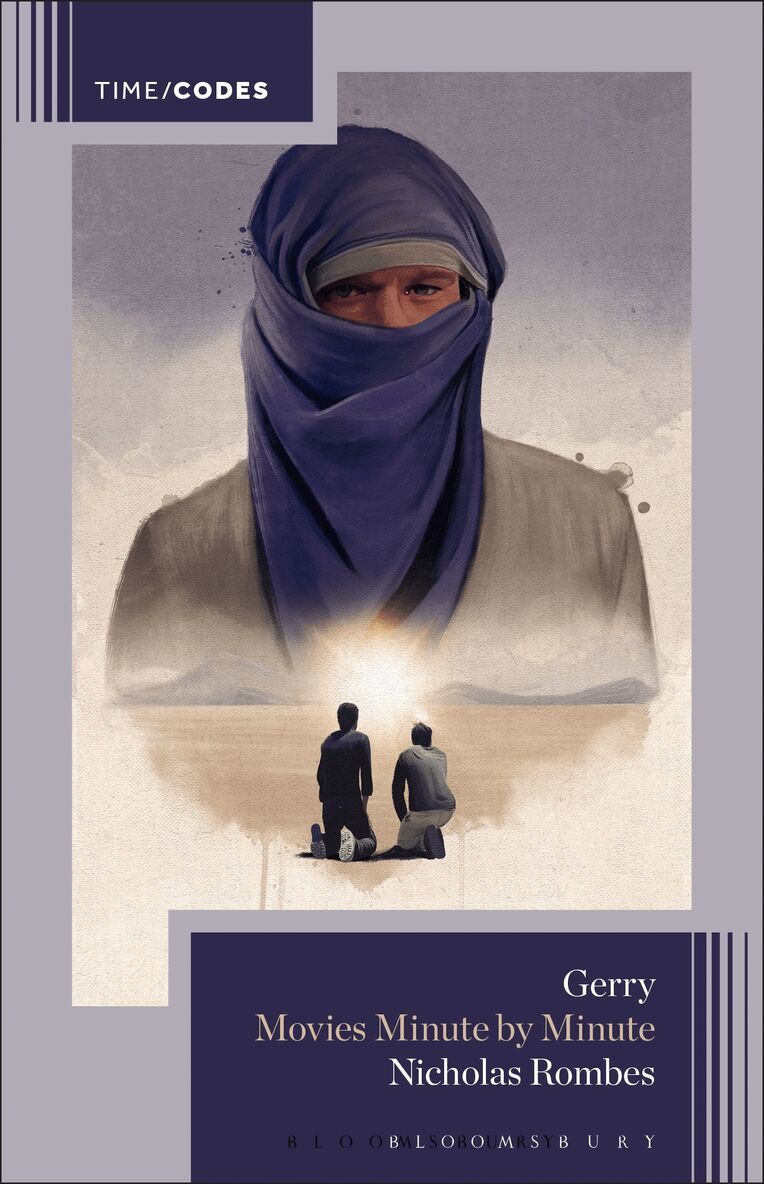
A minute-by-minute analysis of Gus Van Sant film, Gerry (2002). Blending film criticism with creative nonfiction, each book in the Timecodes series focuses on one film, exploring it minute by minute beginning with minute one, and ending with the final minute before the closing credits.In the canon of director Gus Van Sant’s films, Gerry (2002) stands out as a singular work, a boldly experimental film that nonetheless is accessible, darkly humorous, and profound. Gerry: Minute by Minute is a non-traditional critical study of this film, a bold, impressionistic series of vignettes that circle around questions which are highly specific to Gerry itself but which are also universal: what is it about certain works of art—films, books, paintings, music—that attach themselves to us so that we carry them with us on our journey through life? What does it mean to walk with these works inside us, as if they are a part of us? The book’s structure unfolds chronologically along with the film, with one moment from each of the film’s 100 minutes serving as the basis for the chapters. Each of the 100 vignette chapters takes on topics ranging from the particulars of the film itself, including: the inventive use of camera movement and sound; the productive nature of collaboration; the driving themes and philosophies that inform the film; the blistering heat, in Death Valley, of its production; the place of Gerry in American cinema and its European influences, especially Béla Tarr; the impact of 9-11 on the cultural landscape of 2001-02, when Gerry was filmed and released; and what it means to “walk” with a film or a book, carrying it our heads as it informs who we are, often in subtle ways invisible to those around us.
234 kr
Kommande
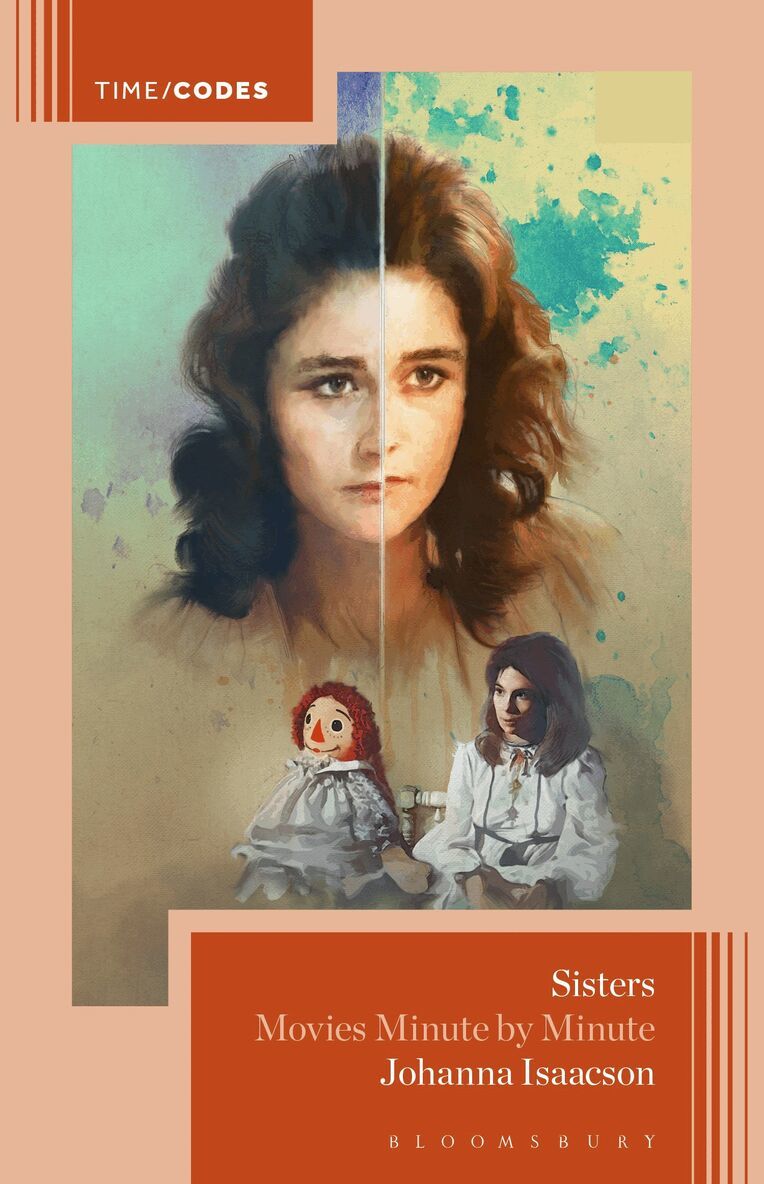
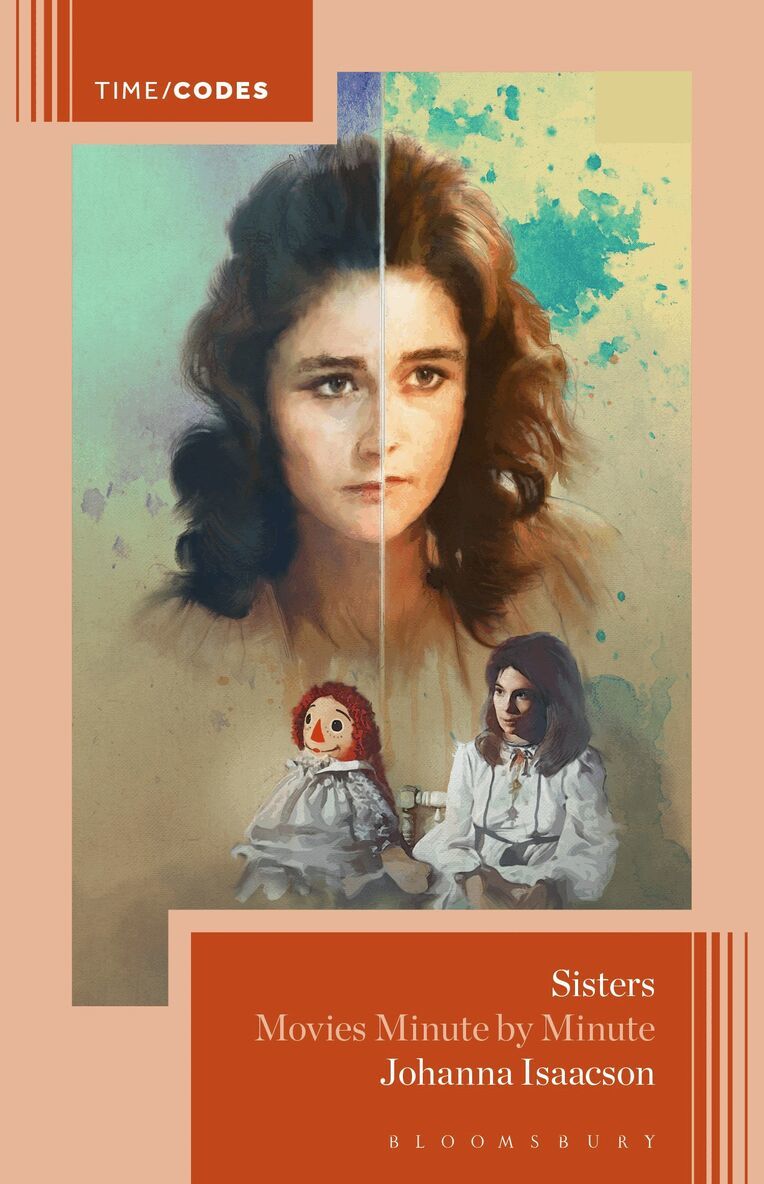
A minute-by-minute analysis of Brian De Palma’s 1972 horror film, Sisters, weaving in Marxist feminist theory to foreground an appreciation of the film and bid for its enduring relevance for feminists, despite controversy surrounding its director.Sisters is one of De Palma’s most extraordinary and important films, and yet it is often disregarded, misunderstood, or underestimated. The two main characters, Grace and Danielle, represent the second-wave feminist desire for professional autonomy and women’s psychosexual oppression, respectively. Yet, this reading seems at odds with the abundant accusations of misogyny and transphobia De Palma has drawn throughout his directing career. Each of this book’s 100 vignette chapters makes the case that whatever De Palma’s attitudes and intents, Sisters is a revelatory film for feminists, both for its formal diagnosis and estrangement of conventional gendered relationships under capitalism and for its absorption and reflection of the social contradictions of its moment.The book also asks important, related questions, including: How does Sisters mark the transition from De Palma’s earlier “Godardian” phase to his signature “Hitchcockian” style? How does De Palma’s Hitchcockian phase inaugurated in Sisters intertwine with 1970s’ psychoanalytic feminist theory? How do the contributions of women both as performers and behind the scenes decenter the auteurist rhetoric that is so frequently applied to De Palma’s work? This book is a means to appreciate and understand one of the most important films of the 1970s while reassessing the assumptions at the heart of contemporary feminist evaluations.
820 kr
Kommande
A minute-by-minute analysis of Brian De Palma’s 1972 horror film, Sisters, weaving in Marxist feminist theory to foreground an appreciation of the film and bid for its enduring relevance for feminists, despite controversy surrounding its director.Sisters is one of De Palma’s most extraordinary and important films, and yet it is often disregarded, misunderstood, or underestimated. The two main characters, Grace and Danielle, represent the second-wave feminist desire for professional autonomy and women’s psychosexual oppression, respectively. Yet, this reading seems at odds with the abundant accusations of misogyny and transphobia De Palma has drawn throughout his directing career. Each of this book’s 100 vignette chapters makes the case that whatever De Palma’s attitudes and intents, Sisters is a revelatory film for feminists, both for its formal diagnosis and estrangement of conventional gendered relationships under capitalism and for its absorption and reflection of the social contradictions of its moment.The book also asks important, related questions, including: How does Sisters mark the transition from De Palma’s earlier “Godardian” phase to his signature “Hitchcockian” style? How does De Palma’s Hitchcockian phase inaugurated in Sisters intertwine with 1970s’ psychoanalytic feminist theory? How do the contributions of women both as performers and behind the scenes decenter the auteurist rhetoric that is so frequently applied to De Palma’s work? This book is a means to appreciate and understand one of the most important films of the 1970s while reassessing the assumptions at the heart of contemporary feminist evaluations.
234 kr
Kommande
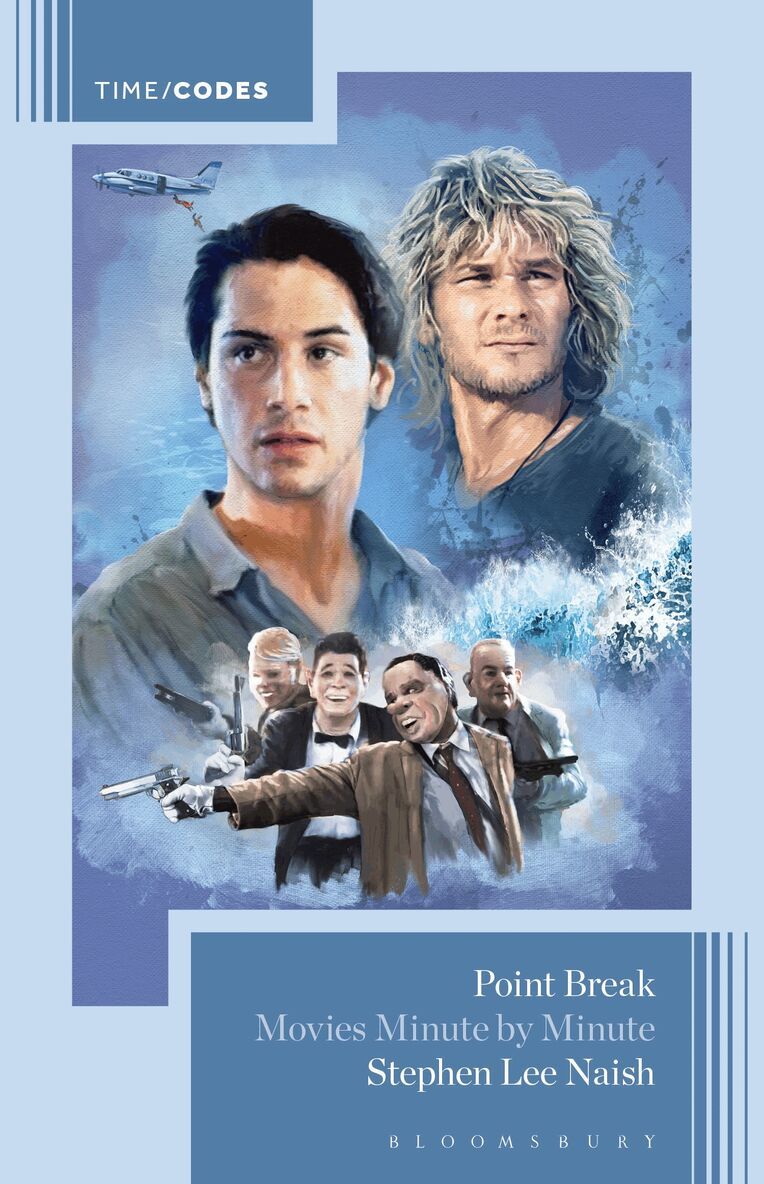
A minute-by-minute analysis of Kathryn Bigelow’s 1991 film, Point Break.Director Kathryn Bigelow’s film, Point Break (1991), follows rookie FBI agent Johnny Utah(Keanu Reeves) as he goes undercover to infiltrate the Los Angeles surfing community in order to dig up leads on a gang of bank robbers, who go by the name 'The Ex Presidents', due to their donning of rubber masks of former U.S. Presidents (Carter, Johnson, Nixon, Reagan). Although Utah at first sees this assignment as a way to test his metal within his new department, the surfer lifestyle, and the relationships he develops with his surf instructor, Tyler (Lori Petty), and his surf guru/potential suspect, Bodhi (Patrick Swayze), begins to change his perception and his passions in life.On the surface, this film feels like a straight-up heist/buddy/cop procedural movie, infused with extreme sports, and 1980s action movie tropes; however, thanks to Bigelow’s kinetic directorial style, its use of surf culture, hard rock soundtrack, dynamic relationships that entwine romance, friendship, homoeroticism, paternal, and infatuation, quotable dialogue, and extraordinary surf scenes, place it firmly with the trend of 1990s action cinema. Point Break acts like a time capsule of a bygone era and, simultaneously, a beacon for what lay ahead in the coming decades. This close analysis in the style of the Timecodes series reveals this film as a brilliant turning point in contemporary cinema, a defining moment of popular culture, and a continuous source of entertainment and intrigue.
820 kr
Kommande
A minute-by-minute analysis of Kathryn Bigelow’s 1991 film, Point Break.Director Kathryn Bigelow’s film, Point Break (1991), follows rookie FBI agent Johnny Utah(Keanu Reeves) as he goes undercover to infiltrate the Los Angeles surfing community in order to dig up leads on a gang of bank robbers, who go by the name 'The Ex Presidents', due to their donning of rubber masks of former U.S. Presidents (Carter, Johnson, Nixon, Reagan). Although Utah at first sees this assignment as a way to test his metal within his new department, the surfer lifestyle, and the relationships he develops with his surf instructor, Tyler (Lori Petty), and his surf guru/potential suspect, Bodhi (Patrick Swayze), begins to change his perception and his passions in life.On the surface, this film feels like a straight-up heist/buddy/cop procedural movie, infused with extreme sports, and 1980s action movie tropes; however, thanks to Bigelow’s kinetic directorial style, its use of surf culture, hard rock soundtrack, dynamic relationships that entwine romance, friendship, homoeroticism, paternal, and infatuation, quotable dialogue, and extraordinary surf scenes, place it firmly with the trend of 1990s action cinema. Point Break acts like a time capsule of a bygone era and, simultaneously, a beacon for what lay ahead in the coming decades. This close analysis in the style of the Timecodes series reveals this film as a brilliant turning point in contemporary cinema, a defining moment of popular culture, and a continuous source of entertainment and intrigue.
245 kr
Skickas inom 7-10 vardagar
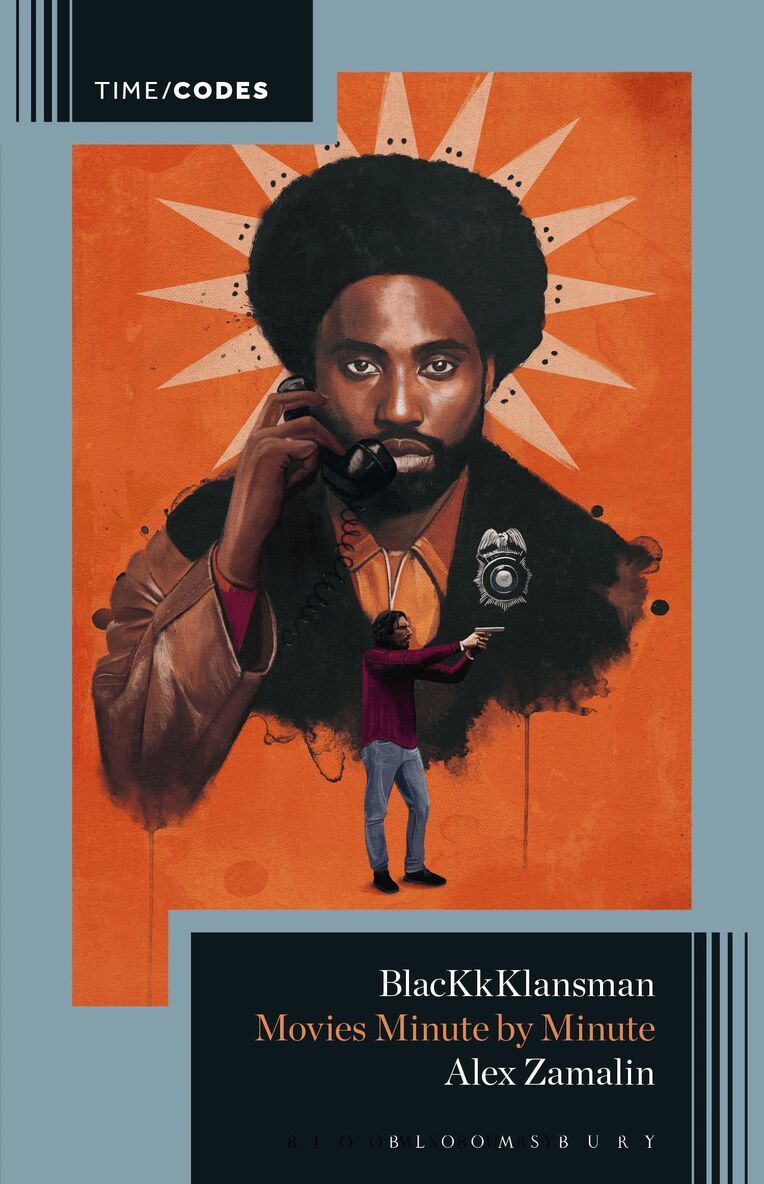
A minute-by-minute analysis of Spike Lee's infamous film, BlacKkKlansman.Blending film criticism with creative nonfiction, each book in the Timecodes series focuses on one film, exploring it minute by minute beginning with minute one, and ending with the final minute before the closing credits.Film scholars have examined Spike Lee’s inventive visual style, didactic argumentative structure, use of music, and cinematic movement, but his film, BlacKkKlansman, is also a meditation on questions of perennial concern to political theorists: what is the meaning of freedom under social constraint? How does racism and anti-Blackness structure the parameters of conversation and belonging? Is redistribution or recognition crucial for justice? Alex Zamalin takes up these questions by examining the dynamics of race and politics as presented in the film. Through dissecting themes of law and order, white supremacy, police brutality, Black rebellion, and intersectionality, Zamalin invites readers to draw connections to the present political consciousness of the Black Lives Matter movement. The creative and thorough analysis presented in this book translates just how pressing social and cultural insights can be glimpsed through popular media.
427 kr
Kommande
A minute-by-minute analysis of George Miller's film, Mad Max: Fury Road (2015).Blending film criticism with creative nonfiction, each book in the Timecodes series focuses on one film, exploring it minute by minute beginning with minute one, and ending with the final minute before the closing credits.Mad Max: Fury Road: Movies Minute by Minute is the first book-length analysis of George Miller’s Mad Max: Fury Road, which reads the film as an anti-capitalist, feminist manifesto. In this interdisciplinary text, Alix Olson mobilizes an unconventional and eclectic archive of radical democratic, ecofeminist and queer theory, feminist poetry, and Afro-futurist literature in order to elicit the film’s relevance as a guide for radical political struggle. The book is particularly attuned to Mad Max’s depiction of “another world as possible,” a slogan which serves as an aspirational impetus for activism, and to the nature of radical social change more broadly. Through a minute-by-minute analysis, the book weaves together “thought-bites” in order to track pressing questions about power relations within neoliberal capitalism: How might reading the film through contemporary queer and feminist thinkers and activist movements teach us about the possibilities and limitations of resistance? How do utopia and dystopia (pre)figure and interact as post-capitalist horizons? Should we understand ecofeminism as a liberatory or essentializing force? What might the temporality of “slow critique,” performed by a minute-by-minute textual reading, expose about our approach to political life more generally? How can popular art uproot the common-sensical of everyday life under neoliberal capitalism and render taken-for-granted logics irrational or dystopian?
1 192 kr
Kommande
A minute-by-minute analysis of George Miller's film, Mad Max: Fury Road (2015).Blending film criticism with creative nonfiction, each book in the Timecodes series focuses on one film, exploring it minute by minute beginning with minute one, and ending with the final minute before the closing credits.Mad Max: Fury Road: Movies Minute by Minute is the first book-length analysis of George Miller’s Mad Max: Fury Road, which reads the film as an anti-capitalist, feminist manifesto. In this interdisciplinary text, Alix Olson mobilizes an unconventional and eclectic archive of radical democratic, ecofeminist and queer theory, feminist poetry, and Afro-futurist literature in order to elicit the film’s relevance as a guide for radical political struggle. The book is particularly attuned to Mad Max’s depiction of “another world as possible,” a slogan which serves as an aspirational impetus for activism, and to the nature of radical social change more broadly. Through a minute-by-minute analysis, the book weaves together “thought-bites” in order to track pressing questions about power relations within neoliberal capitalism: How might reading the film through contemporary queer and feminist thinkers and activist movements teach us about the possibilities and limitations of resistance? How do utopia and dystopia (pre)figure and interact as post-capitalist horizons? Should we understand ecofeminism as a liberatory or essentializing force? What might the temporality of “slow critique,” performed by a minute-by-minute textual reading, expose about our approach to political life more generally? How can popular art uproot the common-sensical of everyday life under neoliberal capitalism and render taken-for-granted logics irrational or dystopian?
415 kr
Kommande
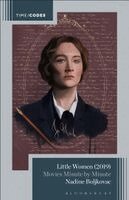
A minute-by-minute analysis of Greta Gerwig’s Little Women.Blending film criticism with creative nonfiction, each book in the Timecodes series focuses on one film, exploring it minute by minute beginning with minute one, and ending with the final minute before the closing credits. In 1868, Louisa May Alcott published the literary masterpiece, Little Women. Written in a heartfelt style that combines the Timecodes series’ dedication to close analysis alongside theoretical, cultural, social and personal reflection, Boljkovac intimately and thoroughly reveals how Alcott’s book and most recent screen adaptation, directed by Greta Gerwig (2019), is more than just a classic literary story. Gerwig’s Little Women releases – for the first time onscreen – Jo’s potential and the feminist queer resistance latent in the novel. This book furthers the momentum of the 2019 film in embracing Alcott’s 21st century thought. Eschewing theories of (auto-)biography, Boljkovac advances, via Gerwig, instances of feminist moving image (self-)portraiture that celebrate open-ended possibilities for women of any time.
1 158 kr
Kommande
A minute-by-minute analysis of Greta Gerwig’s Little Women.Blending film criticism with creative nonfiction, each book in the Timecodes series focuses on one film, exploring it minute by minute beginning with minute one, and ending with the final minute before the closing credits. In 1868, Louisa May Alcott published the literary masterpiece, Little Women. Written in a heartfelt style that combines the Timecodes series’ dedication to close analysis alongside theoretical, cultural, social and personal reflection, Boljkovac intimately and thoroughly reveals how Alcott’s book and most recent screen adaptation, directed by Greta Gerwig (2019), is more than just a classic literary story. Gerwig’s Little Women releases – for the first time onscreen – Jo’s potential and the feminist queer resistance latent in the novel. This book furthers the momentum of the 2019 film in embracing Alcott’s 21st century thought. Eschewing theories of (auto-)biography, Boljkovac advances, via Gerwig, instances of feminist moving image (self-)portraiture that celebrate open-ended possibilities for women of any time.
453 kr
Kommande
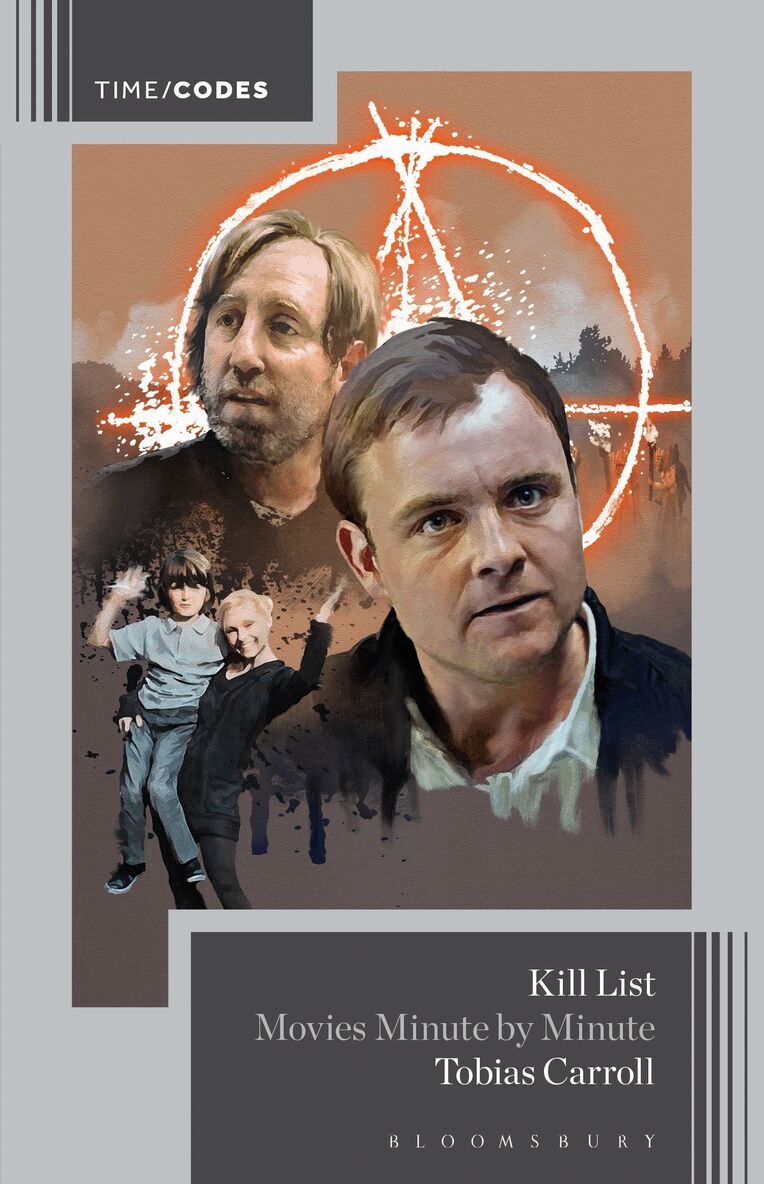
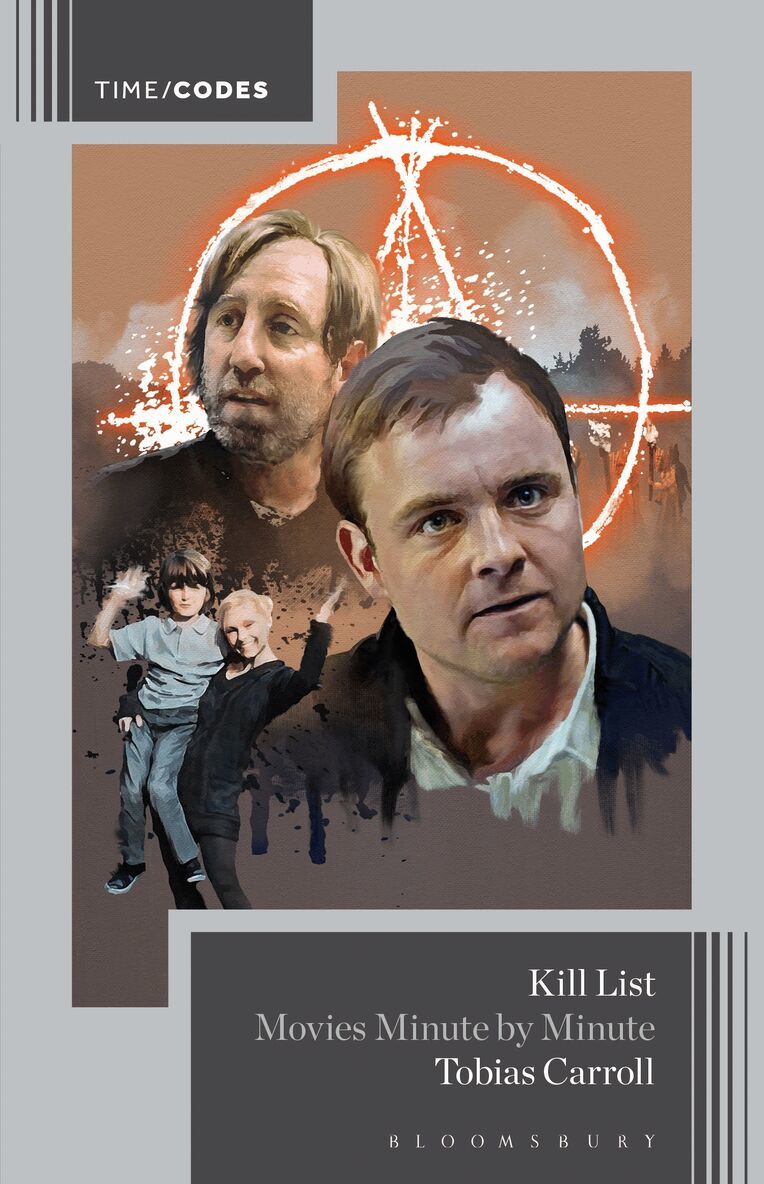
A minute-by-minute analysis of Ben Wheatley's film, Kill List (2011).2011’s Kill List, directed by Ben Wheatley and written by Wheatley and Amy Jump, provides an almost alchemical space by which audiences can watch as one genre transforms into another - from crime drama to paranoid thriller to terrifying folk horror - before our eyes. Narrative misdirection abounds in this film, but Wheatley and Jump are after something more than simple narrative cleverness. This film encompasses supernatural conspiracies and shocking acts of violence, but at its heart it’s a story of a man trying to be a good husband and father — and failing comprehensively at both tasks. It’s also a story of the larger forces that can govern most people’s lives, whether the economic impact of a recession or the strategic deployment of rituals and magic.Taking readers through the events of Kill List minute by minute, this book explores the dense plotting and overlapping threads of this film, the thematic anxieties that plague its characters, and the allusions to heroes and conflicts that bolster its storytelling. Kill List is both a visceral trip into one man’s waking nightmare and a haunting exploration of moral ruin. This book is a rigorous guide to the cinematic landmarks found along the way.
1 265 kr
Kommande
A minute-by-minute analysis of Ben Wheatley's film, Kill List (2011).2011’s Kill List, directed by Ben Wheatley and written by Wheatley and Amy Jump, provides an almost alchemical space by which audiences can watch as one genre transforms into another - from crime drama to paranoid thriller to terrifying folk horror - before our eyes. Narrative misdirection abounds in this film, but Wheatley and Jump are after something more than simple narrative cleverness. This film encompasses supernatural conspiracies and shocking acts of violence, but at its heart it’s a story of a man trying to be a good husband and father — and failing comprehensively at both tasks. It’s also a story of the larger forces that can govern most people’s lives, whether the economic impact of a recession or the strategic deployment of rituals and magic.Taking readers through the events of Kill List minute by minute, this book explores the dense plotting and overlapping threads of this film, the thematic anxieties that plague its characters, and the allusions to heroes and conflicts that bolster its storytelling. Kill List is both a visceral trip into one man’s waking nightmare and a haunting exploration of moral ruin. This book is a rigorous guide to the cinematic landmarks found along the way.
453 kr
Kommande
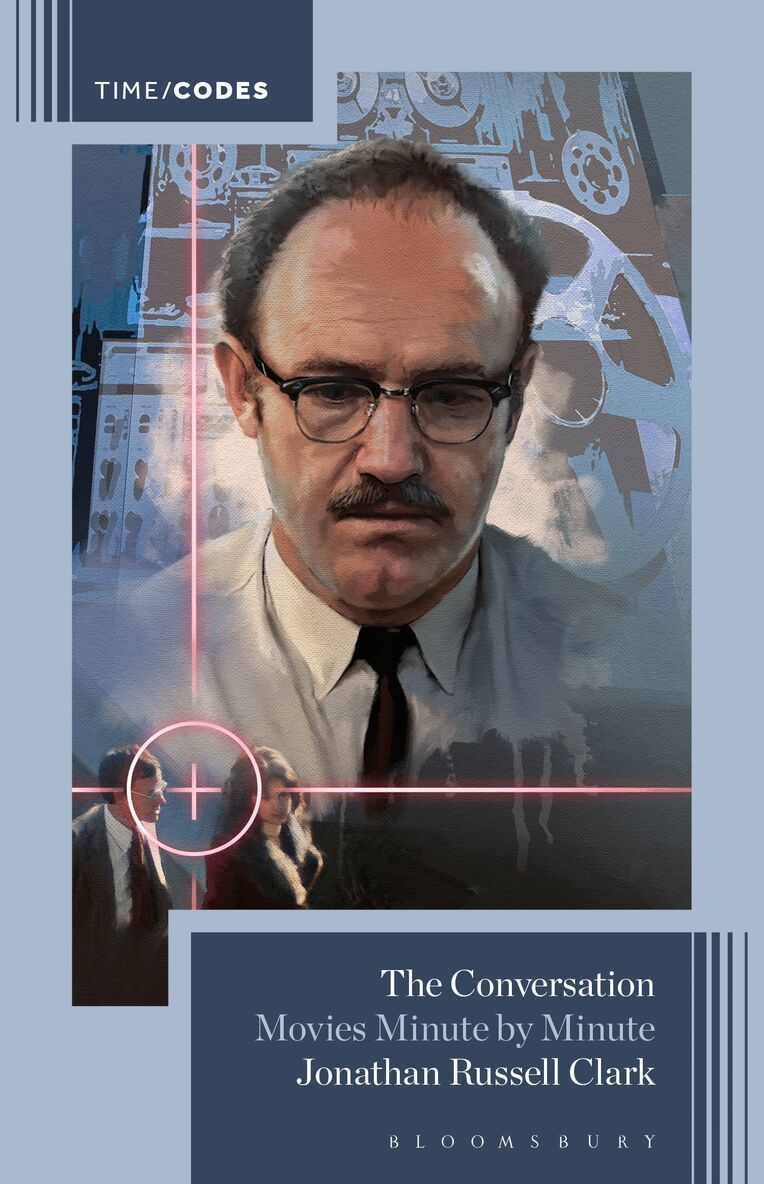
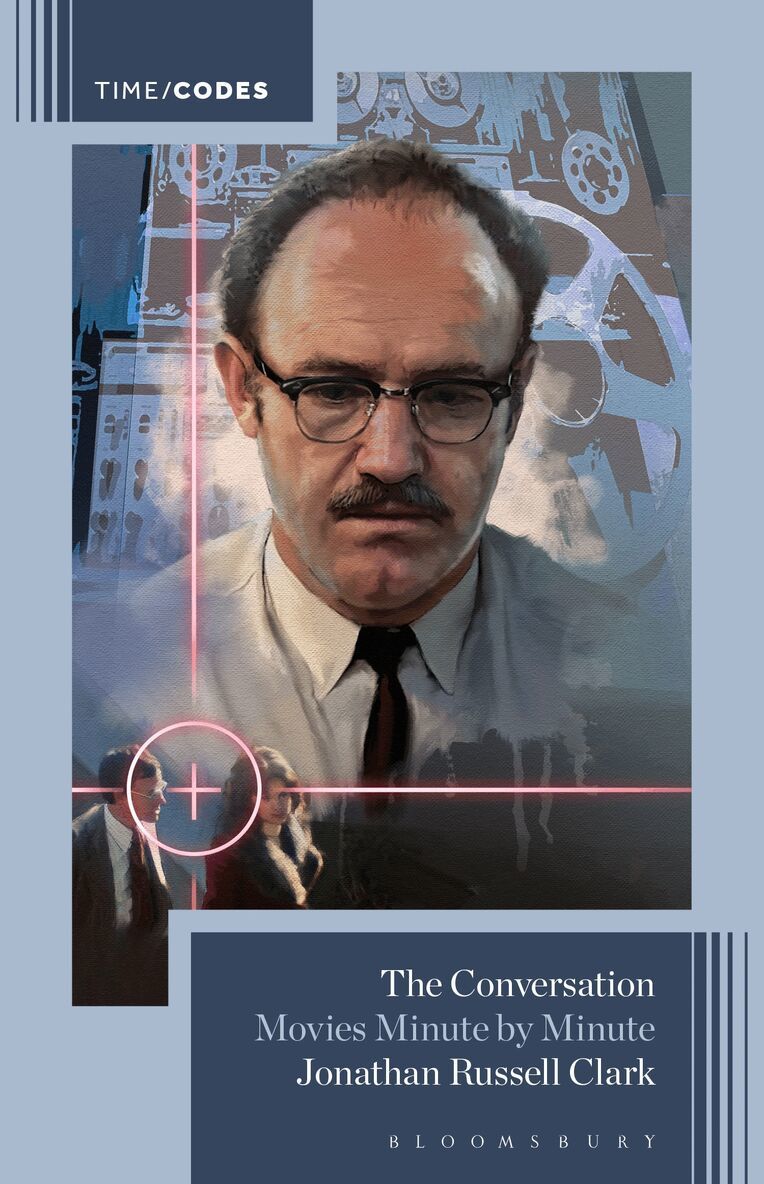
A minute-by-minute analysis of Francis Ford Coppola’s paranoid thriller The Conversation (1974). Blending film criticism with creative nonfiction, each book in the Timecodes series focuses on one film, exploring it minute by minute beginning with minute one, and ending with the final minute before the closing credits.When it was released, The Conversation depicted the isolation and loneliness caused by a surveillance state we ourselves, unwittingly or not, are agents in. It examined the ways in which technological progress can outpace the culture it ostensibly aids, and how our increased awareness of these increasingly undetectable innovations doesn’t necessarily help us avoid their lenses. Harry Caul, in an underrated performance by Gene Hackman, is the best in the bugging business, and yet, by the end, even he can’t figure out how he himself has been surveilled. It is a potent parable of Nixon’s America.50 years later, Coppola’s masterpiece didn’t just record the spirit of the age, he also had an ear toward the future, as The Conversation also managed to prefigure the isolated reactionaries of the internet, with Gene Hackman’s Harry Caul as a kind of pre-digital online troll whose self-righteousness and interpersonal failings shape his reactionary interpretation of events in which he’s only a peripheral participant. Harry both predicts the behavior of social media bullies and bots but also definitively shows that the internet did not create these characters; it merely amplifies them.Ultimately, The Conversation: Movies Minute by Minute shows how Coppola’s taut narrative of ambiguity, paranoia, and subjectivity is utterly a movie of its moment and yet has reverberated long after its release in a way few films ever do.
1 265 kr
Kommande
A minute-by-minute analysis of Francis Ford Coppola’s paranoid thriller The Conversation (1974). Blending film criticism with creative nonfiction, each book in the Timecodes series focuses on one film, exploring it minute by minute beginning with minute one, and ending with the final minute before the closing credits.When it was released, The Conversation depicted the isolation and loneliness caused by a surveillance state we ourselves, unwittingly or not, are agents in. It examined the ways in which technological progress can outpace the culture it ostensibly aids, and how our increased awareness of these increasingly undetectable innovations doesn’t necessarily help us avoid their lenses. Harry Caul, in an underrated performance by Gene Hackman, is the best in the bugging business, and yet, by the end, even he can’t figure out how he himself has been surveilled. It is a potent parable of Nixon’s America.50 years later, Coppola’s masterpiece didn’t just record the spirit of the age, he also had an ear toward the future, as The Conversation also managed to prefigure the isolated reactionaries of the internet, with Gene Hackman’s Harry Caul as a kind of pre-digital online troll whose self-righteousness and interpersonal failings shape his reactionary interpretation of events in which he’s only a peripheral participant. Harry both predicts the behavior of social media bullies and bots but also definitively shows that the internet did not create these characters; it merely amplifies them.Ultimately, The Conversation: Movies Minute by Minute shows how Coppola’s taut narrative of ambiguity, paranoia, and subjectivity is utterly a movie of its moment and yet has reverberated long after its release in a way few films ever do.
259 kr
Skickas inom 7-10 vardagar
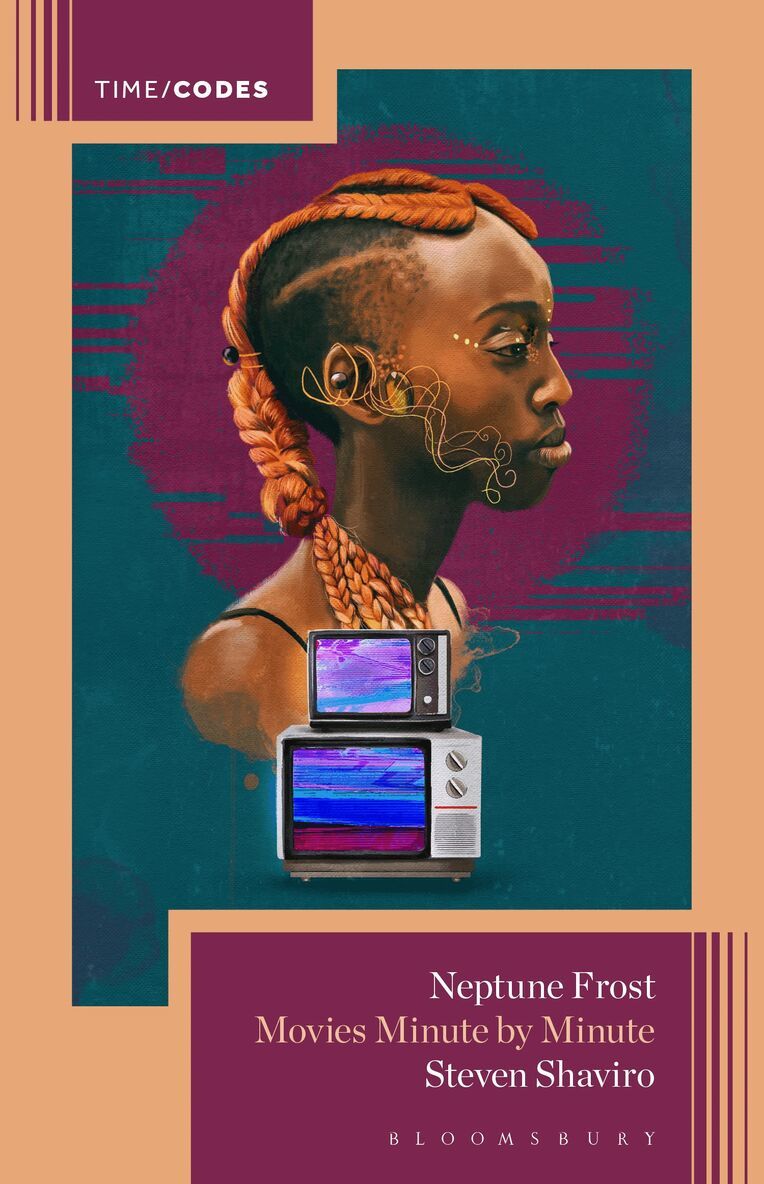
A minute-by-minute analysis of Anisia Uzeyman’s and Saul Williams’ film, Neptune Frost (2021).This book traces the complex structure of the film, working through its rich tapestry of images and sounds while exploring its dual themes of resource exploitation and extraction and gender oppression. Neptune Frost shows how Africa stands at both ends of the production cycle: minerals are mined from the soil and sent to the West to make electronic devices, and the detritus of broken and obsolete devices is ultimately sent back to Africa to be abandoned in waste dumps. An indigenous community of hackers establishes a utopian community in the midst of these wastes and seeks to seize power over the network. At the same time, the movie centers upon a trans character, who starts out as a man and then transitions into a woman. She flees patriarchal domination and abuse and, almost magically, embodies the counter-power of resistance. This is all conveyed in the unusual form of a science fiction musical. Visions of altered technology are extrapolated ever so slightly beyond what actually exists while song and dance convey the desires, dreams, and solidarities of characters who are rarely given voice in more mainstream cinema. The movie gives accessible human and more-than-human expression to the usually hidden forces that lie beneath the world we take for granted.
871 kr
Kommande
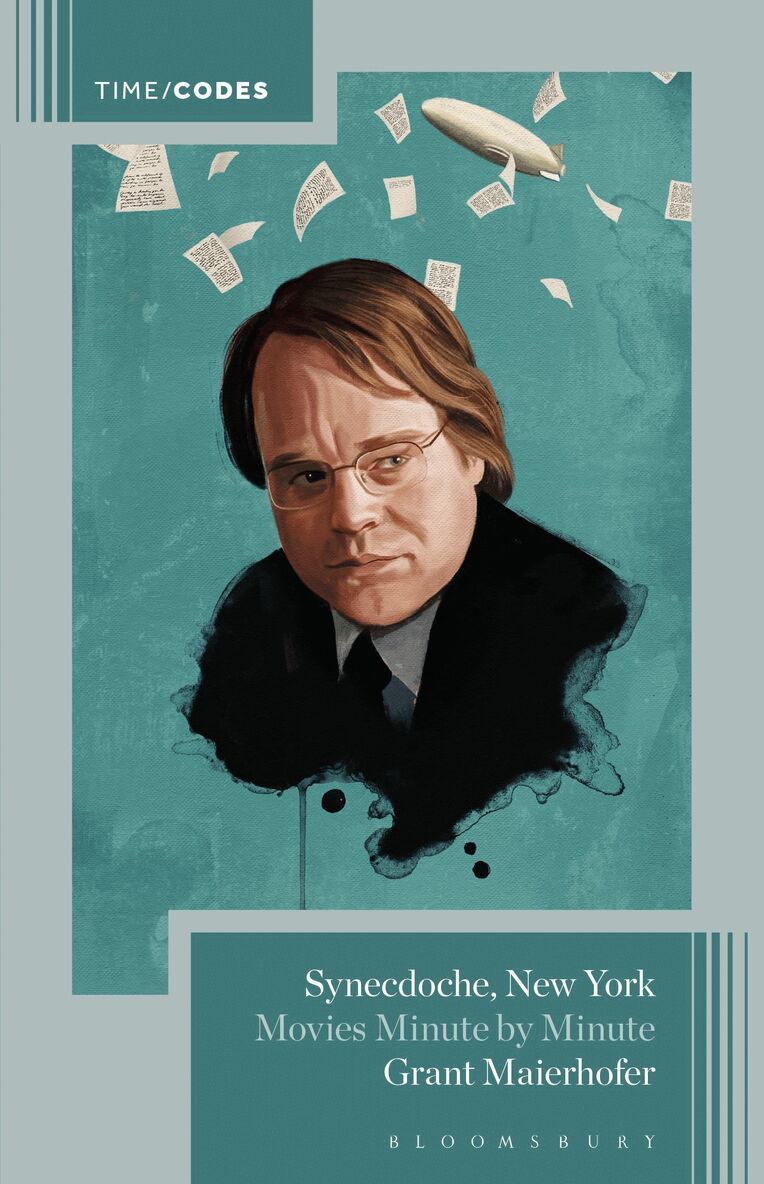
A minute-by-minute analysis of Charlie Kaufman’s Synecdoche, New York (2008).Blending film criticism with creative nonfiction, each book in the Timecodes series focuses on one film, exploring it minute by minute beginning with minute one, and ending with the final minute before the closing credits. In the canon of Charlie Kaufman written/directed films, which include Being John Malkovich, Adaptation, and Eternal Sunshine of the Spotless Mind, Synecdoche, New York is perhaps the purest distillation of his aesthetics as it follows the protagonist, Caden Cotard, a theater director who struggles with his work and women as he creates a life-size replica of New York City inside a warehouse as part of his new play. This book elevates this signature film to a higher place in the pantheon of Kaufman films with a nuanced, compassionate reading of a film that has a reputation for being removed and cold.
266 kr
Kommande
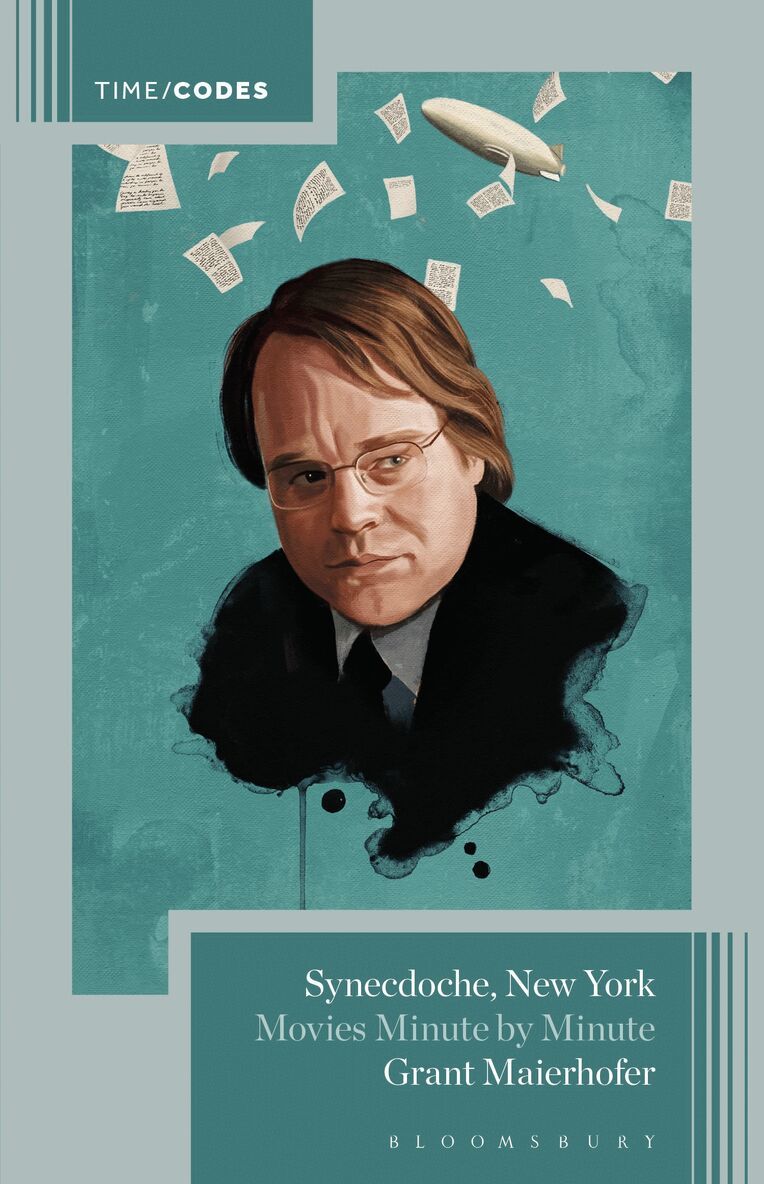
A minute-by-minute analysis of Charlie Kaufman’s Synecdoche, New York (2008).Blending film criticism with creative nonfiction, each book in the Timecodes series focuses on one film, exploring it minute by minute beginning with minute one, and ending with the final minute before the closing credits. In the canon of Charlie Kaufman written/directed films, which include Being John Malkovich, Adaptation, and Eternal Sunshine of the Spotless Mind, Synecdoche, New York is perhaps the purest distillation of his aesthetics as it follows the protagonist, Caden Cotard, a theater director who struggles with his work and women as he creates a life-size replica of New York City inside a warehouse as part of his new play. This book elevates this signature film to a higher place in the pantheon of Kaufman films with a nuanced, compassionate reading of a film that has a reputation for being removed and cold.