Jonathan Russell Clark – författare
Visar alla böcker från författaren Jonathan Russell Clark. Handla med fri frakt och snabb leverans.
6 produkter
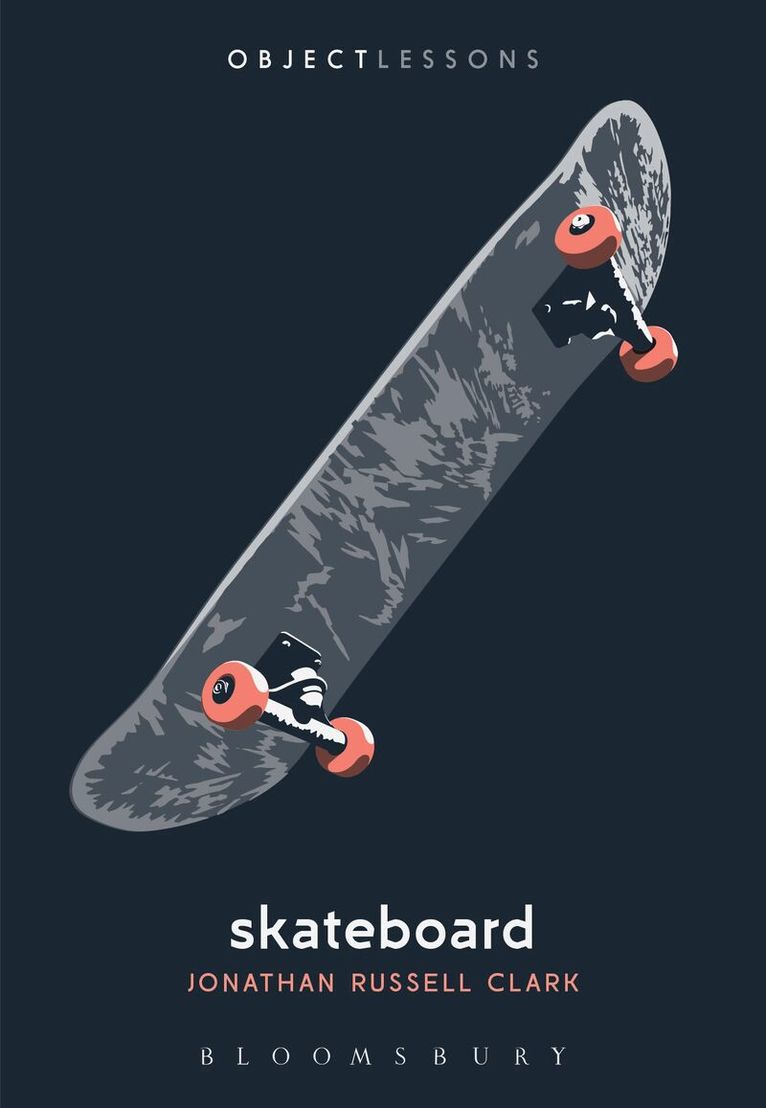
Skateboard
Av Jonathan Russell Clark, Ian Bogost m. fl.
Häftad, 2022
156 kr
Lägg i varukorg
Object Lessons is a series of short, beautifully designed books about the hidden lives of ordinary things.How did the skateboard go from a menacing fad to an Olympic sport? Writer and skateboarder Jonathan Russell Clark answers this question by going straight to the sources: the skaters, …
Skateboard
E-bok, 2022
161 kr
Lägg i varukorg
Object Lessons is a series of short, beautifully designed books about the hidden lives of ordinary things.How did the skateboard go from a menacing fad to an Olympic sport? Writer and skateboarder Jonathan Russell Clark answers this question by going straight to the sources: the skaters, …
Skateboard
E-bok, 2022
162 kr
Lägg i varukorg
Object Lessons is a series of short, beautifully designed books about the hidden lives of ordinary things.How did the skateboard go from a menacing fad to an Olympic sport? Writer and skateboarder Jonathan Russell Clark answers this question by going straight to the sources: the skaters, …
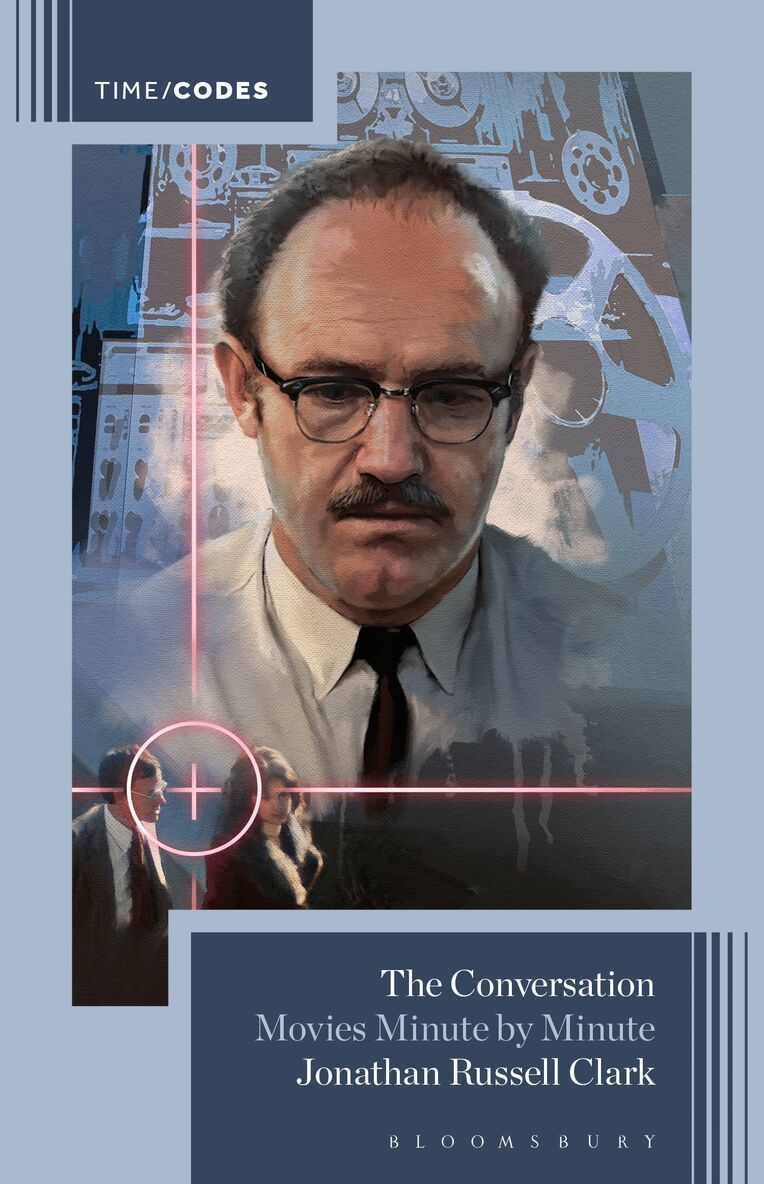
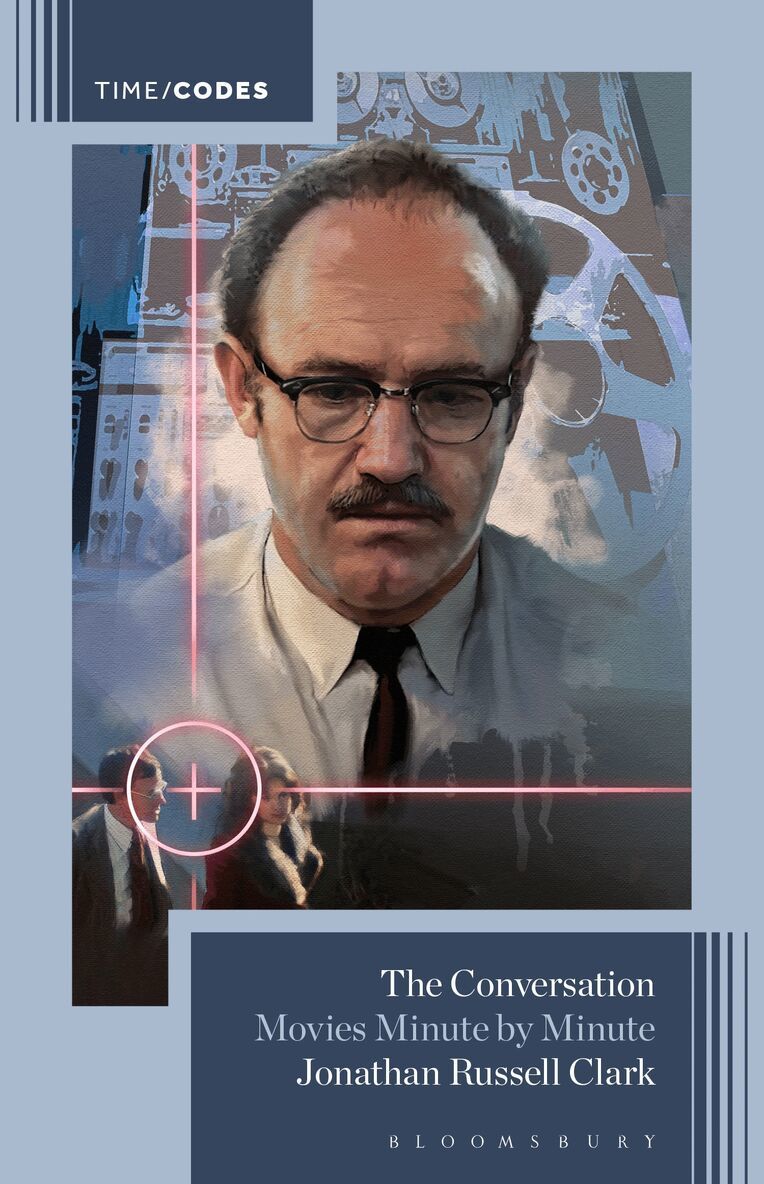
Conversation
Movies Minute by Minute
Av Jonathan Russell Clark, Nicholas Rombes m. fl.
Häftad, 2026
471 kr
Lägg i varukorg
A minute-by-minute analysis of Francis Ford Coppola’s paranoid thriller The Conversation (1974). Blending film criticism with creative nonfiction, each book in the Timecodes series focuses on one film, exploring it minute by minute beginning with minute one, and ending with the final minute before …
Conversation
Movies Minute by Minute
Av Jonathan Russell Clark, Nicholas Rombes m. fl.
Inbunden, 2026
907 kr
Lägg i varukorg
A minute-by-minute analysis of Francis Ford Coppola’s paranoid thriller The Conversation (1974). Blending film criticism with creative nonfiction, each book in the Timecodes series focuses on one film, exploring it minute by minute beginning with minute one, and ending with the final minute before …
Conversation
Movies Minute by Minute
E-bok, 2026
298 kr
Lägg i varukorg
A minute-by-minute analysis of Francis Ford Coppola's paranoid thriller The Conversation (1974). Blending film criticism with creative nonfiction, each book in the Timecodes series focuses on one film, exploring it minute by minute beginning with minute one, and ending with the final minute before …