• Fri frakt över 249 kr
  • •
  • Snabba leveranser
  • •
  • Billiga böcker
Kundservice

Du är på sajten för privatpersoner.

Företag, bibliotek eller offentlig verksamhet?

Du handlar på classic.bokus.com, där alla dina funktioner finns intakta.
Till classic.bokus.com
Bokus logotyp. Gå till startsidan.
  • Erbjudanden
  • Student
  • Topplistor
  • Barn & ungdom
  • Bokus Play
  • E-böcker
  • Ljudböcker
  • Pocketböcker
  • Spel och pussel

Pocketfynda! Hundratals böcker för 49 kr/st →

Sidfot

Mina sidor

    Hjälp

    • Kundservice
    • Vanliga frågor och svar
    • Frakt och leverans
    • Retur vid ångerrätt
    • Reklamera vara
    • Betalning
    • Köpvillkor
    • Allmänna villkor
    • Information om webbplatsens tillgänglighet

    Om Bokus

    • Om oss
    • Pressrum
    • För studenter
    • För företag
    • För bibliotek och offentlig verksamhet
    • För leverantörer
    • Hållbarhet

    Populärt

    • Aktuella erbjudanden
    • Presentkort
    • Studentlitteratur
    • Nya böcker
    • Topplistor
    • Signerade böcker
    • Engelska böcker

    Inspiration

    • Boktips
    • BookTok
    • Barnbokskaraktärer
    • Populära författare
    Logotyp för Bokus
    Följ oss på Facebook (extern länk)Följ oss på Instagram (extern länk)Följ oss på YouTube (extern länk)Följ oss på TikTok (extern länk)
    bokus @ CookiesAnpassa cookiesIntegritetspolicyKöpvillkor
    Till Citymail hemsida (extern länk)Till Budbee hemsida (extern länk)Till Postnord hemsida (extern länk)Till Schenker hemsida (extern länk)Till Early Bird hemsida (extern länk)Till Walleys hemsida (extern länk)
    1. Kultur
    2. Scenkonst och film
    3. Film

    Cinema in the Digital Age

    AvNicholas Rombes

    Häftad, Engelska, 2017

    593 kr

    Beställningsvara. Skickas inom 3-6 vardagar. Fri frakt över 249 kr.

    Fler format och utgåvor

    Inbunden

    916 kr

    E-bok

    286 kr

    Beskrivning

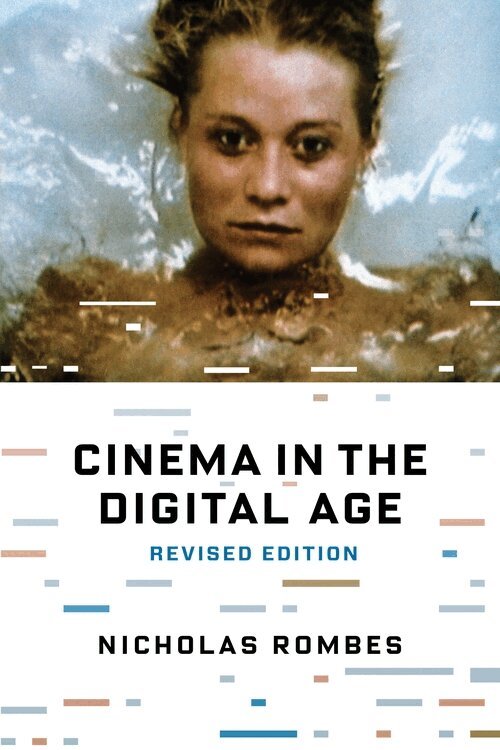
    Have digital technologies transformed cinema into a new art, or do they simply replicate and mimic analogue, film-based cinema? Newly revised and expanded to take the latest developments into account, Cinema in the Digital Age examines the fate of cinema in the wake of the digital revolution. Nicholas Rombes considers Festen (1998), The Blair Witch Project (1999), Timecode (2000), Russian Ark (2002), and The Ring (2002), among others. Haunted by their analogue pasts, these films are interested not in digital purity but rather in imperfection and mistakes-blurry or pixilated images, shaky camera work, and other elements that remind viewers of the human behind the camera. With a new introduction and new material, this updated edition takes a fresh look at the historical and contemporary state of digital cinema. It pays special attention to the ways in which nostalgia for the look and feel of analogue disrupts the aesthetics of the digital image, as well as how recent films such as The Social Network (2010) and The Girl with the Dragon Tattoo (2011)-both shot digitally-have disguised and erased their digital foundations.The book also explores new possibilities for writing about and theorizing film, such as randomization.

    Produktinformation

    • Utgivningsdatum:2017-12-19
    • Mått:152 x 229 x 15 mm
    • Vikt:388 g
    • Format:Häftad
    • Språk:Engelska
    • Antal sidor:280
    • Upplaga:2
    • Förlag:Columbia University Press
    • ISBN:9780231167550

    Utforska kategorier

    • Film inom Kultur

    Mer om författaren

    Nicholas Rombes is professor of English at the University of Detroit Mercy. He is the author of several books on cinema and punk, including The Ramones (2005), and editor of New Punk Cinema (2005). He also directed the feature-length lo-fi paranoid thriller The Removals (2016).

    Recensioner i media

    Over the last several decades, digital technologies have profoundly changed the ways that movies are made, as well as the ways that we watch them. But these changes are neither simple nor straightforward. In Cinema in the Digital Age, Nicholas Rombes surveys these changes with a kaleidoscopic collage of observations, suggestions, and extrapolations.

    Innehållsförteckning

    • AcknowledgmentsPreface to the Revised EditionPreface1. Accelerationism2. The Adorno Paradox3. Against Method4. Analog/Digital Splice5. Blood, Simple6. Boredom and Analog Nostalgia7. The Digital Spectacular8. Disposable Aesthetics9. DV Humanism10. Filmless Films11. Frame Dragging12. The Ideology of the Long Take13. Image/Text14. Incompleteness15. Interfaces16. iPod Experiment17. Ironic Mode18. Looking at Yourself Looking: Avatar as Spectator19. The Lost Underground20. Love in the Time of Fragments21. Media as Its Own Theory22. Mobile Viewing23. Moving Space in the Frame, and a Note on Film Theory24. Natural Time25. Nonlinear26. Paranormal Activity 227. Pausing28. Punk29. Realism30. Real Time31. The Real You32. The Reality Industrial Complex33. Remainders34. Sampling35. Secondary Becomes Primary36. Self-Deconstructing Narratives37. Shaky Camera38. Shoot!39. Simultaneous Cinema40. Small Screens41. Target Video42. Time, Memory43. Time-Shifting44. Timesis: Skimming and Skipping45. Undirected Films46. Viewer Participation47. Virtual Humanism: Part 148. Virtual Humanism: Part 249. Visible Language, Spring 197750. Interpreting Film Images Through Randomized Constraint: The Blue Velvet ProjectFilmographyBibliography