John Baines - Böcker
Visar alla böcker från författaren John Baines. Handla med fri frakt och snabb leverans.
11 produkter
11 produkter
2 707 kr
Skickas inom 5-8 vardagar
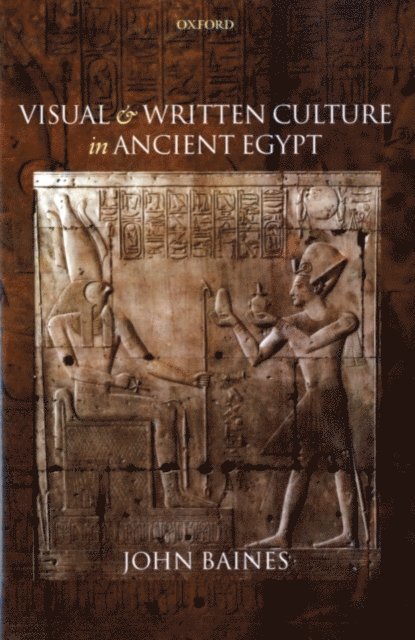
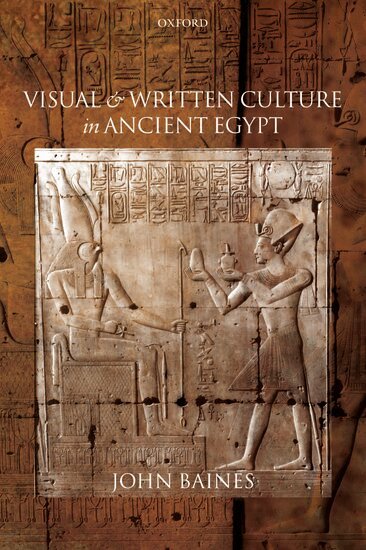
A generously illustrated selection of John Baines's influential writings on two core areas of ancient Egyptian civilization: the role of writing, which was very different in antiquity from what is familiar in the modern world, and the importance of visual culture. These questions are explored through a number of case studies. The volume assembles articles that were scattered in publications in a variety of disciplines, making available key contributions on core problems of theory, comparison, and analysis in the study of many civilizations and offering important points of departure for further research. Three wholly new essays are included, and the overall approach is an interdisciplinary one, synthesizing insights from archaeology, anthropology, and art history as well as Egyptology.
1 071 kr
Skickas inom 7-10 vardagar
A generously illustrated selection of John Baines's influential writings on two core areas of ancient Egyptian civilization: the role of writing, which was very different in antiquity from what is familiar in the modern world, and the importance of visual culture. These questions are explored through a number of case studies. The volume assembles articles that were scattered in publications in a variety of disciplines, making available key contributions on core problems of theory, comparison, and analysis in the study of many civilizations and offering important points of departure for further research. Three wholly new essays are included, and the overall approach is an interdisciplinary one, synthesizing insights from archaeology, anthropology, and art history as well as Egyptology.
358 kr
Kommande
380 kr
Skickas inom 5-8 vardagar
258 kr
Skickas inom 5-8 vardagar
712 kr
Skickas inom 5-8 vardagar
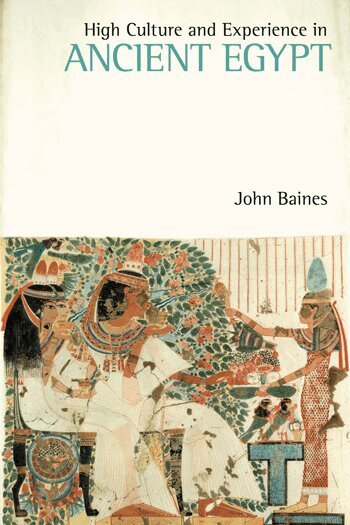
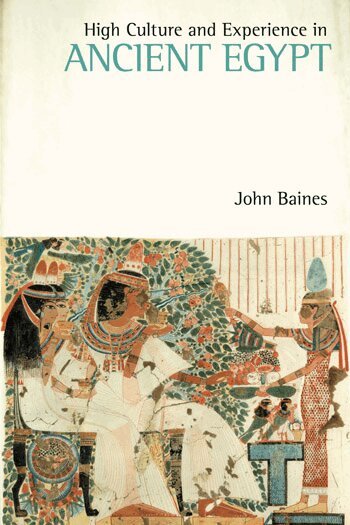
This novel work uses case studies of both familiar and unfamiliar materials, expanding consideration of ancient Egyptian elite culture to encompass lived experience and exploitation of the natural environment.The opening chapter sets out the conceptual ground for the analyses that follow, arguing that the relatively ephemeral activities under investigation were centrally important to the actors. The first and largest study treats human organization of the landscape and its use to create and transmit elite meanings, especially through pictorial and encyclopaedic forms, and to mobilize emotional values. Next, a treatment of the planning of primarily third millennium settlements on the floodplain argues that Egypt offers a partly rural perspective that provides an alternative to the urban focus of many early civilizations but has parallels in elite culture in much of the world. The third study discusses how a single year's events were orchestrated to culminate in a celebratory hunt in which the king, his court, and high officials participated.The concluding chapter presents an initial synthesis of Egyptian treatments of elite experience, drawing in particular upon additional evidence from literary texts and attitudes to travel.
1 531 kr
Skickas inom 5-8 vardagar
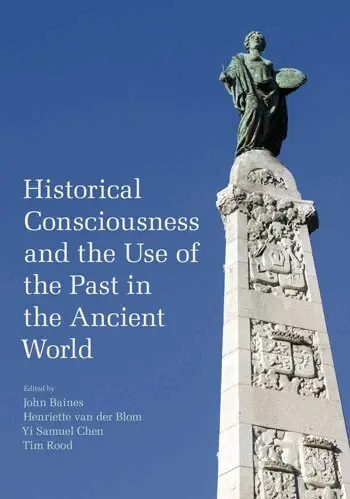
Historical Consciousness and the Use of the Past in the Ancient World offers linked essays on uses of the past in prominent and diverse cultures in ancient civilizations across the world. The contributors are leading experts in Ancient Near Eastern Studies, Sinology, Biblical Studies, Classics, and Maya Studies. This volume addresses crucial questions in current scholarship on historical consciousness and historiography. These questions include the formation of different traditions and the manifold uses of the past in particular socio-political contexts or circumstances; the ways in which these traditions and these types of cultural memory informed or contributed to the rise of more formal modes of historiography; interactions between formal modes of historiography and other traditions of historical consciousness during their transmission; and the implications of such interactions for cultural heritage, collective memory, and later understandings of history. The chapters discuss many questions relating to the volume's theme: theoretical and methodological approaches to ancient material; intellectual, didactic, and social circumstances and institutions; ideological motivations behind, and social functions of, interactions; conceptual, narratological, and literary processes and mechanisms such as synchronism, sequencing of events, periodization, mythological prologues, aetiological motifs, genealogical and chronological schemes, geographical and ethnographical features, temporal and stylistic devices; interchanges between different temporal frameworks such as mythical, legendary, ritual, chronological; the extent and variety of interactions such as manifestations in visual arts, monuments, cultic activities, music and dramatic performance; physical or textual channels for dissemination and transmission; stages and periods of interaction in different cultures, authors, and texts; convention and innovation; differences and relationships between scholarly and popular conceptions of history; and exchanges between local traditions and ones with a global perspective. By taking an interdisciplinary approach, this volume situates the rise of formal modes of historiography within a larger context of the development of historical consciousness and a wider web of intercommunicating discourses. It also uncovers intellectual processes, literary mechanisms, and social institutions involved in the construction of history. During its construction, while many local traditions persisted, some ancients gradually went beyond the temporal and spatial limitations of their local traditions, arriving at a more extended and unified timespan, a wider geographical region, and a common origin.
574 kr
Skickas inom 5-8 vardagar
Historical Consciousness and the Use of the Past in the Ancient World offers linked essays on uses of the past in prominent and diverse cultures in ancient civilizations across the world. The contributors are leading experts in Ancient Near Eastern Studies, Sinology, Biblical Studies, Classics, and Maya Studies.This volume addresses crucial questions in current scholarship on historical consciousness and historiography. These questions include the formation of different traditions and the manifold uses of the past in particular socio-political contexts or circumstances; the ways in which these traditions and these types of cultural memory informed or contributed to the rise of more formal modes of historiography; interactions between formal modes of historiography and other traditions of historical consciousness during their transmission; and the implications of such interactions for cultural heritage, collective memory, and later understandings of history.By taking an interdisciplinary approach, this volume situates the rise of formal modes of historiography within a larger context of developments in historical consciousness and a wider web of intercommunicating discourses. It also uncovers intellectual processes, literary mechanisms, and social institutions involved in the construction of history. During the construction of ancient historiographies, while many local traditions persisted, some ancients gradually went beyond the temporal and spatial limitations of their local traditions, arriving at a more extended and unified timespan, a wider geographical region, and a common origin.
1 451 kr
Skickas inom 5-8 vardagar
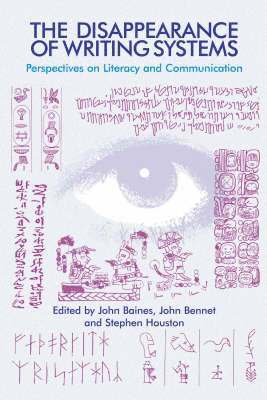
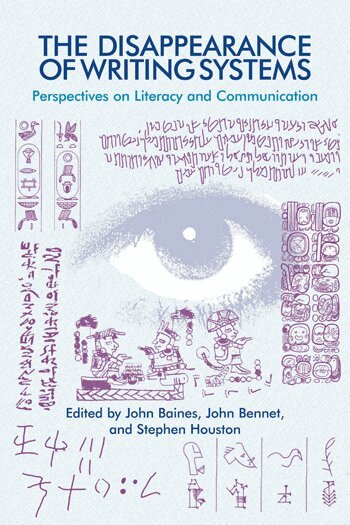
This volume gathers papers from the first conference ever to be held on the disappearance of writing systems, in Oxford in March 2004. While the invention and decipherment of writing systems have long been focuses of research, their eclipse or replacement have been little studied. Because writing is so important in many cultures and civilizations, its disappearance - followed by a period without it or by replacement by a different writing system - is of almost equal significance to invention as a mark of radical change. Probably more writing systems have disappeared than survived in the last five thousand years. Case studies from the Old and New Worlds are presented, ranging over periods from the first millennium BC to the present. In order to address many types of transmission, the broadest possible definition of 'writing' is used, notably including Mexican pictography and the Andean khipu system.One chapter discusses the larger proportion of known human societies which have not possessed complex material codes like writing, offering an alternative perspective on the long-term transmission of socially salient subjects.A concluding essay draws out common themes and offers an initial synthesis of results. This volume offers a new perspective on approaches to writing that will be significant for the understanding of writing systems and their social functions, literacy, memory, and high-cultural communication systems in general.
1 610 kr
Skickas inom 5-8 vardagar
This novel work uses case studies of both familiar and unfamiliar materials, expanding consideration of ancient Egyptian elite culture to encompass lived experience and exploitation of the natural environment. The opening chapter sets out the conceptual ground for the analyses that follow, arguing that the relatively ephemeral activities under investigation were centrally important to the actors. The first and largest study treats human organization of the landscape and its use to create and transmit elite meanings, especially through pictorial and encyclopaedic forms, and to mobilize emotional values. Next, a treatment of the planning of third millennium settlements on the floodplain argues that Egypt offers a partly rural perspective that provides an alternative to the urban focus of many early civilizations but has parallels in elite culture in much of the world. The third study discusses how a single year's events were orchestrated to culminate in a celebratory hunt in which the king, his court, and high officials participated.The concluding chapter presents an initial synthesis of Egyptian treatments of elite experience, drawing upon additional evidence in particular from literary texts and attitudes to travel. Throughout the book, aesthetics and the cultivation of pleasure and delight are emphasized as essential to ancient elite life.
414 kr
Skickas inom 5-8 vardagar
This volume gathers papers from the first conference ever to be held on the disappearance of writing systems, in Oxford in March 2004. While the invention and decipherment of writing systems have long been focuses of research, their eclipse or replacement have been little studied. Because writing is so important in many cultures and civilizations, its disappearance - followed by a period without it or by replacement by a different writing system - is of almost equal significance to invention as a mark of radical change. Probably more writing systems have disappeared than survived in the last five thousand years. Case studies from the Old and New Worlds are presented, ranging over periods from the first millennium BC to the present. In order to address many types of transmission, the broadest possible definition of 'writing' is used, notably including Mexican pictography and the Andean khipu system. One chapter discusses the larger proportion of known human societies which have not possessed complex material codes like writing, offering an alternative perspective on the long-term transmission of socially salient subjects.There is a concluding essay that draws out common themes and offers an initial synthesis of results. The volume offers a new perspective on approaches to writing that will be significant for the understanding of writing systems and their social functions, literacy, memory, and high-cultural communication systems in general.