John Bessler – författare
Visar alla böcker från författaren John Bessler. Handla med fri frakt och snabb leverans.
5 produkter
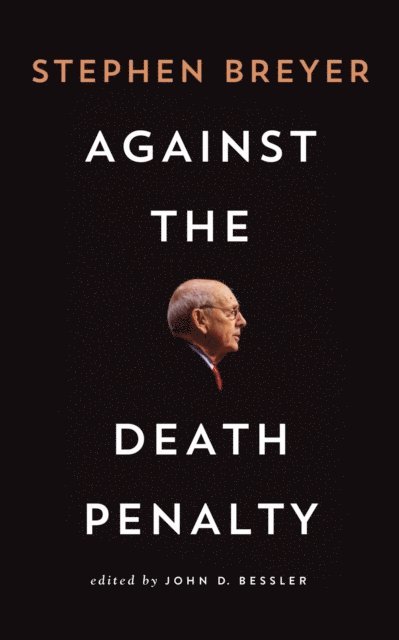
Against the Death Penalty
Av Stephen Breyer, John Bessler
E-bok, 2016
183 kr
Lägg i varukorg
A landmark dissenting opinion arguing against the death penalty. Does the death penalty violate the Constitution? In Against the Death Penalty , Justice Stephen Breyer argues that it does; that it is carried out unfairly and inconsistently and, thus, violates the ban on ""cruel and unusual …
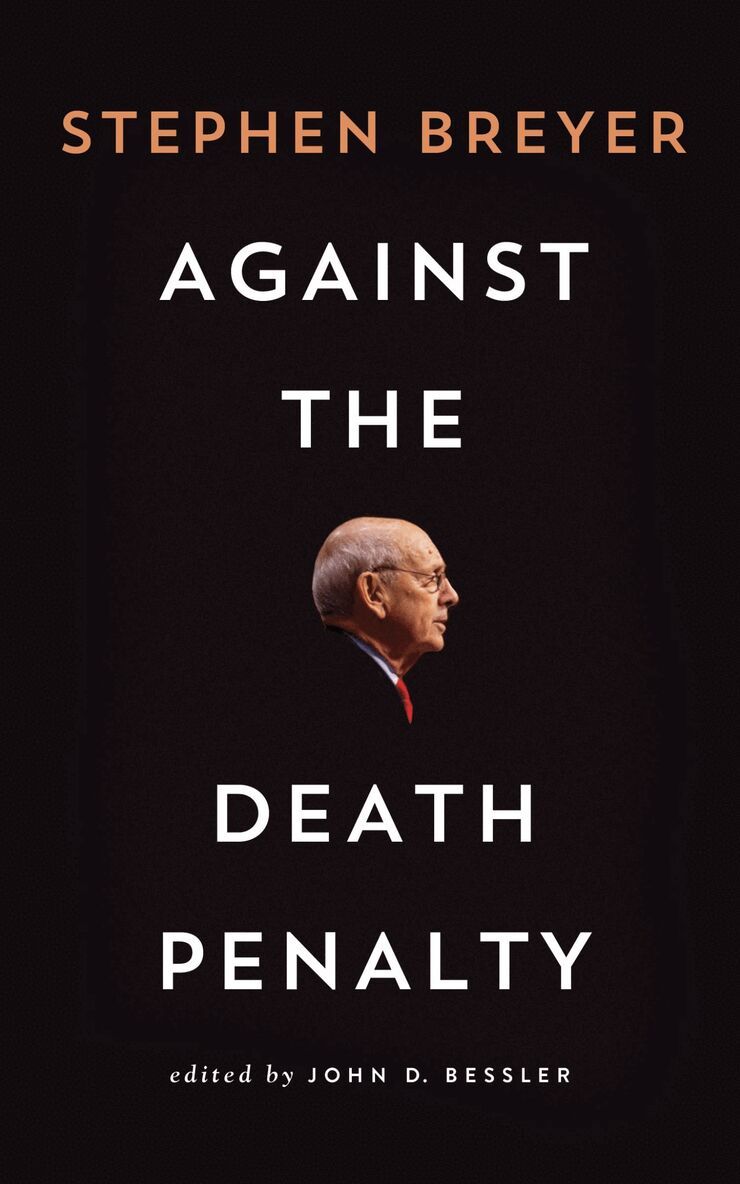
Against the Death Penalty
Av Stephen Breyer, John Bessler
Häftad, 2023
190 kr
Lägg i varukorg
A landmark dissenting opinion arguing against the death penalty.Does the death penalty violate the Constitution? In Against the Death Penalty, Justice Stephen Breyer argues that it does; that it is carried out unfairly and inconsistently and, thus, violates the ban on ""cruel and unusual …
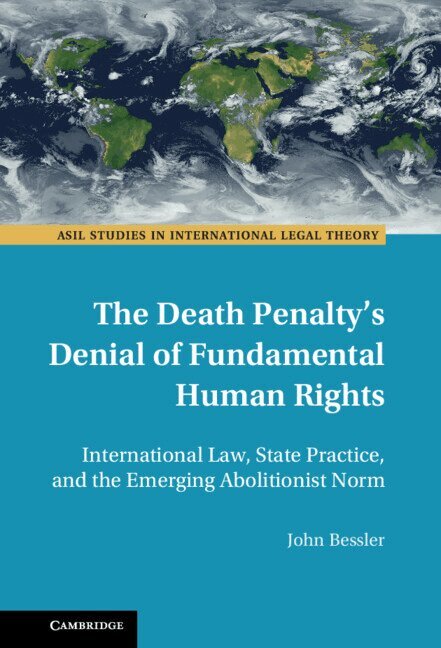
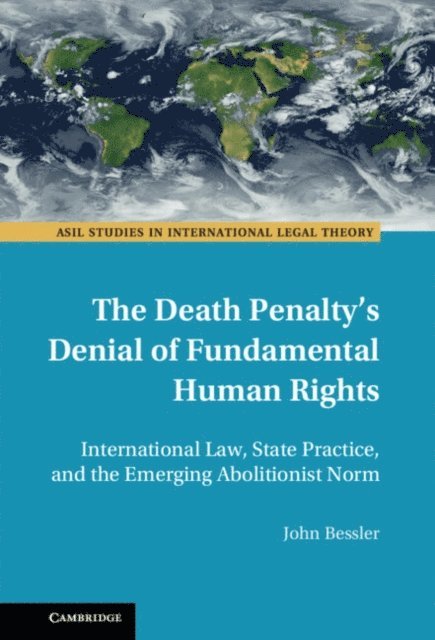
The Death Penalty's Denial of Fundamental Human Rights
International Law, State Practice, and the Emerging Abolitionist Norm
Av John Bessler
Inbunden, 2022
1686 kr
Lägg i varukorg
The Death Penalty's Denial of Fundamental Human Rights details how capital punishment violates universal human rights-to life; to be free from torture and other forms of cruelty; to be treated in a non-arbitrary, non-discriminatory manner; and to dignity. In tracing the evolution of the world's …
Death Penalty's Denial of Fundamental Human Rights
International Law, State Practice, and the Emerging Abolitionist Norm
Av John Bessler
E-bok, 2022
1709 kr
Lägg i varukorg
The Death Penalty''s Denial of Fundamental Human Rights details how capital punishment violates universal human rights-to life; to be free from torture and other forms of cruelty; to be treated in a non-arbitrary, non-discriminatory manner; and to dignity. In tracing the evolution of the world''s …
Death Penalty's Denial of Fundamental Human Rights
International Law, State Practice, and the Emerging Abolitionist Norm
Av John Bessler
E-bok, 2022
1709 kr
Lägg i varukorg
The Death Penalty''s Denial of Fundamental Human Rights details how capital punishment violates universal human rights-to life; to be free from torture and other forms of cruelty; to be treated in a non-arbitrary, non-discriminatory manner; and to dignity. In tracing the evolution of the world''s …