John Bongaarts - Böcker
Visar alla böcker från författaren John Bongaarts. Handla med fri frakt och snabb leverans.
5 produkter
5 produkter
646 kr
Tillfälligt slut
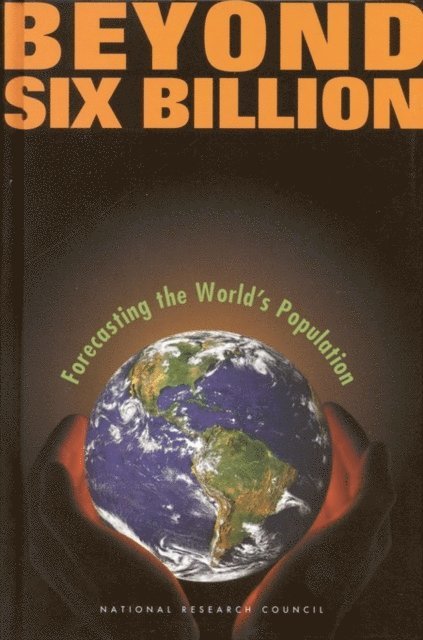
Is rapid world population growth actually coming to an end? As population growth and its consequences have become front-page issues, projections of slowing growth from such institutions as the United Nations and the World Bank have been called into question. Beyond Six Billion asks what such projections really say, why they say it, whether they can be trusted, and whether they can be improved. The book includes analysis of how well past U.N. and World Bank projections have panned out, what errors have occurred, and why they have happened. Focusing on fertility as one key to accurate projections, the committee examines the transition from high, constant fertility to low fertility levels and discusses whether developing countries will eventually attain the very low levels of births now observed in the industrialized world. Other keys to accurate projections, predictions of lengthening life span and of the impact of international migration on specific countries, are also explored in detail. How good are our methods of population forecasting? How can we cope with the inevitable uncertainty? What population trends can we anticipate?Beyond Six Billion illuminates not only the forces that shape population growth but also the accuracy of the methods we use to quantify these forces and the uncertainty surrounding projections. The Committee on Population was established by the National Academy of Sciences (NAS) in 1983 to bring the knowledge and methods of the population sciences to bear on major issues of science and public policy. The committee's work includes both basic studies of fertility, health and mortality, and migration; and applied studies aimed at improving programs for the public health and welfare in the United States and in developing countries. The committee also fosters communication among researchers in different disciplines and countries and policy makers in government, international agencies, and private organizations. The work of the committee is made possible by funding from several government agencies and private foundations.
646 kr
Tillfälligt slut
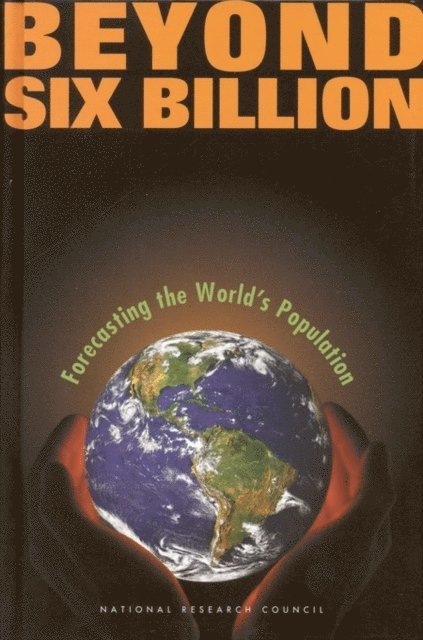
Is rapid world population growth actually coming to an end? As population growth and its consequences have become front-page issues, projections of slowing growth from such institutions as the United Nations and the World Bank have been called into question.Beyond Six Billion asks what such projections really say, why they say it, whether they can be trusted, and whether they can be improved. The book includes analysis of how well past U.N. and World Bank projections have panned out, what errors have occurred, and why they have happened.Focusing on fertility as one key to accurate projections, the committee examines the transition from high, constant fertility to low fertility levels and discusses whether developing countries will eventually attain the very low levels of births now observed in the industrialized world. Other keys to accurate projections, predictions of lengthening life span and of the impact of international migration on specific countries, are also explored in detail.How good are our methods of population forecasting? How can we cope with the inevitable uncertainty? What population trends can we anticipate? Beyond Six Billion illuminates not only the forces that shape population growth but also the accuracy of the methods we use to quantify these forces and the uncertainty surrounding projections.The Committee on Population was established by the National Academy of Sciences (NAS) in 1983 to bring the knowledge and methods of the population sciences to bear on major issues of science and public policy. The committee's work includes both basic studies of fertility, health and mortality, and migration; and applied studies aimed at improving programs for the public health and welfare in the United States and in developing countries. The committee also fosters communication among researchers in different disciplines and countries and policy makers in government, international agencies, and private organizations. The work of the committee is made possible by funding from several government agencies and private foundations.
334 kr
Skickas inom 10-15 vardagar
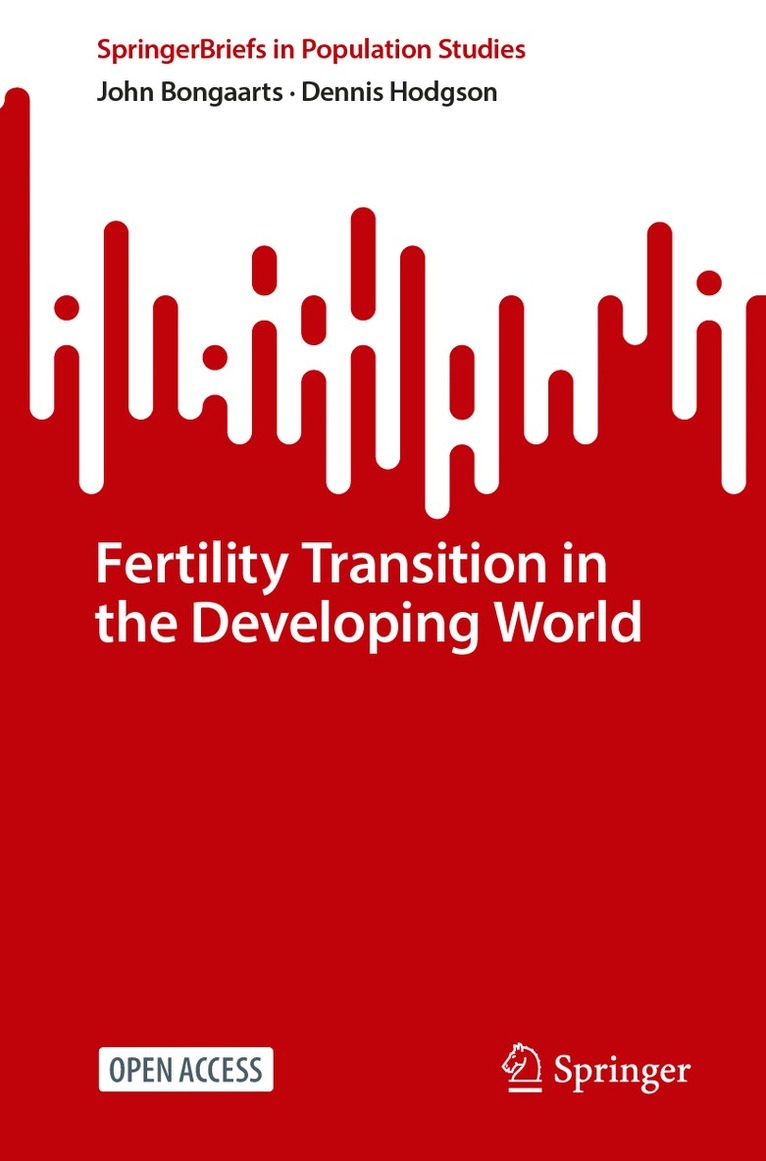
This open access book provides an overview and analysis of the causes and consequences of the massive and highly consequential transition in reproductive behaviour that occurred in Asia, Latin America, and Africa since the mid-20th century.
1 064 kr
Skickas inom 10-15 vardagar
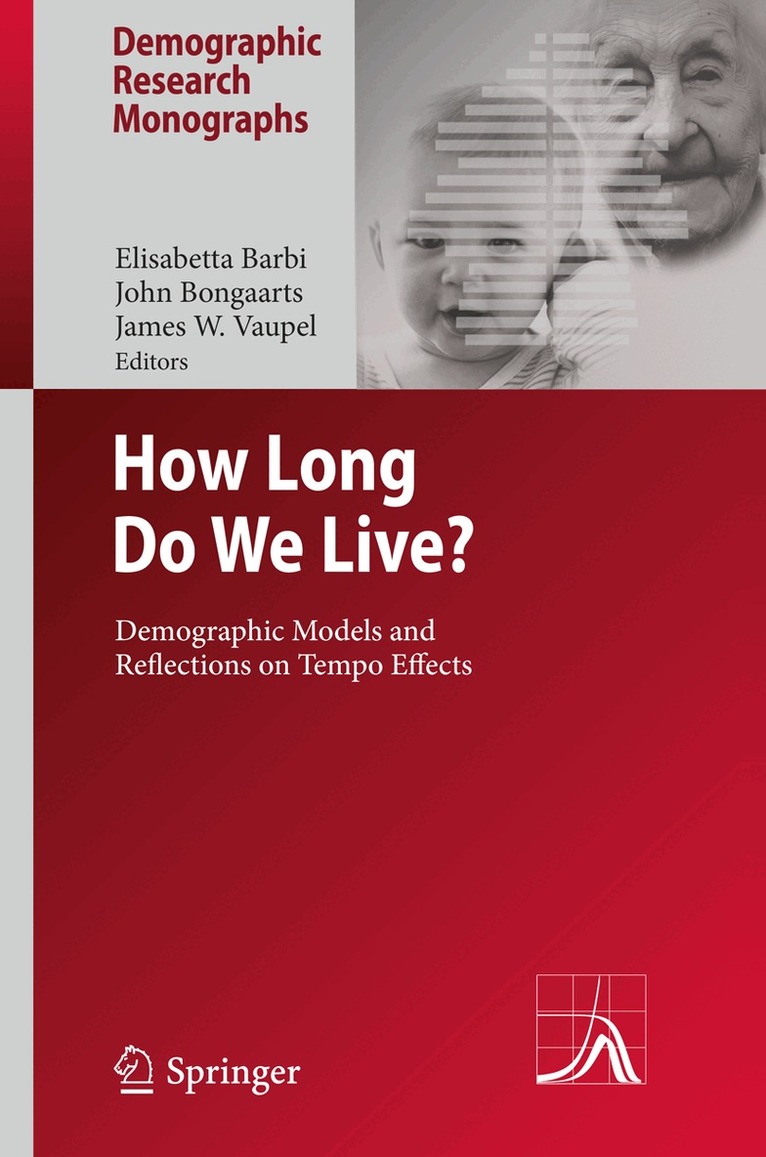
How should life expectancy be calculated? More generally, how should life - bles be estimated? Since John Graunt's pioneering contribution, read before theRoyalSocietyofLondonat6p. m. onthe27thofFebruary1661,demog- phers have developed better and better methods. Some concerns were raised, including concerns about how to deal with heterogeneous populations p- lished in an article inDemography in 1979 that I wrote with Kenneth Manton and Eric Stallard. Yet, a few years ago nearly all demographers believed that as long as the underlying population and death counts were accurate, then lifetables could be reliably estimated. John Bongaarts and Gri? Feeney launched a revolutionary assault on this dogma. Two key contributions by them are reprinted in Part I of this mo- graph. Some very good demographers agreed, as least in part, with B- gaarts' and Feeney's radical argument that when death rates are changing, then tempo e?ects distort conventional calculations of life expectancy. Other very good demographers disagreed.So John Bongaarts and I brought some leading demographers together in a research meeting, co-sponsored by the Max Planck Institute for Demographic Research and the Population Co- cil and held in New York City on November 18 and 19, 2004. Many of the papers discussed at the workshop, generally after considerable revision, were published in Demographic Research in 2005 and 2006. Nine of these articles, in some cases somewhat revised, are published in this monograph: they are the ?rst seven chapters in Part II and the two chapters in Part III.
1 064 kr
Skickas inom 10-15 vardagar
How should life expectancy be calculated? More generally, how should life - bles be estimated? Since John Graunt's pioneering contribution, read before theRoyalSocietyofLondonat6p. m. onthe27thofFebruary1661,demog- phers have developed better and better methods. Some concerns were raised, including concerns about how to deal with heterogeneous populations p- lished in an article inDemography in 1979 that I wrote with Kenneth Manton and Eric Stallard. Yet, a few years ago nearly all demographers believed that as long as the underlying population and death counts were accurate, then lifetables could be reliably estimated. John Bongaarts and Gri? Feeney launched a revolutionary assault on this dogma. Two key contributions by them are reprinted in Part I of this mo- graph. Some very good demographers agreed, as least in part, with B- gaarts' and Feeney's radical argument that when death rates are changing, then tempo e?ects distort conventional calculations of life expectancy. Other very good demographers disagreed.So John Bongaarts and I brought some leading demographers together in a research meeting, co-sponsored by the Max Planck Institute for Demographic Research and the Population Co- cil and held in New York City on November 18 and 19, 2004. Many of the papers discussed at the workshop, generally after considerable revision, were published in Demographic Research in 2005 and 2006. Nine of these articles, in some cases somewhat revised, are published in this monograph: they are the ?rst seven chapters in Part II and the two chapters in Part III.