John Craig Hammond – författare
Visar alla böcker från författaren John Craig Hammond. Handla med fri frakt och snabb leverans.
8 produkter
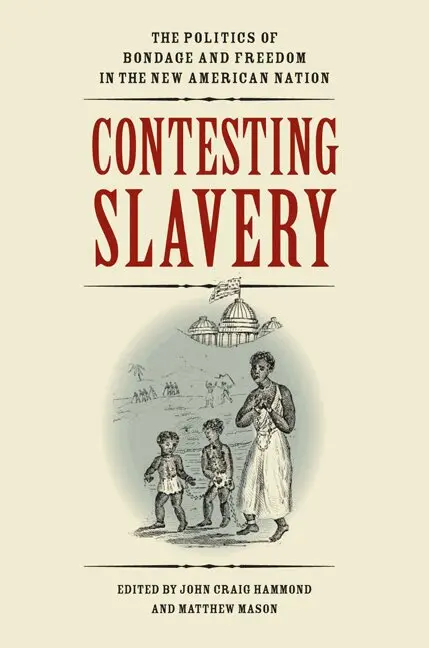
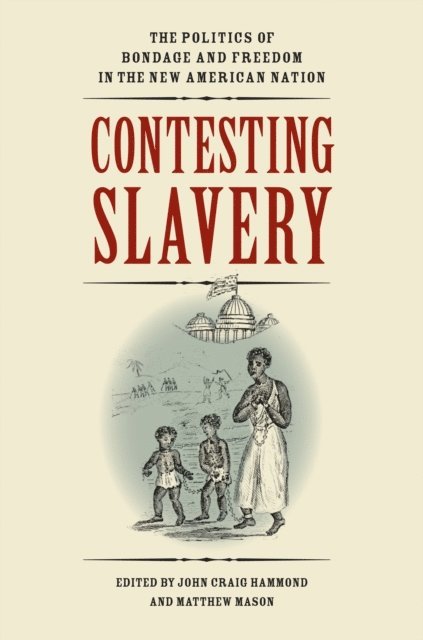
Contesting Slavery
The Politics of Bondage and Freedom in the New American Nation (Jeffersonian America (Paperback))
Av Hammond, John Craig Hammond m. fl.
Häftad, 2012
339 kr
Lägg i varukorg
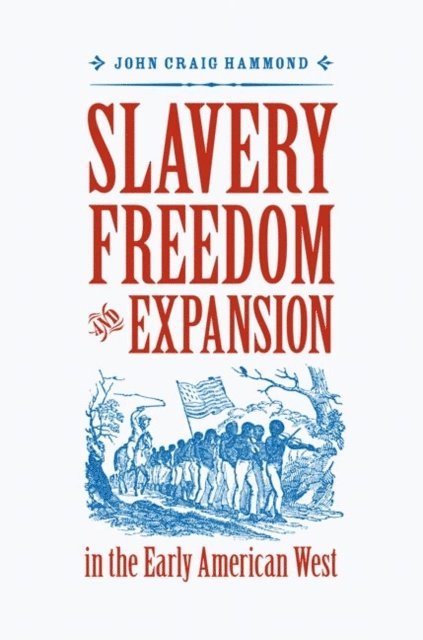
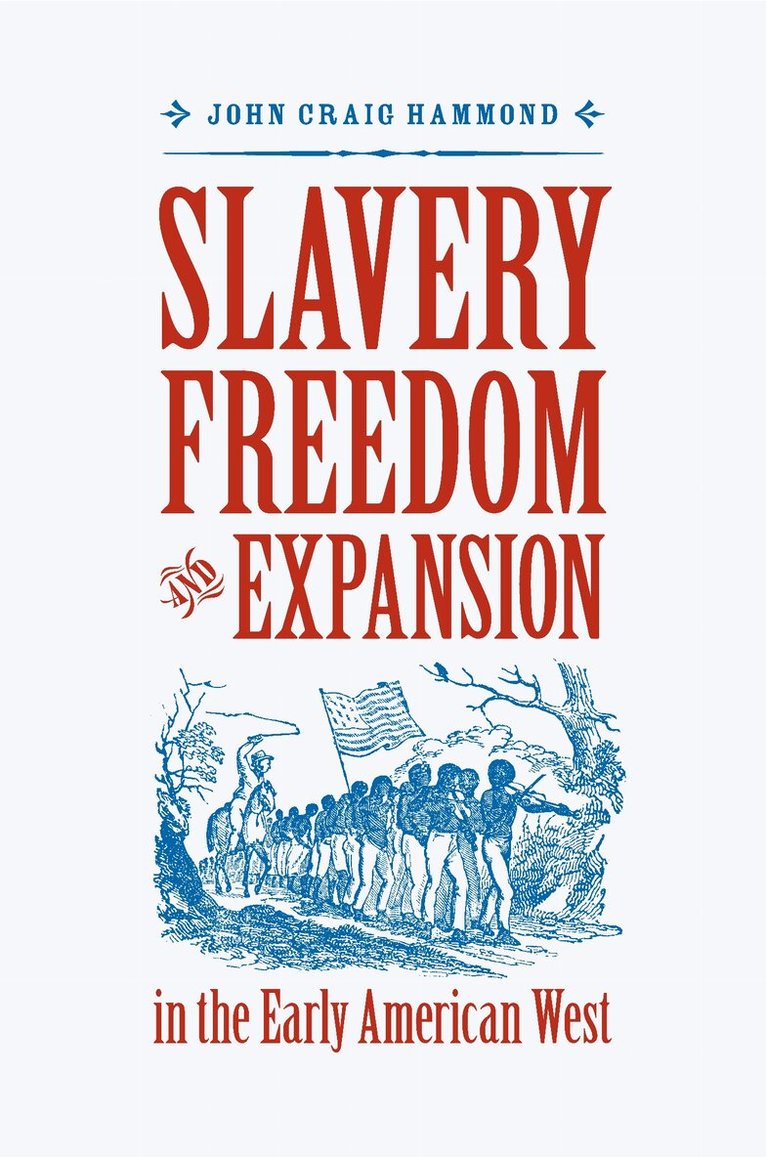
Slavery, Freedom, and Expansion in the Early American West
Inbunden, 2007
492 kr
Lägg i varukorg
Most treatments of slavery, politics, and expansion in the early American republic focus narrowly on congressional debates and the inaction of elite ""founding fathers"" such as Thomas Jefferson and James Madison. In ""Slavery, Freedom, and Expansion in the Early American West"", John Craig Hammond …
Contesting Slavery
The Politics of Bondage and Freedom in the New American Nation
Av Matthew Mason, John Craig Hammond
E-bok, 2011
448 kr
Lägg i varukorg
Recent scholarship on slavery and politics between 1776 and 1840 has wholly revised historians’ understanding of the problem of slavery in American politics. Contesting Slavery builds on the best of that literature to reexamine the politics of slavery in revolutionary America and the early …
Slavery, Freedom, and Expansion in the Early American West
E-bok, 2020
742 kr
Lägg i varukorg
Most treatments of slavery, politics, and expansion in the early American republic focus narrowly on congressional debates and the inaction of elite "founding fathers" such as Thomas Jefferson and James Madison. In Slavery, Freedom, and Expansion in the Early American West , John Craig Hammond …
Slavery, Freedom, and Expansion in the Early American West
Häftad, 2024
400 kr
Lägg i varukorg
Most treatments of slavery, politics, and expansion in the early American republic focus narrowly on congressional debates and the inaction of elite "founding fathers" such as Thomas Jefferson and James Madison. In Slavery, Freedom, and Expansion in the Early American West, John Craig Hammond looks …
Fire Bell in the Past
The Missouri Crisis at 200, Volume II: "The Missouri Question" and Its Answers
Av Jeffrey L. Pasley, John Craig Hammond
Inbunden, 2021
405 kr
Lägg i varukorg
Many new states entered the United States around 200 years ago, but only Missouri almost killed the nation it was trying to join. When the House of Representatives passed the Tallmadge Amendment banning slavery from the prospective new state in February 1819, it set off a two-year political crisis …
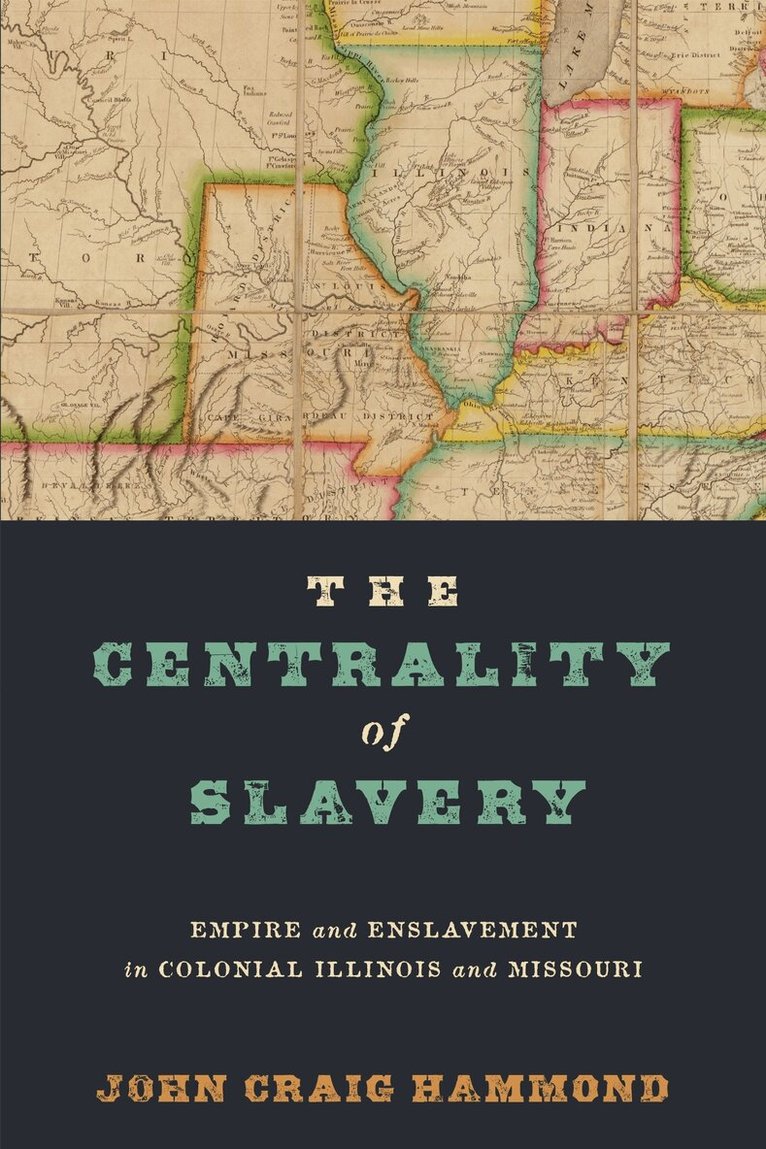
Centrality of Slavery
Empire and Enslavement in Colonial Illinois and Missouri
Inbunden, 2025
533 kr
Lägg i varukorg
How French and American colonizers created systems of enslavement in the Middle Mississippi ValleyThe Centrality of Slavery examines how French and American colonizers used the powers of various imperial regimes to create slave societies in present-day Missouri and Illinois from the 1720s through …
Centrality of Slavery
Empire and Enslavement in Colonial Illinois and Missouri
E-bok, 2025
739 kr
Lägg i varukorg
How French and American colonizers created systems of enslavement in the Middle Mississippi Valley The Centrality of Slavery examines how French and American colonizers used the powers of various imperial regimes to create slave societies in present-day Missouri and Illinois from the 1720s through …