John E. Moser – författare
Visar alla böcker från författaren John E. Moser. Handla med fri frakt och snabb leverans.
16 produkter
Twisting the Lion's Tail
American Anglophobia Between the World Wars
Inbunden, 1998
1526 kr
Lägg i varukorg
In 1918, Anglophobia, a permanent fixture of the nineteenth-century American cultural landscape, made a stunning reappearance in American political discourse. Anti-British invective, whether directed against the empire, the monarchy, the aristocracy, or even against Americans suspected of harboring …
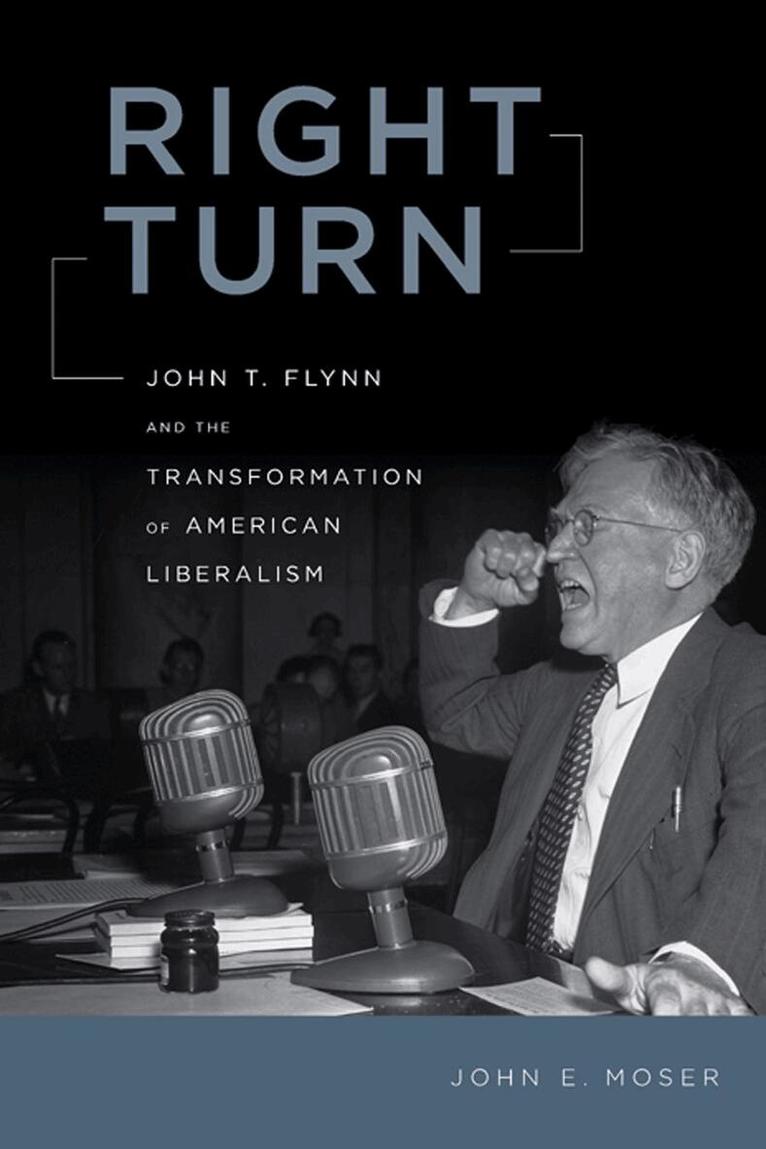
Right Turn
John T. Flynn and the Transformation of American Liberalism
Inbunden, 2005
1293 kr
Lägg i varukorg
John T. Flynn, a prolific writer, columnist for the New Republic, Harper's Magazine, and Collier's Weekly, radio commentator, and political activist, was described by the New York Times in 1964 as "a man of wide-ranging contradictions." In this new biography of Flynn, John E. Moser fleshes out his …
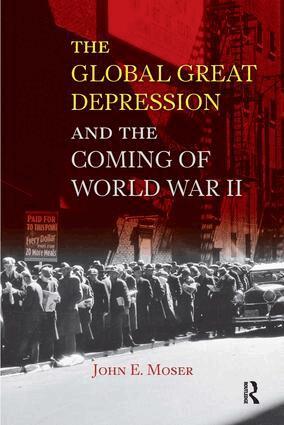
Global Great Depression and the Coming of World War II
E-bok, 2015
999 kr
Lägg i varukorg
The Global Great Depression and the Coming of World War II demonstrates the ways in which the economic crisis of the late 1920s and early 1930s helped to cause and shape the course of the Second World War. Historian John E. Moser points to the essential uniformity in the way in which the world s …
Global Great Depression and the Coming of World War II
E-bok, 2015
977 kr
Lägg i varukorg
The Global Great Depression and the Coming of World War II demonstrates the ways in which the economic crisis of the late 1920s and early 1930s helped to cause and shape the course of the Second World War. Historian John E. Moser points to the essential uniformity in the way in which the world s …
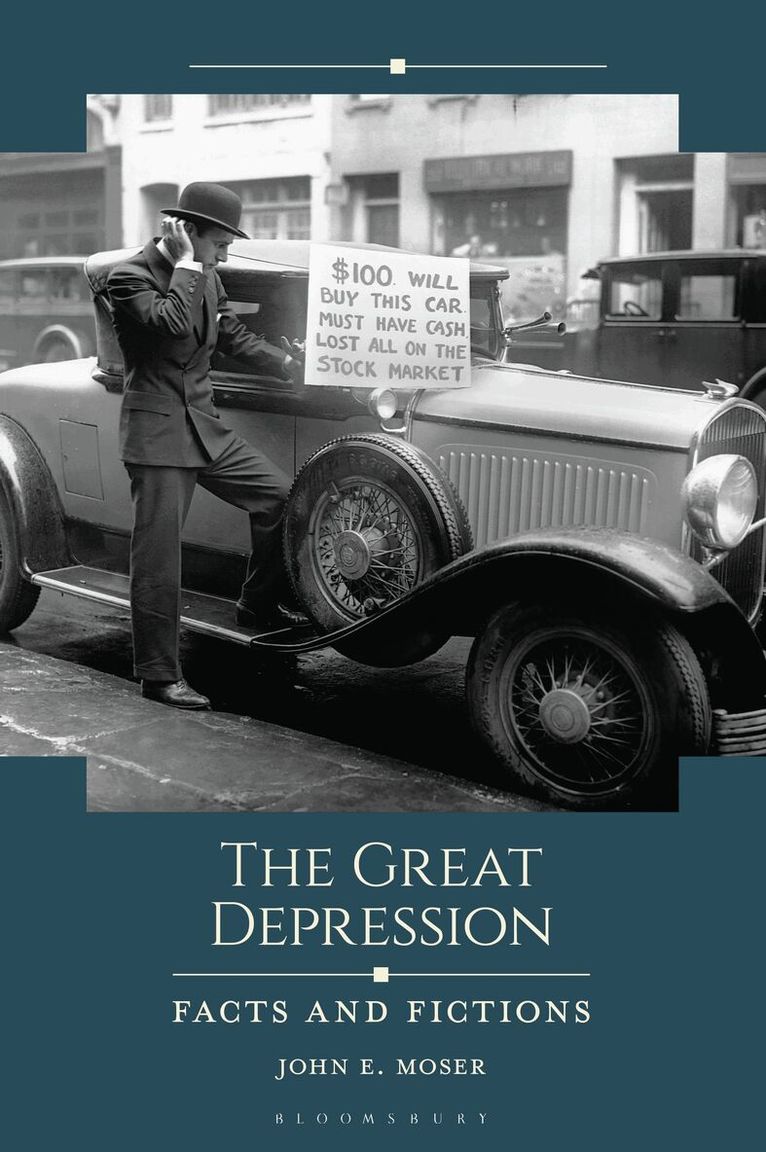
Great Depression
Facts and Fictions
Inbunden, 2027
797 kr
Kommande
A myth-by-myth reassessment of the Great Depression that challenges what readers think they know about its causes, cures, and consequences.Rather than retelling a familiar narrative, The Great Depression: Facts and Fictions dismantles ten of the most persistent claims surrounding the crisis, from …
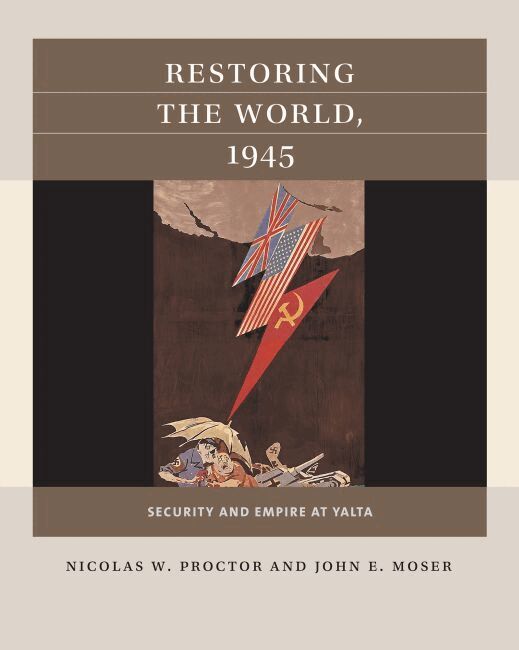
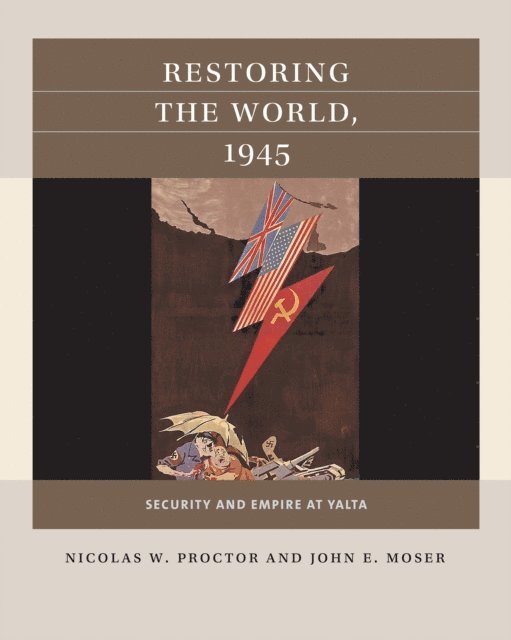
Restoring the World, 1945
Security and Empire at Yalta
Av Nicolas W. Proctor, John E. Moser
Häftad, 2020
370 kr
Lägg i varukorg
The devastation of the Second World War is coming to an end. As victory for the Grand Alliance draws close, the leaders of Great Britain, the Soviet Union, and the United States gather at Yalta, a resort town on the Black Sea, for the most important summit meeting of the war. Can the great powers …
Restoring the World, 1945
Security and Empire at Yalta
Av John E. Moser, Nicolas W. Proctor
E-bok, 2020
357 kr
Lägg i varukorg
The devastation of the Second World War is coming to an end. As victory for the Grand Alliance draws close, the leaders of Great Britain, the Soviet Union, and the United States gather at Yalta, a resort town on the Black Sea, for the most important summit meeting of the war. Can the great powers …
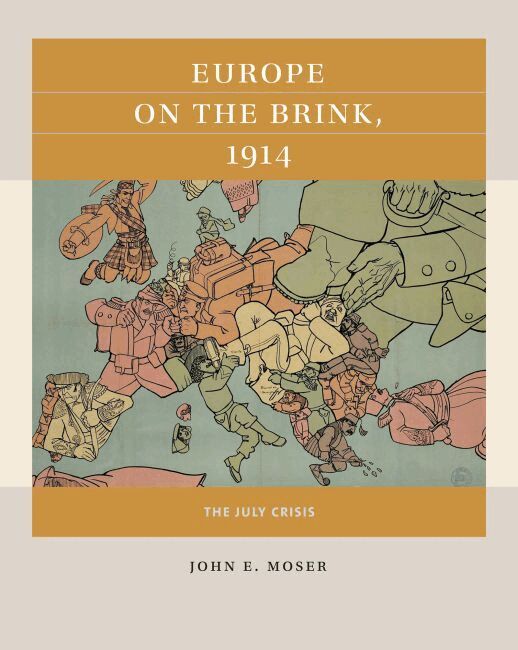
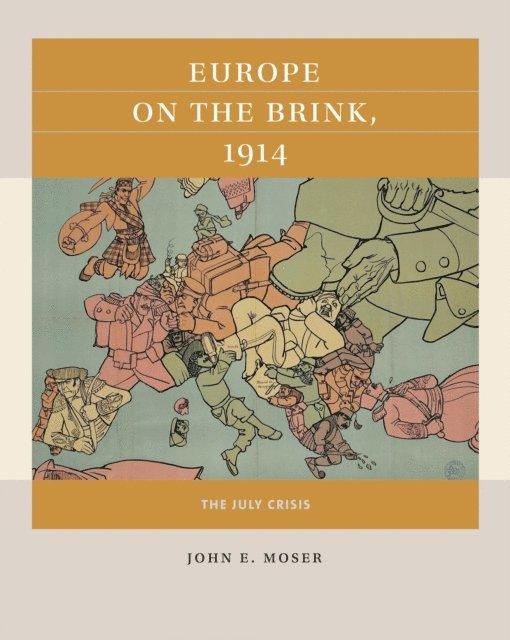
Europe on the Brink, 1914
The July Crisis
Häftad, 2020
370 kr
Lägg i varukorg
The assassination of Archduke Franz Ferdinand on June 28, 1914 by a Serbian nationalist has set off a crisis in Europe. Since the Congress of Vienna in 1815, peace had largely prevailed among the Great Powers, preserved through international conferences and a delicate balance of power. Now, …
Europe on the Brink, 1914
The July Crisis
E-bok, 2020
357 kr
Lägg i varukorg
The assassination of Archduke Franz Ferdinand on June 28, 1914 by a Serbian nationalist has set off a crisis in Europe. Since the Congress of Vienna in 1815, peace had largely prevailed among the Great Powers, preserved through international conferences and a delicate balance of power. Now, …
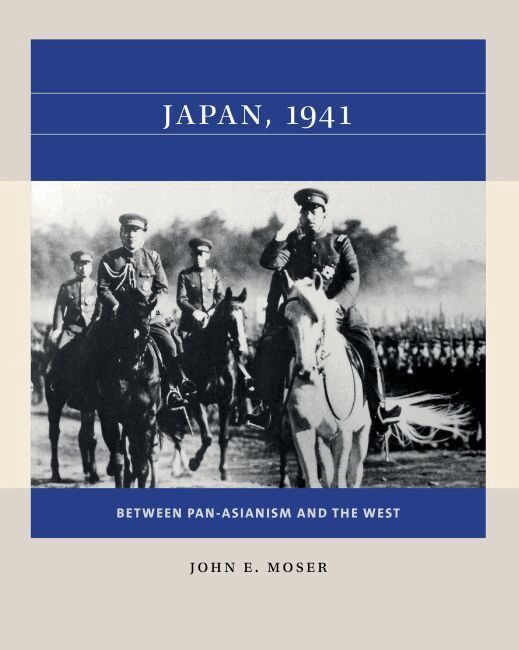
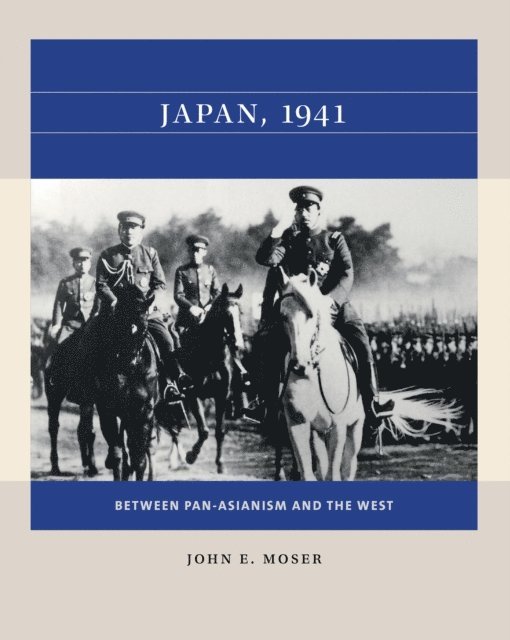
Japan, 1941
Between Pan-Asianism and the West
Häftad, 2022
370 kr
Lägg i varukorg
Set in Japan during the early years of World War II, this game helps students understand the political and strategic reasons behind Japan's decision to enter the war. Taking on the roles of leading figures in Tokyo&8213;army or navy officers, bureaucrats, and members of the Imperial Courtstudents …
Japan, 1941
Between Pan-Asianism and the West
E-bok, 2022
357 kr
Lägg i varukorg
Set in Japan during the early years of World War II, this game helps students understand the political and strategic reasons behind Japan’s decision to enter the war. Taking on the roles of leading figures in Tokyo—army or navy officers, bureaucrats, and members of the Imperial Court—students are …
Global Great Depression and the Coming of World War II
Inbunden, 2015
2818 kr
Lägg i varukorg
The Global Great Depression and the Coming of World War II demonstrates the ways in which the economic crisis of the late 1920s and early 1930s helped to cause and shape the course of the Second World War. Historian John E. Moser points to the essential uniformity in the way in which the world s …
Global Great Depression and the Coming of World War II
Häftad, 2015
844 kr
Lägg i varukorg
The Global Great Depression and the Coming of World War II demonstrates the ways in which the economic crisis of the late 1920s and early 1930s helped to cause and shape the course of the Second World War. Historian John E. Moser points to the essential uniformity in the way in which the world s …
Europe on the Brink, 1914
The July Crisis
E-bok, 2020
357 kr
Lägg i varukorg
The assassination of Archduke Franz Ferdinand on June 28, 1914 by a Serbian nationalist has set off a crisis in Europe. Since the Congress of Vienna in 1815, peace had largely prevailed among the Great Powers, preserved through international conferences and a delicate balance of power. Now, …
Restoring the World, 1945
Security and Empire at Yalta
Av John E. Moser, Nicolas W. Proctor
E-bok, 2020
357 kr
Lägg i varukorg
The devastation of the Second World War is coming to an end. As victory for the Grand Alliance draws close, the leaders of Great Britain, the Soviet Union, and the United States gather at Yalta, a resort town on the Black Sea, for the most important summit meeting of the war. Can the great powers …
Japan, 1941
Between Pan-Asianism and the West
E-bok, 2022
357 kr
Lägg i varukorg
Set in Japan during the early years of World War II, this game helps students understand the political and strategic reasons behind Japan’s decision to enter the war. Taking on the roles of leading figures in Tokyo—army or navy officers, bureaucrats, and members of the Imperial Court—students are …