John E. Worth – författare
2 078 kr
Läs direkt efter köp
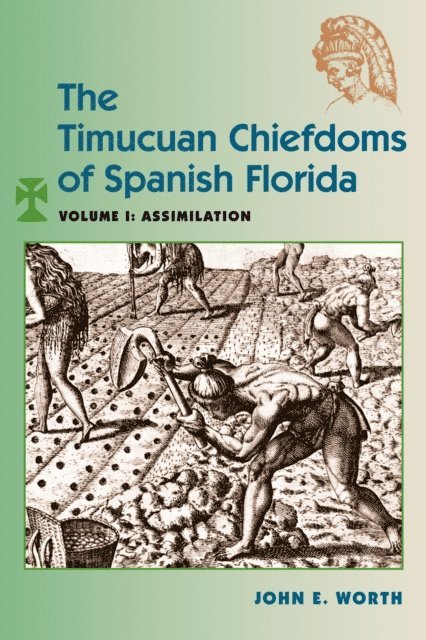
This first volume of John Worth’s substantial two-volume work studies the assimilation and eventual destruction of the indigenous Timucuan societies of interior Spanish Florida near St. Augustine, shedding new light on the nature and function of La Florida’s entire mission system.
Beginning in this volume with analysis of the late prehistoric chiefdoms, Worth traces the effects of European exploration and colonization in the late 1500s and describes the expansion of the mission frontier before 1630. As a framework for understanding the Timucuan rebellion of 1654 and its pacification, he explores the internal political and economic structure of the colonial system. In volume 2, he shows that after the geographic and political restructuring of the Timucua mission province, the interior of Florida became a populated chain of way-stations along the royal road between St. Augustine and the Apalachee province. Finally, he describes rampant demographic collapse in the missions, followed by English-sponsored raids, setting a stage for their final years in Florida during the mid-1700s.
The culmination of nearly a decade of original research, these books incorporate many previously unknown or little-used Spanish documentary sources. As an analysis of both the Timucuan chiefdoms and their integration into the colonial system, they offer important discussion of the colonial experience for indigenous groups across the nation and the rest of the Americas.
A volume in the Florida Museum of Natural History: Ripley P. Bullen Series2 078 kr
Läs direkt efter köp
This first volume of John Worth’s substantial two-volume work studies the assimilation and eventual destruction of the indigenous Timucuan societies of interior Spanish Florida near St. Augustine, shedding new light on the nature and function of La Florida’s entire mission system.
Beginning in this volume with analysis of the late prehistoric chiefdoms, Worth traces the effects of European exploration and colonization in the late 1500s and describes the expansion of the mission frontier before 1630. As a framework for understanding the Timucuan rebellion of 1654 and its pacification, he explores the internal political and economic structure of the colonial system. In volume 2, he shows that after the geographic and political restructuring of the Timucua mission province, the interior of Florida became a populated chain of way-stations along the royal road between St. Augustine and the Apalachee province. Finally, he describes rampant demographic collapse in the missions, followed by English-sponsored raids, setting a stage for their final years in Florida during the mid-1700s.
The culmination of nearly a decade of original research, these books incorporate many previously unknown or little-used Spanish documentary sources. As an analysis of both the Timucuan chiefdoms and their integration into the colonial system, they offer important discussion of the colonial experience for indigenous groups across the nation and the rest of the Americas.
A volume in the Florida Museum of Natural History: Ripley P. Bullen Series308 kr
Skickas inom 10-15 vardagar
485 kr
Läs direkt efter köp
This first volume of John Worth’s substantial two-volume work studies the assimilation and eventual destruction of the indigenous Timucuan societies of interior Spanish Florida near St. Augustine, shedding new light on the nature and function of La Florida’s entire mission system.
Beginning in this volume with analysis of the late prehistoric chiefdoms, Worth traces the effects of European exploration and colonization in the late 1500s and describes the expansion of the mission frontier before 1630. As a framework for understanding the Timucuan rebellion of 1654 and its pacification, he explores the internal political and economic structure of the colonial system. In volume 2, he shows that after the geographic and political restructuring of the Timucua mission province, the interior of Florida became a populated chain of way-stations along the royal road between St. Augustine and the Apalachee province. Finally, he describes rampant demographic collapse in the missions, followed by English-sponsored raids, setting a stage for their final years in Florida during the mid-1700s.
The culmination of nearly a decade of original research, these books incorporate many previously unknown or little-used Spanish documentary sources. As an analysis of both the Timucuan chiefdoms and their integration into the colonial system, they offer important discussion of the colonial experience for indigenous groups across the nation and the rest of the Americas.
A volume in the Florida Museum of Natural History: Ripley P. Bullen Series485 kr
Läs direkt efter köp
This first volume of John Worth’s substantial two-volume work studies the assimilation and eventual destruction of the indigenous Timucuan societies of interior Spanish Florida near St. Augustine, shedding new light on the nature and function of La Florida’s entire mission system.
Beginning in this volume with analysis of the late prehistoric chiefdoms, Worth traces the effects of European exploration and colonization in the late 1500s and describes the expansion of the mission frontier before 1630. As a framework for understanding the Timucuan rebellion of 1654 and its pacification, he explores the internal political and economic structure of the colonial system. In volume 2, he shows that after the geographic and political restructuring of the Timucua mission province, the interior of Florida became a populated chain of way-stations along the royal road between St. Augustine and the Apalachee province. Finally, he describes rampant demographic collapse in the missions, followed by English-sponsored raids, setting a stage for their final years in Florida during the mid-1700s.
The culmination of nearly a decade of original research, these books incorporate many previously unknown or little-used Spanish documentary sources. As an analysis of both the Timucuan chiefdoms and their integration into the colonial system, they offer important discussion of the colonial experience for indigenous groups across the nation and the rest of the Americas.
A volume in the Florida Museum of Natural History: Ripley P. Bullen Series308 kr
Skickas inom 10-15 vardagar
308 kr
Skickas inom 10-15 vardagar
332 kr
Skickas inom 5-8 vardagar
445 kr
Skickas inom 5-8 vardagar
445 kr
Skickas inom 5-8 vardagar
568 kr
Läs direkt efter köp
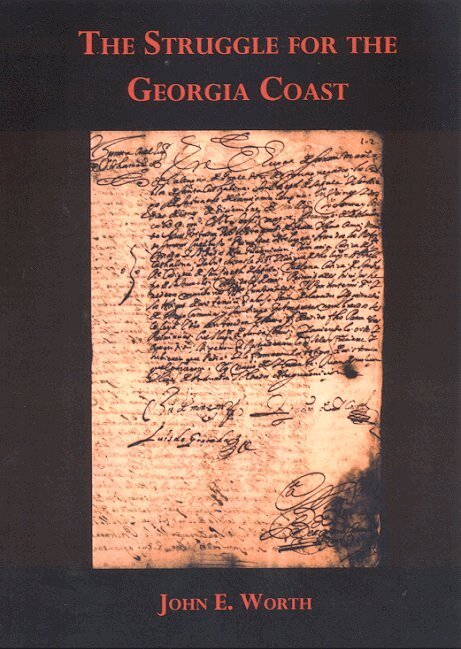
In 1733, General James Edward Oglethorpe officially established the colony of Georgia, and within three years had fortified the coast southward toward St. Augustine. Although this region, originally known as the provinces of Guale and Mocama, had previously been under Spanish control for more than a century, territorial fighting had emptied the region of Spanish missionaries, soldiers, and their Indian allies. Spanish officials maintained that the long history of Spanish authority over the territory guaranteed Spain the right to defy and repel the English intruders. By 1739, with diplomatic negotiations failing and the potential for war imminent, King Philip V requested that Don Manuel de Montiano, Governor of Spanish Florida, provide him with every document from both governmental and ecclesiastical sources that would demonstrate prior Spanish presence and control over the region. Original documents and translations were delivered within the year and safely filed for future use--then forgotten. With the outbreak of open war six months earlier, the diplomatic utility of the documents had passed. For over 250 years, the documents languished safely in the Archive of the Indies in Seville until recognized, recovered, translated, and published by John Worth. Within this volume, Worth brings to light the history of the documents, provides complete translations and full explanations of their contents and a narrative exposition of the Spanish presence along the Atlantic coast never before fully understood. David Hurst Thomas provides an introduction that places Worth''s translations and his historical overview into the context of ongoing archaeological excavations on the Georgia coast. With the publication of this volume, one of the least known chapters of Georgia history is finally examined in detail.