John Etty – författare
Visar alla böcker från författaren John Etty. Handla med fri frakt och snabb leverans.
6 produkter
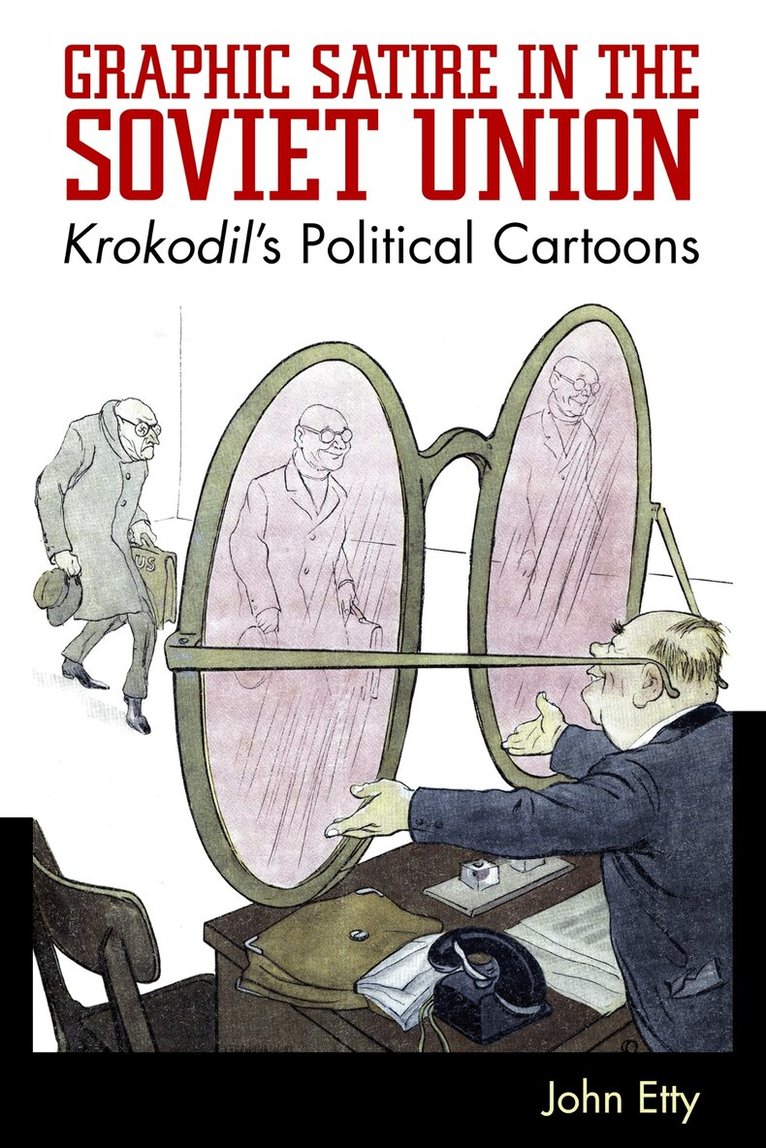
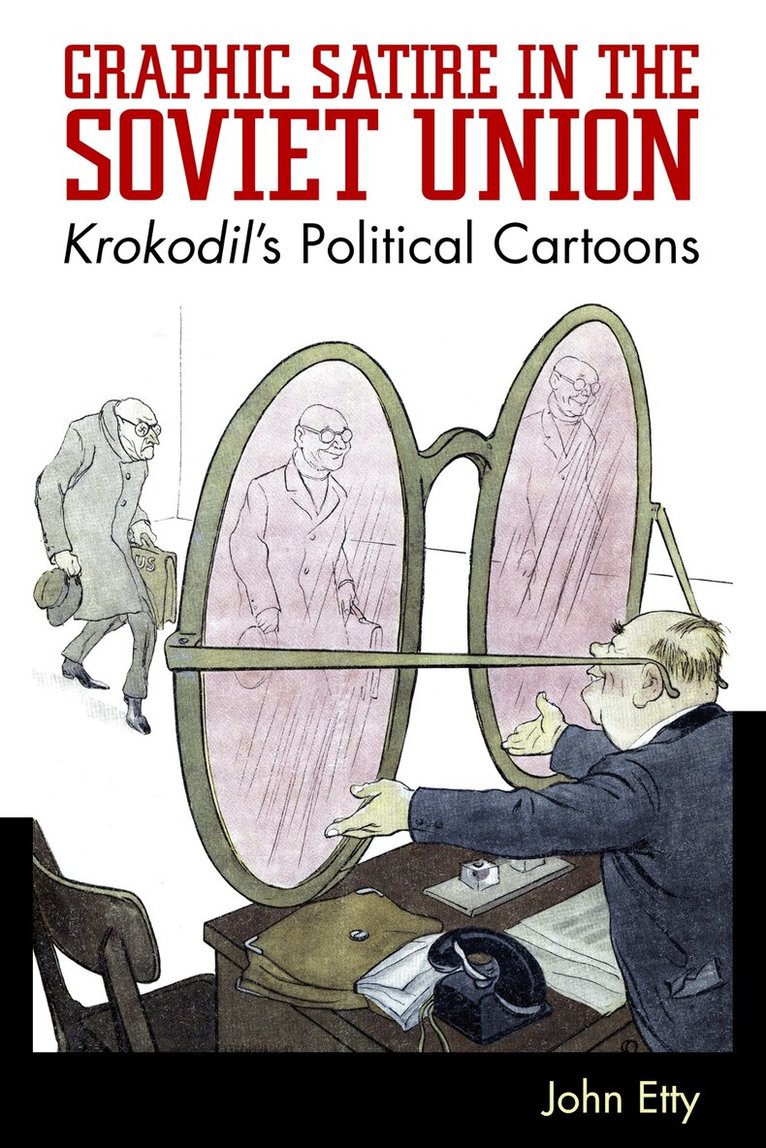
Graphic Satire in the Soviet Union
Krokodil's Political Cartoons
Av John Etty
Inbunden, 2019
1355 kr
Lägg i varukorg
After the death of Joseph Stalin, Soviet-era Russia experienced a flourishing artistic movement due to relaxed censorship and new economic growth. In this new atmosphere of freedom, Russia's satirical magazine Krokodil (The Crocodile) became rejuvenated. John Etty explores Soviet graphic satire …
Cambridge IGCSE(TM) and O Level History Option B: the 20th Century Coursebook with Digital Access (2 Years)
Av Paul Grey, Rosemarie Little m. fl.
2023
779 kr
Lägg i varukorg
Help your learners discover a curiosity for exploring the past with our new history coursebook with digital access. Endorsed for Option B, the 20th Century, this resource provides comprehensive coverage of all six core Key Questions as well as five depth studies, including Germany, Russia, USA, The …
Cambridge International AS Level History International History 1870-1939 Coursebook with Digital Access (2 Years)
Av John Etty, Patrick Walsh-Atkins
2025
610 kr
Lägg i varukorg
This coursebook supports students as they explore global history. This edition offers a variety of activities, including source work and practice questions, to help students build a deep understanding of key historical concepts and develop essential skills. Activities throughout each chapter …
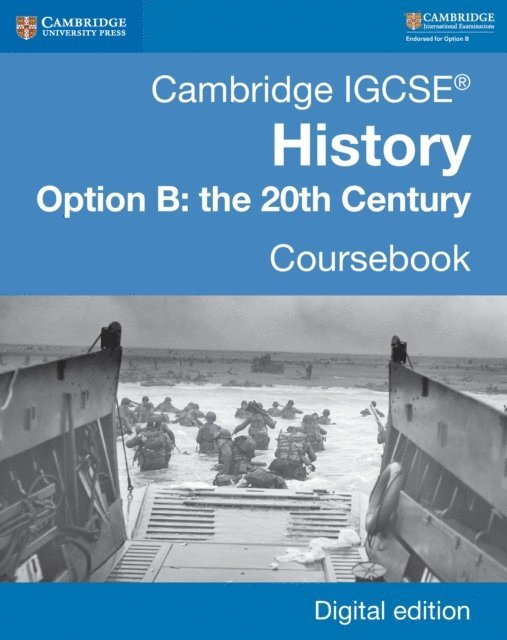
Cambridge IGCSE(R) and O Level History Option B: the 20th Century Coursebook Digital Edition
Av Graham Goodlad, John Etty m. fl.
E-bok, 2018
311 kr
Lägg i varukorg
Cambridge IGCSE(R) and O Level History Second edition for Option B: the 20th Century of the syllabus (0470,2147), updated for the revised syllabus for first examination from 2020 and now supporting O Level as well. Help your students take an enquiry-led approach to historical learning with …
Cambridge IGCSE(R) History Option B: The 20th Century Coursebook Digital Edition
Av Graham Goodlad, John Etty m. fl.
E-bok, 2017
350 kr
Lägg i varukorg
Cambridge IGCSE(R) History Second edition for Option B: the 20th Century of the syllabus (0470), updated for the revised syllabus for first examination from 2015. Help your students take an enquiry-led approach to historical learning with Cambridge IGCSE(R) History. Full of activities and primary …
Graphic Satire in the Soviet Union
Krokodil's Political Cartoons
Av John Etty
Häftad, 2018
422 kr
Lägg i varukorg
After the death of Joseph Stalin, Soviet-era Russia experienced a flourishing artistic movement due to relaxed censorship and new economic growth. In this new atmosphere of freedom, Russia's satirical magazine Krokodil (The Crocodile) became rejuvenated. John Etty explores Soviet graphic satire …