John F. Schwaller - Böcker
Visar alla böcker från författaren John F. Schwaller. Handla med fri frakt och snabb leverans.
5 produkter
5 produkter
439 kr
Skickas inom 7-10 vardagar
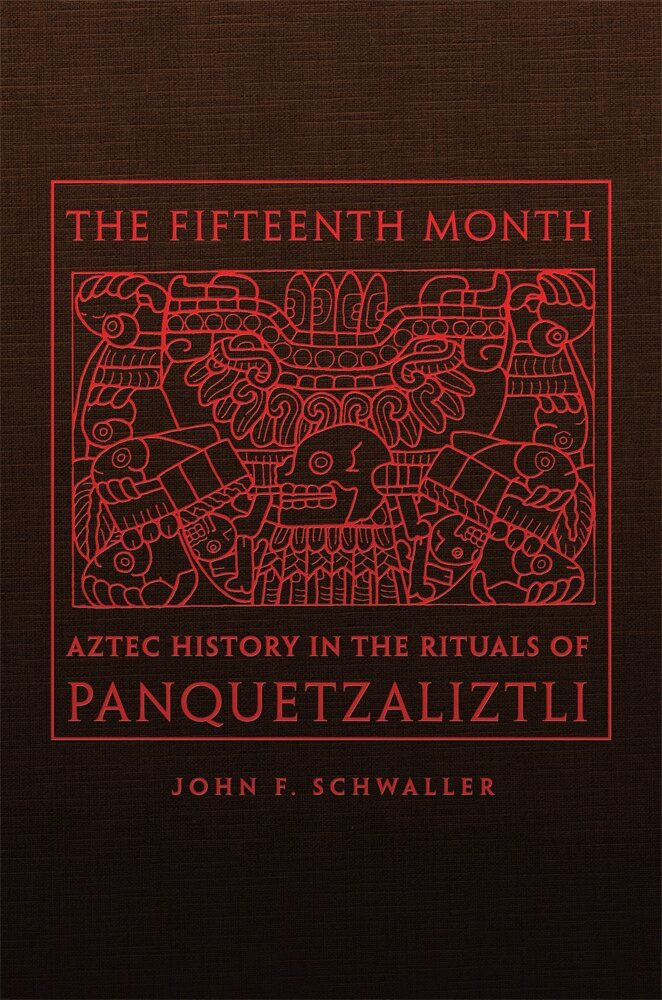
The Mexica (Aztecs) used a solar calendar made up of eighteen months, with each month dedicated to a specific god in their pantheon and celebrated with a different set of rituals. Panquetzaliztli, the fifteenth month, dedicated to the national god Huitzilopochtli (Hummingbird on the Left), was significant for its proximity to the winter solstice, and for the fact that it marked the beginning of the season of warfare. In The Fifteenth Month, John F. Schwaller offers a detailed look at how the celebrations of Panquetzaliztli changed over time and what these changes reveal about the history of the Aztecs.Drawing on a variety of sources, Schwaller deduces that prior to the rise of the Mexica in 1427, an earlier version of the month was dedicated to the god Tezcatlipoca (Smoking Mirror), a war and trickster god. The Mexica shifted the dedication to their god, developed a series of ceremonies - including long-distance running and human sacrifice - that would associate him with the sun, and changed the emphasis of the celebration from warfare alone to a combination of trade and warfare, since merchants played a significant role in Mexica statecraft. Further investigation shows how the resulting festival commemorated several important moments in Mexica history, how it came to include ceremonies associated with the winter solstice, and how it reflected a calendar reform implemented shortly before the arrival of the Spanish.Focused on one of the most important months in the Mexica year, Schwaller's work marks a new methodology in which traditional sources for Mexica culture, rather than being interrogated for their specific content, are read for their insights into the historical development of the people. Just as Christmas re-creates the historic act of the birth of Jesus for Christians, so, The Fifteenth Month suggests, Panquetzaliztli was a symbolic re-creation of events from Mexica myths and history.
Stations of the Cross in Colonial Mexico
The Via Crucis En Mexicano by Fray Agustin De Vetancurt and the Spread of a Devotion
Inbunden, Engelska, 2022
485 kr
Skickas inom 10-15 vardagar
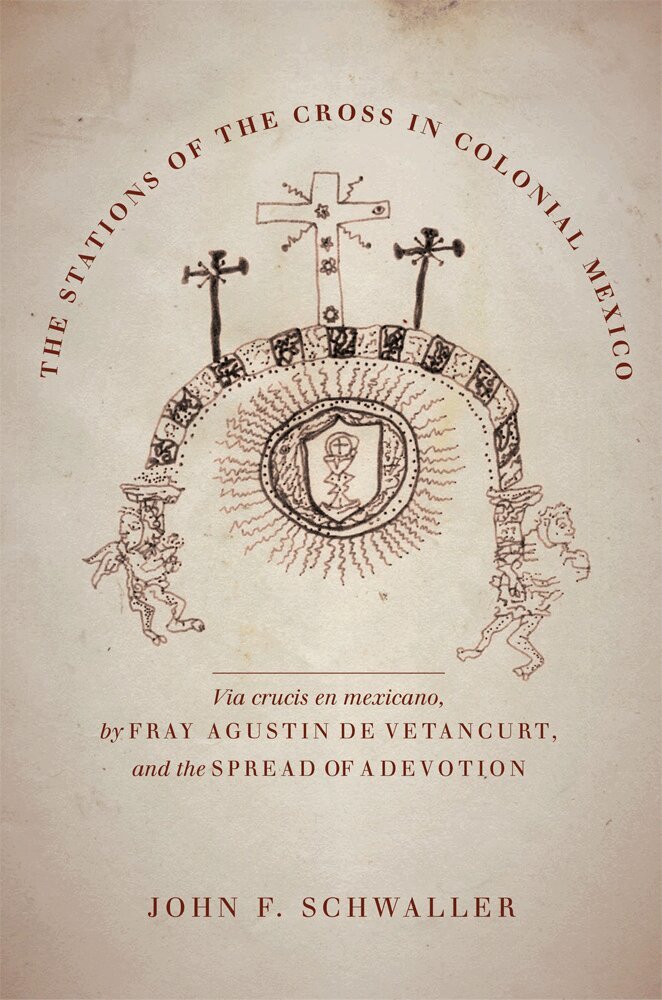
Walking the Stations of the Cross, the Christian faithful re-create the Passion, following the sorrowful path of Jesus Christ from condemnation to crucifixion. While this devotion, now so popular in the Catholic Church and many Protestant denominations, first emerged in Jerusalem and began spreading through Western Europe in the fourteenth century, it did not assume its current form, and earn the Church’s formal recognition, until almost three centuries later.It was at this time, in the last decades of the seventeenth century, that a Franciscan friar in colonial Mexico translated a devotional guide to the Stations of the Cross into the native Nahuatl. This little handbook, Fray Agustin de Vetancurt’s Via crucis en mexicano, proved immensely popular, going through two editions, but survives today only in a copy made by a native scribe from Central Mexico. Reproduced here in Nahuatl and English, Vetancurt’s handbook offers unique insight into the history, the practice, and the meaning of the Stations of the Cross in the New World and the Old.With the Via crucis en mexicano as a starting point, John F. Schwaller explores the history of the development and spread of the Stations of the Cross, placing the devotion in the context of the Catholic Reformation and the Baroque, the two trends that exalted this type of religious expression. He describes how the devotion, exported to New Spain in the sixteenth century, was embraced by Spanish and natives alike. For the native Americans, Schwaller suggests, the Via crucis resonated because of its performative aspects, reminiscent of rituals and observances from before the arrival of the Spanish. And for missionaries, the devotion offered a means of deepening the faith of the newly converted. In Schwaller’s deft analysis—which extends from the origins of the devotion, to the processions and public rituals of the Mexica (Aztecs), to the text and illustrations of the Vetancurt manuscript—the Via crucis en mexicano opens a window on the practice and significance of the Stations of the Cross—and of private devotions generally—in Mexico, Hispanic America, and around the world.
First Letter from New Spain
The Lost Petition of Cortés and His Company, June 20, 1519
Häftad, Engelska, 2015
322 kr
Skickas inom 10-15 vardagar
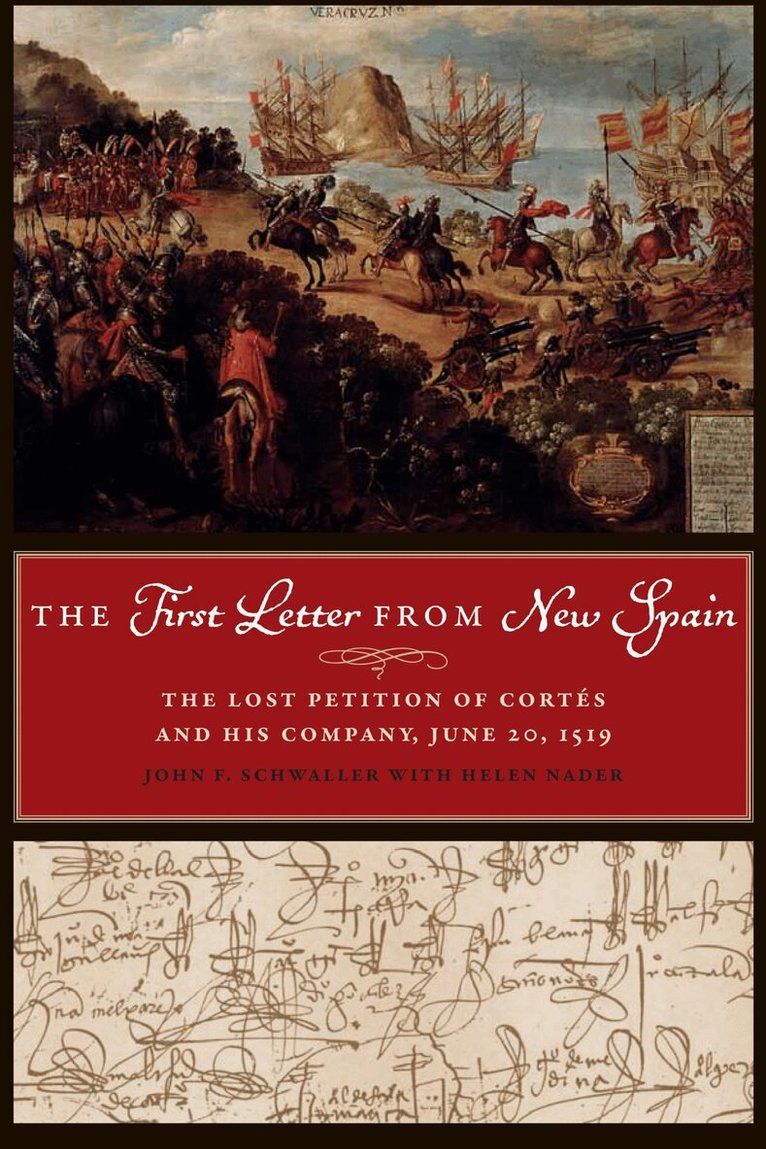
The founding of la Villa Rica de la Veracruz (the rich town of the True Cross) is prominently mentioned in histories of the conquest of Mexico, but scant primary documentation of the provocative act exists. During a research session at the Spanish archives, when John Schwaller discovered an early-sixteenth-century letter from Veracruz signed by the members of CortÉs’s company, he knew he had found a trove of historical details. Providing an accessible, accurate translation of this pivotal correspondence, along with in-depth examinations of its context and significance, The First Letter from New Spain gives all readers access to the first document written from the mainland of North America by any European, and the only surviving original document from the first months of the conquest.The timing of CortÉs’s Good Friday landing, immediately before the initial assault on the Aztec Empire, enhances the significance of this work. Though the expedition was conducted under the authority of Diego VelÁzquez, governor of Cuba, the letter reflects an attempt to break ties with VelÁzquez and form a strategic alliance with Carlos V, the Holy Roman Emperor and King of Spain. Brimming with details about the events surrounding Veracruz’s inception and accompanied by mini-biographies of 318 signers of the document-socially competitive men who risked charges of treason by renouncing VelÁzquez-The First Letter from New Spain gives evidence of entrepreneurship and other overlooked traits that fueled the conquest.
1 052 kr
Skickas inom 5-8 vardagar
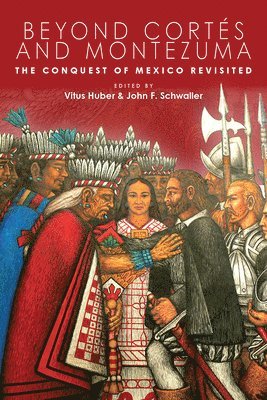
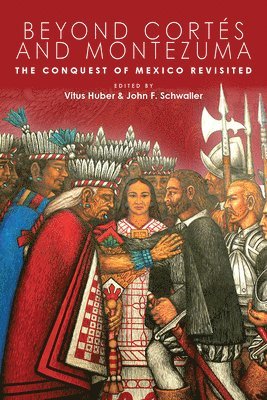
Beyond Cortés and Montezuma examines both European and Nahuatl texts and images that shed light on the complex narrative of contact and the ensuing conflict, negotiation, and cooperation that continued well after the colonial period. A diverse group of scholars from Europe, Mexico, and the US with varied methodological backgrounds—linguistics, history, art history, and cultural studies—query the “conquest,” or rather conquista, of Mexico through a series of case studies that interrogate how historians, especially in Europe, Mexico, and the US, understand and interact with this concept. They consider the language used to encapsulate the event in Nahuatl documents from the colonial period, how the Spanish veterans led the transition to settlement in taking land for themselves, and the legacy of the conquista in discrimination against Tlaxcallans in modern Mexico. Beyond Cortés and Montezuma is a compilation of nuanced reflections on the language, narratives, and memories of the conquista that balances the crimes of Spanish colonialism and asymmetries of power that existed within early New Spain with the abilities of Native peoples to resist, negotiate, and survive.
509 kr
Skickas inom 5-8 vardagar
Beyond Cortés and Montezuma examines both European and Nahuatl texts and images that shed light on the complex narrative of contact and the ensuing conflict, negotiation, and cooperation that continued well after the colonial period. A diverse group of scholars from Europe, Mexico, and the US with varied methodological backgrounds—linguistics, history, art history, and cultural studies—query the “conquest,” or rather conquista, of Mexico through a series of case studies that interrogate how historians, especially in Europe, Mexico, and the US, understand and interact with this concept. They consider the language used to encapsulate the event in Nahuatl documents from the colonial period, how the Spanish veterans led the transition to settlement in taking land for themselves, and the legacy of the conquista in discrimination against Tlaxcallans in modern Mexico. Beyond Cortés and Montezuma is a compilation of nuanced reflections on the language, narratives, and memories of the conquista that balances the crimes of Spanish colonialism and asymmetries of power that existed within early New Spain with the abilities of Native peoples to resist, negotiate, and survive.