John F. Winkler – författare
Visar alla böcker från författaren John F. Winkler. Handla med fri frakt och snabb leverans.
19 produkter
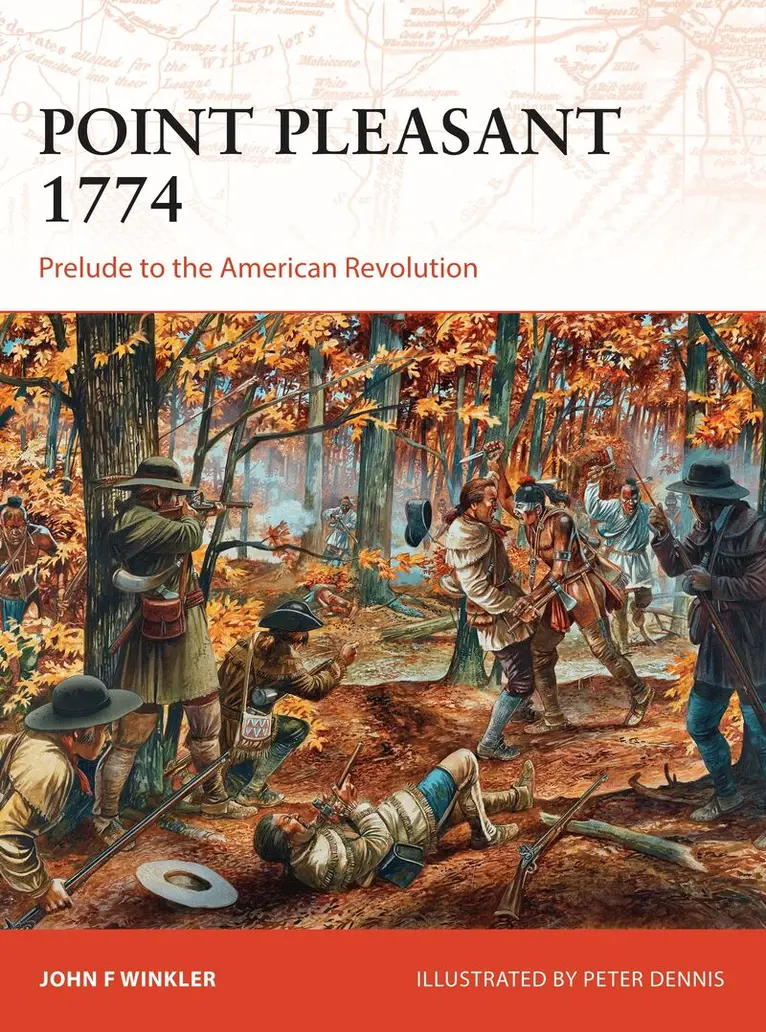
Point Pleasant 1774
Prelude to the American Revolution
Häftad, 2014
208 kr
Lägg i varukorg
A detailed exploration of a significant victory for Virginia militia forces over the Shawnee and Mingo tribes in Kentucky.The only major conflict of Lord Dunmore’s War, the battle of Point Pleasant was fought between Virginian militia and American Indians from the Shawnee and Mingo tribes. …
Point Pleasant 1774
Prelude to the American Revolution
E-bok, 2014
236 kr
Lägg i varukorg
A detailed exploration of a significant victory for Virginia militia forces over the Shawnee and Mingo tribes in Kentucky. The only major conflict of Lord Dunmore''s War, the battle of Point Pleasant was fought between Virginian militia and American Indians from the Shawnee and Mingo tribes. …
Point Pleasant 1774
Prelude to the American Revolution
E-bok, 2014
243 kr
Lägg i varukorg
A detailed exploration of a significant victory for Virginia militia forces over the Shawnee and Mingo tribes in Kentucky. The only major conflict of Lord Dunmore''s War, the battle of Point Pleasant was fought between Virginian militia and American Indians from the Shawnee and Mingo tribes. …
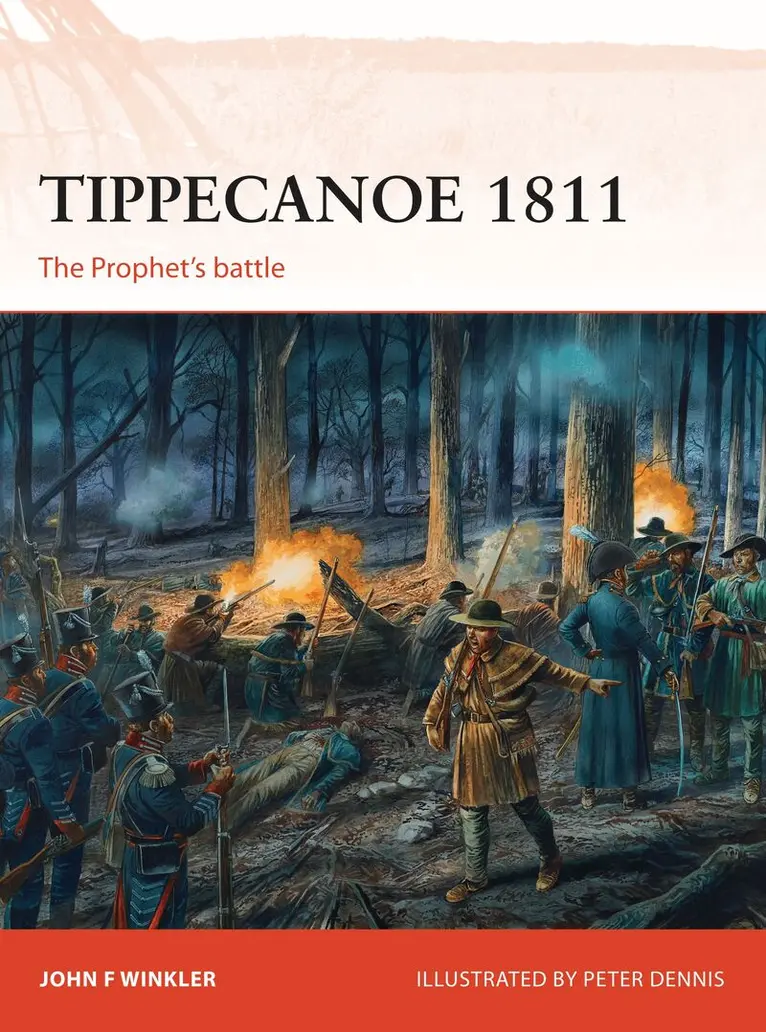
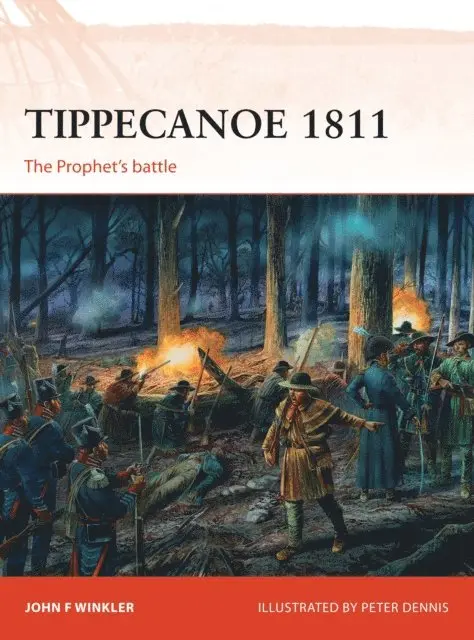
Tippecanoe 1811
The Prophet’s battle
Häftad, 2015
4,0 utav 5 stjärnor. Totalt antal röster: (1)
208 kr
Lägg i varukorg
An in-depth exploration of the battle of Tippecanoe, precursor to the War of 1812, where US forces under William Henry Harrison defeated the Native American forces near Prophetstown.‘The prophet’s battle’ was a conflict born out of festering tensions inscribed by the 1795 Treaty of Greeneville, …
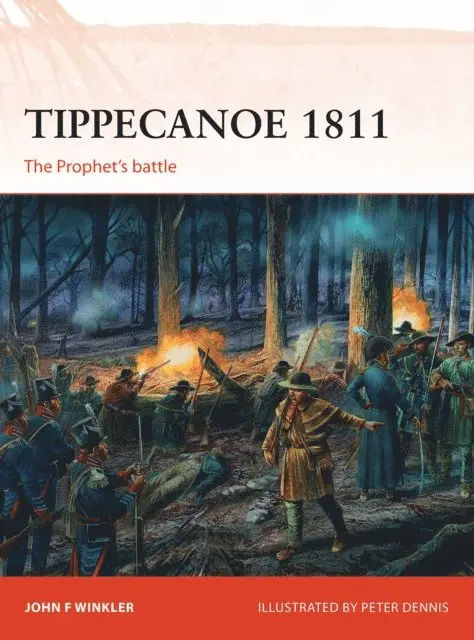
Tippecanoe 1811
The Prophet’s Battle
E-bok, 2015
243 kr
Lägg i varukorg
An in-depth exploration of the battle of Tippecanoe, precursor to the War of 1812, where US forces under William Henry Harrison defeated the Native American forces near Prophetstown. ''The prophet''s battle'' was a conflict born out of festering tensions inscribed by the 1795 Treaty of Greeneville, …
Tippecanoe 1811
The Prophet’s Battle
E-bok, 2015
235 kr
Lägg i varukorg
An in-depth exploration of the battle of Tippecanoe, precursor to the War of 1812, where US forces under William Henry Harrison defeated the Native American forces near Prophetstown. ''The prophet''s battle'' was a conflict born out of festering tensions inscribed by the 1795 Treaty of Greeneville, …
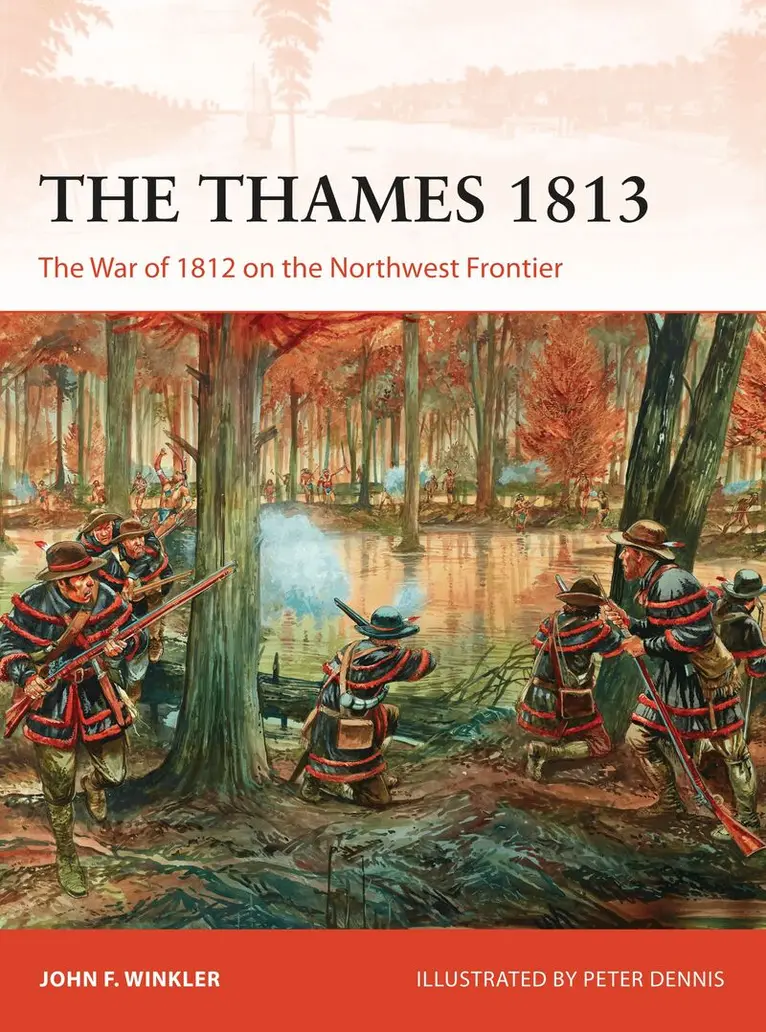
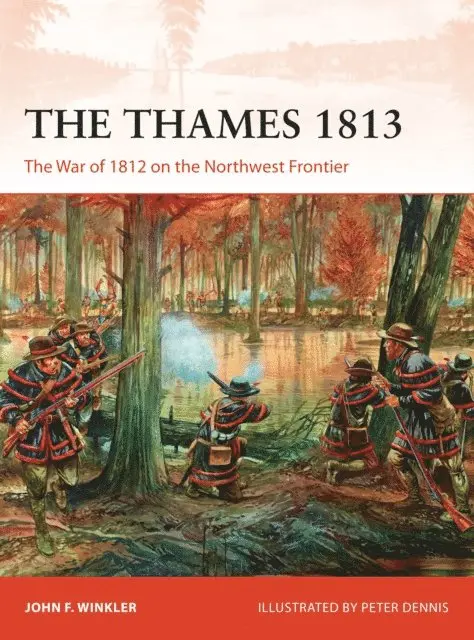
Thames 1813
The War of 1812 on the Northwest Frontier
Häftad, 2016
208 kr
Lägg i varukorg
With detailed profiles of the commanders and accounts of the battles, this highly illustrated title charts Native American commander Tecumseh's fall as the American forces secured control of the North-West frontier during the War of 1812. In an engagement that included the future US president …
Thames 1813
The War of 1812 on the Northwest Frontier
E-bok, 2016
243 kr
Lägg i varukorg
With detailed profiles of the commanders and accounts of the battles, this highly illustrated title charts Native American commander Tecumseh''s fall as the American forces secured control of the North-West frontier during the War of 1812. In an engagement that included the future US president …
Thames 1813
The War of 1812 on the Northwest Frontier
E-bok, 2016
243 kr
Lägg i varukorg
With detailed profiles of the commanders and accounts of the battles, this highly illustrated title charts Native American commander Tecumseh''s fall as the American forces secured control of the North-West frontier during the War of 1812. In an engagement that included the future US president …
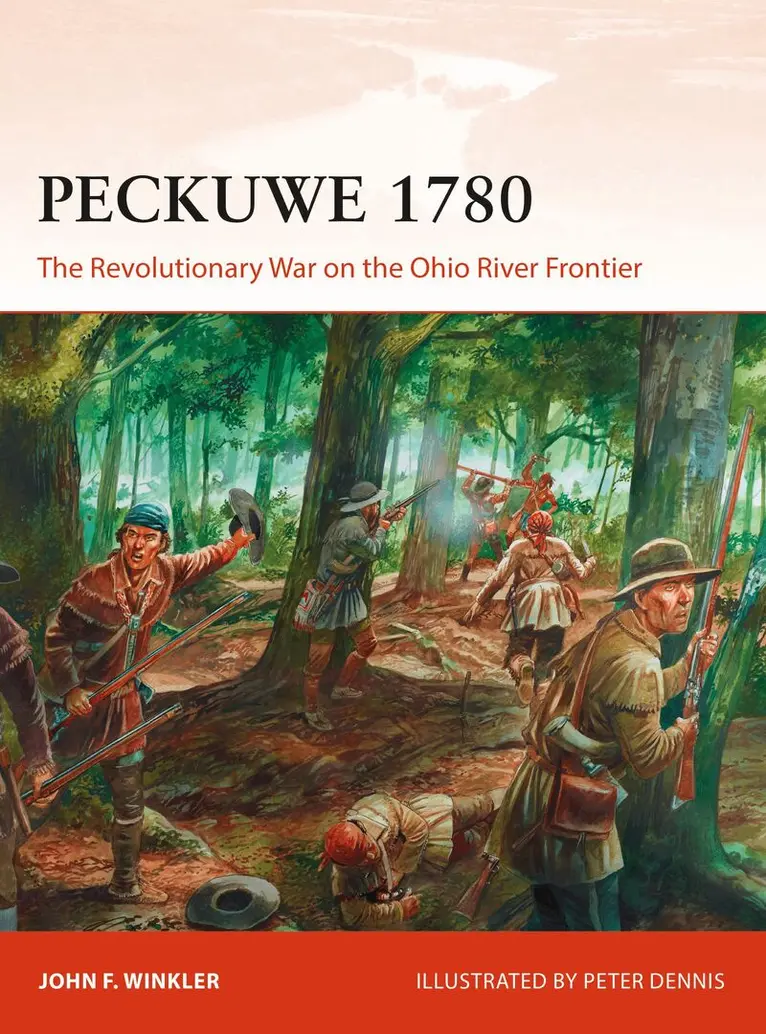
Peckuwe 1780
The Revolutionary War on the Ohio River Frontier
Häftad, 2018
4,0 utav 5 stjärnor. Totalt antal röster: (1)
208 kr
Lägg i varukorg
The last in the Campaign series covering the Ohio Native American wars, this is the story behind the largest battle in the Western theatre of the American Revolutionary War.As the Revolutionary War raged on fields near the Atlantic, Native Americans and British rangers fought American settlers on …
Peckuwe 1780
The Revolutionary War on the Ohio River Frontier
E-bok, 2018
238 kr
Lägg i varukorg
The last in the Campaign series covering the Ohio Native American wars, this is the story behind the largest battle in the Western theatre of the American Revolutionary War. As the Revolutionary War raged on fields near the Atlantic, Native Americans and British rangers fought American settlers on …
Peckuwe 1780
The Revolutionary War on the Ohio River Frontier
E-bok, 2018
243 kr
Lägg i varukorg
The last in the Campaign series covering the Ohio Native American wars, this is the story behind the largest battle in the Western theatre of the American Revolutionary War. As the Revolutionary War raged on fields near the Atlantic, Native Americans and British rangers fought American settlers on …
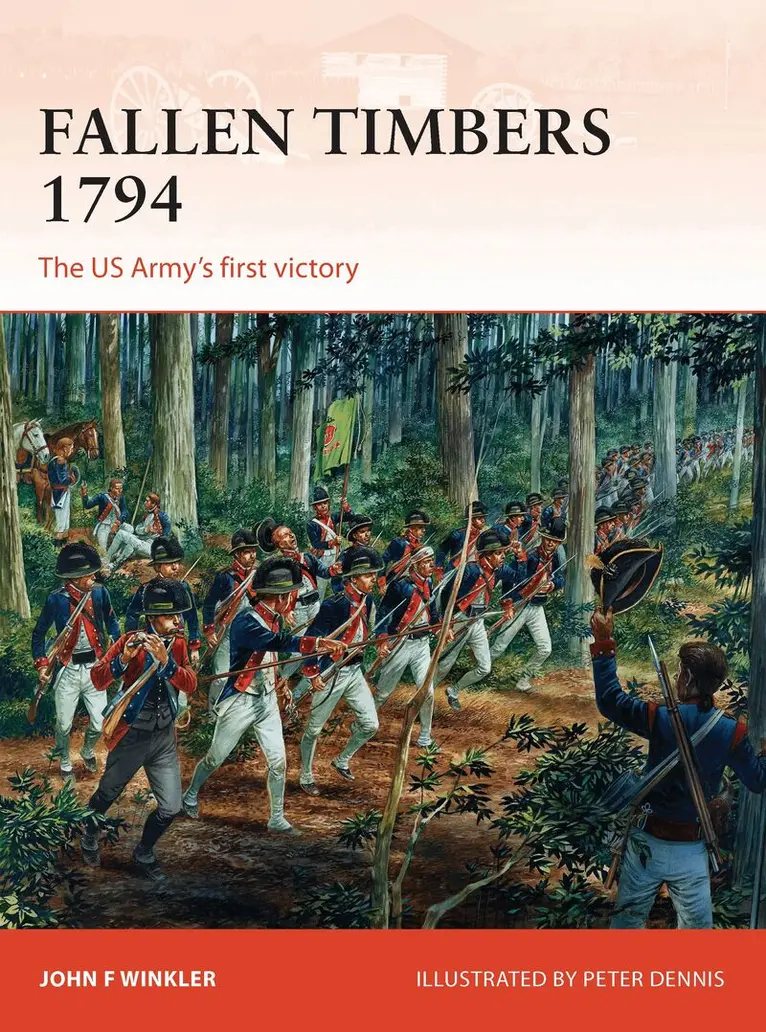
Fallen Timbers 1794
The US Army’s first victory
Häftad, 2013
209 kr
Lägg i varukorg
The story of “Mad” Anthony Wayne’s victory over the Ohio Native Americans at Fallen Timbers in 1794, which secured the Northwest Territory for the US, in an illustrated volume.Following the defeat at Wabash, in 1792 the Washington administration created a new US Army to replace the one that had …
Fallen Timbers 1794
The Us Army’s First Victory
E-bok, 2013
243 kr
Lägg i varukorg
The story of “Mad” Anthony Wayne''s victory over the Ohio Native Americans at Fallen Timbers in 1794, which secured the Northwest Territory for the US, in an illustrated volume. Following the defeat at Wabash, in 1792 the Washington administration created a new US Army to replace the one that had …
Fallen Timbers 1794
The Us Army’s First Victory
E-bok, 2013
243 kr
Lägg i varukorg
The story of “Mad” Anthony Wayne''s victory over the Ohio Native Americans at Fallen Timbers in 1794, which secured the Northwest Territory for the US, in an illustrated volume. Following the defeat at Wabash, in 1792 the Washington administration created a new US Army to replace the one that had …
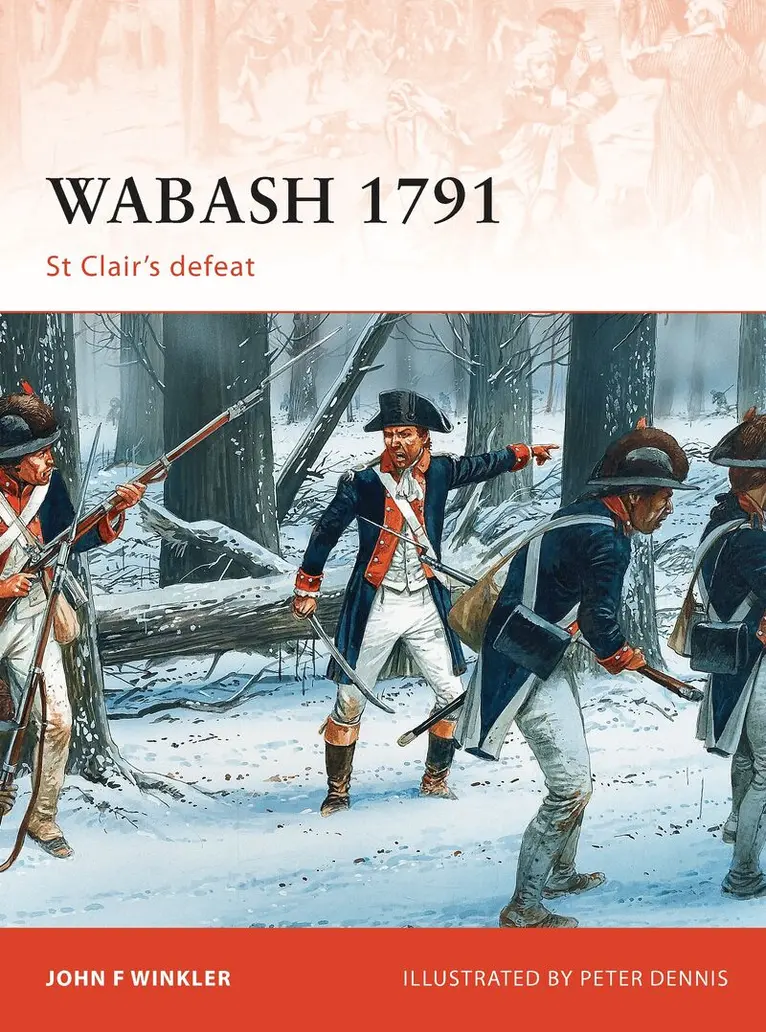
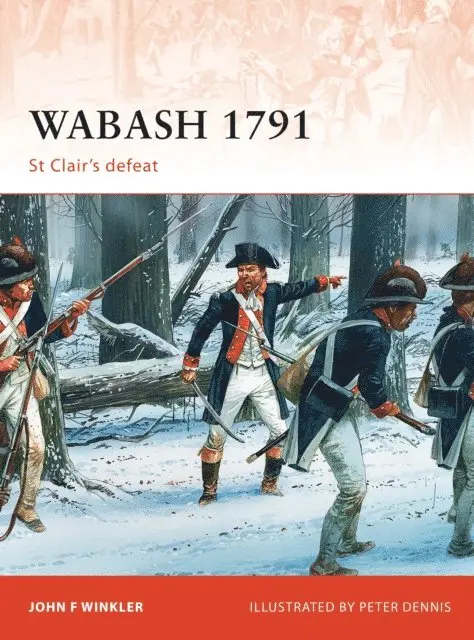
Wabash 1791
St Clair’s defeat
Häftad, 2011
208 kr
Lägg i varukorg
A highly illustrated account of the first major battle of the new United States of America, a dramatic defeat at the hands of a confederation of Native American tribes.The battle of the Wabash, or St Clair's Defeat, was the greatest ever victory of American Indians over US Army forces. In 1791, …
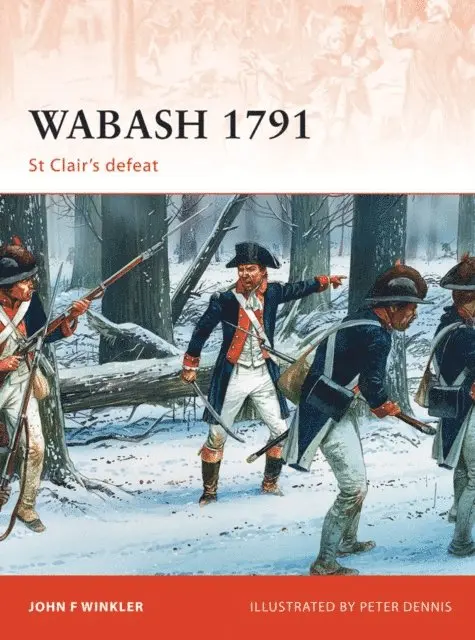
Wabash 1791
St Clair’s Defeat
E-bok, 2011
224 kr
Lägg i varukorg
A highly illustrated account of the first major battle of the new United States of America, a dramatic defeat at the hands of a confederation of Native American tribes. The battle of the Wabash, or St Clair''s Defeat, was the greatest ever victory of American Indians over US Army forces. In 1791, …
Wabash 1791
St Clair’s Defeat
E-bok, 2011
229 kr
Lägg i varukorg
A highly illustrated account of the first major battle of the new United States of America, a dramatic defeat at the hands of a confederation of Native American tribes. The battle of the Wabash, or St Clair''s Defeat, was the greatest ever victory of American Indians over US Army forces. In 1791, …
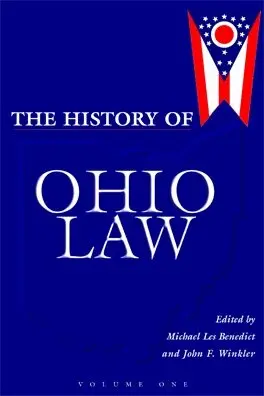
History of Ohio Law
Av Michael Les Benedict, John F. Winkler
Inbunden, 2004
1497 kr
Tillfälligt slut
The History of Ohio Law is a complete sourcebook on the origin and development of Ohio law and its relationship to society. A model for work in this field, it is the starting point for any investigation of the subject.In the two-volume The History of Ohio Law, distinguished legal historians, …