John Garrison Marks - Böcker
Visar alla böcker från författaren John Garrison Marks. Handla med fri frakt och snabb leverans.
5 produkter
5 produkter
1 427 kr
Skickas inom 5-8 vardagar
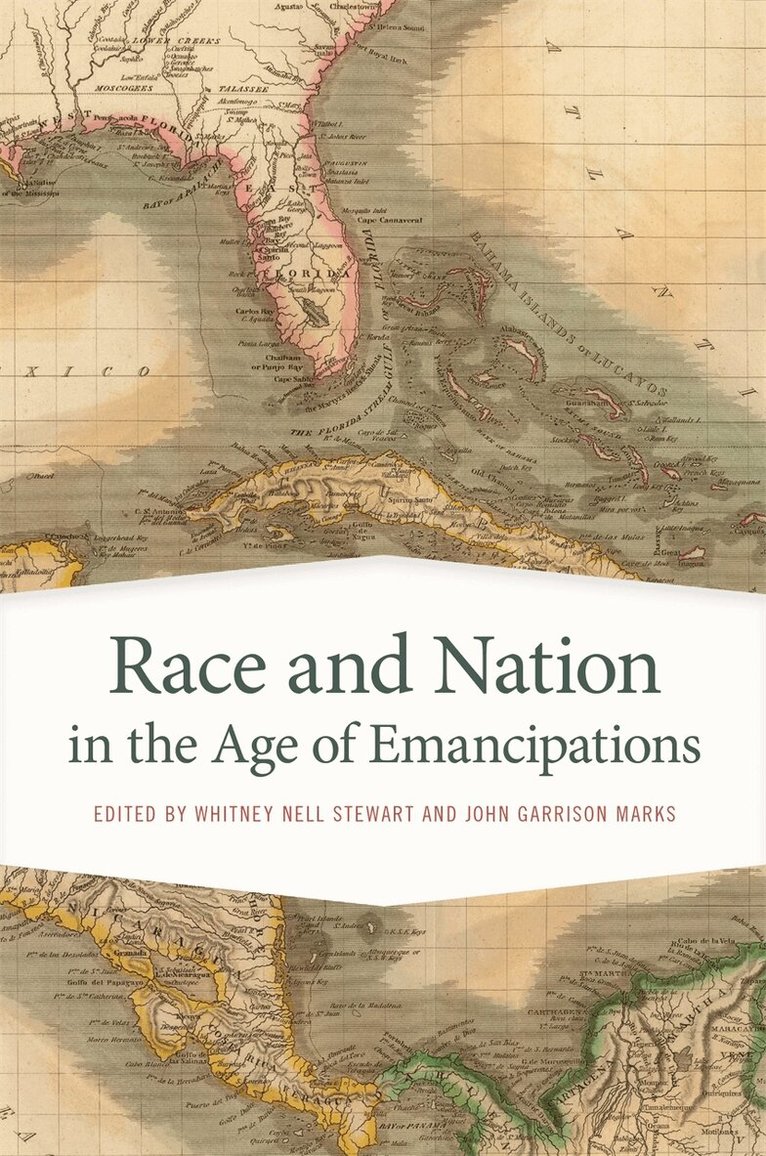
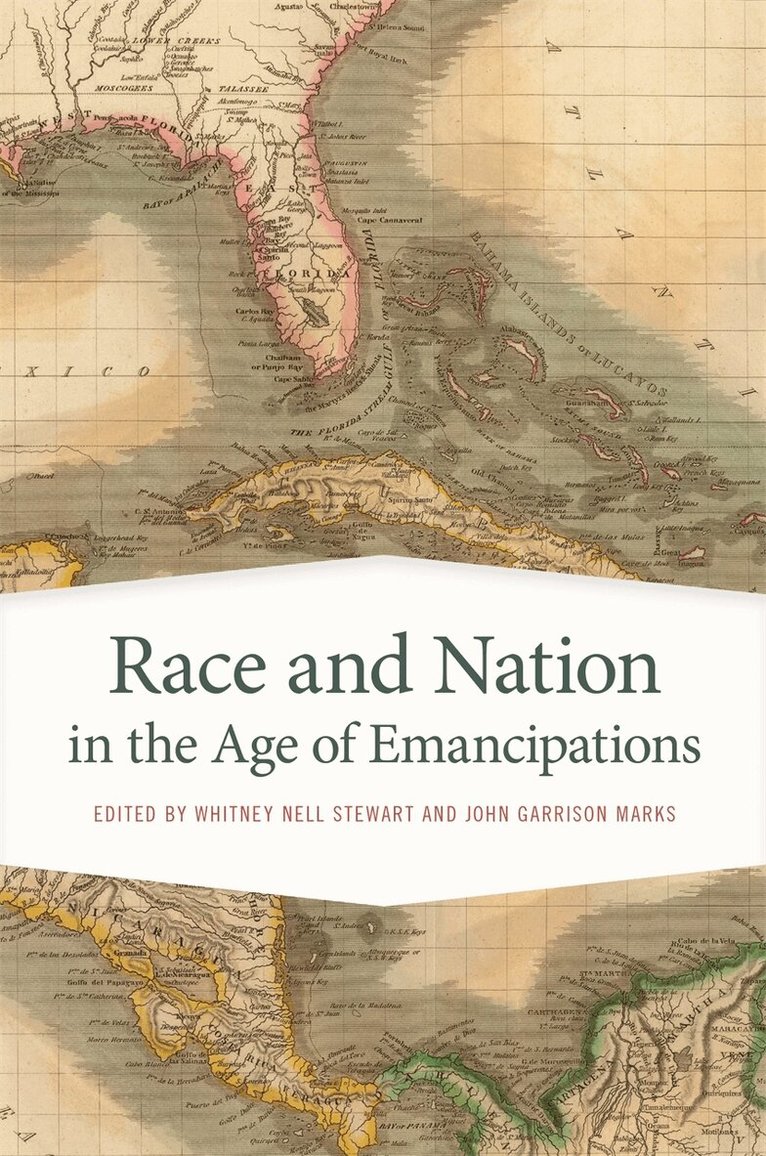
Over the long nineteenth century, African-descended peoples used the uncertainties and possibilities of emancipation to stake claims to freedom, equality, and citizenship. In the process, people of color transformed the contours of communities, nations, and the Atlantic World. Although emancipation was an Atlantic event, it has been studied most often in geographically isolated ways. The justification for such local investigations rests in the notion that imperial and national contexts are essential to understanding slaving regimes. Just as the experience of slavery differed throughout the Atlantic World, so too did the experience of emancipation, as enslaved people’s paths to freedom varied depending on time and place.With the essays in this volume, historians contend that emancipation was not something that simply happened to enslaved peoples but rather something in which they actively participated. By viewing local experiences through an Atlantic framework, the contributors reveal how emancipation was both a shared experience across national lines and one shaped by the particularities of a specific nation. Their examination uncovers, in detail, the various techniques employed by people of African descent across the Atlantic World, allowing a broader picture of their paths to freedom.Contributors: Ikuko Asaka, Caree A. Banton, Celso Thomas Castilho, Gad Heuman, Martha S. Jones, Philip Kaisary, John Garrison Marks, Paul J. Polgar, James E. Sanders, Julie Saville, Matthew Spooner, Whitney Nell Stewart, and Andrew N. Wegmann.
502 kr
Skickas inom 5-8 vardagar
Over the long nineteenth century, African-descended peoples used the uncertainties and possibilities of emancipation to stake claims to freedom, equality, and citizenship. In the process, people of color transformed the contours of communities, nations, and the Atlantic World. Although emancipation was an Atlantic event, it has been studied most often in geographically isolated ways. The justification for such local investigations rests in the notion that imperial and national contexts are essential to understanding slaving regimes. Just as the experience of slavery differed throughout the Atlantic World, so too did the experience of emancipation, as enslaved people’s paths to freedom varied depending on time and place.With the essays in this volume, historians contend that emancipation was not something that simply happened to enslaved peoples but rather something in which they actively participated. By viewing local experiences through an Atlantic framework, the contributors reveal how emancipation was both a shared experience across national lines and one shaped by the particularities of a specific nation. Their examination uncovers, in detail, the various techniques employed by people of African descent across the Atlantic World, allowing a broader picture of their paths to freedom.Contributors: Ikuko Asaka, Caree A. Banton, Celso Thomas Castilho, Gad Heuman, Martha S. Jones, Philip Kaisary, John Garrison Marks, Paul J. Polgar, James E. Sanders, Julie Saville, Matthew Spooner, Whitney Nell Stewart, and Andrew N. Wegmann.
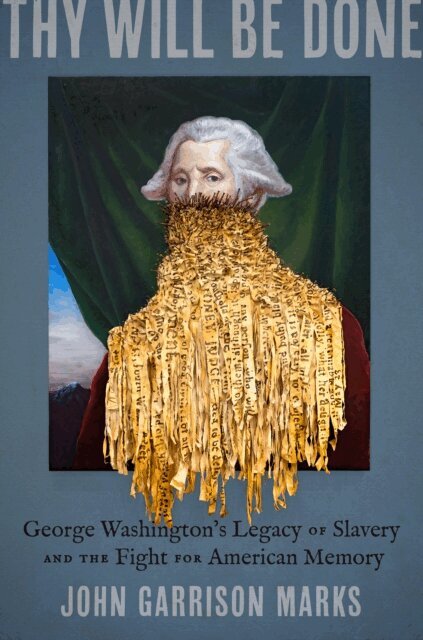
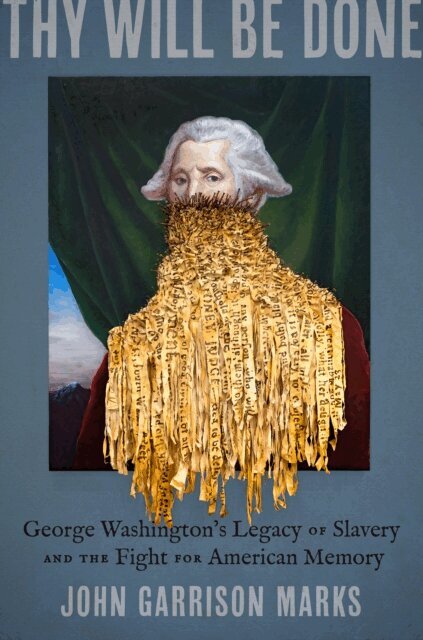
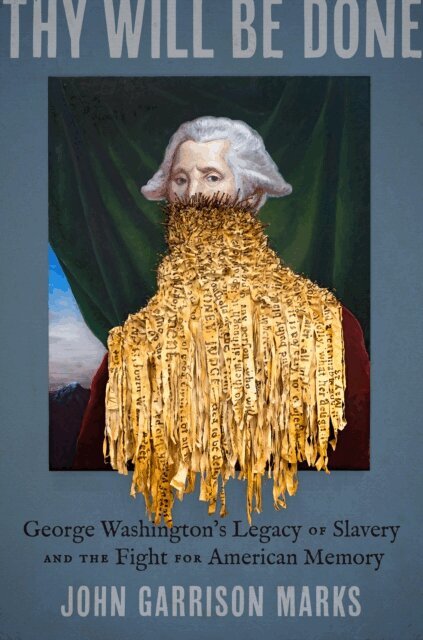
Thy Will Be Done
George Washington's Legacy of Slavery and the Fight for American Memory
Inbunden, Engelska, 2026
389 kr
Skickas inom 3-6 vardagar
How should we remember George Washington’s entanglement in slavery? Americans have argued over that question for nearly 250 years. More than any other Founding Father, Washington’s ties to slavery have vexed us. He enslaved more people than any of his fellow founders, yet he was the only one of them to emancipate the people he held in bondage. Since his death, Americans have grappled with this contradiction, shaping and reshaping our collective memory of Washington and slavery—along with our understanding of the nation. In Thy Will Be Done, historian John Garrison Marks tells the story of Americans’ long, fraught struggle to come to terms with Washington’s legacy of slavery. He traces how politicians, abolitionists, educators, activists, Washington’s former slaves and their descendants, and others have remembered, forgotten, and manipulated slavery’s place in Washington’s story, and how they have wielded versions of that story in the political and cultural fights of their time. Marks shows how generational struggles over our collective memory of Washington and slavery have always been part of a bigger conversation about defining the United States and its people. As debates about the founders’ participation in the system of slavery continue to roil public discourse, Marks shows with new clarity that Americans have never collectively reconciled Washington’s conflicted legacy. By truly grappling with Washington’s role as enslaver and emancipator we may come to better understand the nation and ourselves.
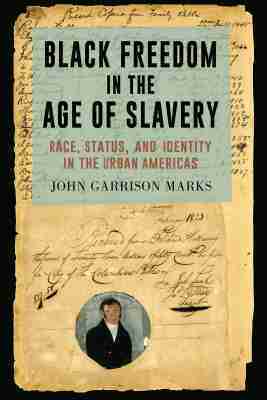
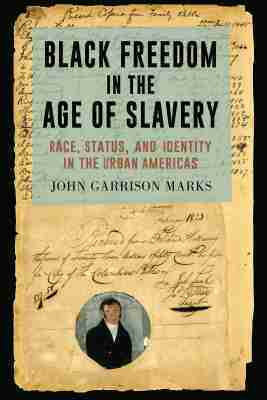
Black Freedom in the Age of Slavery
Race, Status, and Identity in the Urban Americas
Inbunden, Engelska, 2020
1 256 kr
Skickas inom 7-10 vardagar
Prior to the abolition of slavery, thousands of African-descended people in the Americas lived in freedom. Their efforts to navigate daily life and negotiate the boundaries of racial difference challenged the foundations of white authority--and linked the Americas together. In Black Freedom in the Age of Slavery John Garrison Marks examines how these individuals built lives in freedom for themselves and their families in two of the Atlantic World's most important urban centers: Cartagena, along the Caribbean coast of modern-day Colombia, and Charleston, in the lowcountry of North America's Atlantic coast. Marks reveals how skills, knowledge, reputation, and personal relationships helped free people of color improve their fortunes and achieve social distinction in ways that undermined whites' claims to racial superiority.Built upon research conducted on three continents, this book takes a comparative approach to understanding the contours of black freedom in the Americas. It reveals in new detail the creative and persistent attempts of free black people to improve their lives and that of their families. It examines how various paths to freedom, responses to the Haitian Revolution, opportunities to engage in skilled labor, involvement with social institutions, and the role of the church all helped shape the lived experience of free people of color in the Atlantic World.As free people of color worked to improve their individual circumstances, staking claims to rights, privileges, and distinctions not typically afforded to those of African descent, they engaged with white elites and state authorities in ways that challenged prevailing racial attitudes. While whites across the Americas shared common doubts about the ability of African-descended people to survive in freedom or contribute meaningfully to society, free black people in Cartagena, Charleston, and beyond conducted themselves in ways that exposed cracks in the foundations of American racial hierarchies. Their actions represented early contributions to the long fight for recognition, civil rights, and racial justice that continues today.
Black Freedom in the Age of Slavery
Race, Status, and Identity in the Urban Americas
Häftad, Engelska, 2020
374 kr
Skickas inom 7-10 vardagar
Prior to the abolition of slavery, thousands of African-descended people in the Americas lived in freedom. Their efforts to navigate daily life and negotiate the boundaries of racial difference challenged the foundations of white authority--and linked the Americas together. In Black Freedom in the Age of Slavery John Garrison Marks examines how these individuals built lives in freedom for themselves and their families in two of the Atlantic World's most important urban centers: Cartagena, along the Caribbean coast of modern-day Colombia, and Charleston, in the lowcountry of North America's Atlantic coast. Marks reveals how skills, knowledge, reputation, and personal relationships helped free people of color improve their fortunes and achieve social distinction in ways that undermined whites' claims to racial superiority.Built upon research conducted on three continents, this book takes a comparative approach to understanding the contours of black freedom in the Americas. It reveals in new detail the creative and persistent attempts of free black people to improve their lives and that of their families. It examines how various paths to freedom, responses to the Haitian Revolution, opportunities to engage in skilled labor, involvement with social institutions, and the role of the church all helped shape the lived experience of free people of color in the Atlantic World.As free people of color worked to improve their individual circumstances, staking claims to rights, privileges, and distinctions not typically afforded to those of African descent, they engaged with white elites and state authorities in ways that challenged prevailing racial attitudes. While whites across the Americas shared common doubts about the ability of African-descended people to survive in freedom or contribute meaningfully to society, free black people in Cartagena, Charleston, and beyond conducted themselves in ways that exposed cracks in the foundations of American racial hierarchies. Their actions represented early contributions to the long fight for recognition, civil rights, and racial justice that continues today.