John J. Harney – Författare
Visar alla böcker från författaren John J. Harney. Handla med fri frakt och snabb leverans.
2 produkter
2 produkter
558 kr
Skickas inom 10-15 vardagar
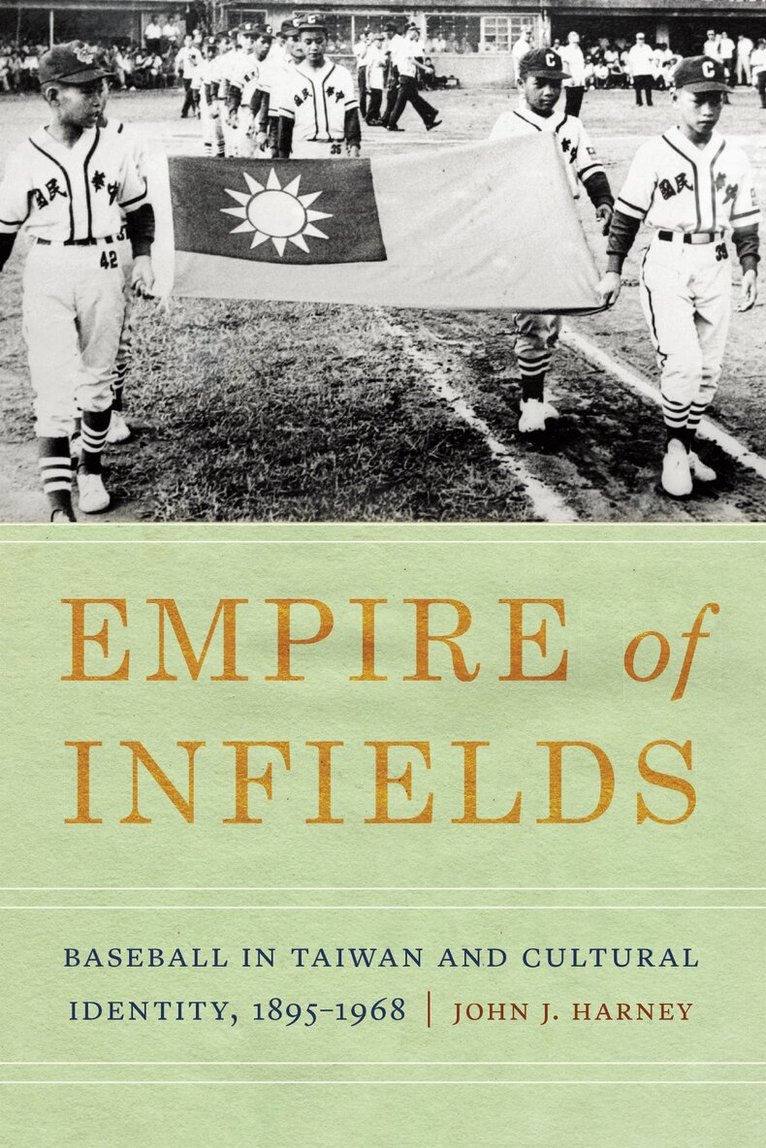
When the Empire of Japan defeated the Chinese Qing Dynasty in 1895 and won its first colony, Taiwan, it worked to establish it as a model colony. The Japanese brought Taiwan not only education and economic reform but also a new pastime made popular in Japan by American influence: baseball. But unlike in many other models, the introduction of baseball to Taiwan didn’t lead to imperial indoctrination or nationalist resistance. Taiwan instead stands as a fascinating counterexample to an otherwise seemingly established norm in the cultural politics of modern imperialism. Taiwan’s baseball culture evolved as a cultural hybrid between American, Japanese, and later Chinese influences.In Empire of Infields John J. Harney traces the evolution and identity of Taiwanese baseball, focusing on three teams: the Nenggao team of 1924–25, the Kanō team of 1931, and the Hongye schoolboy team of 1968. Baseball developed as an aspect of Japanese cultural practices that survived the end of Japanese rule at the end of World War II and was a central element of Japanese influence in the formation of popular culture across East Asia. The Republic of China (which reclaimed Taiwan in 1945) only embraced baseball in 1968 as an expression of a distinct Chinese nationalism and as a vehicle for political narratives.Empire of Infields explores not only the development of Taiwanese baseball but also the influence of baseball on Taiwan’s cultural identity in its colonial years and beyond as a clear departure from narratives of assimilation and resistance.
702 kr
Skickas inom 10-15 vardagar
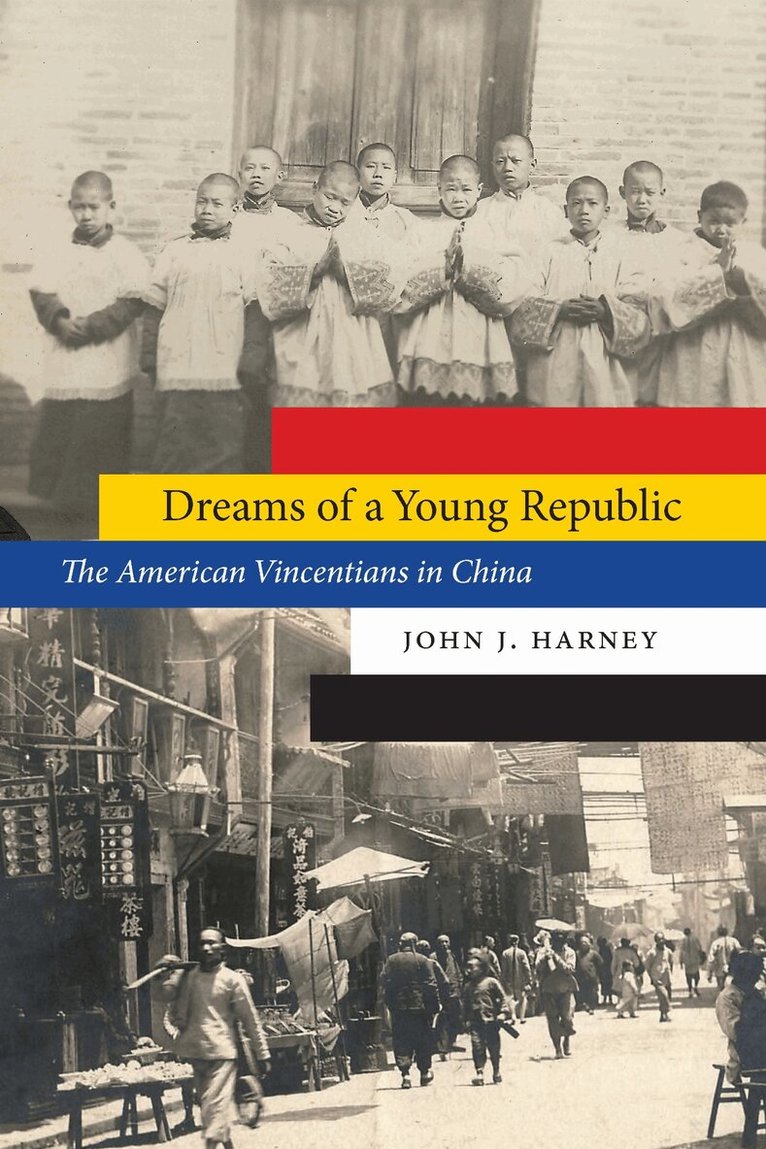
The Congregation of the Mission, a Catholic order known as the Vincentians after their founder Saint Vincent de Paul, began missionary work in China in 1699. First run by French priests and nuns, American priests took over a large vicariate in the south of China in 1921. French envoys of nineteenth-century imperialism had given way to American priests who ascribed to an idealized vision of a modern democratic China. For the Americans, China was a dream: a place liberated from centuries of imperial orthodoxy, a nascent democracy, a country that would forever be free and democratic-and thus one that would inevitably be capitalist and more friendly to Catholicism.In Dreams of a Young Republic John J. Harney examines the perceptions and expectations of this group of American Catholic missionaries between the 1911 revolution that created the Republic of China and the communist revolution of 1949 that led to the collapse of that republic on the Chinese mainland. The Vincentians experienced warlordism, Nationalist leader Chiang Kai-shek’s partial unification of the country, Japanese invasion during World War II, and communist revolution. Through all this they clung to a vision of a free, democratic China friendly to the West. As Harney contextualizes the Vincentians’ observations and desires, he provides insight into the China that came to be and offers a history of a Sino-American relationship with much deeper roots than the antagonisms of the Cold War and the decades that have followed.