
John J. Kucich - Böcker
Visar alla böcker från författaren John J. Kucich. Handla med fri frakt och snabb leverans.
2 produkter
2 produkter
387 kr
Skickas inom 7-10 vardagar
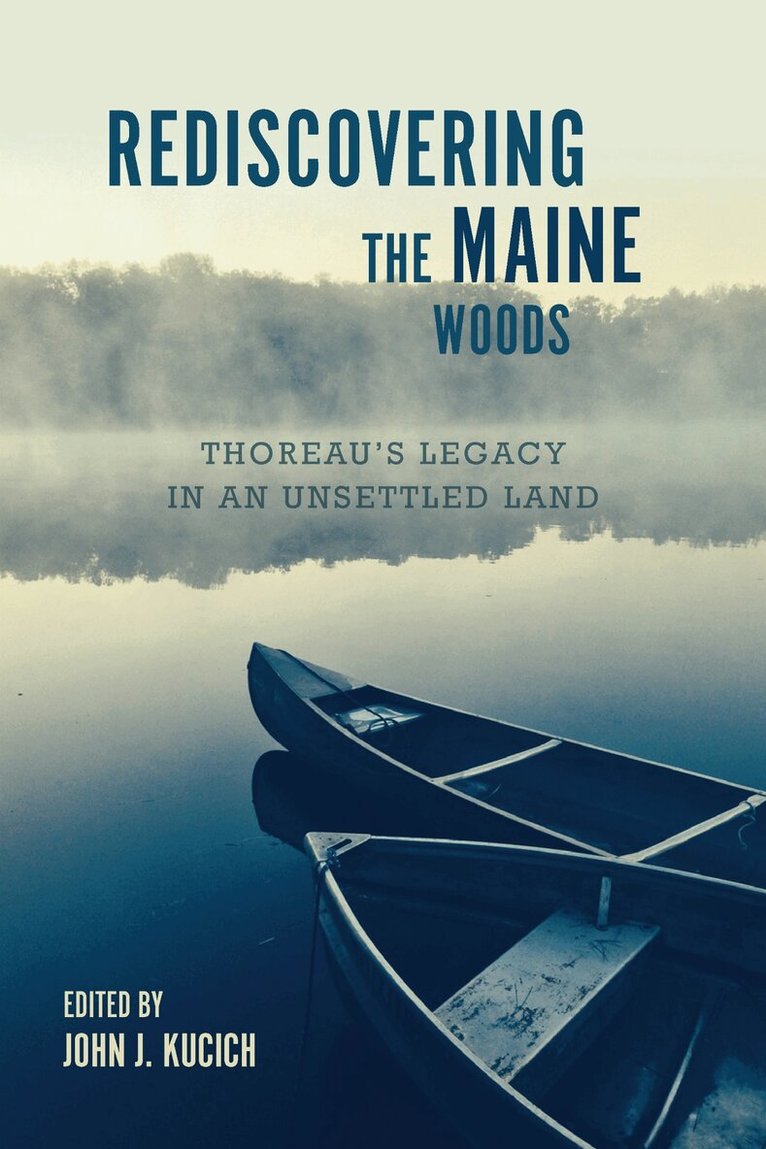
The Maine Woods, vast and largely unsettled, are often described as unchanged since Henry David Thoreau's 1847 journey across the backcountry, in spite of the realities of Indian dispossession and the visible signs of logging, settlement, tourism, and real estate development. In the summer of 2014 scholars, indigenous peoples, activists, and other individuals retraced Thoreau's route.Inspired partly by this expedition, the accessible and engaging essays here offer valuable new perspectives on conservation, the cultural ties that connect Native communities to the land, and the profound influence the geography of the Maine Woods had on Thoreau and writers and activists who followed in his wake. Together, these essays offer a rich and multifaceted look at this special place and the ways in which Thoreau's Maine experiences continue to shape understandings of the environment a century and a half later.Contributors include the volume editor, Kathryn Dolan, James S. Finley, James Francis, Richard W. Judd, Dale Potts, Melissa Sexton, Chris Sockalexis, Stan Tag, Robert M. Thorson, and Laura Dassow Walls.
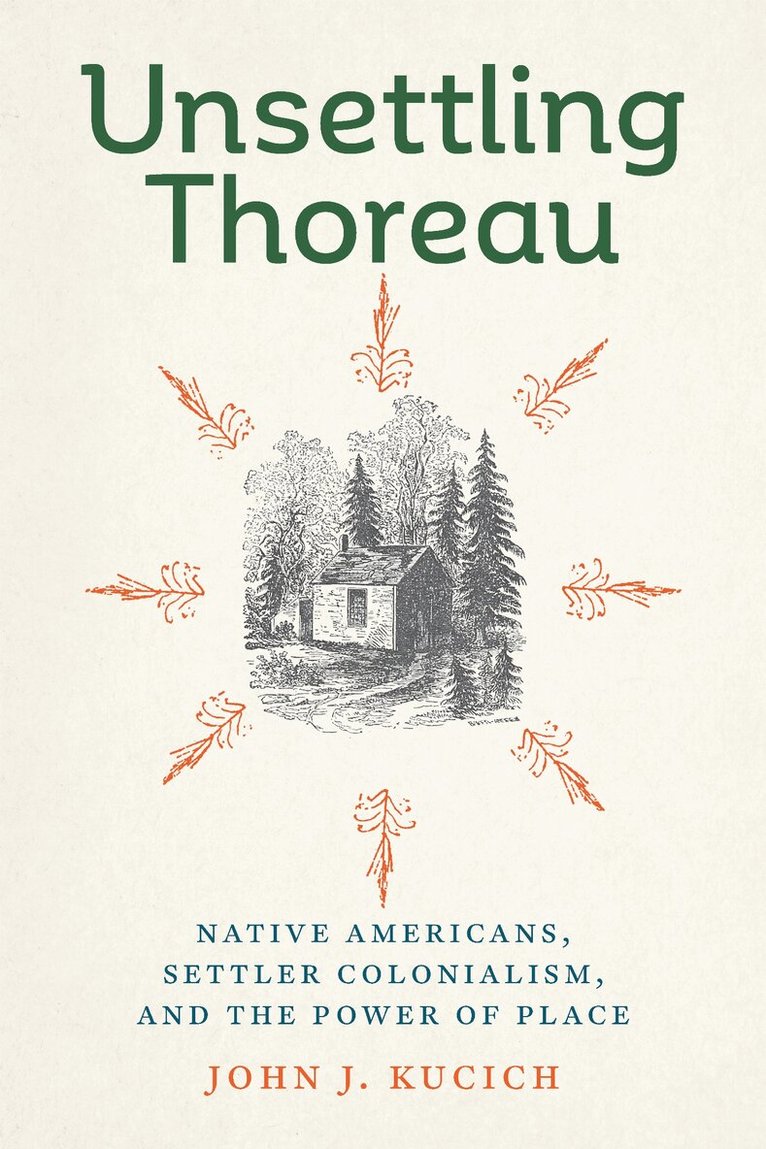
Unsettling Thoreau
Native Americans, Settler Colonialism, and the Power of Place
Häftad, Engelska, 2024
387 kr
Skickas inom 7-10 vardagar
Henry David Thoreau’s interest in Native Americans is widely known and a recurring topic of scholarly attention, yet it is also a source of debate. This is a figure who both had a deep interest in Native American history and culture and was seen by many of his contemporaries, including Ralph Waldo Emerson and Nathaniel Hawthorne, as “more like an Indian” than his white neighbors. At the same time, Thoreau did little to protest the systematic dispossession of Indigenous people across the country in his lifetime. John J. Kucich charges into this contradiction, considering how Thoreau could demonstrate respect for Native American beliefs on one hand and ignore the genocide of this group, actively happening throughout his life, on the other. Thoreau’s long study of Native peoples, as reflected in so much of his writing, allowed him to glimpse an Indigenous worldview, but it never fully freed him from the blind spots of settler colonialism.Drawing on Indigenous studies and critiques of settler colonialism, as well as new materialist approaches that illustrate Thoreau’s radical reimagining of the relationship between humans and the natural world, Unsettling Thoreau explores the stakes of Thoreau’s effort to live mindfully and ethically in place when living alongside, or replacing marginalized peoples. By examining the vast sweep of his writings, including the unpublished Indian Notebooks, and placing them alongside Native writers and communities in and beyond New England, this book gauges Thoreau’s effort to use Indigenous knowledge to reimagine a settler colonial world, without removing him from its trappings.