John J. Madden - Böcker
Visar alla böcker från författaren John J. Madden. Handla med fri frakt och snabb leverans.
5 produkter
5 produkter
1 638 kr
Skickas inom 10-15 vardagar
This volume focuses on the relationship between the nervous and the immune system with regard to the effects of drugs of abuse and infections, including infection caused by the immunodeficiency virus which causes AIDS. Chapters focus on the brain-immune axis, detailing the effects of drugs of abuse. Serious concerns have been raised about the consequences of using such drugs, especially in relation to their effects on normal physiological responses, including immune mechanisms. It is now widely recognized not only that many drugs of abuse have serious consequences on normal parameters of neurologic and neuroendocrine systems in general but also that effects on those systems, in turn, may affect indirectly immunity and also directly affect immune systems. Much data has now been accumulated showing that drugs of abuse markedly alter the immune response in human populations as well as in experimental animals, both in vivo and in vitro. Furthermore, studies on microbial infections have shown that many drugs of abuse are associated with increased susceptibility to infectious diseases, especially opportunistic intracellular micro-organisms.
556 kr
Skickas inom 10-15 vardagar
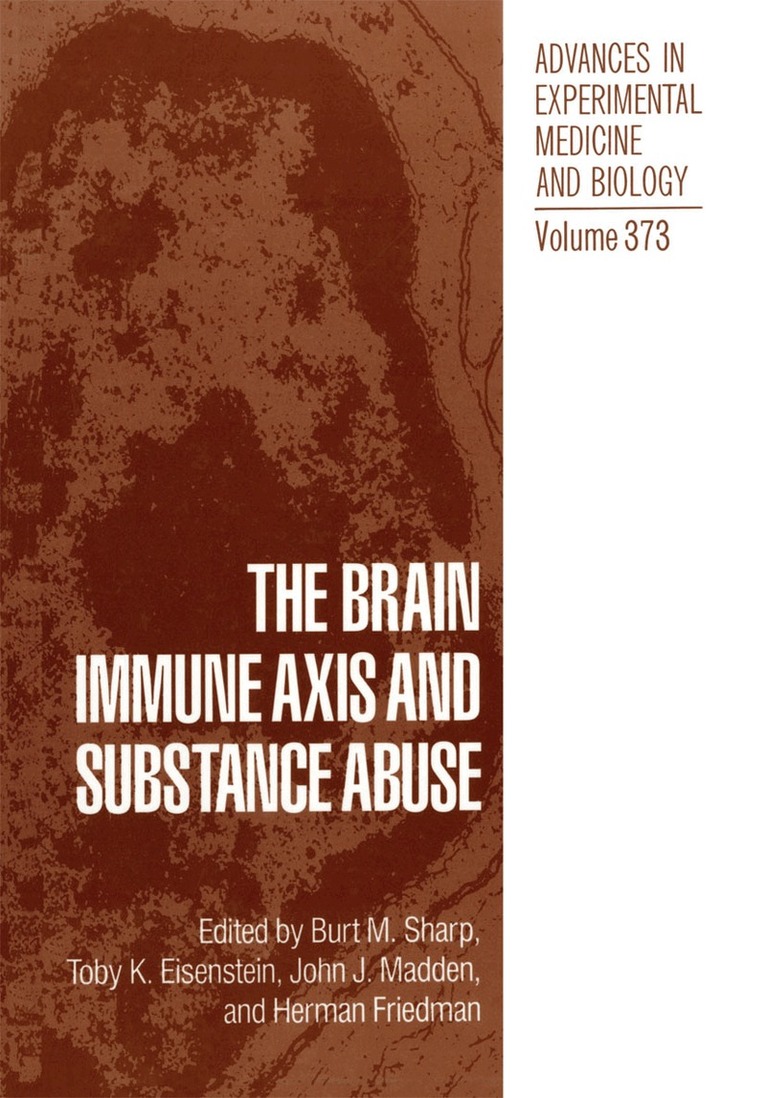
This volume represents the proceedings of the 2nd annual symposium on the Brain Immune Axis and Substance Abuse held at the Breakers Hotel in Palm Beach, FL in June 1994. The history of productive studies concerning the relationship between the nervous and the immune systems is relatively recent. Studies on the effects of drugs of abuse on the immune system and on infections among individuals who abuse drugs are also of recent vintage. Only in the last decade have investigators begun to describe the role of drugs of abuse and their endogenous counterparts on the brain-immune axis. Thus, the involvement of the neuroendocrine system in the interactions of drugs of abuse and the immune system has only recently been appreciated. In addition, it has been recognized that direct neural inputs impact immune function. Given the complexity of these interactions, characterization of biologically significant phenomena and elucidation of their mechanisms of action often requires a multidisciplinary approach. This meeting, on which the chapters in this book are based, brought together scientists from an array of biomedical disciplines whose work is focused on the effects of drugs of abuse on the neuro-endocrine immune axis. The meeting was unique in focusing on the brain-immune axis from the viewpoint of drugs of abuse rather than either immunity itself or the brain itself. Presentations addressed the direct effects of drugs of abuse on various components of the immune system, as well as those mediated indirectly by the central nervous system and the neuroendocrine system.
556 kr
Skickas inom 10-15 vardagar
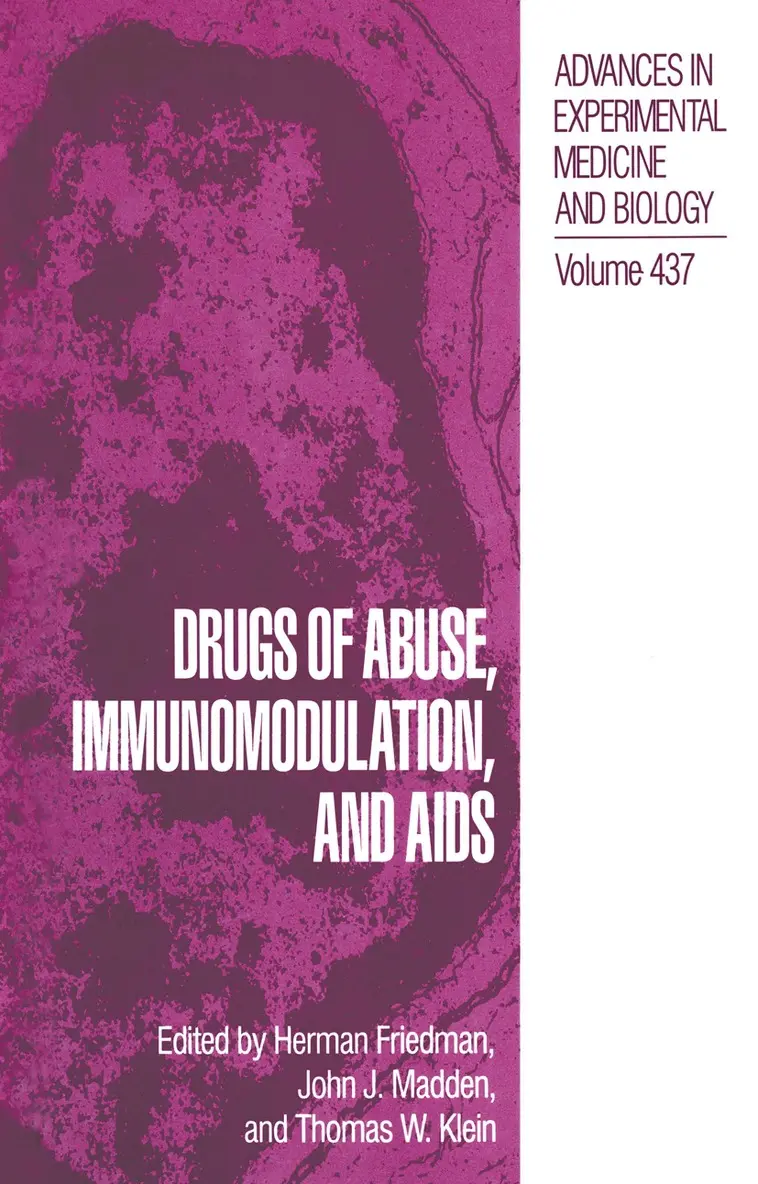
Introduction and Perspectives This volume represents the Proceedings of the Fifth Annual Symposium on Drugs of Abuse, Immunomodulation, and AIDS. The meeting was held in Nashville, Tennessee, June 12-14, 1997. In this symposium, as in the past, newer knowledge was reviewed concerning the relationship between the immune and the nervous systems with regard to the effects of drugs of abuse. This symposium focused on the relationship between the immune system and the nervous system with regard to the effects of drugs of abuse and infections such as the immunodeficiency virus that causes AIDS. As in the past symposia, presentations fo cused on the brain-immune axis from the viewpoint of drugs of abuse rather than from the subject of the brain or immunity alone. The aim of this series of conferences has been to clarify the consequences ofimmunomodulation induced by drugs of abuse on susceptibility and pathogenesis of infectious diseases, both in man and in various animal model systems. Recreational use of drugs of abuse, such as morphine, cocaine, and marijuana, as well as alcohol, by large numbers of individuals in this country and around the world has aroused serious concerns about the consequences of use of such drugs, especially on the normal physiological responses of an individual, including immune mechanisms. It is now widely known that many drugs of abuse, including marijuana, are used by millions ofindi viduals in this country and by even more abroad.
1 105 kr
Skickas inom 10-15 vardagar
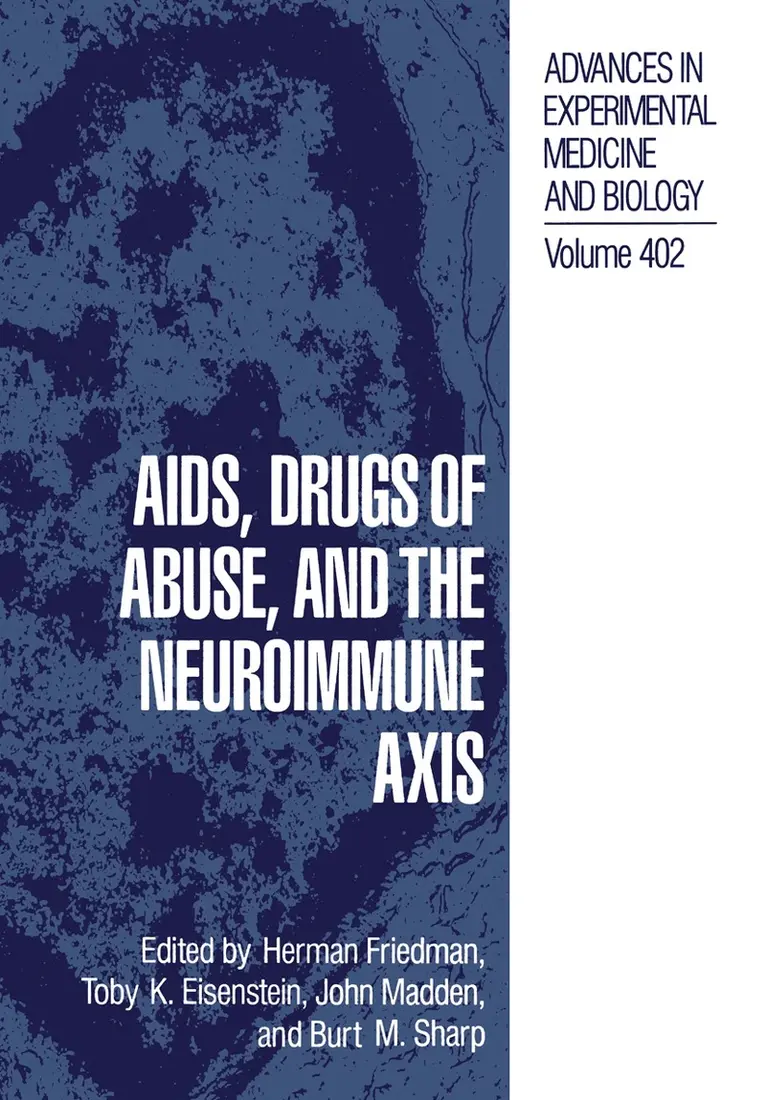
This volume represents the Proceedings of the Symposium on AIDS, Drugs of Abuse and the Neuroimmune Axis. This meeting was held in San Diego, California, November 11-13, 1995. As in the previous symposia in this series, productive studies were reviewed concerning the relationship between the nervous and the immune systems in regards to the relationship between drugs of abuse and infections, especially infections by the immunode ficiency virus that causes AIDS. In recent years, various investigators have begun to describe the role of illicit drugs and their endogenous counterparts on the brain-immune axis. It is widely recognized that the neuroendocrine system is intimately involved in the effects and manifestations of the interactions of drugs of abuse and the immune system. The meeting on which the chapters in this book are based brought together many biological scientists from an array of various scientific disciplines whose work is focused on the effects of drugs of abuse on the neuroendocrine-immune axis and its relationships to immunodeficiency caused by the AIDS virus. As in the past, the symposium was unique in focusing on the . brain-immune axis from the viewpoint of drugs of abuse rather than from the viewpoint of immunity or the brain itself.
1 638 kr
Skickas inom 10-15 vardagar
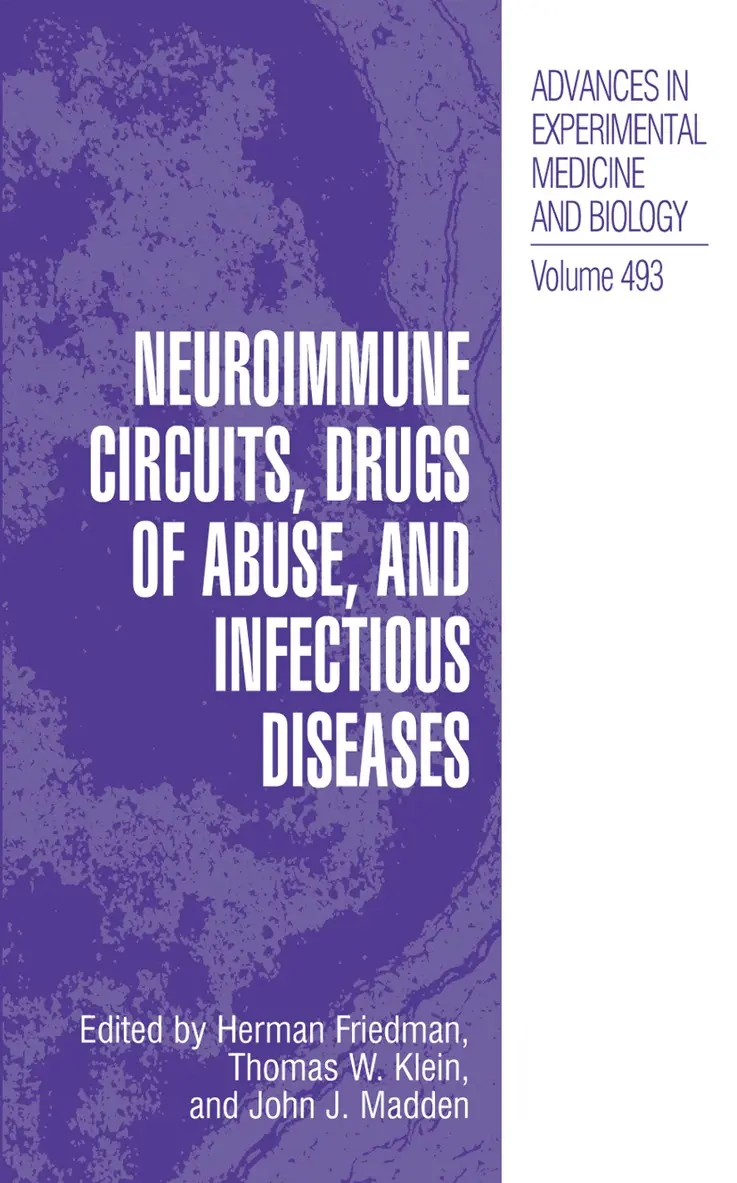
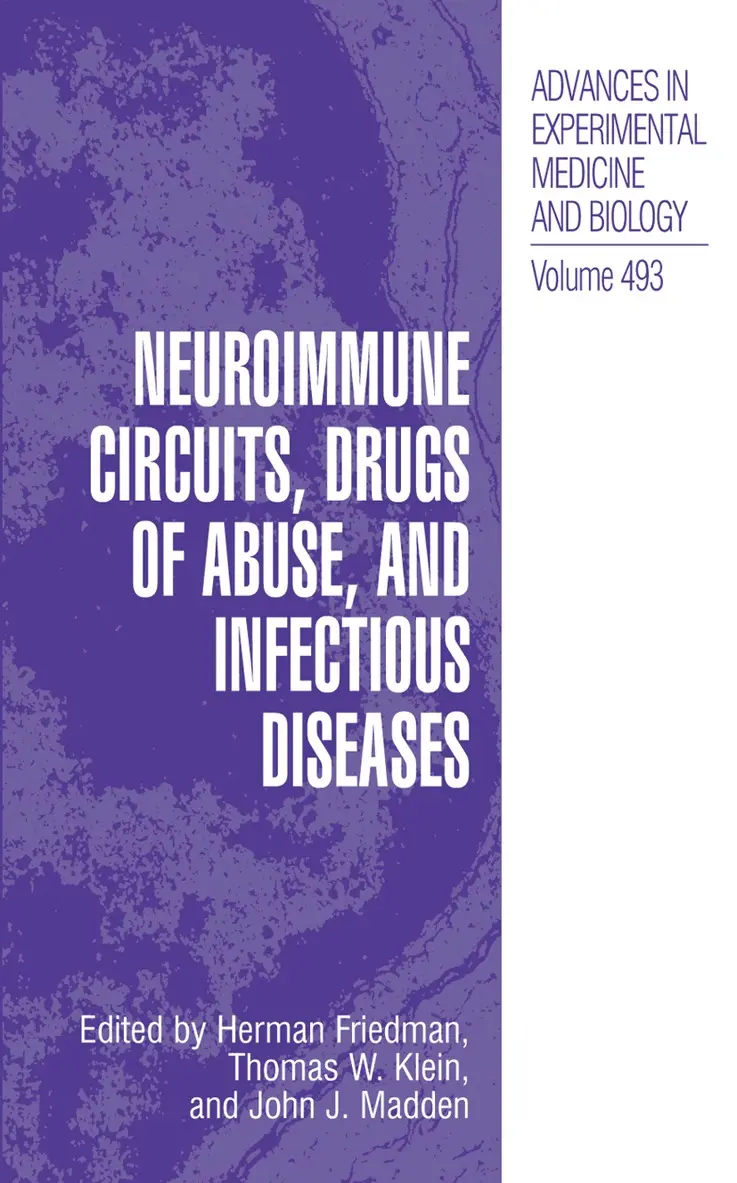
Introduction and Perspectives This volume is based on the proceedings of the 7th annual symposium on the topic Neuroimmune Circuits, Infectious Diseases and Drugs of Abuse, Bethesda, Maryland, Oc- ber 7–9, 1999. This symposium, as in the past, focused on newer knowledge concerning the relationship between the immune and nervous systems with regards to the effects of drugs of abuse and infections, including AIDS, caused by the immunodeficiency virus. Presentations discussed the brain-immune axis from the viewpoint of drugs of abuse rather than from the subject of the brain or immunity alone. The major aim of this series of conferences has been to clarify the consequences of immunomodulation induced by drugs of abuse in regards to susceptibility and pathogenesis of infectious diseases, both in man and in various animal model systems. The recreational use of drugs of abuse such as morphine, cocaine, and marijuana by large numbers of individuals in this country and around the world has continued to arouse serious concerns about the consequences of use of such drugs, especially on the normal physiological responses of an individual, including immune responses. Much of the recent data accumulated by investigators show that drugs of abuse, especially opioids and cannabinoids, markedly alter immune responses in human populations as well as in experimental animals, both in vivo and in vitro.