John K. Nelson - Böcker
Visar alla böcker från författaren John K. Nelson. Handla med fri frakt och snabb leverans.
5 produkter
5 produkter
1 689 kr
Skickas inom 3-6 vardagar
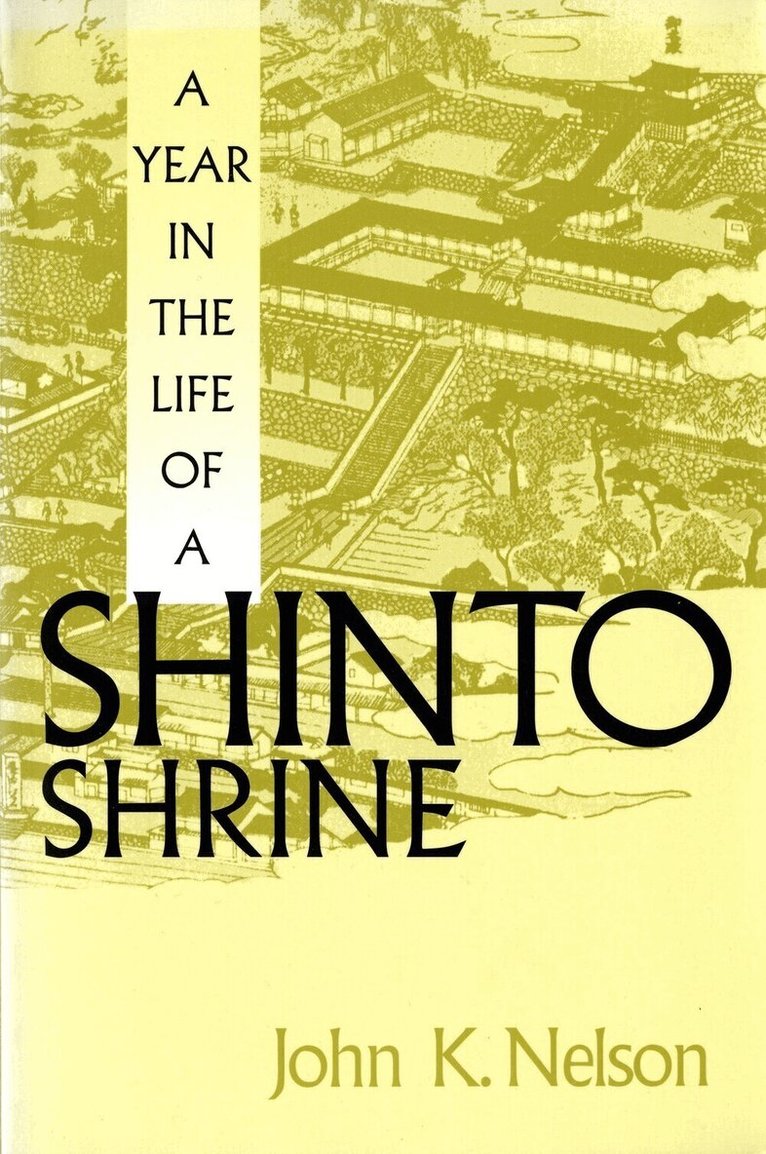
What we today call Shinto has been at the heart of Japanese culture for almost as long as there has been a political entity distinguishing itself as Japan. A Year in the Life of a Shinto Shrine describes the ritual cycle at Suwa Shrine, Nagasaki’s major Shinto shrine. Conversations with priests, other shrine personnel, and people attending shrine functions supplement John K. Nelson’s observations of over fifty shrine rituals and festivals. He elicits their views on the meaning and personal relevance of the religious events and the place of Shinto and Suwa Shrine in Japanese society, culture, and politics. Nelson focuses on the very human side of an ancient institution and provides a detailed look at beliefs and practices that, although grounded in natural cycles, are nonetheless meaningful in late-twentieth-century Japanese society.Nelson explains the history of Suwa Shrine, basic Shinto concepts, and the Shinto worldview, including a discussion of the Kami, supernatural forces that pervade the universe. He explores the meaning of ritual in Japanese culture and society and examines the symbols, gestures, dances, and meanings of a typical shrine ceremony. He then describes the cycle of activities at the shrine during a calendar year: the seasonal rituals and festivals and the petitionary, propitiary, and rite-of-passage ceremonies performed for individuals and specific groups. Among them are the Dolls’ Day festival, in which young women participate in a procession and worship service wearing Heian period costumes; the autumn Okunchi festival, which attracts participants from all over Japan and even brings emigrants home for a visit; the ritual invoking the blessing of the Kami for young children; and the ritual sanctifying the earth before a building is constructed. The author also describes the many roles women play in Shinto and includes an interview with a female priest.Shinto has always been attentive to the protection of communities from unpredictable human and divine forces and has imbued its ritual practices with techniques and strategies to aid human life. By observing the Nagasaki shrine’s traditions and rituals, the people who make it work, and their interactions with the community at large, the author shows that cosmologies from the past are still very much a part of the cultural codes utilized by the nation and its people to meet the challenges of today.
502 kr
Skickas inom 7-10 vardagar
What we today call Shinto has been at the heart of Japanese culture for almost as long as there has been a political entity distinguishing itself as Japan. A Year in the Life of a Shinto Shrine describes the ritual cycle at Suwa Shrine, Nagasaki’s major Shinto shrine. Conversations with priests, other shrine personnel, and people attending shrine functions supplement John K. Nelson’s observations of over fifty shrine rituals and festivals. He elicits their views on the meaning and personal relevance of the religious events and the place of Shinto and Suwa Shrine in Japanese society, culture, and politics. Nelson focuses on the very human side of an ancient institution and provides a detailed look at beliefs and practices that, although grounded in natural cycles, are nonetheless meaningful in late-twentieth-century Japanese society.Nelson explains the history of Suwa Shrine, basic Shinto concepts, and the Shinto worldview, including a discussion of the Kami, supernatural forces that pervade the universe. He explores the meaning of ritual in Japanese culture and society and examines the symbols, gestures, dances, and meanings of a typical shrine ceremony. He then describes the cycle of activities at the shrine during a calendar year: the seasonal rituals and festivals and the petitionary, propitiary, and rite-of-passage ceremonies performed for individuals and specific groups. Among them are the Dolls’ Day festival, in which young women participate in a procession and worship service wearing Heian period costumes; the autumn Okunchi festival, which attracts participants from all over Japan and even brings emigrants home for a visit; the ritual invoking the blessing of the Kami for young children; and the ritual sanctifying the earth before a building is constructed. The author also describes the many roles women play in Shinto and includes an interview with a female priest.Shinto has always been attentive to the protection of communities from unpredictable human and divine forces and has imbued its ritual practices with techniques and strategies to aid human life. By observing the Nagasaki shrine’s traditions and rituals, the people who make it work, and their interactions with the community at large, the author shows that cosmologies from the past are still very much a part of the cultural codes utilized by the nation and its people to meet the challenges of today.
287 kr
Skickas inom 10-15 vardagar
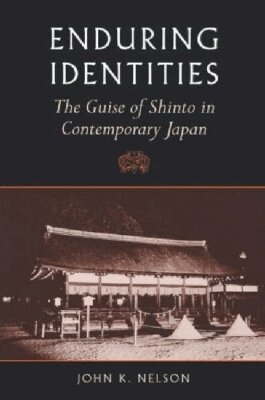
An attempt to understand Shinto's continuing relevance to the cultural identity of contemporary Japanese. Through an investigation of one of Japan's venerated Shinto shrines, it addresses what appears to western eyes to be an exotic and incongruous blend of superstition and reason.
647 kr
Skickas inom 10-15 vardagar
Blessed Company
Parishes, Parsons, and Parishioners in Anglican Virginia, 1690-1776
Häftad, Engelska, 2014
621 kr
Skickas inom 10-15 vardagar
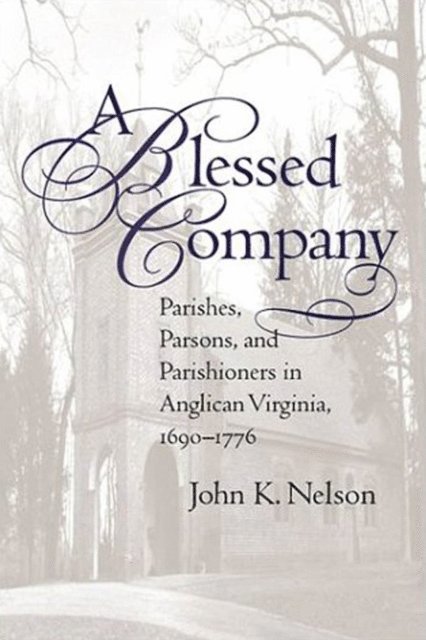
In this book, John Nelson reconstructs everyday Anglican religious practice and experience in Virginia from the end of the seventeenth century to the start of the American Revolution. Challenging previous characterizations of the colonial Anglican establishment as weak, he reveals the fundamental role the church played in the political, social, and economic as well as the spiritual lives of its parishioners. Drawing on extensive research in parish and county records and other primary sources, Nelson describes Anglican Virginia's parish system, its parsons, its rituals of worship and rites of passage, and its parishioners' varied relationships to the church. All colonial Virginians--men and women, rich and poor, young and old, planters and merchants, servants and slaves, dissenters and freethinkers--belonged to a parish. As such, they were subject to its levies, its authority over marriage, and other social and economic dictates. In addition to its religious functions, the parish provided essential care for the poor, collaborated with the courts to handle civil disputes, and exerted its influence over many other aspects of community life. A Blessed Company demonstrates that, by creatively adapting Anglican parish organization and the language, forms, and modes of Anglican spirituality to the Chesapeake's distinctive environmental and human conditions, colonial Virginians sustained a remarkably effective and faithful Anglican church in the Old Dominion.