John L. Heilbron – författare
Visar alla böcker från författaren John L. Heilbron. Handla med fri frakt och snabb leverans.
17 produkter
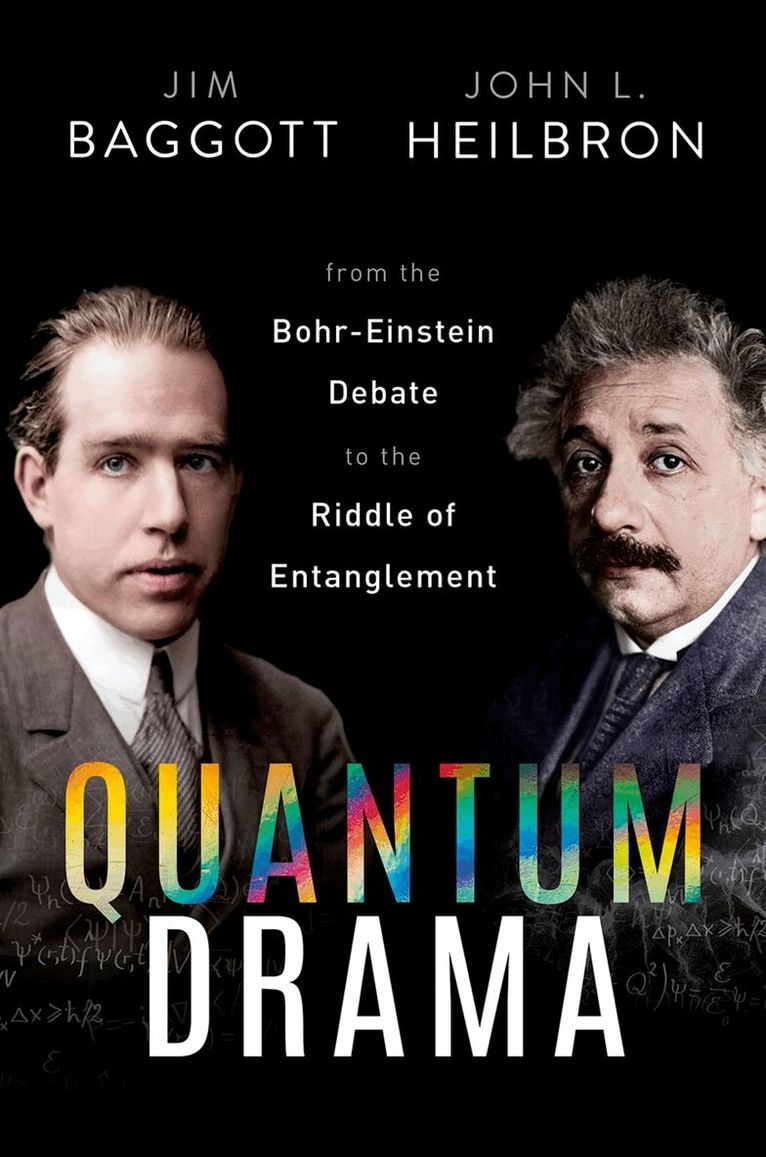
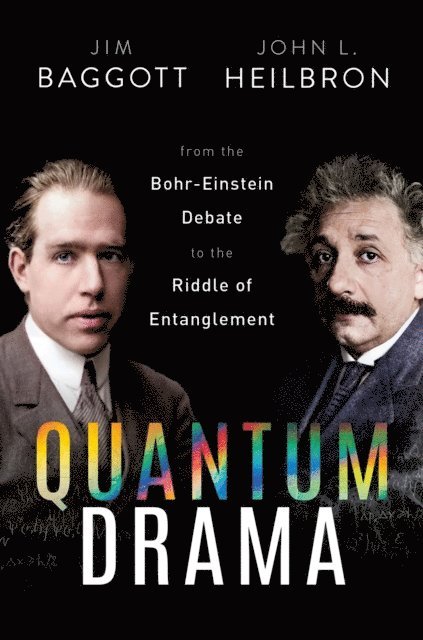
Quantum Drama
From the Bohr-Einstein Debate to the Riddle of Entanglement
Av Jim Baggott, John L. Heilbron
Inbunden, 2024
280 kr
Lägg i varukorg
The definitive account of the great Bohr-Einstein debate and its continuing legacyIn 1927, Niels Bohr and Albert Einstein began a debate about the interpretation and meaning of the new quantum theory. This would become one of the most famous debates in the history of science. At stake were an …
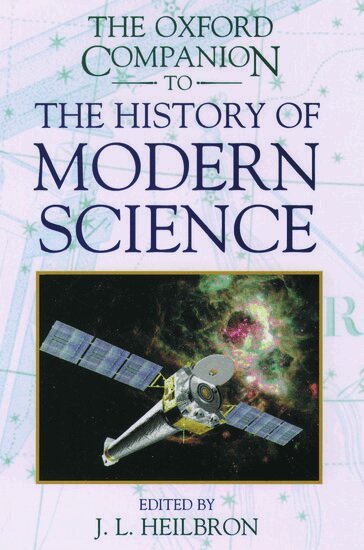
The Oxford Companion to the History of Modern Science
Inbunden, 2003
1841 kr
Lägg i varukorg
From the biographies on Galileo and Dorothy Hodgkin to the discussions chronicling the change of science from simply a tool of learning to a major force in society, The Oxford Companion to the History of Modern Science is the most comprehensive one-volume resource on science from 1550 to the …
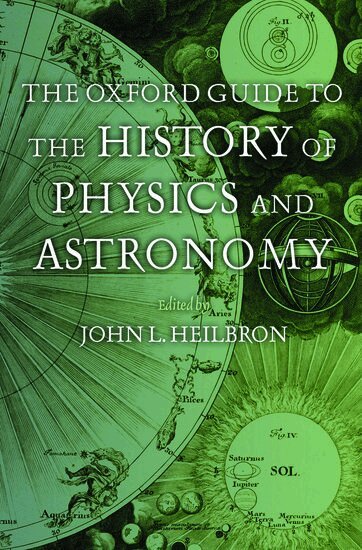
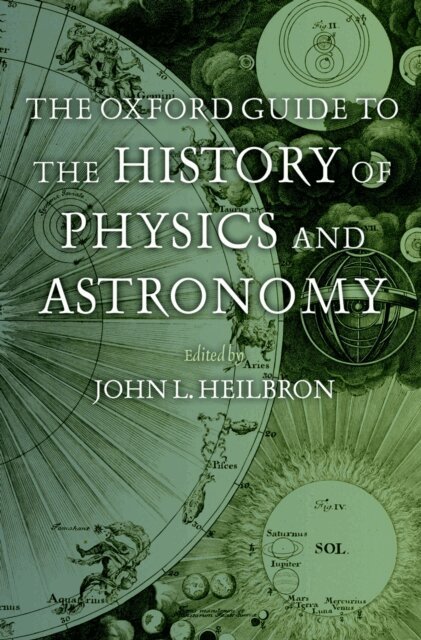
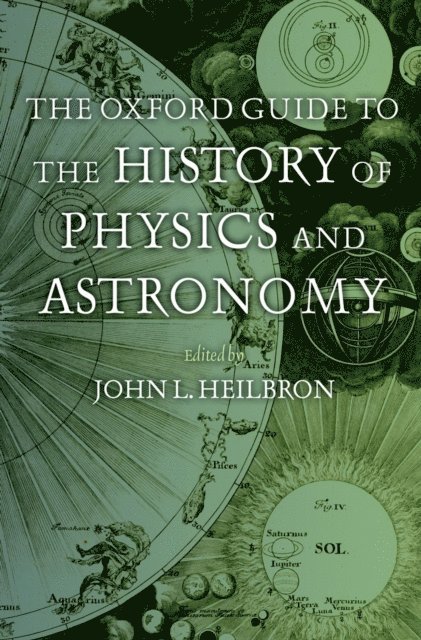
The Oxford Guide to the History of Physics and Astronomy
Inbunden, 2006
1023 kr
Lägg i varukorg
With over 150 alphabetically arranged entries about key scientists, concepts, discoveries, technological innovations, and learned institutions, the Oxford Guide to Physics and Astronomy traces the history of physics and astronomy from the Renaissance to the present. For students, teachers, …
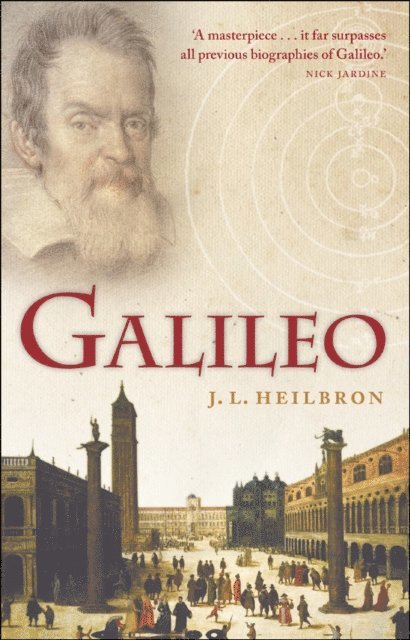
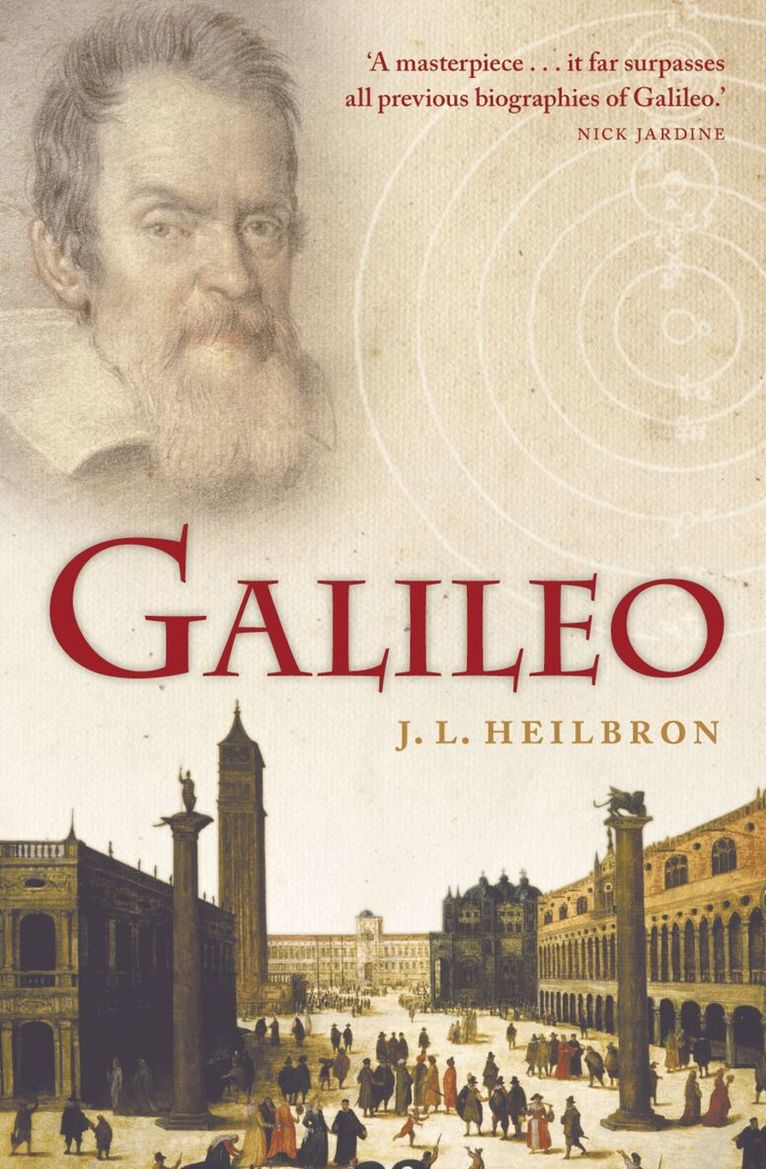
Galileo
E-bok, 2010
102 kr
Lägg i varukorg
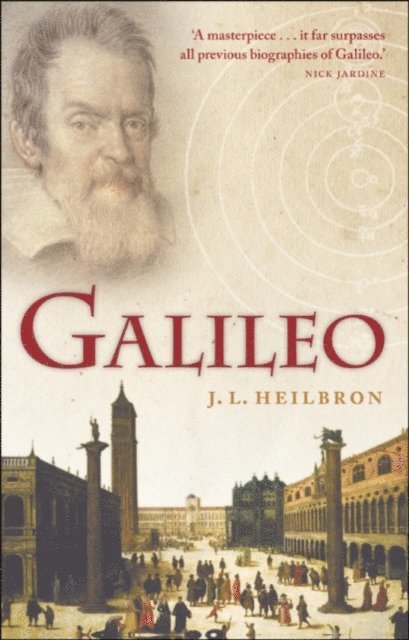
Just over four hundred years ago, in 1610, Galileo published the Siderius nuncius, or Starry Messenger, a ''hurried little masterpiece'' in John Heilbron''s words. Presenting to the world his remarkable observations using the recently invented telescope - of the craters of the moon, and the …
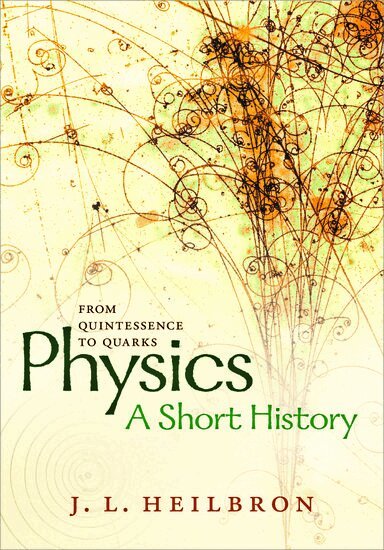
Physics: a short history from quintessence to quarks
E-bok, 2015
110 kr
Lägg i varukorg
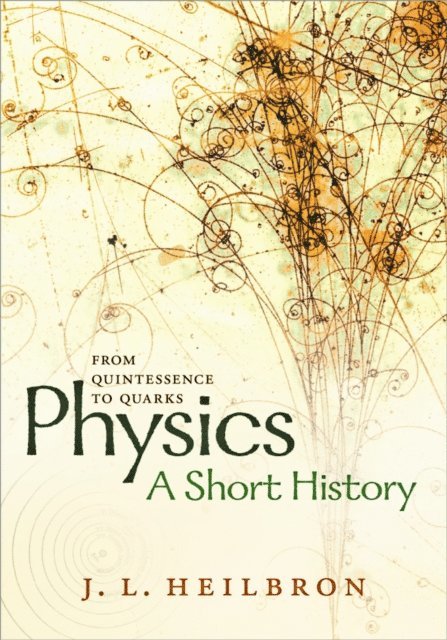
How does the physics we know today - a highly professionalised enterprise, inextricably linked to government and industry - link back to its origins as a liberal art in Ancient Greece? What is the path that leads from the old philosophy of nature and its concern with humankind''s place in the …
Physics: a short history from quintessence to quarks
E-bok, 2015
110 kr
Lägg i varukorg
How does the physics we know today - a highly professionalised enterprise, inextricably linked to government and industry - link back to its origins as a liberal art in Ancient Greece? What is the path that leads from the old philosophy of nature and its concern with humankind''s place in the …
Galileo
E-bok, 2010
99 kr
Lägg i varukorg
Just over four hundred years ago, in 1610, Galileo published the Siderius nuncius, or Starry Messenger, a ''hurried little masterpiece'' in John Heilbron''s words. Presenting to the world his remarkable observations using the recently invented telescope - of the craters of the moon, and the …
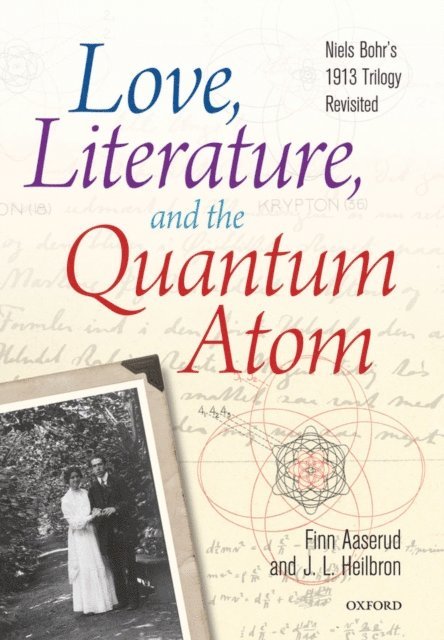
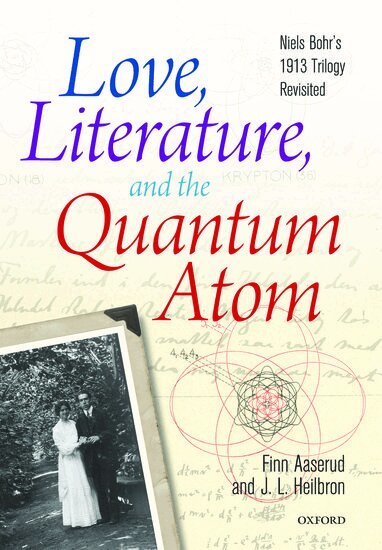
Love, Literature and the Quantum Atom
Niels Bohr's 1913 Trilogy Revisited
Av John L. Heilbron, Finn Aaserud
E-bok, 2013
954 kr
Lägg i varukorg
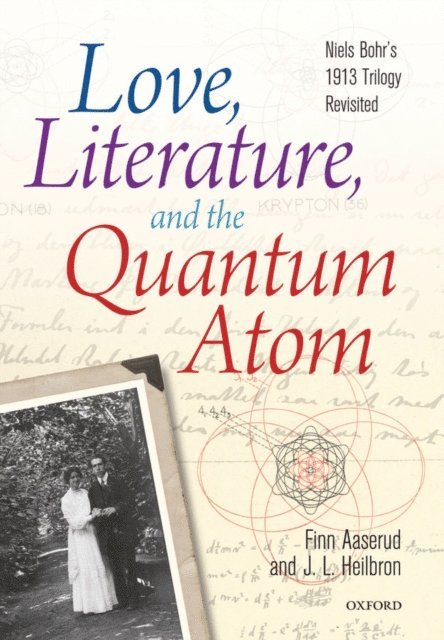
Niels Bohr ranks with Einstein among the physicists of the 20th century. He rose to this status through his invention of the quantum theory of the atom and his leadership in its defense and development. He also ranks with Einstein in his humanism and his sense of responsibility to his science and …
Love, Literature and the Quantum Atom
Niels Bohr's 1913 Trilogy Revisited
Av John L. Heilbron, Finn Aaserud
E-bok, 2013
954 kr
Lägg i varukorg
Niels Bohr ranks with Einstein among the physicists of the 20th century. He rose to this status through his invention of the quantum theory of the atom and his leadership in its defense and development. He also ranks with Einstein in his humanism and his sense of responsibility to his science and …
Quantum Drama
Bohr, Einstein, and the Integrity of Science
Av John L. Heilbron, Jim Baggott
E-bok, 2024
257 kr
Lägg i varukorg
The definitive account of the great Bohr-Einstein debate and its continuing legacy. In 1927, Niels Bohr and Albert Einstein began a debate about the interpretation and meaning of the new quantum theory. This would become one of the most famous debates in the history of science. At stake were an …
Quantum Drama
Bohr, Einstein, and the Integrity of Science
Av John L. Heilbron, Jim Baggott
E-bok, 2024
257 kr
Lägg i varukorg
The definitive account of the great Bohr-Einstein debate and its continuing legacy. In 1927, Niels Bohr and Albert Einstein began a debate about the interpretation and meaning of the new quantum theory. This would become one of the most famous debates in the history of science. At stake were an …
Quantum Drama
From the Bohr-Einstein Debate to the Riddle of Entanglement
Av Jim Baggott, John L. Heilbron
Häftad, 2026
145 kr
Lägg i varukorg
The definitive account of the great Bohr-Einstein debate and its continuing legacy.In 1927, Niels Bohr and Albert Einstein began a debate about the interpretation and meaning of the new quantum theory. This would become one of the most famous debates in the history of science. At stake were an …
Physics: a short history from quintessence to quarks
Inbunden, 2015
155 kr
Lägg i varukorg
How does the physics we know today - a highly professionalised enterprise, inextricably linked to government and industry - link back to its origins as a liberal art in Ancient Greece? What is the path that leads from the old philosophy of nature and its concern with humankind's place in the …
Galileo
Häftad, 2012
209 kr
Lägg i varukorg
Just over four hundred years ago, in 1610, Galileo published the Siderius nuncius, or Starry Messenger, a 'hurried little masterpiece' in John Heilbron's words. Presenting to the world his remarkable observations using the recently invented telescope - of the craters of the moon, and the satellites …
Love, Literature and the Quantum Atom
Niels Bohr's 1913 Trilogy Revisited
Av Finn Aaserud, John L. Heilbron
Inbunden, 2013
1158 kr
Lägg i varukorg
Niels Bohr ranks with Einstein among the physicists of the 20th century. He rose to this status through his invention of the quantum theory of the atom and his leadership in its defense and development. He also ranks with Einstein in his humanism and his sense of responsibility to his science and …
Oxford Guide to the History of Physics and Astronomy
E-bok, 2005
715 kr
Lägg i varukorg
With over 150 alphabetically arranged entries about key scientists, concepts, discoveries, technological innovations, and learned institutions, the Oxford Guide to Physics and Astronomy traces the history of physics and astronomy from the Renaissance to the present. For students, teachers, …
Oxford Guide to the History of Physics and Astronomy
E-bok, 2005
715 kr
Lägg i varukorg
With over 150 alphabetically arranged entries about key scientists, concepts, discoveries, technological innovations, and learned institutions, the Oxford Guide to Physics and Astronomy traces the history of physics and astronomy from the Renaissance to the present. For students, teachers, …