John L. Mackay – författare
Visar alla böcker från författaren John L. Mackay. Handla med fri frakt och snabb leverans.
3 produkter
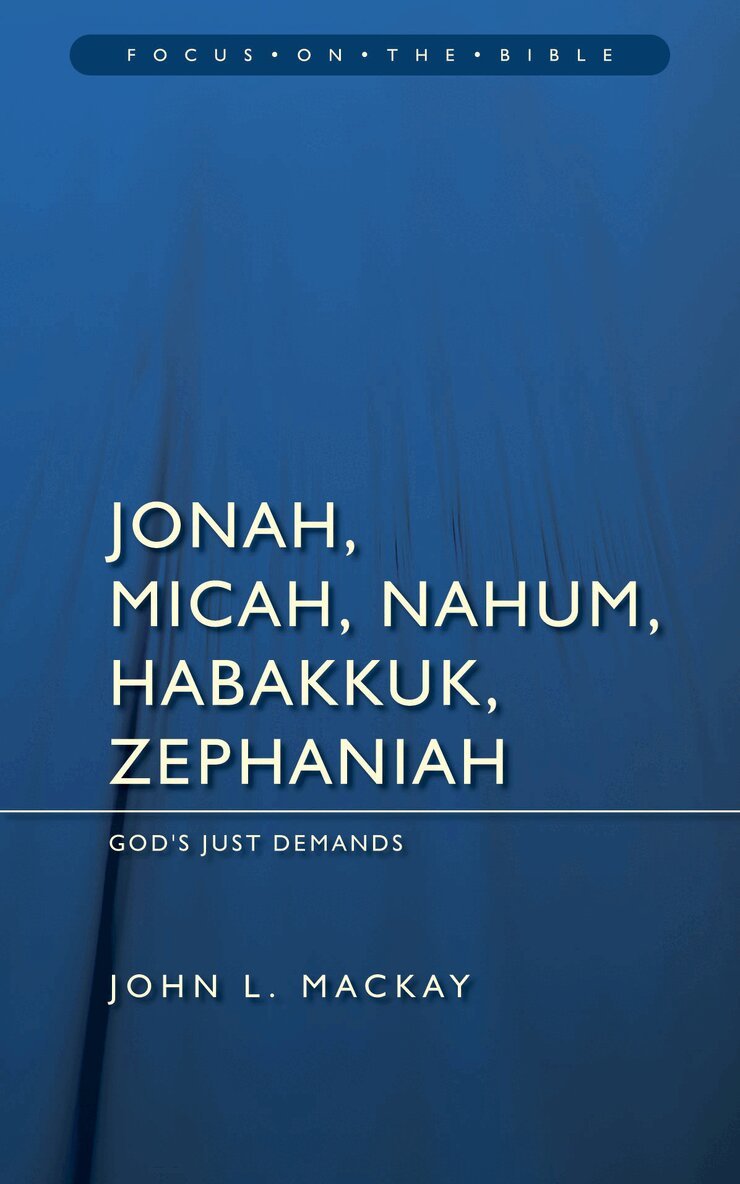
Jonah, Micah, Nahum, Habakkuk & Zephaniah: God's Just Demands
God’s Just Demands
Häftad, 2008
123 kr
Lägg i varukorg
These prophets were writing in the time period 7th to 8th Century BC. Nahum, Habakkuk and Zephaniah were all writing towards the end of the 7th Century BC. Micah’s is the oldest prophecy here, he was a contemporary of Isaiah, Jonah came in between at the start of the 7th Century.The major prophetic …
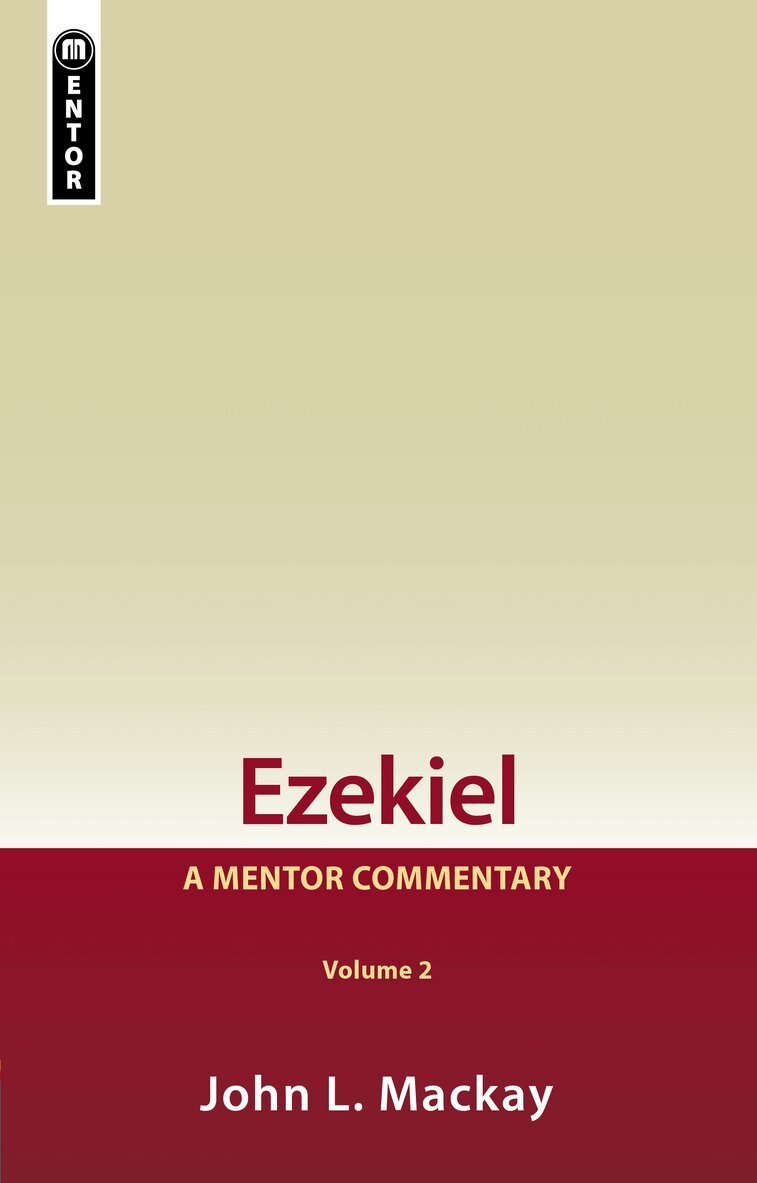
Ezekiel Vol 2: A Mentor Commentary
A Mentor Commentary
Inbunden, 2018
414 kr
Tillfälligt slut
Ezekiel was a prophet during the dark days of the exile of his people in Babylon, both before and after the destruction of the city of Jerusalem. Speaking to a people who had lost everything, Ezekiel nevertheless had the difficult task of making Judah aware of their rebellion against God – and of …
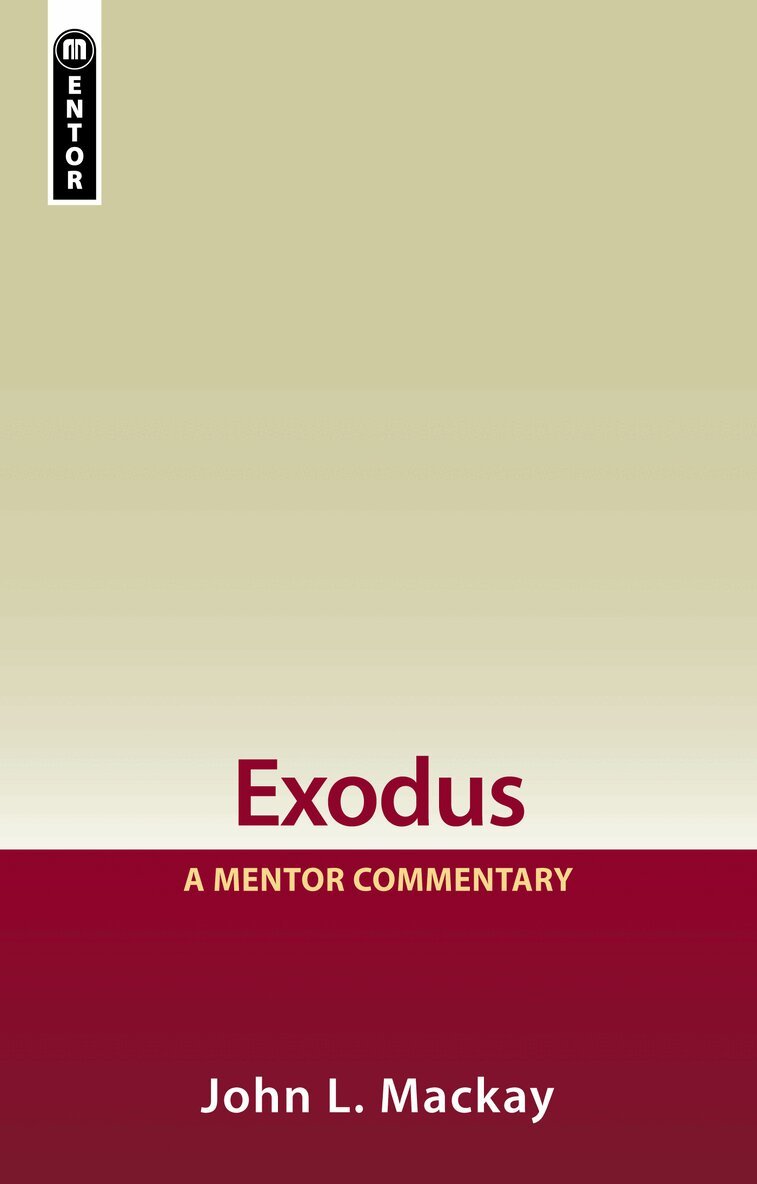
Exodus: A Mentor Commentary
A Mentor Commentary
Inbunden, 2001
212 kr
Tillfälligt slut
The book of Exodus is about a journey: a journey out of Egypt, but more particularly a journey from a land where God’s power, sovereignty and continuing interest in his people could be easily questioned, to a place where God dwelt in the midst of his people. Exodus describes God’s power, his …