John Limon – författare
Visar alla böcker från författaren John Limon. Handla med fri frakt och snabb leverans.
12 produkter
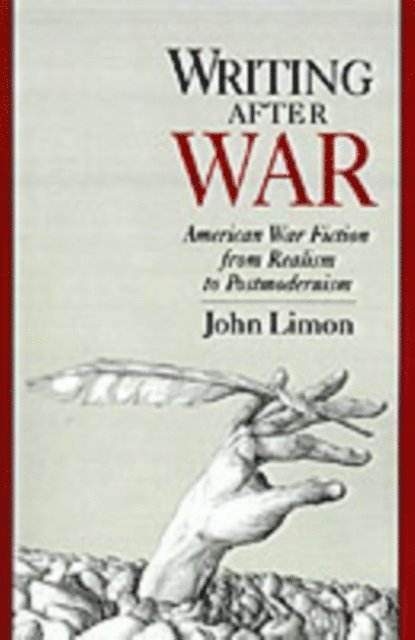
Writing after War
American War Fiction from Realism to Postmodernism
Av John Limon
E-bok, 1994
1160 kr
Lägg i varukorg
In Writing After War , John Limon develops a theory of the relationship of war in general to literature in general, in order to make sense of American literary history in particular. Applying the work of war theorists Carl von Clausewitz and Elaine Scarry, John Limon argues that The Iliad …
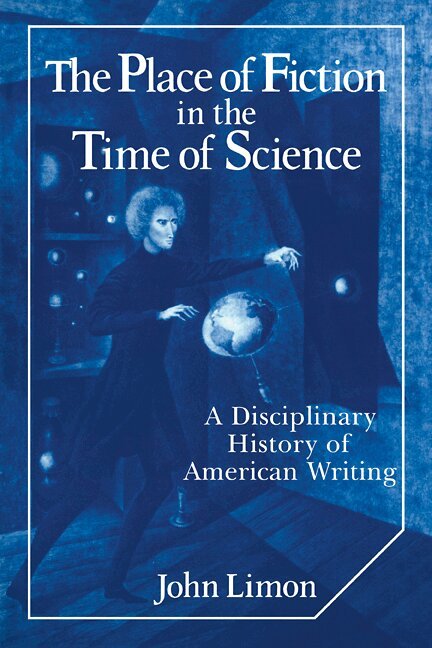
The Place of Fiction in the Time of Science
A Disciplinary History of American Writing
Av John Limon
Häftad, 2009
654 kr
Lägg i varukorg
In this 1990 book John Limon examines the various ways American authors have approached the writing of fiction (and justified that writing) in an age increasingly dominated by science. He focuses in particular on Charles Brockden Brown, Edgar Allen Poe and Nathaniel Hawthorne - three highly …
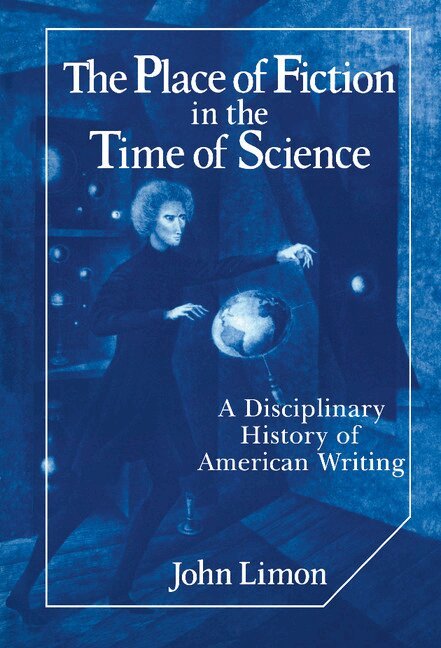
The Place of Fiction in the Time of Science
A Disciplinary History of American Writing
Av John Limon, Albert Gelpi m. fl.
Inbunden, 1990
1910 kr
Lägg i varukorg
In this 1990 book John Limon examines the various ways American authors have approached the writing of fiction (and justified that writing) in an age increasingly dominated by science. He focuses in particular on Charles Brockden Brown, Edgar Allen Poe and Nathaniel Hawthorne - three highly …
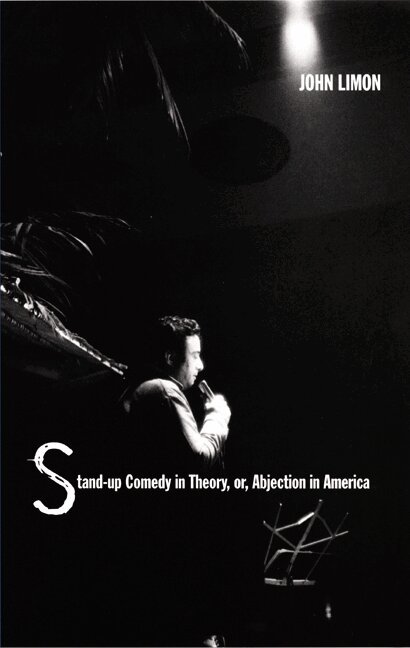
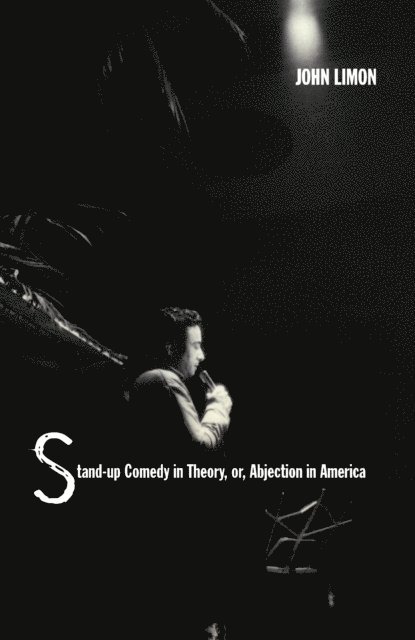
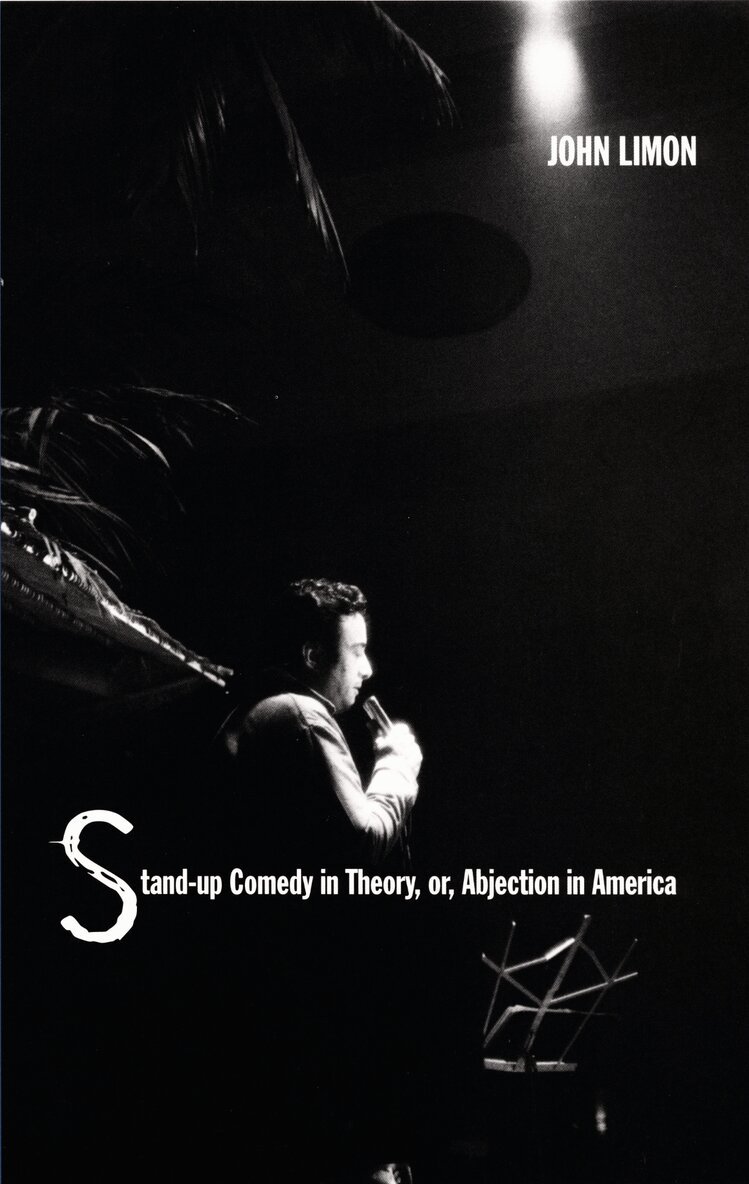
Stand-up Comedy in Theory, or, Abjection in America
Av John Limon
Häftad, 2000
329 kr
Lägg i varukorg
Stand-Up Comedy in Theory, or, Abjection in America is the first study of stand-up comedy as a form of art. John Limon appreciates and analyzes the specific practice of stand-up itself, moving beyond theories of the joke, of the comic, and of comedy in general to read stand-up through the lens of …
Stand-up Comedy in Theory, or, Abjection in America
Av John Limon
E-bok, 2000
503 kr
Lägg i varukorg
Stand-Up Comedy in Theory, or, Abjection in America is the first study of stand-up comedy as a form of art. John Limon appreciates and analyzes the specific practice of stand-up itself, moving beyond theories of the joke, of the comic, and of comedy in general to read stand-up through the lens of …
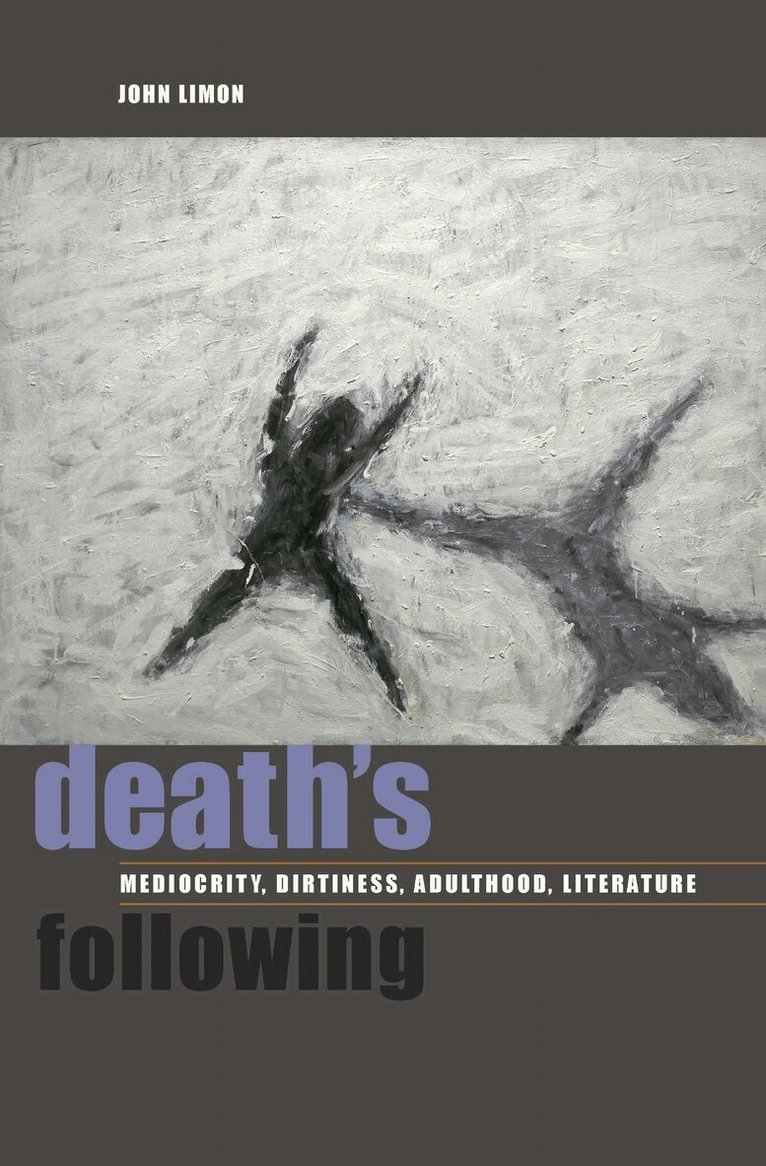
Death's Following
Mediocrity, Dirtiness, Adulthood, Literature
Av John Limon
Inbunden, 2012
1096 kr
Lägg i varukorg
Almost all twentieth-century philosophy stresses the immanence of death in human life—as drive (Freud), as the context of Being (Heidegger), as the essence of our defining ethics (Levinas), or as language (de Man, Blanchot). In Death's Following, John Limon makes use of literary analysis (of …
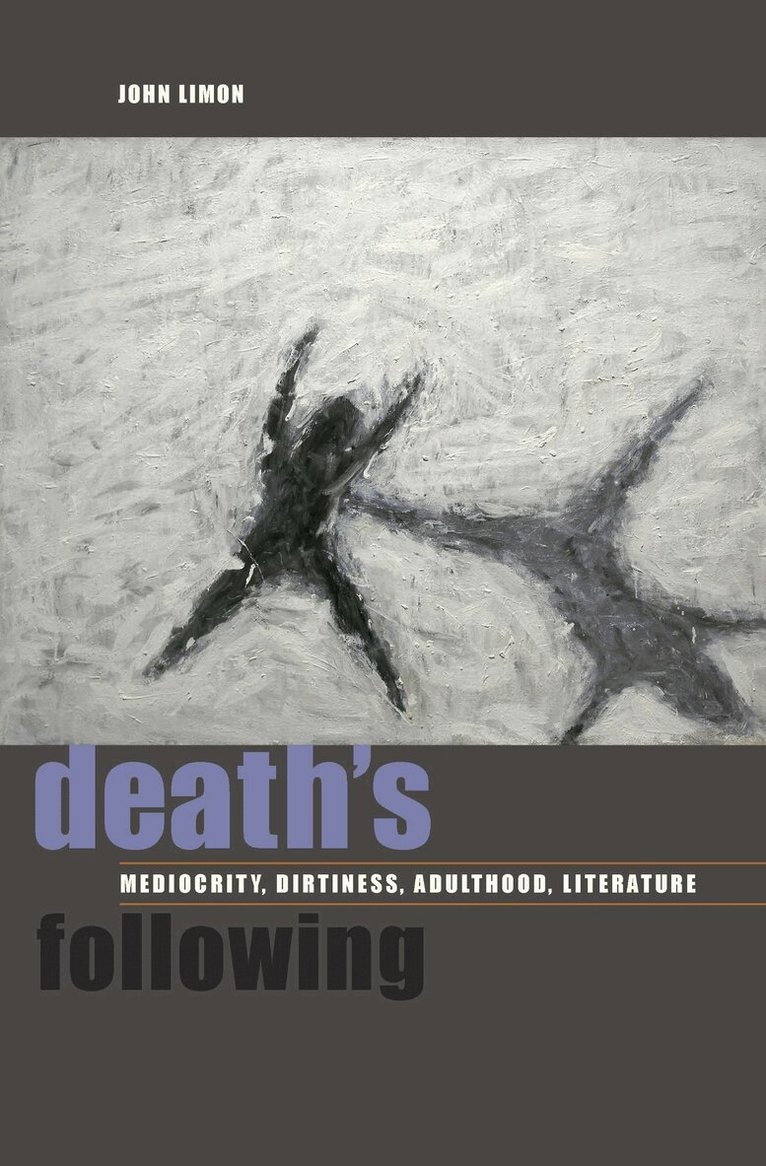
Death's Following
Mediocrity, Dirtiness, Adulthood, Literature
Av John Limon
Häftad, 2012
442 kr
Lägg i varukorg
Almost all twentieth-century philosophy stresses the immanence of death in human life—as drive (Freud), as the context of Being (Heidegger), as the essence of our defining ethics (Levinas), or as language (de Man, Blanchot). In Death's Following, John Limon makes use of literary analysis (of …
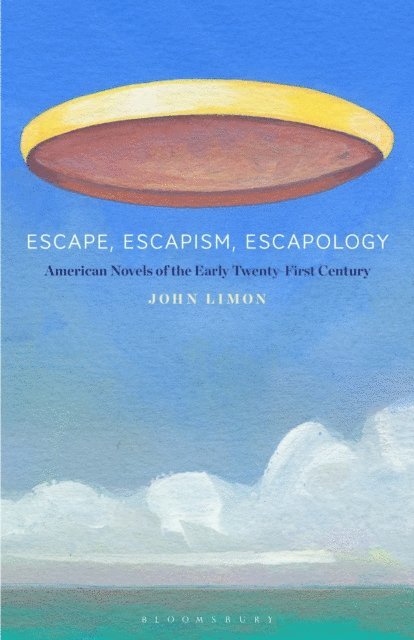
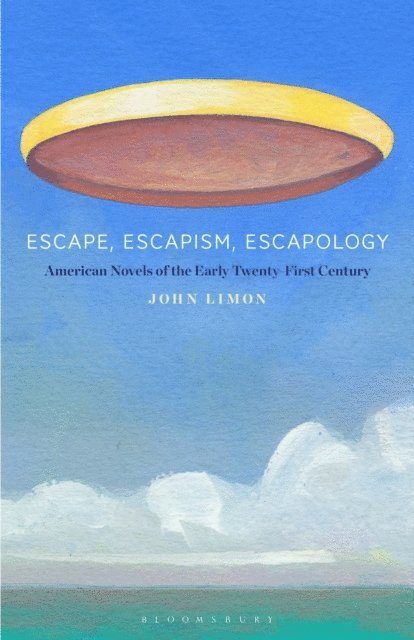
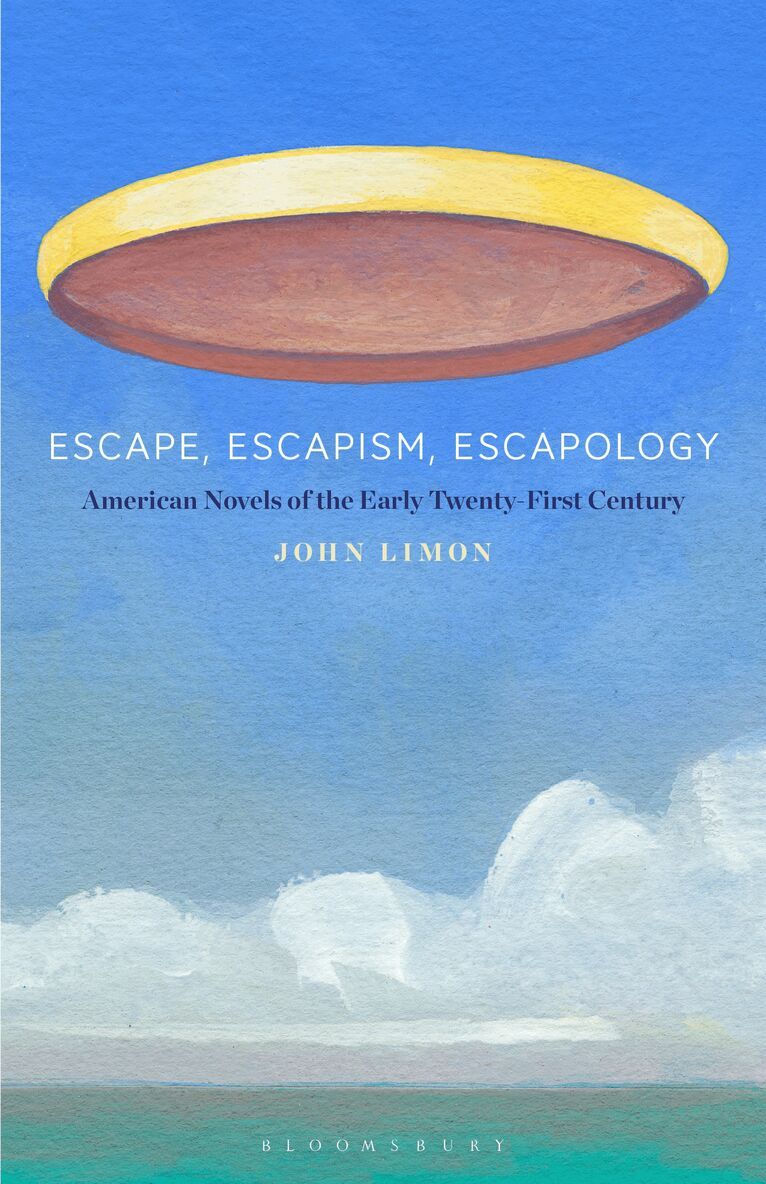
Escape, Escapism, Escapology
American Novels of the Early Twenty-First Century
Av John Limon
E-bok, 2022
417 kr
Lägg i varukorg
Escape, Escapism, Escapology: American Novels of the Early Twenty-First Century identifies and explores what has emerged as perhaps the central theme of 21st-century American fiction: the desire to escape-from the commodified present, from directionless history, from moral death-at a time of …
Escape, Escapism, Escapology
American Novels of the Early Twenty-First Century
Av John Limon
E-bok, 2022
421 kr
Lägg i varukorg
Escape, Escapism, Escapology: American Novels of the Early Twenty-First Century identifies and explores what has emerged as perhaps the central theme of 21st-century American fiction: the desire to escape-from the commodified present, from directionless history, from moral death-at a time of …
Escape, Escapism, Escapology
American Novels of the Early Twenty-First Century
Av John Limon
Häftad, 2022
398 kr
Lägg i varukorg
Escape, Escapism, Escapology: American Novels of the Early Twenty-First Century identifies and explores what has emerged as perhaps the central theme of 21st-century American fiction: the desire to escape—from the commodified present, from directionless history, from moral death—at a time of …
Escape, Escapism, Escapology
American Novels of the Early Twenty-First Century
Av John Limon
Inbunden, 2022
1226 kr
Lägg i varukorg
Escape, Escapism, Escapology: American Novels of the Early Twenty-First Century identifies and explores what has emerged as perhaps the central theme of 21st-century American fiction: the desire to escape—from the commodified present, from directionless history, from moral death—at a time of …
Stand-up Comedy in Theory, or, Abjection in America
Av John Limon
Inbunden, 2000
1182 kr
Tillfälligt slut
Stand-Up Comedy in Theory, or, Abjection in America is the first study of stand-up comedy as a form of art. John Limon appreciates and analyzes the specific practice of stand-up itself, moving beyond theories of the joke, of the comic, and of comedy in general to read stand-up through the lens of …