John Lindow - Böcker
Visar alla böcker från författaren John Lindow. Handla med fri frakt och snabb leverans.
10 produkter
10 produkter
309 kr
Skickas inom 5-8 vardagar
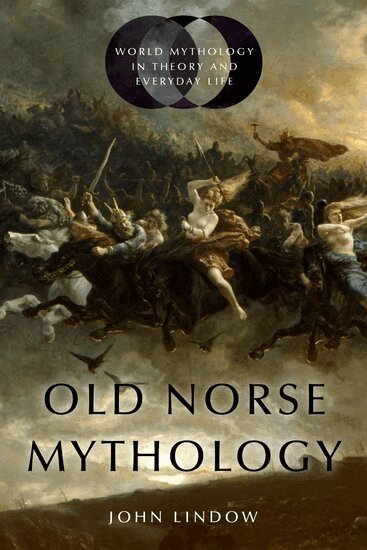
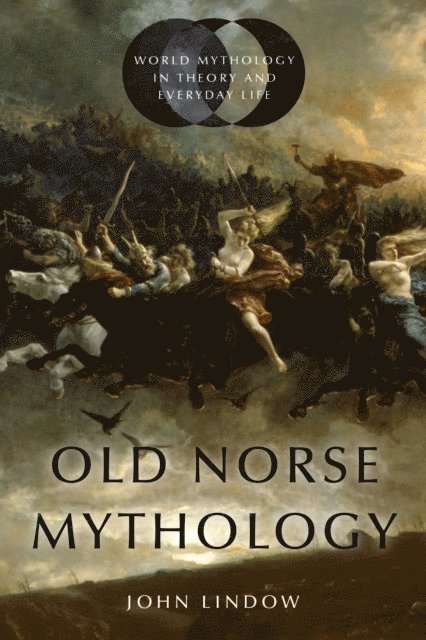
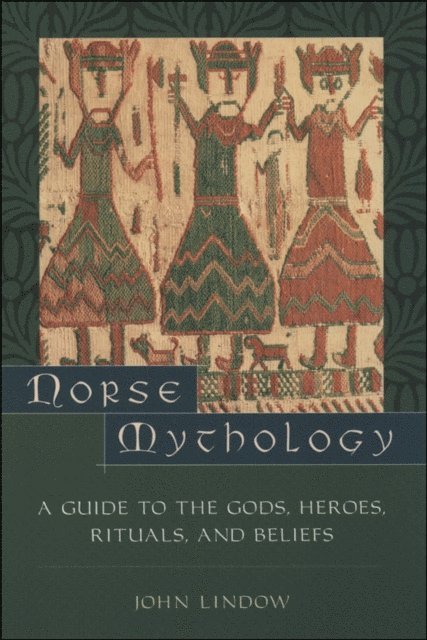
An innovative and accessible overview of how ancient Scandinavians understood and made use of their mythological stories. Old Norse Mythology provides a unique survey of the mythology of Scandinavia: the gods Þórr (Thor) with his hammer, the wily and duplicitous Óðinn (Odin), the sly Loki, and other fascinating figures. They create the world, battle their enemies, and die at the end of the world, which arises anew with a new generation of gods. These stories were the mythology of the Vikings, but they were not written down until long after the conversion to Christianity, mostly in Iceland. In addition to a broad overview of Nordic myths, the book presents a case study of one myth, which tells of how Þórr (Thor) fished up the World Serpent, analyzing the myth as a sacred text of the Vikings. Old Norse Mythology also explores the debt we owe to medieval intellectuals, who were able to incorporate the old myths into new paradigms that helped the myths to survive when they were no longer part of a religious system. This superb introduction traces the use of the mythology in ideological contexts, from the Viking Age until the twenty-first century, as well as in entertainment.
1 299 kr
Skickas inom 5-8 vardagar
An innovative and accessible overview of how ancient Scandinavians understood and made use of their mythological stories. Old Norse Mythology provides a unique survey of the mythology of Scandinavia: the gods Þórr (Thor) with his hammer, the wily and duplicitous Óðinn (Odin), the sly Loki, and other fascinating figures. They create the world, battle their enemies, and die at the end of the world, which arises anew with a new generation of gods. These stories were the mythology of the Vikings, but they were not written down until long after the conversion to Christianity, mostly in Iceland. In addition to a broad overview of Nordic myths, the book presents a case study of one myth, which tells of how Þórr (Thor) fished up the World Serpent, analyzing the myth as a sacred text of the Vikings. Old Norse Mythology also explores the debt we owe to medieval intellectuals, who were able to incorporate the old myths into new paradigms that helped the myths to survive when they were no longer part of a religious system. This superb introduction traces the use of the mythology in ideological contexts, from the Viking Age until the twenty-first century, as well as in entertainment.
284 kr
Skickas inom 5-8 vardagar
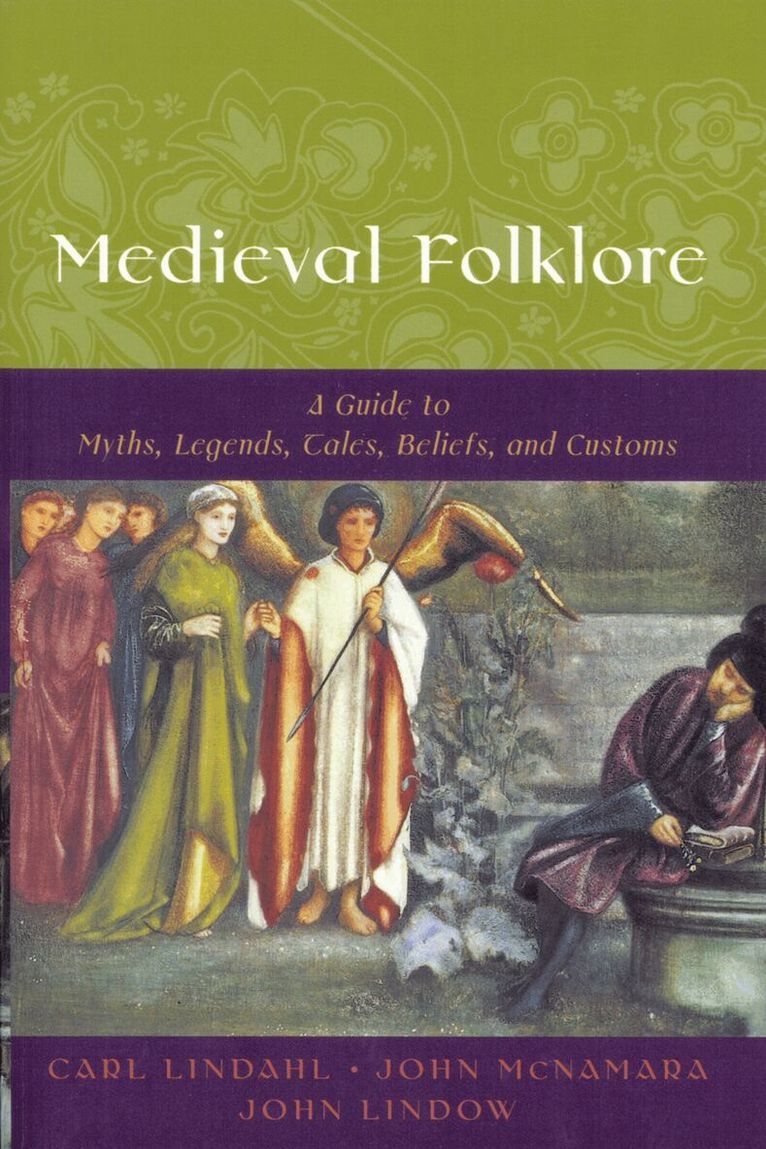
Over a decade in the making, Medieval Folklore offers a wide-ranging guide to the lore of the Middle Ages--from the mundane to the supernatural. Definitive and lively articles focus on the great tales and traditions of the age and includes information on daily and nightly customs and activities; religious beliefs of the pagan, Christian, Muslim, and Jew; key works of oral and written literature; traditional music and art; holidays and feasts; food and drink; and plants and animals, both real and fantastical. While most books on medieval folklore focus primarily on the West, this unique volume brings together an eclectic range of experts to treat the subject from a global perspective. Especially remarkable are the surveys of the major medieval traditions including Arab-Islamic, Baltic, English, Finno-Ugric, French, Hispanic, Hungarian, Irish, Italian, Jewish, Scandinavian, Scottish, Slavic, and Welsh. For anyone who has ever wanted a path through the tangle of Arthurian legends, or the real lowdown on St. Patrick, or the last word on wolf lore--this is the place to look. The contributors: Ulrich Marzolph -- Arab-IslamicThomas A. DuBois -- BalticJohn McNamara & Carl Lindahl -- EnglishThomas A. DuBois -- Finno-UgricFrancesca Canadé Sautman -- FrenchSamuel G. Armistead -- HispanicÉva Pócs -- HungarianJoseph Falaky Nagy -- IrishGiuseppe C. Di Scipio -- ItalianEli Yassif -- JewishStephen A. Mitchell -- ScandinavianJohn McNamara -- ScottishEve Levin -- SlavicElissa R. Henken & Brynley F. Roberts -- Welsh
228 kr
Skickas
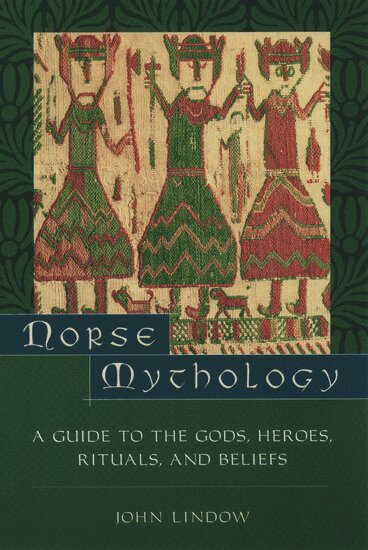
Norse Mythology explores the magical myths and legends of Norway, Sweden, Denmark, Iceland and Viking-Age Greenland--outlining along the way the prehistoric tales and beliefs from these regions that have remained embedded in the imagination of the world.The book begins with an Introduction that helps put Scandinavian mythology in place in history, followed by a chapter that explains the meaning of mythic time, and a third section that presents in-depth explanations of each mythological term. These fascinating entries identify particular deities and giants, as well as the places where they dwell and the varied and wily means by which they forge their existence and battle one another. We meet Thor, one of the most powerful gods, who specializes in killing giants using a hammer made for him by dwarfs, not to mention myriad trolls, ogres, humans and strange animals. We learn of the ongoing struggle between the gods, who create the cosmos, and the jötnar, or giants, who aim to destroy it. In the enchanted world where this mythology takes place, we encounter turbulent rivers, majestic mountains, dense forests, storms, fierce winters, eagles, ravens, salmon and snakes in a landscape closely resembling Scandinavia. Beings travel on ships and on horseback; they eat slaughtered meat and drink mead.Spanning from the inception of the universe and the birth of human beings to the universe's destruction and the mythic future, these sparkling tales of creation and destruction, death and rebirth, gods and heroes will entertain readers and offer insight into the relationship between Scandinavian myth, history, and culture.
665 kr
Skickas inom 3-6 vardagar
Swedish Legends and Folktales by John Lindow gathers nineteenth- and twentieth-century oral narratives—legends, folktales, and first-person memorates—from across rural Sweden to reveal how storytelling reflected and shaped everyday life. Moving from Skåne’s market villages to the mountain shielings of the north, Lindow situates tales within the social fabric that produced them: self-sufficient farm households, itinerant soldiers and peddlers who ferried stories between parishes, and a Lutheran parish order where the pulpit’s devil tales and the sexton’s authority colored local imaginations. With clear definitions (including the memorate as a personal experience narrative) and careful regional framing, he shows how provincial identities, settlement patterns, and even Sweden’s Swedish-speaking communities in Finland inflect motifs, plot structures, and performance styles.The collection’s introductions illuminate the life-cycle and calendar rhythms that animated belief—protective rites against changelings, youths’ perilous encounters with the skogsra, and the stern materiality of the living dead (spöken and gastar). Readers see how agrarian work, inheritance practices, tithe economics, and church seating hierarchies forged narrative themes, while markets, conscription, and seasonal labor sustained their transmission. Lindow’s rigorously contextual approach turns these stories into cultural documents: a map of Sweden’s forests and fields, its parish clocks and unheated churches, and the oral aesthetics that kept plot “clusters” stable even as wording shifted in the telling. The result is a landmark portrait of Scandinavian tradition—scholarly in method, vivid in detail, and indispensable for anyone interested in folklore, religion, and the historical anthropology of storytelling.This title is part of UC Press's Voices Revived program, which commemorates University of California Press’s mission to seek out and cultivate the brightest minds and give them voice, reach, and impact. Drawing on a backlist dating to 1893, Voices Revived makes high-quality, peer-reviewed scholarship accessible once again using print-on-demand technology. This title was originally published in 1978.
1 469 kr
Skickas inom 3-6 vardagar
Swedish Legends and Folktales by John Lindow gathers nineteenth- and twentieth-century oral narratives—legends, folktales, and first-person memorates—from across rural Sweden to reveal how storytelling reflected and shaped everyday life. Moving from Skåne’s market villages to the mountain shielings of the north, Lindow situates tales within the social fabric that produced them: self-sufficient farm households, itinerant soldiers and peddlers who ferried stories between parishes, and a Lutheran parish order where the pulpit’s devil tales and the sexton’s authority colored local imaginations. With clear definitions (including the memorate as a personal experience narrative) and careful regional framing, he shows how provincial identities, settlement patterns, and even Sweden’s Swedish-speaking communities in Finland inflect motifs, plot structures, and performance styles.The collection’s introductions illuminate the life-cycle and calendar rhythms that animated belief—protective rites against changelings, youths’ perilous encounters with the skogsra, and the stern materiality of the living dead (spöken and gastar). Readers see how agrarian work, inheritance practices, tithe economics, and church seating hierarchies forged narrative themes, while markets, conscription, and seasonal labor sustained their transmission. Lindow’s rigorously contextual approach turns these stories into cultural documents: a map of Sweden’s forests and fields, its parish clocks and unheated churches, and the oral aesthetics that kept plot “clusters” stable even as wording shifted in the telling. The result is a landmark portrait of Scandinavian tradition—scholarly in method, vivid in detail, and indispensable for anyone interested in folklore, religion, and the historical anthropology of storytelling.This title is part of UC Press's Voices Revived program, which commemorates University of California Press’s mission to seek out and cultivate the brightest minds and give them voice, reach, and impact. Drawing on a backlist dating to 1893, Voices Revived makes high-quality, peer-reviewed scholarship accessible once again using print-on-demand technology. This title was originally published in 1978.
482 kr
Skickas inom 5-8 vardagar
585 kr
Skickas inom 11-20 vardagar
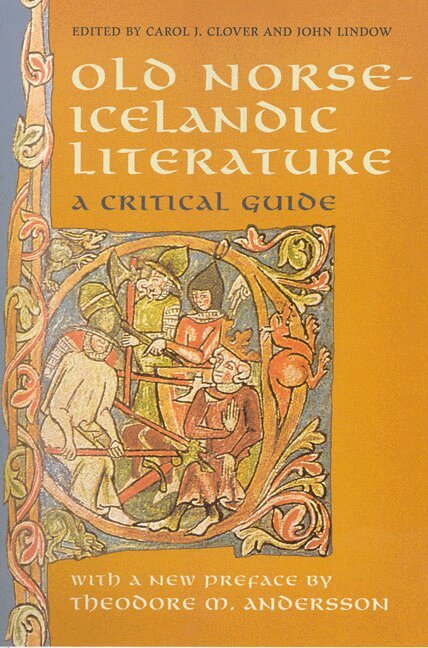
In the past few decades, interest in the rich and varied literature of early Scandinavia has prompted a great deal of interest in its background: its origins, social and historical context, and relationship to other medieval literatures. Until the 1980s, however, there was a distinct lack of scholarship in the area, so in 1985, Carol J. Clover and John Lindow brought together some of the most ambitious and distinguished Old Norse scholars to contribute essays for a collection that would finally fill the void of a comprehensive guide to the field.The contributors summarize and comment on scholarly work in the major branches of the field: eddic and skaldic poetry, family and kings' sagas, courtly writing, and mythology. Taken together, their judicious and well-written essays, each with a full bibliography, make up this vital survey of Old Norse literature in English - a basic reference work that has stimulated much research and helped to open up the field to a wider academic readership.This volume has become an essential text for instructors, and twenty years later, is now being republished as part of the Medieval Academy Reprints for Teaching (MART) series with a new preface that discusses more recent contributions to the field.
875 kr
Skickas inom 10-15 vardagar
Authoritative, comprehensive reference incorporating the latest research on tales, literary and oral sources, and the broad-reaching cultural legacy of Norse mythology.The book describes the pagan origins of Scandinavia, the interaction between the Vikings and other Europeans, and the concept of time in Norse mythology, and gives a dictionary of deities, themes, and concepts. With 200 entries of up to four pages each, the dictionary includes both well-known characters like Thor and minor figures such as Gleipnir, the "fetter with which the wolf Fenrir was finally bound." It also includes further references about Viking and medieval Scandinavia, archaeology, etymology, the conversion of Iceland, other encyclopedias, and more.
236 kr
Skickas inom 7-10 vardagar
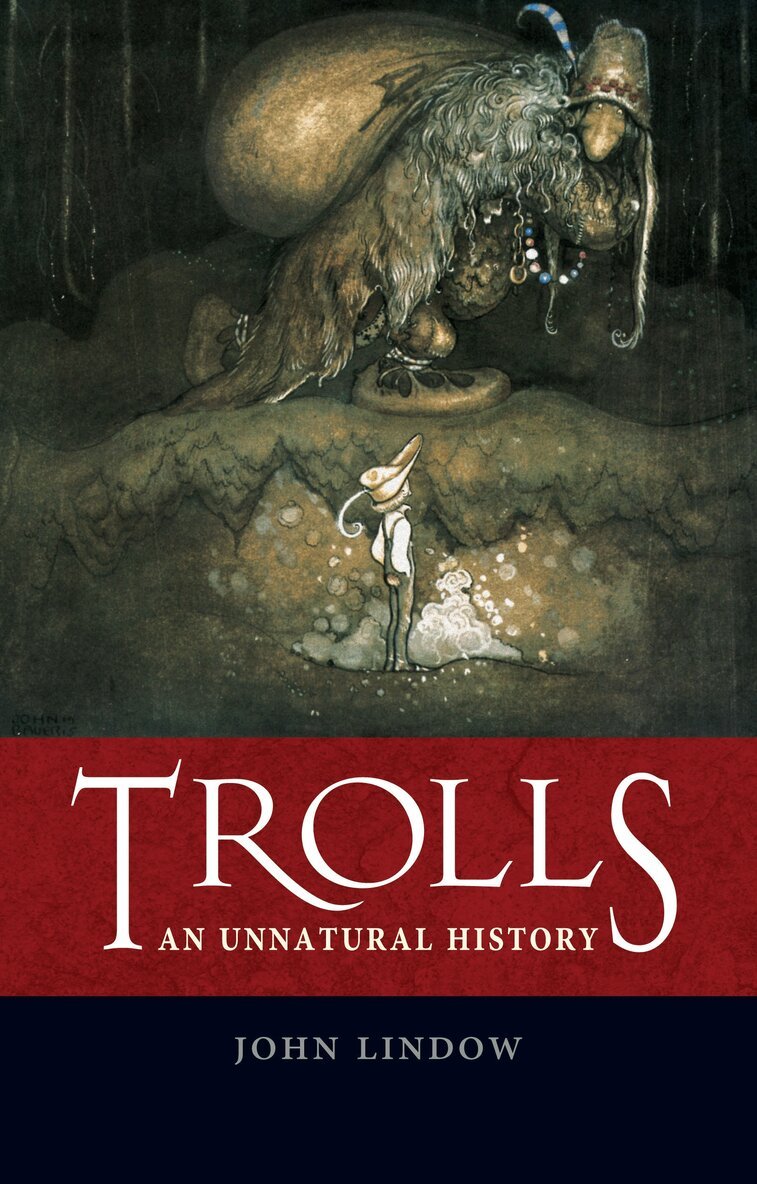
Trolls are everywhere. They lurk on the internet; they fill the pages of popular fantasy literature; they are hunted in Norwegian film. They are the homeless in California; they are comforting or threatening characters in children's books; they are amusing dolls. Although trolls are ubiquitous today, for centuries they were confined to the landscape of Scandinavia. They were beings in nature, and their environment was a pre-industrial world in which people lived by farming and fishing on a small scale.This book, now available in paperback, is a history of trolls from their first appearances in folk tales – some people reported actual encounters with trolls, and others found such encounters plausible even if they were not sure – and follows a natural transition from folklore to trolls in other domains of popular culture. Indeed, trolls would not be interesting had they not made this jump, first to illustrations in the Nordic book market, then on to Scandinavian literature and drama, and far beyond. Since then they have never gone away, and in their various guises they continue to appeal to the imagination around the world.From the Vikings to the Moomins, the Brothers Grimm and the Three Billy Goats Gruff, this book explores the panoply of trolls and their history and their continuing presence today.