John Lutterbie - Böcker
Visar alla böcker från författaren John Lutterbie. Handla med fri frakt och snabb leverans.
4 produkter
4 produkter
1 177 kr
Skickas inom 10-15 vardagar
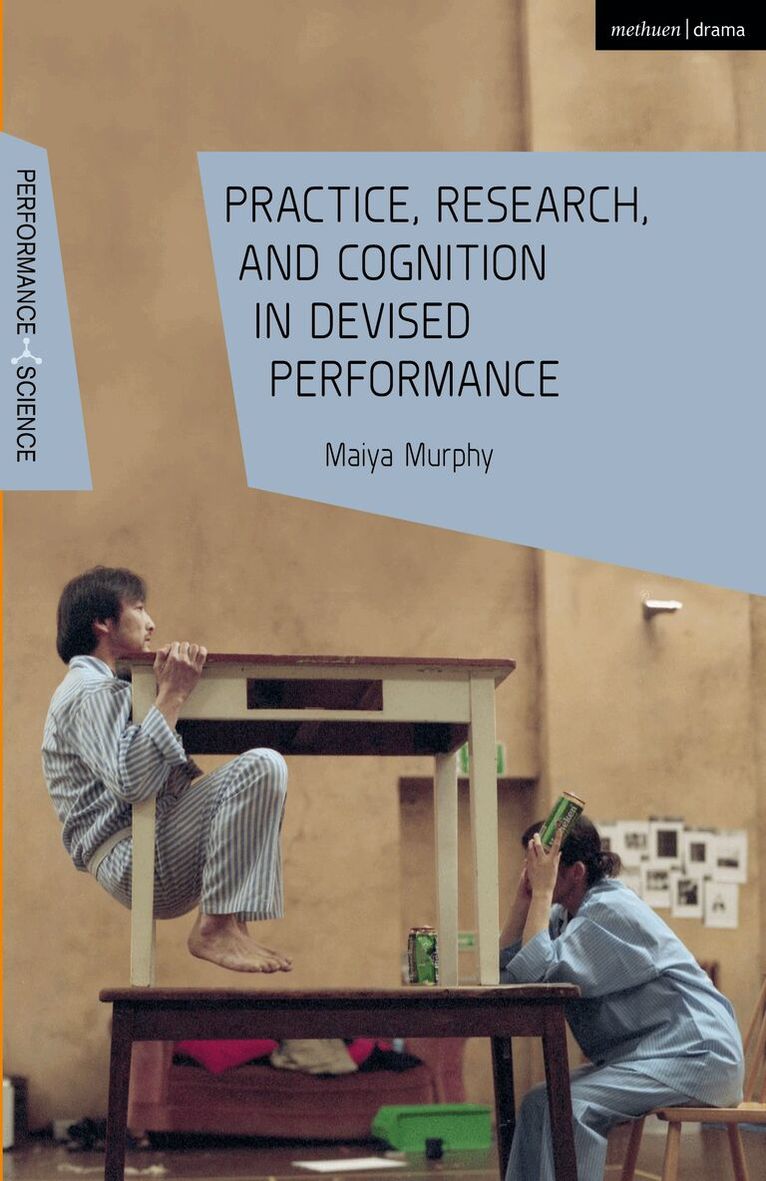
This interdisciplinary study explores devised performance and practice research at the intersection of the cognitive sciences and arts.It interrogates relationships between epistemology and cognition, action and aesthetics, and first-person experience and third-person investigation. Pairing practice research methodologies from theatre and performance with cognitive and neuroscientific approaches—both theoretical and empirical—it reveals new insights into the practices of collective creation in theatre.To foreground the insider knowledge inherent to practice research, the main case studies are works created and performed by Maiya Murphy’s international movement-based devising collective, Autopoetics. Autopoetics’ work is contextualized in reference to major international devising companies, dance companies, and interdisciplinary research projects including Complicité, Frantic Assembly, Forced Entertainment, Tectonic Theater Project, The Necessary Stage, Company Wayne McGregor, Australian Dance Theatre, Choreography and Cognition, Motion Bank and Watching Dance: Kinesthetic Empathy. Practice, Research, and Cognition in Devised Performance proposes a model for breaking down disciplinary silos to freshly access the processes of collaborative practice and invigorate research in the humanities and arts.
557 kr
Kommande
1 177 kr
Skickas inom 10-15 vardagar
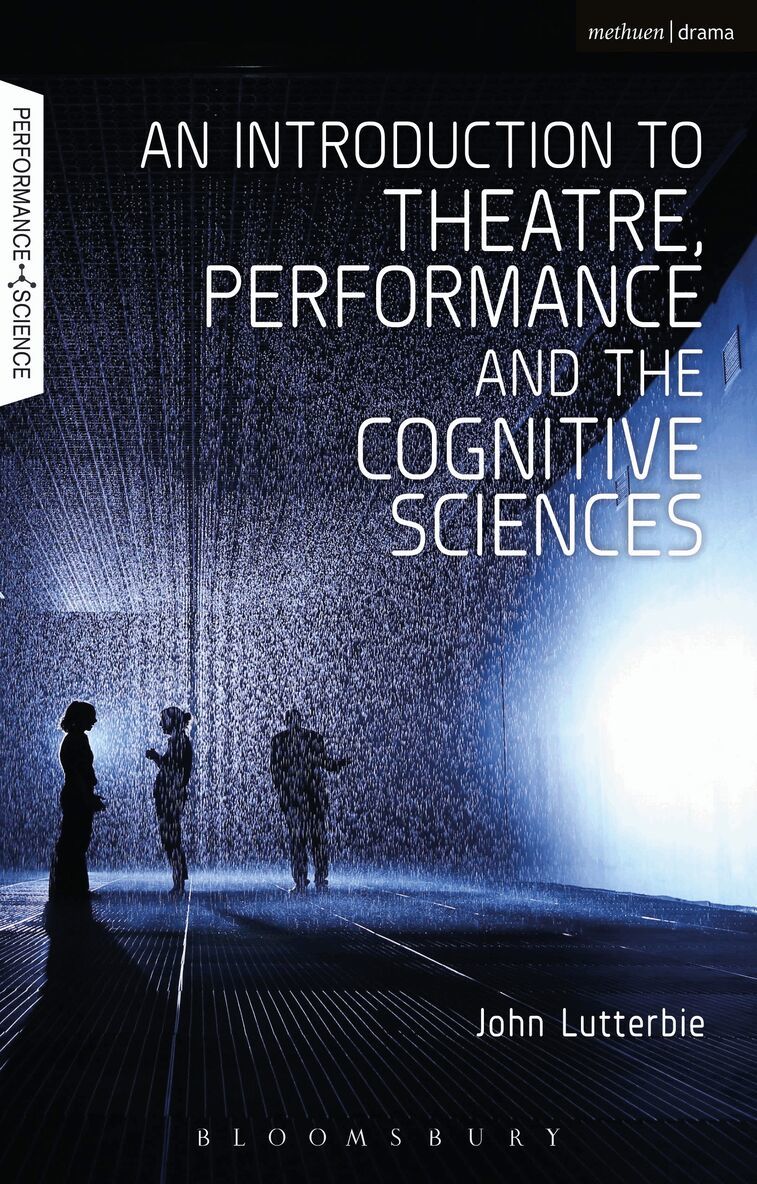
This is the first textbook designed for students, practitioners and scholars of the performing arts who are curious about the power of the cognitive sciences to throw light on the processes of performance. It equips readers with a clear understanding of how research in cognitive neuroscience has illuminated and expanded traditional approaches to thinking about topics such as the performer, the spectator, space and time, culture, and the text. Each chapter considers four layers of performance: conventional forms of theatre, performance art, and everyday life, offering an expansive vision of the impact of the cognitive sciences on performance in the widest sense. Written in an approachable style, An Introduction to Theatre, Performance and the Cognitive Sciences weaves together case studies of a wide range of performances with scientific evidence and post-structural theory. Artists such as Robert Wilson, Societas Raffaello Sanzio, Ariane Mnouchkine, Bertolt Brecht, and Antonin Artaud are brought into conversation with theories of Gilles Deleuze, Shaun Gallagher, Alva Noë, Tim Ingold and the science of V. S. Ramachandran, Vittorio Gallese, and Antonio Damasio. John Lutterbie offers a complex understanding of not only the act of performing but the forces that mark the place of theatre in contemporary society.In drawing on a variety of scientific articles, Lutterbie provides readers with an accessible account of significant research in areas in the field and reveals how the sciences can help us understand the experience of art.
365 kr
Skickas inom 10-15 vardagar
This is the first textbook designed for students, practitioners and scholars of the performing arts who are curious about the power of the cognitive sciences to throw light on the processes of performance. It equips readers with a clear understanding of how research in cognitive neuroscience has illuminated and expanded traditional approaches to thinking about topics such as the performer, the spectator, space and time, culture, and the text. Each chapter considers four layers of performance: conventional forms of theatre, performance art, and everyday life, offering an expansive vision of the impact of the cognitive sciences on performance in the widest sense. Written in an approachable style, An Introduction to Theatre, Performance and the Cognitive Sciences weaves together case studies of a wide range of performances with scientific evidence and post-structural theory. Artists such as Robert Wilson, Societas Raffaello Sanzio, Ariane Mnouchkine, Bertolt Brecht, and Antonin Artaud are brought into conversation with theories of Gilles Deleuze, Shaun Gallagher, Alva Noë, Tim Ingold and the science of V. S. Ramachandran, Vittorio Gallese, and Antonio Damasio. John Lutterbie offers a complex understanding of not only the act of performing but the forces that mark the place of theatre in contemporary society.In drawing on a variety of scientific articles, Lutterbie provides readers with an accessible account of significant research in areas in the field and reveals how the sciences can help us understand the experience of art.