John M. Kinder - Böcker
Visar alla böcker från författaren John M. Kinder. Handla med fri frakt och snabb leverans.
7 produkter
7 produkter
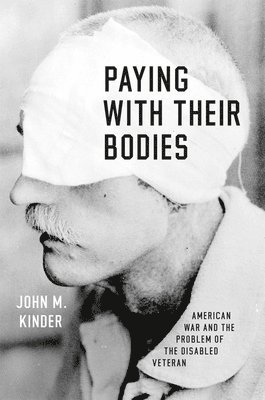
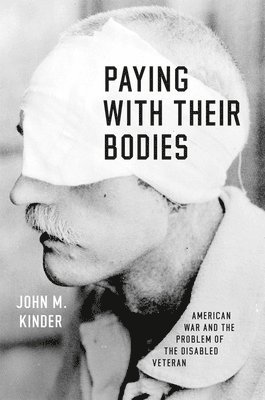
Paying with Their Bodies
American War and the Problem of the Disabled Veteran
Inbunden, Engelska, 2015
266 kr
Skickas inom 7-10 vardagar
Christian Bagge, an Iraq War veteran, lost both his legs in a roadside bomb attack on his Humvee in 2006. Months after the accident, outfitted with sleek new prosthetic legs, he jogged alongside President Bush for a photo op at the White House. The photograph served many functions, one of them being to revive faith in an American martial ideal - that war could be fought without permanent casualties and that innovative technology could easily repair war's damage. When Bagge was awarded his Purple Heart, however, military officials asked him to wear pants to the ceremony, saying that photos of the event should be "soft on the eyes." Defiant, Bagge wore shorts. America has grappled with the questions posed by injured veterans since its founding, and with particular force since the early twentieth century: What are the nation's obligations to those who fight in its name? And when does war's legacy of disability outweigh the nation's interests at home and abroad? In Paying with Their Bodies, John M. Kinder traces the complicated, interwined histories of war and disability in modern America.Focusing in particular on the decades surrounding World War I, he argues that disabled veterans have long been at the center of two competing visions of American war: one that highlights the relative safety of US military intervention overseas; the other indelibly associating American war with injury, mutilation, and suffering. Kinder brings disabled veterans to the center of the American war story and shows that when we do so, the history of American war over the last century begins to look very different. War can no longer be seen as a discrete experience, easily left behind; rather, its human legacies are felt for decades. The first book to examine the history of American warfare through the lens of its troubled legacy of injury and disability, Paying with Their Bodies will force us to think a new about war and its painful costs.
193 kr
Skickas inom 7-10 vardagar
Christian Bagge, an Iraq War veteran, lost both his legs in a roadside bomb attack on his Humvee in 2006. Months after the accident, outfitted with sleek new prosthetic legs, he jogged alongside President Bush for a photo op at the White House. The photograph served many functions, one of them being to revive faith in an American martial ideal that war could be fought without permanent casualties, and that innovative technology could easily repair war's damage. When Bagge was awarded his Purple Heart, however, military officials asked him to wear pants to the ceremony, saying that photos of the event should be "soft on the eyes." Defiant, Bagge wore shorts. America has grappled with the questions posed by injured veterans since its founding, and with particular force since the early twentieth century: What are the nation's obligations to those who fight in its name? And when does war's legacy of disability outweigh the nation's interests at home and abroad? In Paying with Their Bodies, John M. Kinder traces the complicated, intertwined histories of war and disability in modern America.Focusing in particular on the decades surrounding World War I, he argues that disabled veterans have long been at the center of two competing visions of American war: one that highlights the relative safety of US military intervention overseas; the other indelibly associating American war with injury, mutilation, and suffering. Kinder brings disabled veterans to the center of the American war story and shows that when we do so, the history of American war over the last century begins to look very different. War can no longer be seen as a discrete experience, easily left behind; rather, its human legacies are felt for decades. The first book to examine the history of American warfare through the lens of its troubled legacy of injury and disability, Paying with Their Bodies will force us to think anew about war and its painful costs.
World War Zoos
Humans and Other Animals in the Deadliest Conflict of the Modern Age
Inbunden, Engelska, 2025
290 kr
Skickas inom 7-10 vardagar
A new and heartbreaking history of World War II as told through the shocking experiences of zoos across the globe. As Europe lurched into war in 1939, zookeepers started killing their animals. On September 1, as German forces invaded Poland, Warsaw began with its reptiles. Two days later, workers at the London Zoo launched a similar spree, dispatching six alligators, seven iguanas, sixteen southern anacondas, six Indian fruit bats, a fishing cat, a binturong, a Siberian tiger, five magpies, an Alexandrine parakeet, two bullfrogs, three lion cubs, a cheetah, four wolves, and a manatee over the next few months. Zoos worldwide did the same. The reasons were many, but the pattern was clear: The war that was about to kill so many people started by killing so many animals. Why? And how did zoos, nevertheless, not just survive the war but play a key role in how people did, too?A harrowing yet surprisingly uplifting chronicle, Kinder’s World War Zoos traces how zoos survived the deadliest decades of global history, from the Great Depression, through the terrors of World War II, to the dawn of the Cold War. More than anything before or since, World War II represented an existential threat to the world’s zoological institutions. Some zoos were bombed; others bore the indignities of foreign occupation. Even zoos that were spared had to wrestle with questions rarely asked in public: What should they do when supplies ran low? Which animals should be killed to protect the lives of others? And how could zoos justify keeping dangerous animals that might escape and run wild during an aerial attack?Zoos in wartime reveal the shared vulnerabilities of humans and animals during periods of social unrest and environmental peril. World War II–era zoos offered people ways to think about and grapple with imprisonment, powerlessness, and degradation. Viewed today, the story of zoos during World War II can be read as an allegory of twenty-first-century crises, as the effects of climate change threaten all life across the planet.A one-of-a-kind history, World War Zoos is the story of how the world’s zoos survived the deadliest conflict of the twentieth century—and what was lost along the way.
1 086 kr
Skickas inom 10-15 vardagar
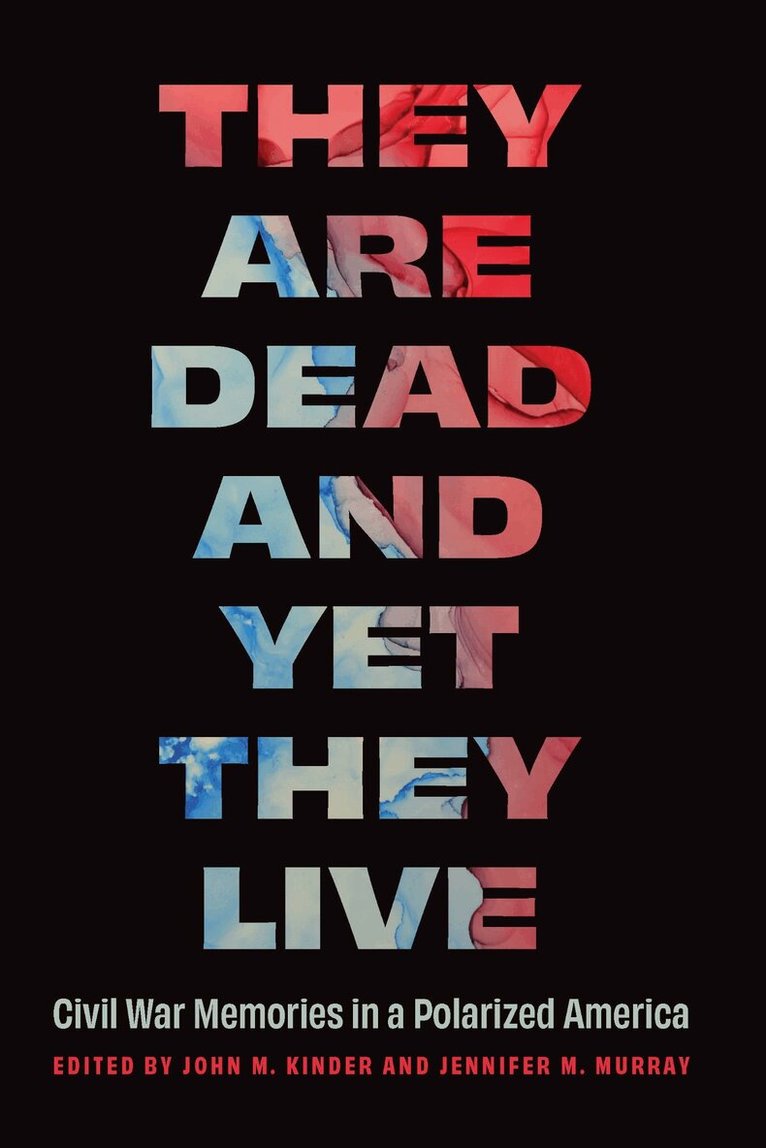
The death of George Floyd at the hands of Minneapolis police officers in 2020 reignited a passionate nationwide debate over Confederate memorials and flags as symbols of white supremacy in our public landscape. Controversies about Confederate monuments, however, have overshadowed more consequential battles over Civil War memory taking place in American politics, popular culture, and civil society today.Integrating the voices of Civil War historians, public historians, and scholars of contemporary America, They Are Dead and Yet They Live explores the use (and abuse) of Civil War memory in the modern era, from the Civil War Centennial and the civil rights era through the political turmoil of the present day. Moving the conversation of Civil War memory beyond Confederate monuments to crucial debates about the Civil War’s usefulness as a frame for understanding America’s recent struggles, these essays show how Civil War memory is as politically urgent and socially relevant today as it was a half century ago.
357 kr
Skickas
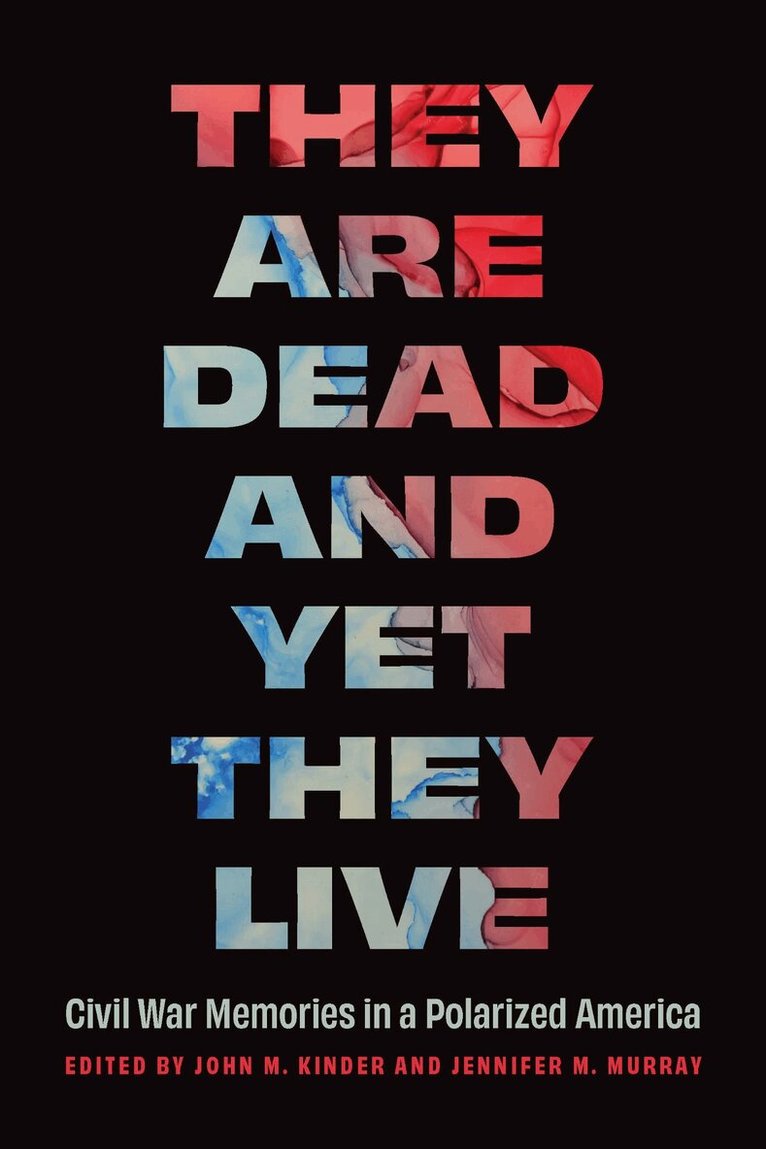
The death of George Floyd at the hands of Minneapolis police officers in 2020 reignited a passionate nationwide debate over Confederate memorials and flags as symbols of white supremacy in our public landscape. Controversies about Confederate monuments, however, have overshadowed more consequential battles over Civil War memory taking place in American politics, popular culture, and civil society today.Integrating the voices of Civil War historians, public historians, and scholars of contemporary America, They Are Dead and Yet They Live explores the use (and abuse) of Civil War memory in the modern era, from the Civil War Centennial and the civil rights era through the political turmoil of the present day. Moving the conversation of Civil War memory beyond Confederate monuments to crucial debates about the Civil War’s usefulness as a frame for understanding America’s recent struggles, these essays show how Civil War memory is as politically urgent and socially relevant today as it was a half century ago.
344 kr
Skickas inom 7-10 vardagar
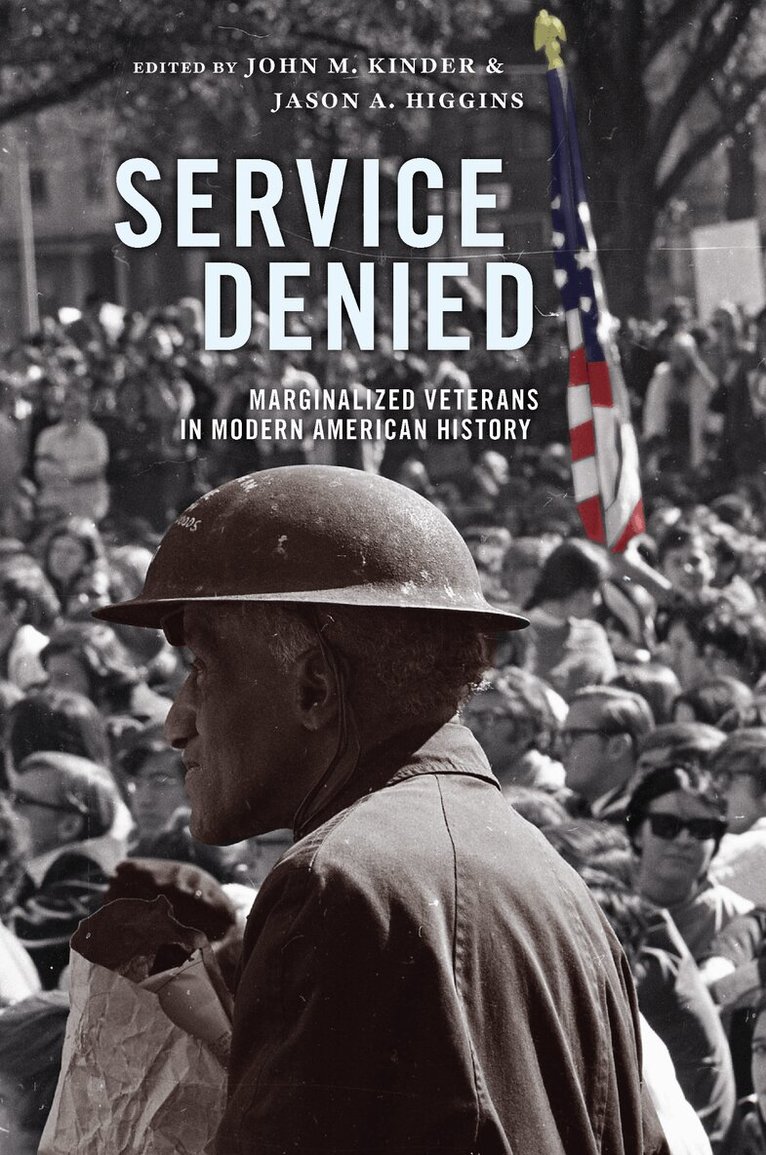
Wartime military service is held up as a marker of civic duty and patriotism, yet the rewards of veteran status have never been equally distributed. Certain groups of military veterans—women, people of color, LGBTQ people, and former service members with stigmatizing conditions, "bad paper" discharges, or criminal records—have been left out of official histories, excised from national consciousness, and denied state recognition and military benefits.Chronicling the untold stories of marginalized veterans in the twentieth and twenty-first centuries, Service Denied uncovers the generational divides, cultural stigmas, and discriminatory policies that affected veterans during and after their military service. Together, the chapters in this collection recast veterans beyond the archetype, inspiring an innovative model for veterans studies that encourages an intersectional and interdisciplinary analysis of veterans history. In addition to contributions from the volume editors, this collection features scholarship by Barbara Gannon, Robert Jefferson, Evan P. Sullivan, Steven Rosales, Heather Marie Stur, Juan Coronado, Kara Dixon Vuic, John Worsencroft, and David Kieran.
977 kr
Skickas inom 7-10 vardagar
Wartime military service is held up as a marker of civic duty and patriotism, yet the rewards of veteran status have never been equally distributed. Certain groups of military veterans—women, people of color, LGBTQ people, and former service members with stigmatizing conditions, "bad paper" discharges, or criminal records—have been left out of official histories, excised from national consciousness, and denied state recognition and military benefits.Chronicling the untold stories of marginalized veterans in the twentieth and twenty-first centuries, Service Denied uncovers the generational divides, cultural stigmas, and discriminatory policies that affected veterans during and after their military service. Together, the chapters in this collection recast veterans beyond the archetype, inspiring an innovative model for veterans studies that encourages an intersectional and interdisciplinary analysis of veterans history. In addition to contributions from the volume editors, this collection features scholarship by Barbara Gannon, Robert Jefferson, Evan P. Sullivan, Steven Rosales, Heather Marie Stur, Juan Coronado, Kara Dixon Vuic, John Worsencroft, and David Kieran.