John Maddicott – författare
Visar alla böcker från författaren John Maddicott. Handla med fri frakt och snabb leverans.
6 produkter
Between Scholarship and Church Politics
The Lives of John Prideaux, 1578-1650
E-bok, 2021
1412 kr
Lägg i varukorg
Between Scholarship and Church Politics describes the life and career of John Prideaux, rector of Exeter College, Oxford, 1612-1642, regius professor of divinity, 1615-1642, and bishop of Worcester, 1641-1646. Prideaux was the leading representative of the ''old guard'' in the Church of England - …
Between Scholarship and Church Politics
The Lives of John Prideaux, 1578-1650
E-bok, 2021
1412 kr
Lägg i varukorg
Between Scholarship and Church Politics describes the life and career of John Prideaux, rector of Exeter College, Oxford, 1612-1642, regius professor of divinity, 1615-1642, and bishop of Worcester, 1641-1646. Prideaux was the leading representative of the ''old guard'' in the Church of England - …
Between Scholarship and Church Politics
The Lives of John Prideaux, 1578-1650
Inbunden, 2021
1611 kr
Lägg i varukorg
Between Scholarship and Church Politics describes the life and career of John Prideaux, rector of Exeter College, Oxford, 1612-1642, regius professor of divinity, 1615-1642, and bishop of Worcester, 1641-1646. Prideaux was the leading representative of the 'old guard' in the Church of England - …
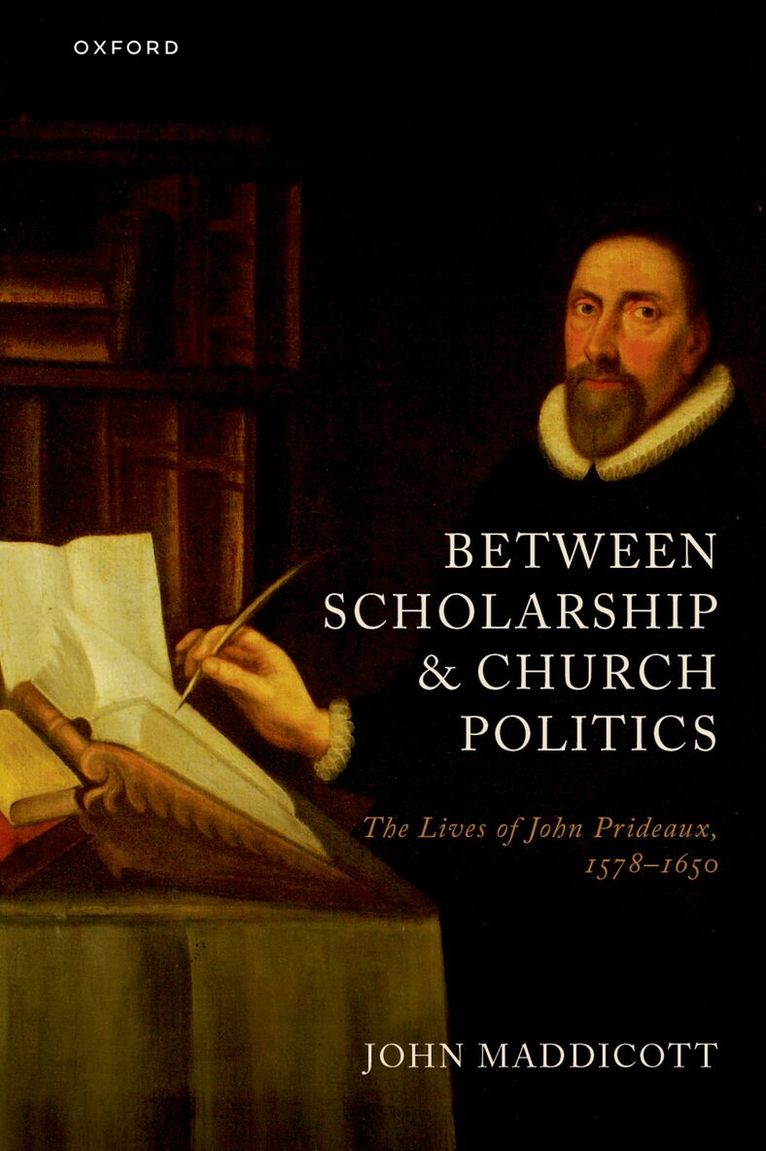
Between Scholarship and Church Politics
The Lives of John Prideaux, 1578-1650
Häftad, 2025
435 kr
Lägg i varukorg
Between Scholarship and Church Politics describes the life and career of John Prideaux, rector of Exeter College, Oxford, 1612–1642, regius professor of divinity, 1615–1642, and bishop of Worcester, 1641–1646. Prideaux was the leading representative of the 'old guard' in the Church of England — …
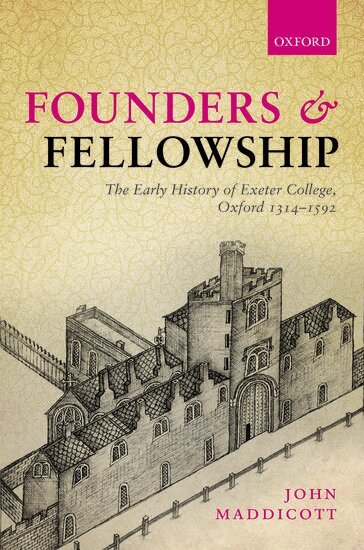
Founders and Fellowship
The Early History of Exeter College, Oxford, 1314-1592
Inbunden, 2014
1376 kr
Lägg i varukorg
This book traces the history of Exeter College, Oxford, from its first endowment by Walter Stapeldon, bishop of Exeter, in 1314 until the College's refoundation by Sir William Petre in the 1560s and the election of the zealously protestant Thomas Holland as head of the College in 1592, which …
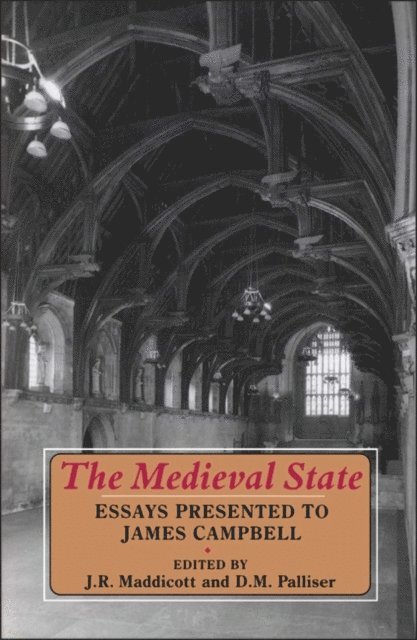
Medieval State
Essays Presented to James Campbell
E-bok, 2000
372 kr
Lägg i varukorg
James Campbell''s work has established the impressive powers of the Anglo-Saxon state, with its ability to impose laws, raise revenue, undertake major works and consult the interests and wishes of its subjects. This collection of essays looks at the state and its successors from a number of angles.