
John McShane – författare
Visar alla böcker från författaren John McShane. Handla med fri frakt och snabb leverans.
6 produkter
6 produkter
416 kr
Skickas inom 7-10 vardagar
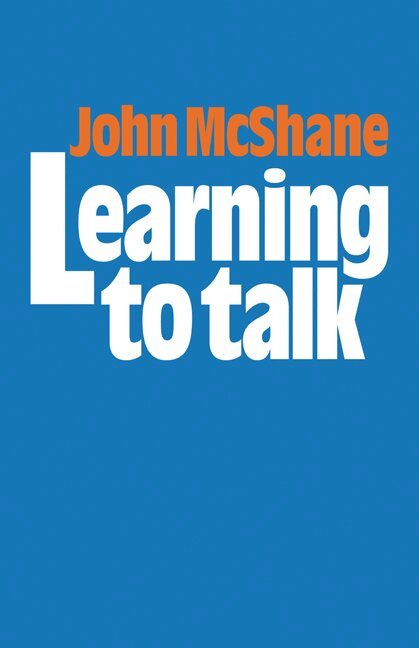
How do children learn to talk? This fundamental question continues to be a subject of lively and contentious debate among linguists and psychologists. Originally published in 1980, Dr McShane's discerning analysis of the theoretical issues involved takes account of the contribution of speech-act theory and of Gricean meaning theory to our understanding of communication. The wide-ranging discussion of the work of other researchers provides the reader with a clear perspective in which to assess Dr McShane's own approach. Dr McShane shows that limited, but effective, communication is possible in the absence of words, and then traces the genesis of communication through the one-word stage to the development of grammatically structured utterances. His arguments are supported by data from the longitudinal study he carried out with six children between the ages of one and two years. This study and its implications were important for all those professionally interested in language development.
469 kr
Tillfälligt slut
174 kr
Skickas inom 5-8 vardagar
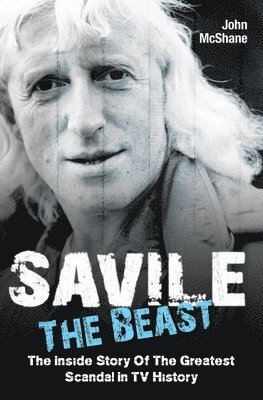
When Sir Jimmy Savile died in 2011 he was celebrated as a prolific charity fundraiser who had dedicated his time to worthy causes. But on 3 October 2012, ITV broadcast a documentary called Exposure: The Other Side of Jimmy Savile. In it they revealed the shocking truth behind the popular TV persona. Several women alleged that Savile had sexually abused them when they were underage, sparking a flurry of further allegations in the following days and weeks. Savile was accused of abusing hundreds of young children and teenagers over nearly 50 years and on 19 October the Metropolitan Police launched a formal criminal investigation into his behaviour. Just how was Savile allowed to get away with such monstrous crimes for so long? What role did the BBC play in sweeping previous allegations under the carpet? Why was a Newsnight investigation that was set to expose Savile shelved? How was he given access to vulnerable individuals? Who else was involved? Top journalist John McShane answers these questions and more in this unflinching examination of the scandal that has rocked some of Britain's most famous institutions to the core. This is the full story of how Jimmy Savile went from being a TV favorite to the most reviled man in Britain.
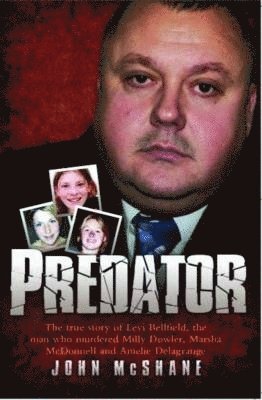
Predator - The true story of Levi Bellfield, the man who murdered Milly Dowler, Marsha McDonnell and Amelie Delagrange
Häftad, Engelska, 2011
174 kr
Skickas inom 5-8 vardagar
The powerfully-built nightclub bouncer kidnapped and murdered 13 year old Milly Dowler as she walked home from school in broad daylight. She had stopped for a bag of chips with friends at a railway station cafe. The case horrified the nation when six months later her body was found 25 miles away by mushroom pickers in a quiet wood in the Hampshire countryside. Her abduction and death was described as 'every parent's nightmare'. He also murdered, in an equally horrendous manner, 19-year-old Marsha McDonnell and 22-year-old French student Amelie Delagrange with blows to the head after they got off late-night buses in South London. He attempted to kill Kate Sheedy, an 18 year old he deliberately hit with his car as she walked home shortly after midnight, before reversing over her body. She survived only after major surgery in hospital.
174 kr
Skickas inom 5-8 vardagar
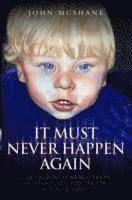
This is a comprehensive look at the events leading up to the death of Baby P. A recent investigation has found that there was poor communication between authorities, a repeated failure to take into account the child's history and inaccurate documentation of events by Haringey Council. Child protection plans were heavily criticized in the inspection report for being disorganized with little analysis of the child and no clear decision-making. With the three perpetrators awaiting sentencing and politicians debating what can be done now and in the future, the public are left angry and bewildered as just how this was allowed to happen.
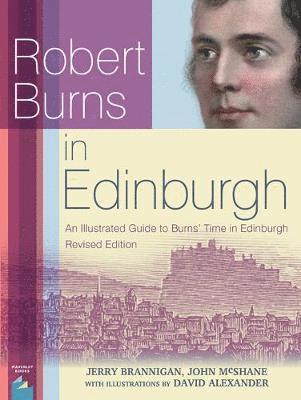
Robert Burns in Edinburgh
A literary guidebook with walking maps of Burns' time in Edinburgh
Häftad, Engelska, 2015
168 kr
Skickas
This literary guidebook to the life of Robert Burns' contains walking maps of Edinburgh and is an illustrated colour guide to the time Robert Burns spent in Edinburgh. Burns was in Edinburgh at the time of the Enlightenment 1786-1787. In this new edition of slightly reduced format that makes the book handier to carry, it is an excellent guidebook. With over 100 illustrations by David Alexander and 80 photographs by Jerry Brannigan of key people and places Burns encountered. Easy to follow routes and walking guides in Edinburgh arranged by area and place/people. Tourist information about each site. Robert Burns came to Edinburgh in November 1786 and stayed for 14 months. His book, Poems Chiefly in the Scottish Dialect, Kilmarnock Edition , went on sale on July 31, 1786 and was an immediate success throughout Scotland. Suddenly,he was being spoken of the length and breadth of the land. His plan to emigrateto Jamaica with any profit from the sales of the book was abandoned. Burns's life was about to change! Dr Thomas Blacklock, known as the Blind Poet, came to know of the book. Blacklock was a much respected poet and critic, acquainted with the cream of literary society in Scotland and he advised Burns to travel to the nation's capital where a larger edition was promised.Blacklock was sure it would have a more universal circulation than "anything else that had been published within his memory". So it was that on November 27, 1786 that Robert Burns, on a borrowed pony, set off on the two-day journey to Edinburgh. It was at the peak of the Scottish Enlightenment. Edinburgh at the time was home to great philosophers, world-renowned economists, engineers, scientists, writers and poets. Enterprise and industry were flourishing. Robert Burns was to find himself thrust into the midst of the social and academic whirlpool that was Edinburgh in 1786, establishing him as a vital part of the Scottish Enlightenment. This book chronicles the places he visited and the brilliant, eccentric, but always fascinating people he met during his stay. Places including Lodge Canongate Kilwinning No. 2, The Kirk of the Canongate, Old Calton Burial Ground, St. Cecilia's Hall, Pear Tree House, The Luckenbooths and many more. People including, The Duchess of Gordon, Lord Monboddo, James (Balloon) Tytler, Bishop John Geddes, (Indian) Peter Williamson and a host more.Learn of his meeting with a young Sir Walter Scott, and - let's not forget - Mrs Agnes McLehose, his Clarinda, and inspiration for Ae Fond Kiss. Robert Burns left Edinburgh on March 24, 1788. He was only 29. He was to die in Dumfries eight years later at the age of 37.