
E-bok
PDF, Engelska, 19721 459 kr
Läs direkt efter köp
1 459 kr
Läs direkt efter köp
1 459 kr
Läs direkt efter köp
496 kr
Skickas inom 3-6 vardagar
510 kr
Läs direkt efter köp
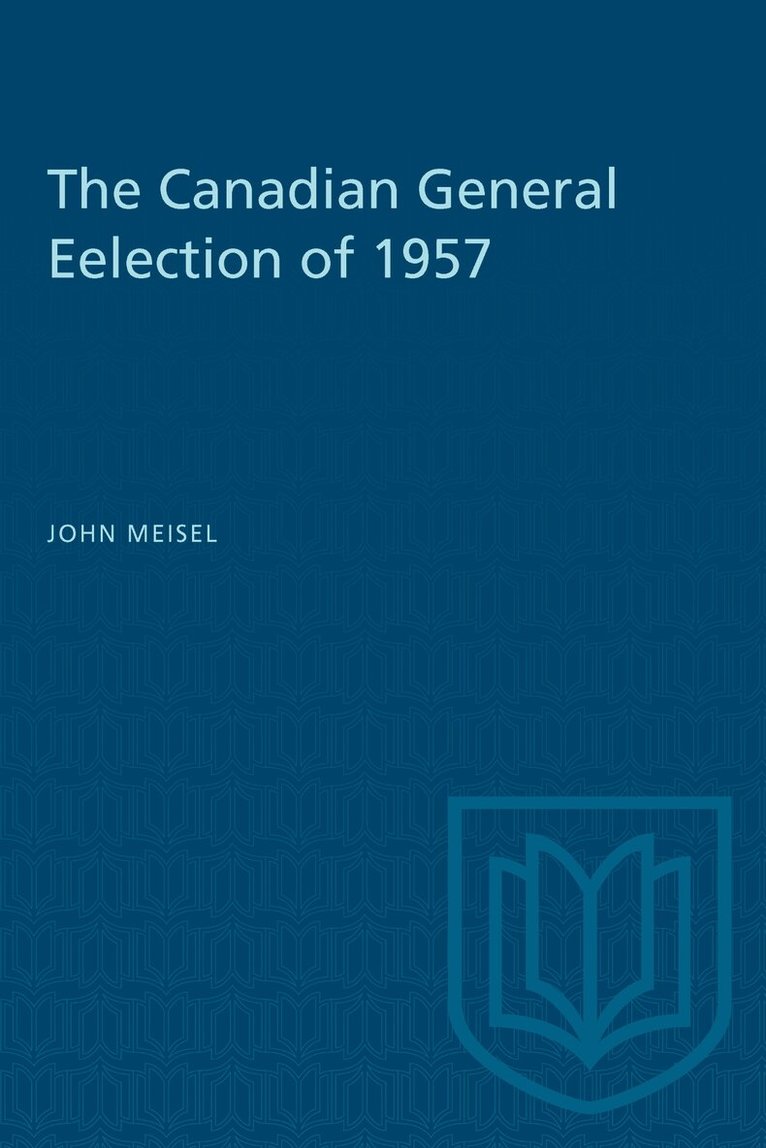
The cumulative usefulness of election studies has been proved by those sponsored by Nuffield College in Oxford; five volumes describe and analyse the last five British elections. The appearance of the first of a similar series dealing with Canadian elections is to be welcomed, particularly since this election was a critical one in the fortunes of the two major Canadian parties. The book provides an account of conditions in Canada in 1957 as a background for its discussion of election issues and party organizations. It deals with the emergence of Mr. Difenbaker as the Conservative leader just before the election and with the impact of his leadership on the Conservative party. The election strategy of the various parties, the work of their national headquarters, campaigning in the constituencies, and the activities and style of the leaders are described and assessed. The origins of the party programmes and their substance are examined and compared, as are also the characteristics of the candidates. In a final chapter and in the appendices the results of the election are presented and analysed.By dealing with his subject within a broad context, the author has produced not only a study of a critical Canadian election but also a searching analysis of our political parties at a moment when the party system was undergoing a fundamental change.Topical, readable, and authoritative, this study should prove of great interest and value to all students of Canadian politics and sociology, to practising politicians and to readers who follow trends in public affairs.
Canadian Government Series, no. 13.
410 kr
Skickas inom 5-8 vardagar
597 kr
Skickas inom 3-6 vardagar
479 kr
Läs direkt efter köp
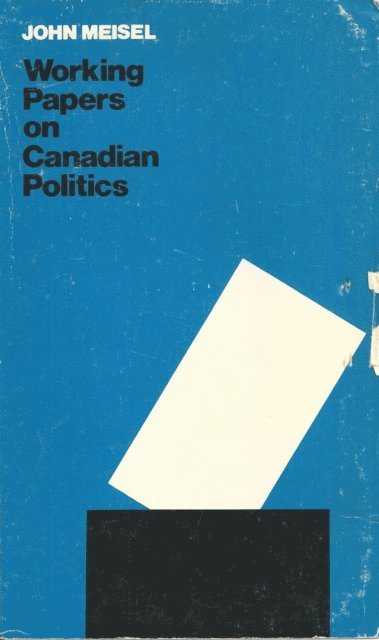
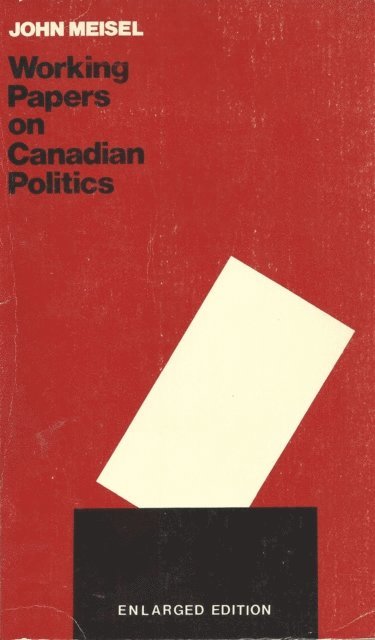
This book does not follow the current North American fashion of writing with the aid of a pair of scissors and a glue-pol. It is not a set of "readings" in the sense that it makes available in a single volume numerous items published previously elsewhere: all of the contributions were originally written for inclusion in these Papers. This fact notwithstanding, the essays do not follow any one theme, nor are they given unity by a shared frame of reference. Each author dealt with some aspect of the 1962 election without any concern with what was being attempted by the others. As a result, the Papers do not pretend to give a complete and well-rounded account of the 1962 contest.
When the careful and conscientious reader has put down the Papers he will have within his grasp a sort of do-it-yourself kit containing the materials out of which several election theories can be constructed . The authors hope that by unpacking and displaying the kit, they will have tempted many readers into trying to put some of the pieces together with the help of such additional equipment as they have acquired in their own observations of Canadian elections.
424 kr
Skickas inom 10-15 vardagar
1 459 kr
Läs direkt efter köp
1 459 kr
Läs direkt efter köp
496 kr
Skickas inom 3-6 vardagar
510 kr
Läs direkt efter köp
The cumulative usefulness of election studies has been proved by those sponsored by Nuffield College in Oxford; five volumes describe and analyse the last five British elections. The appearance of the first of a similar series dealing with Canadian elections is to be welcomed, particularly since this election was a critical one in the fortunes of the two major Canadian parties. The book provides an account of conditions in Canada in 1957 as a background for its discussion of election issues and party organizations. It deals with the emergence of Mr. Difenbaker as the Conservative leader just before the election and with the impact of his leadership on the Conservative party. The election strategy of the various parties, the work of their national headquarters, campaigning in the constituencies, and the activities and style of the leaders are described and assessed. The origins of the party programmes and their substance are examined and compared, as are also the characteristics of the candidates. In a final chapter and in the appendices the results of the election are presented and analysed.By dealing with his subject within a broad context, the author has produced not only a study of a critical Canadian election but also a searching analysis of our political parties at a moment when the party system was undergoing a fundamental change.Topical, readable, and authoritative, this study should prove of great interest and value to all students of Canadian politics and sociology, to practising politicians and to readers who follow trends in public affairs.
Canadian Government Series, no. 13.
410 kr
Skickas inom 5-8 vardagar
597 kr
Skickas inom 3-6 vardagar
479 kr
Läs direkt efter köp
This book does not follow the current North American fashion of writing with the aid of a pair of scissors and a glue-pol. It is not a set of "readings" in the sense that it makes available in a single volume numerous items published previously elsewhere: all of the contributions were originally written for inclusion in these Papers. This fact notwithstanding, the essays do not follow any one theme, nor are they given unity by a shared frame of reference. Each author dealt with some aspect of the 1962 election without any concern with what was being attempted by the others. As a result, the Papers do not pretend to give a complete and well-rounded account of the 1962 contest.
When the careful and conscientious reader has put down the Papers he will have within his grasp a sort of do-it-yourself kit containing the materials out of which several election theories can be constructed . The authors hope that by unpacking and displaying the kit, they will have tempted many readers into trying to put some of the pieces together with the help of such additional equipment as they have acquired in their own observations of Canadian elections.
424 kr
Skickas inom 10-15 vardagar