
John-Michael Rivera – författare
Visar alla böcker från författaren John-Michael Rivera. Handla med fri frakt och snabb leverans.
3 produkter
3 produkter

Emergence of Mexican America
Recovering Stories of Mexican Peoplehood in U.S. Culture
Inbunden, Engelska, 2006
1 062 kr
Skickas inom 10-15 vardagar
Winner of the 2006 Thomas J. Lyon Book Award in Western American Literary Studies, presented by the Western Literature AssociationIn The Emergence of Mexican America, John-Michael Rivera examines the cultural, political, and legal representations of Mexican Americans and the development of US capitalism and nationhood. Beginning with the Mexican-American War of 1846-1848 and continuing through the period of mass repatriation of US Mexican laborers in 1939, Rivera examines both Mexican-American and Anglo-American cultural production in order to tease out the complexities of the so-called "Mexican question." Using historical and archival materials, Rivera's wide-ranging objects of inquiry include fiction, non-fiction, essays, treaties, legal materials, political speeches, magazines, articles, cartoons, and advertisements created by both Mexicans and Anglo Americans. Engaging and methodologically venturesome, Rivera's study is a crucial contribution to Chicano/Latino Studies and fields of cultural studies, history, government, anthropology, and literary studies.

Emergence of Mexican America
Recovering Stories of Mexican Peoplehood in U.S. Culture
Häftad, Engelska, 2006
405 kr
Skickas inom 5-8 vardagar
Winner of the 2006 Thomas J. Lyon Book Award in Western American Literary Studies, presented by the Western Literature AssociationIn The Emergence of Mexican America, John-Michael Rivera examines the cultural, political, and legal representations of Mexican Americans and the development of US capitalism and nationhood. Beginning with the Mexican-American War of 1846-1848 and continuing through the period of mass repatriation of US Mexican laborers in 1939, Rivera examines both Mexican-American and Anglo-American cultural production in order to tease out the complexities of the so-called "Mexican question." Using historical and archival materials, Rivera's wide-ranging objects of inquiry include fiction, non-fiction, essays, treaties, legal materials, political speeches, magazines, articles, cartoons, and advertisements created by both Mexicans and Anglo Americans. Engaging and methodologically venturesome, Rivera's study is a crucial contribution to Chicano/Latino Studies and fields of cultural studies, history, government, anthropology, and literary studies.
253 kr
Skickas inom 11-20 vardagar
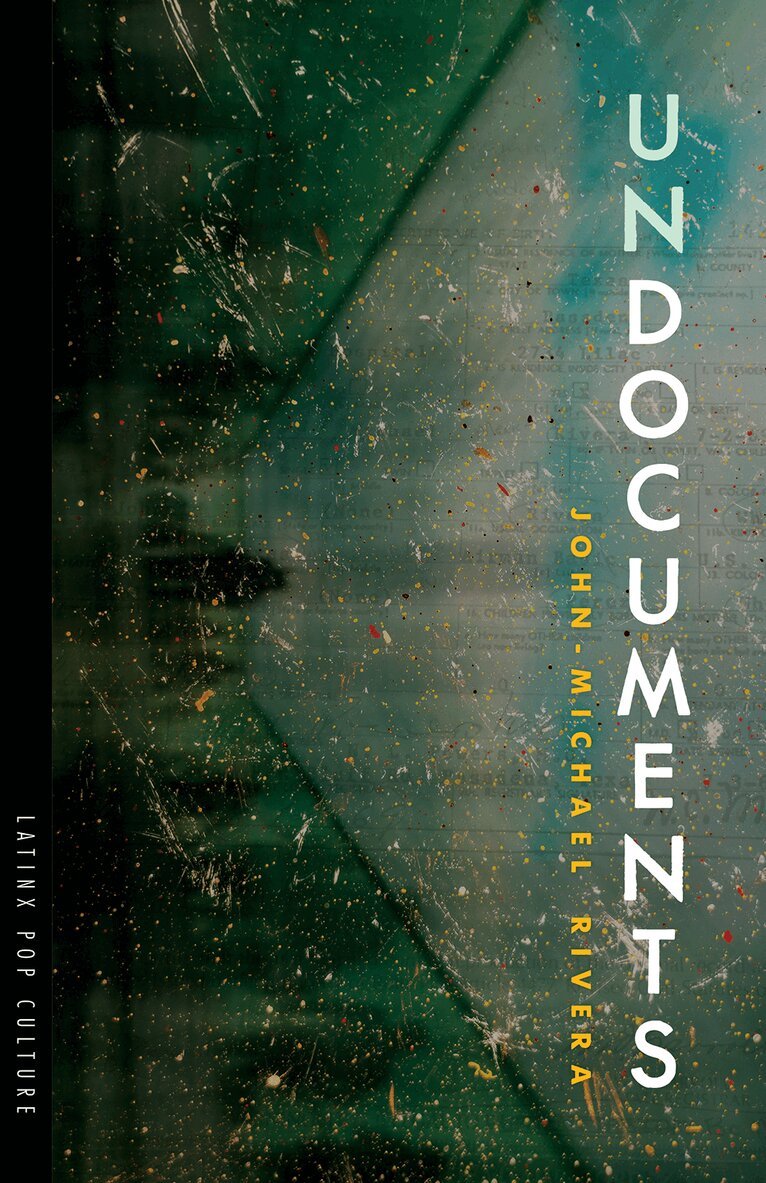
How do you document the undocumented? UNDOCUMENTS both poses and attempts to answer this complex question by remixing the forms and styles of the first encyclopedia of the New World, the Florentine Codex, in order to tell a modern story of Greater Mexico. Employing a broad range of writing genres and scholarly approaches, UNDOCUMENTS catalogs, recovers, and erases documents and images by and about peoples of Greater Mexico from roughly the first colonial moment. This brave and bracing volume organizes and documents ancient New World Mexican peoples from the Florentine Codex (1592) to our current technology-heavy age, wherein modern lawmakers and powerful global figures desire to classify, deport, and erase immigrants and their experiences.While grappling with anxiety and the physical and mental health consequences of the way the United States treats immigrant bodies, John-Michael Rivera documents and scrutinizes what it means to seek opportunities in America. With a focus on the poetics of Latinx documentality itself, this book is concerned with the complicated and at times contradictory ways peoples of Greater Mexico have been documented and undocumented within systems of colonial knowledges, and how these peoples have been rendered as specters of the bureaucratic state. Rivera takes us through the painful, anxiety-ridden, and complex nature of what it means to be documented or undocumented, and the cruelty married to each of these states of being.