John Michael Vlach - Böcker
Visar alla böcker från författaren John Michael Vlach. Handla med fri frakt och snabb leverans.
3 produkter
3 produkter
530 kr
Skickas inom 10-15 vardagar
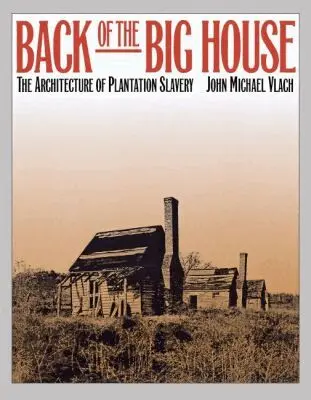
Behind the ""Big Houses"" of the antebellum South existed a different world, socially and architecturally, where slaves lived and worked. John Michael Vlach explores the structures and spaces that formed the slaves' environment. Through photographs and the words of former slaves, he portrays the plantation landscape from the slaves' own point of view. The plantation landscape was chiefly the creation of slaveholders, but Vlach argues convincingly that slaves imbued this landscape with their own meanings. Their subtle acts of appropriation constituted one of the more effective strategies of slave resistance and one that provided a locus for the formation of a distinctive African American culture in the South. Vlach has chosen more than 200 photographs and drawings from the Historic American Buildings Survey--an archive that has been mined many times for its images of the planters' residences but rarely for those of slave dwellings. In a dramatic photographic tour, Vlach leads readers through kitchens, smokehouses, dairies, barns and stables, and overseers' houses, finally reaching the slave quarters. To evoke a firsthand sense of what it was like to live and work in these spaces, he includes excerpts from the moving testimonies of former slaves drawn from the Federal Writers' Project collections. |Exploring the structures and spaces used by slaves on antebellum plantations, Vlach shows how slaves subtly appropriated this landscape as their own. These newly claimed spaces fostered a feeling of community that served as a seedbed for further resistance and for the invention and maintenance of a distinctive African American culture. 206 illustrations. A New York Times Notable Book.
716 kr
Skickas inom 5-8 vardagar
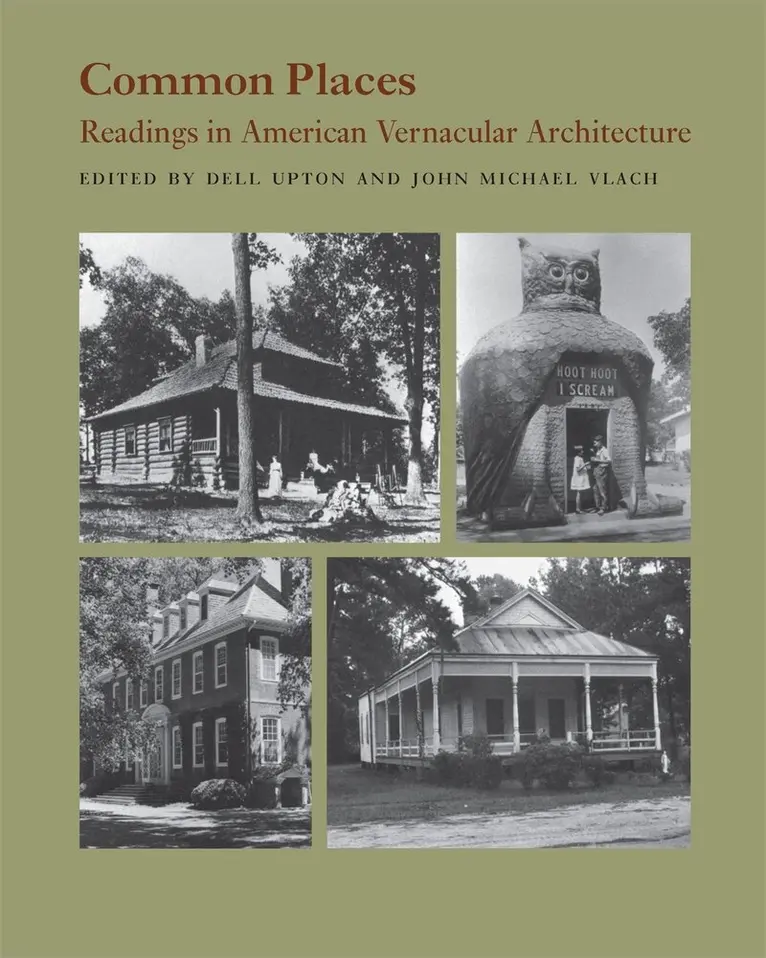
Exploring America's material culture, Common Places reveals the history, culture, and social and class relationships that are the backdrop of the everyday structures and environments of ordinary people. Examining America's houses and cityscapes, its rural outbuildings and landscapes from perspectives including cultural geography, decorative arts, architectural history, and folklore, these articles reflect the variety and vibrancy of the growing field of vernacular architecture.In essays that focus on buildings and spaces unique to the U.S. landscape, Clay Lancaster, Edward T. Price, John Michael Vlach, and Warren E. Roberts reconstruct the social and cultural contexts of the modern bungalow, the small-town courthouse square, the shotgun house of the South, and the log buildings of the Midwest. Surveying the buildings of America's settlement, scholars including Henry Glassie, Norman Morrison Isham, Edward A. Chappell, and Theodore H. M. Prudon trace European ethnic influences in the folk structures of Delaware and the houses of Rhode Island, in Virginia's Renish homes, and in the Dutch barn widely repeated in rural America.Ethnic, regional, and class differences have flavored the nation's vernacular architecture. Fraser D. Neiman reveals overt changes in houses and outbuildings indicative of the growing social separation and increasingly rigid relations between seventeenth-century Virginia planters and their servants. Fred B. Kniffen and Fred W. Peterson show how, following the westward expansion of the nineteenth century, the structures of the eastern elite were repeated and often rejected by frontier builders. Moving into the twentieth century, James Borchert tracks the transformation of the alley from an urban home for Washington's blacks in the first half of the century to its new status in the gentrified neighborhoods of the last decade, while Barbara Rubin's discussion of the evolution of the commercial strip counterpoints the goals of city planners and more spontaneous forms of urban expression.The illustrations that accompany each article present the artifacts of America's material past. Photographs of individual buildings, historic maps of the nation's agricultural expanse, and descriptions of the household furnishings of the Victorian middle class, the urban immigrant population, and the rural farmer's homestead complete the volume, rooting vernacular architecture to the American people, their lives, and their everyday creations.
566 kr
Skickas inom 5-8 vardagar
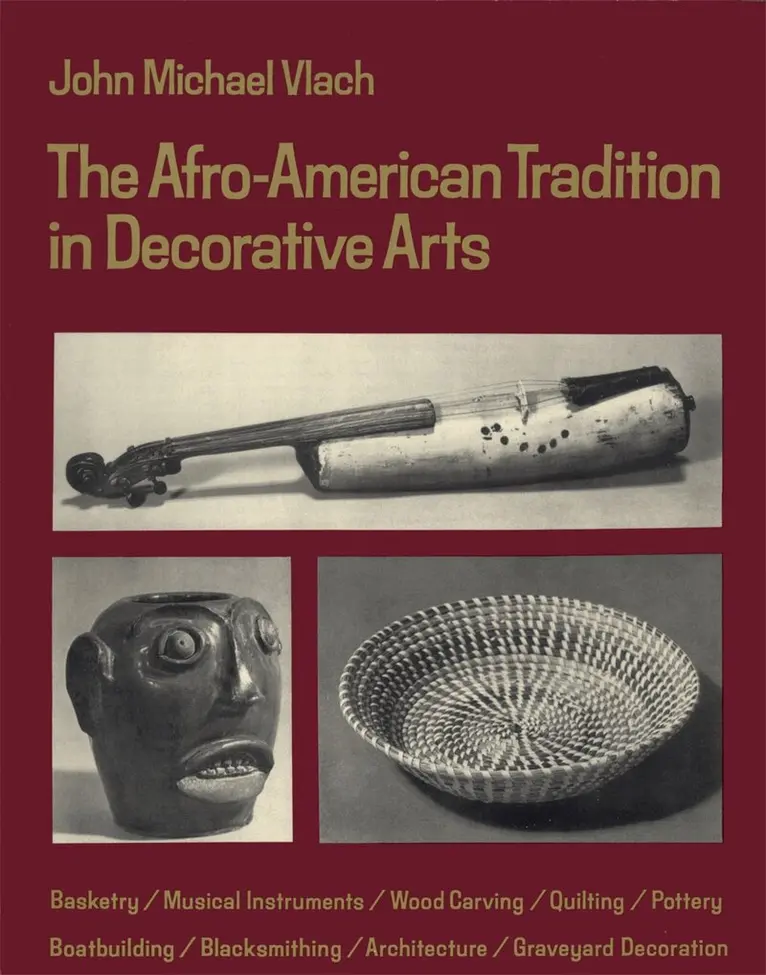
Covering basketry, musical instruments, wood carving, quilting, pottery, boatbuilding, blacksmithing, architecture, and graveyard decoration, John Vlach seeks to trace and substantiate African influences in the traditional arts and crafts of black Americans. It is a widespread tradition, he observes, readily visible in areas such as the coastal regions of South Carolina and Georgia but discernible as well in places far to the west and north. With the aid of more than two hundred photographs and numerous maps, diagrams, and drawings, Vlach not only examines the form and content of the artifacts and structures but also relates them to the complex cultural context from which they sprang—the interwoven strands of African and European influence.Originally published in 1978 as the catalog to a major exhibit by the Cleveland Museum of Art, this book was among the first to describe and analyze the achievements of African American artisans. It is now recognized as a landmark work, the standard in its field, and is widely used by historians, folklorists, anthropologists, and sociologists.