• Fri frakt över 249 kr
  • •
  • Snabba leveranser
  • •
  • Billiga böcker
Kundservice

Du är på sajten för privatpersoner.

Företag, bibliotek eller offentlig verksamhet?

Du handlar på classic.bokus.com, där alla dina funktioner finns intakta.
Till classic.bokus.com
Bokus logotyp. Gå till startsidan.
  • Erbjudanden
  • Nyheter
  • Student
  • Topplistor
  • Barn & ungdom
  • Bokus Play
  • E-böcker
  • Pocketböcker
  • Spel & pussel

10% rabatt på allt med kod: NYSTART10 →

Sidfot

Mina sidor

    Hjälp

    • Kundservice
    • Vanliga frågor och svar
    • Frakt och leverans
    • Retur vid ångerrätt
    • Reklamera vara
    • Betalning
    • Köpvillkor
    • Allmänna villkor
    • Information om webbplatsens tillgänglighet

    Om Bokus

    • Om oss
    • Pressrum
    • För studenter
    • För företag
    • För bibliotek och offentlig verksamhet
    • För leverantörer
    • Hållbarhet

    Populärt

    • Aktuella erbjudanden
    • Presentkort
    • Studentlitteratur
    • Nya böcker
    • Topplistor
    • Signerade böcker
    • Engelska böcker

    Inspiration

    • Boktips
    • BookTok
    • Populära bokserier
    • Barnbokskaraktärer
    • Populära författare
    Logotyp för Bokus
    Följ oss på Facebook (extern länk)Följ oss på Instagram (extern länk)Följ oss på YouTube (extern länk)Följ oss på TikTok (extern länk)
    bokus @ CookiesAnpassa cookiesIntegritetspolicyKöpvillkor
    Till Citymail hemsida (extern länk)Till Budbee hemsida (extern länk)Till Postnord hemsida (extern länk)Till Schenker hemsida (extern länk)Till Early Bird hemsida (extern länk)Till Walleys hemsida (extern länk)
    1. Kultur
    2. Arkitektur

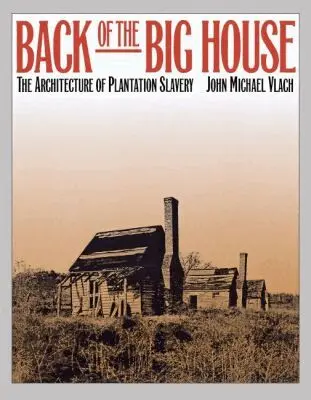
    Back of the Big House

    The Architecture of Plantation Slavery

    AvJohn Michael Vlach

    Häftad, Engelska, 1993

    550 kr

    Beställningsvara. Skickas inom 10-15 vardagar. Fri frakt över 249 kr.

    Beskrivning

    Behind the ""Big Houses"" of the antebellum South existed a different world, socially and architecturally, where slaves lived and worked. John Michael Vlach explores the structures and spaces that formed the slaves' environment. Through photographs and the words of former slaves, he portrays the plantation landscape from the slaves' own point of view. The plantation landscape was chiefly the creation of slaveholders, but Vlach argues convincingly that slaves imbued this landscape with their own meanings. Their subtle acts of appropriation constituted one of the more effective strategies of slave resistance and one that provided a locus for the formation of a distinctive African American culture in the South. Vlach has chosen more than 200 photographs and drawings from the Historic American Buildings Survey--an archive that has been mined many times for its images of the planters' residences but rarely for those of slave dwellings. In a dramatic photographic tour, Vlach leads readers through kitchens, smokehouses, dairies, barns and stables, and overseers' houses, finally reaching the slave quarters. To evoke a firsthand sense of what it was like to live and work in these spaces, he includes excerpts from the moving testimonies of former slaves drawn from the Federal Writers' Project collections. |Exploring the structures and spaces used by slaves on antebellum plantations, Vlach shows how slaves subtly appropriated this landscape as their own. These newly claimed spaces fostered a feeling of community that served as a seedbed for further resistance and for the invention and maintenance of a distinctive African American culture. 206 illustrations. A New York Times Notable Book.

    Produktinformation

    • Utgivningsdatum:1993-05-28
    • Mått:216 x 282 x 20 mm
    • Vikt:820 g
    • Format:Häftad
    • Språk:Engelska
    • Antal sidor:273
    • Förlag:The University of North Carolina Press
    • ISBN:9780807844120

    Utforska kategorier

    • Arkitektur inom Kultur
    • Socialhistoria och kulturhistoria inom Historia och arkeologi
    • Slaveri inom Historia och arkeologi

    Mer om författaren

    John Michael Vlach is professor of American studies and anthropology and director of the folklife program at The George Washington University. His books include The Planter's Prospect: Privilege and Slavery in Plantation Paintings and The Afro-American Tradition in the Decorative Arts.