John Olive – författare
Visar alla böcker från författaren John Olive. Handla med fri frakt och snabb leverans.
4 produkter
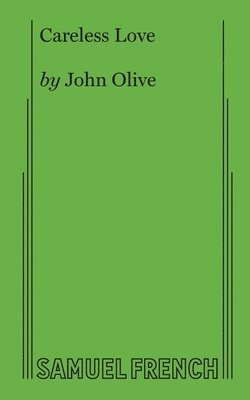
Careless Love
Av John Olive
Häftad, 2017
327 kr
Lägg i varukorg
Here is a play about commitment and responsibility in love. Jack, an aspiring actor, is serious about his career but not about his girlfriend, Martha, an aspiring dancer. They drift along on a cloud of good times, until Martha gets pregnant. By the time Jack realizes he wants to make an emotional …
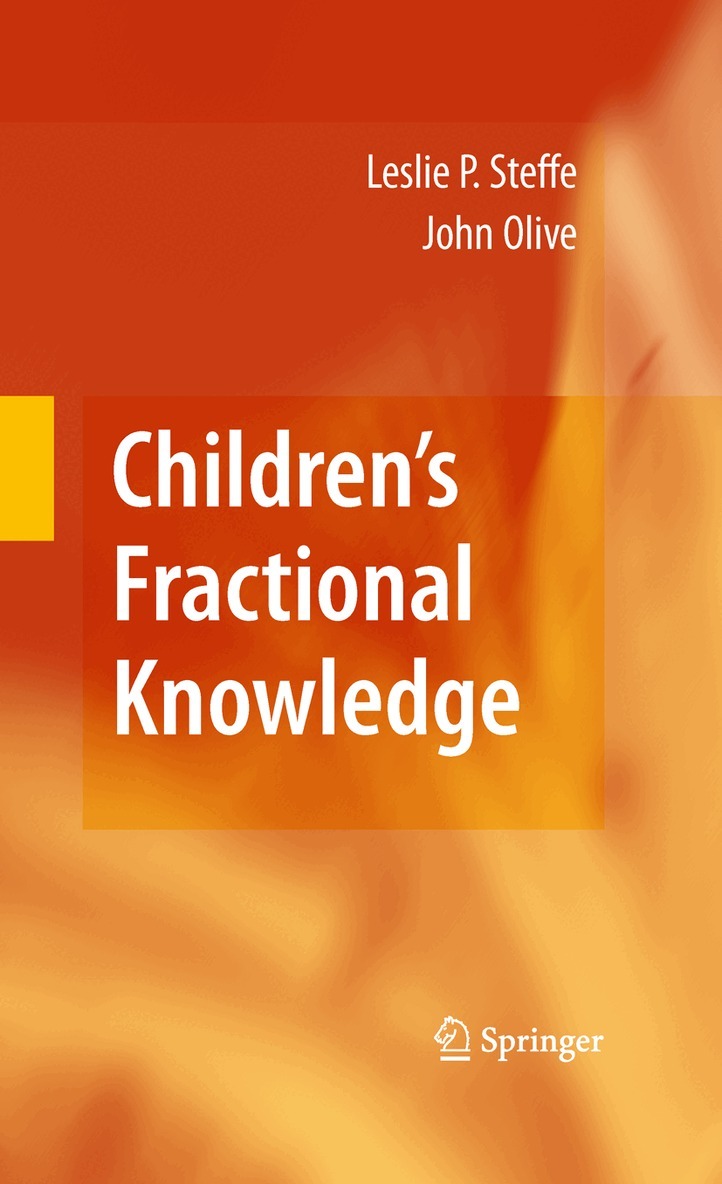
Children's Fractional Knowledge
Av Leslie P. Steffe, John Olive
Inbunden, 2009
1062 kr
Lägg i varukorg
Children’s Fractional Knowledge elegantly tracks the construction of knowledge, both by children learning new methods of reasoning and by the researchers studying their methods. The book challenges the widely held belief that children’s whole number knowledge is a distraction from their learning of …
Children's Fractional Knowledge
Av John Olive, Leslie P. Steffe
E-bok, 2009
1459 kr
Lägg i varukorg
Children’s Fractional Knowledge elegantly tracks the construction of knowledge, both by children learning new methods of reasoning and by the researchers studying their methods. The book challenges the widely held belief that children’s whole number knowledge is a distraction from their learning of …
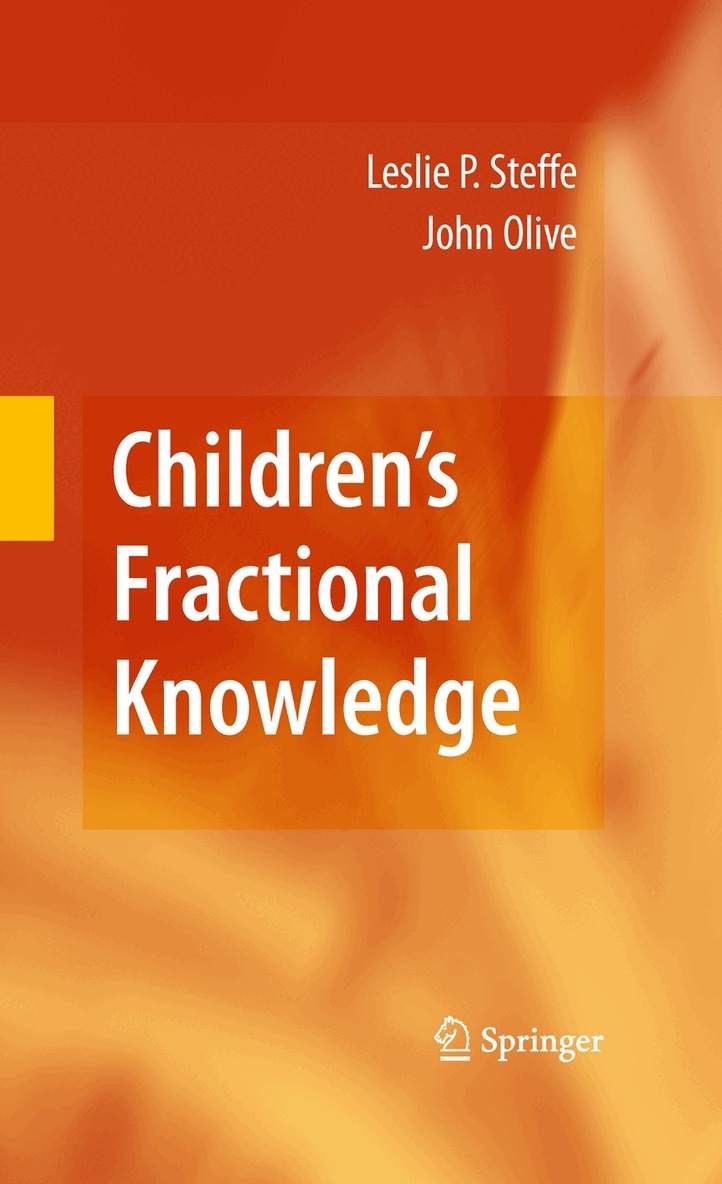
Children's Fractional Knowledge
Av Leslie P. Steffe, John Olive
Häftad, 2014
1093 kr
Lägg i varukorg
Children’s Fractional Knowledge elegantly tracks the construction of knowledge, both by children learning new methods of reasoning and by the researchers studying their methods. The book challenges the widely held belief that children’s whole number knowledge is a distraction from their learning of …