John Ott - Böcker
Visar alla böcker från författaren John Ott. Handla med fri frakt och snabb leverans.
5 produkter
5 produkter
780 kr
Skickas inom 7-10 vardagar
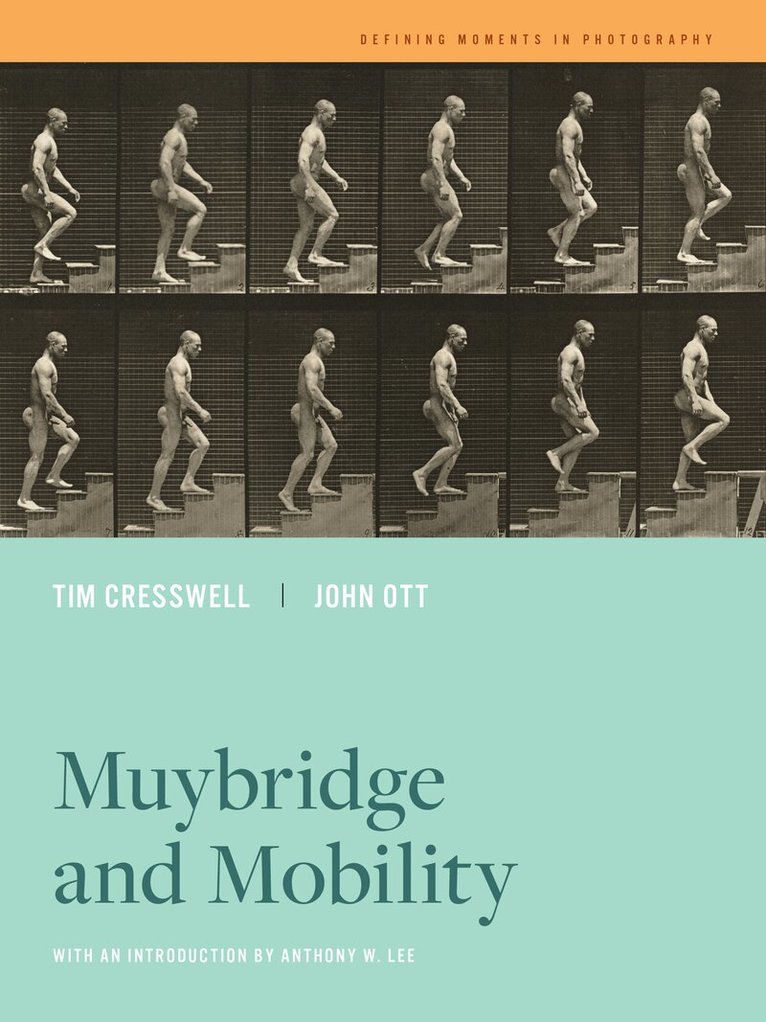
A cultural geographer and an art historian offer fresh interpretations of Muybridge’s famous motion studies through the lenses of mobility and race.In 1878, Eadweard Muybridge successfully photographed horses in motion, proving that all four hooves leave the ground at once for a split second during full gallop. This was the beginning of Muybridge’s decades-long investigation into instantaneous photography, culminating in his masterpiece Animal Locomotion. Muybridge became one of the most influential photographers of his time, and his stop-motion technique helped pave the way for the motion-picture industry, born a short decade later. Coauthored by cultural geographer Tim Cresswell and art historian John Ott, this book reexamines the motion studies as historical forms of “mobility,” in which specific forms of motion are given extraordinary significance and accrued value. Through a lively, interdisciplinary exchange, the authors explore how mobility is contextualized within the transformations of movement that marked the nineteenth century and how mobility represents the possibilities of social movement for African Americans. Together, these complementary essays look to Muybridge’s works as interventions in knowledge and experience and as opportunities to investigate larger social ramifications and possibilities.
235 kr
Skickas inom 7-10 vardagar
A cultural geographer and an art historian offer fresh interpretations of Muybridge’s famous motion studies through the lenses of mobility and race.In 1878, Eadweard Muybridge successfully photographed horses in motion, proving that all four hooves leave the ground at once for a split second during full gallop. This was the beginning of Muybridge’s decades-long investigation into instantaneous photography, culminating in his masterpiece Animal Locomotion. Muybridge became one of the most influential photographers of his time, and his stop-motion technique helped pave the way for the motion-picture industry, born a short decade later. Coauthored by cultural geographer Tim Cresswell and art historian John Ott, this book reexamines the motion studies as historical forms of “mobility,” in which specific forms of motion are given extraordinary significance and accrued value. Through a lively, interdisciplinary exchange, the authors explore how mobility is contextualized within the transformations of movement that marked the nineteenth century and how mobility represents the possibilities of social movement for African Americans. Together, these complementary essays look to Muybridge’s works as interventions in knowledge and experience and as opportunities to investigate larger social ramifications and possibilities.
485 kr
Skickas
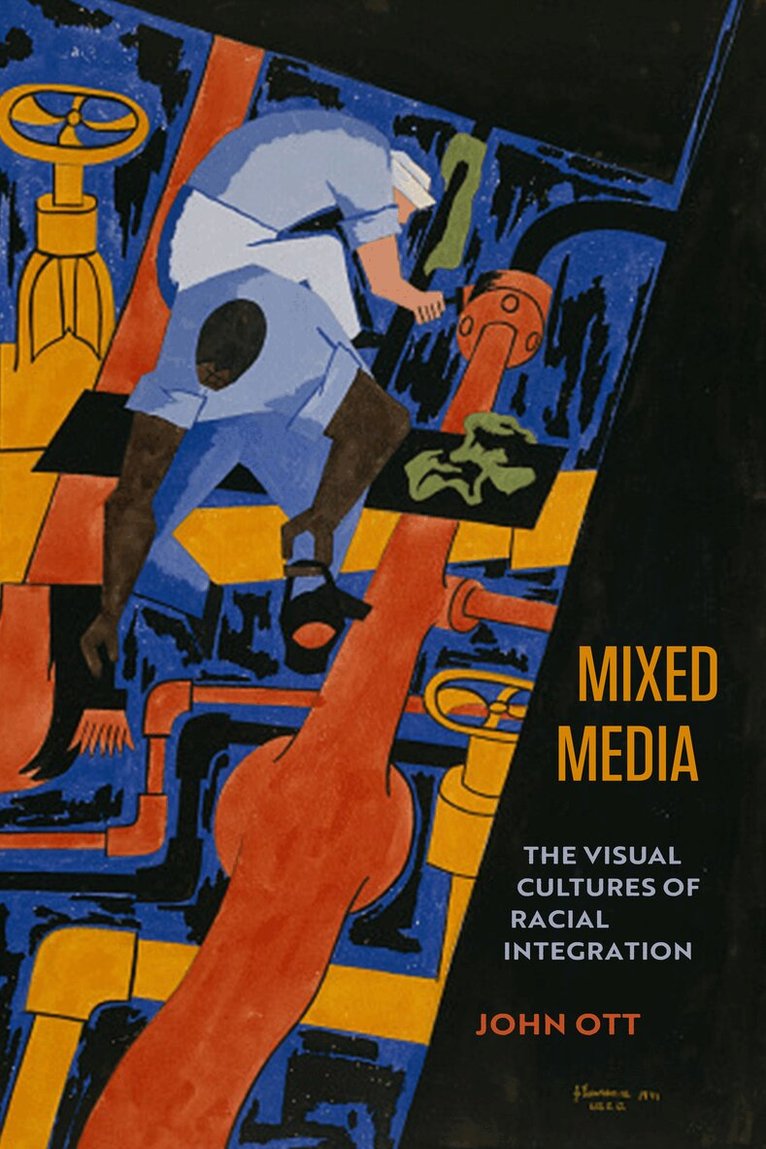
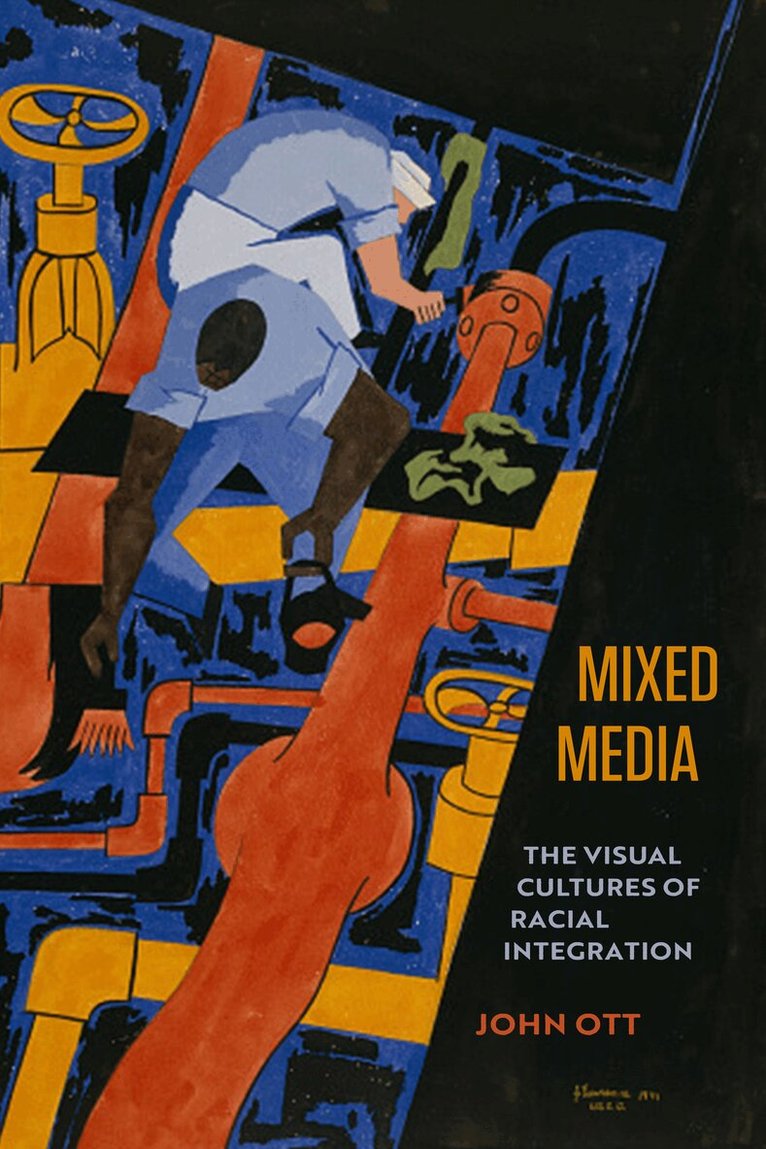
Mixed Media investigates Black and white artists' efforts toward racial integration, from the infamous 1931 Scottsboro Boys trial until Brown v. Board's 1954 desegregation of public schools. Each chapter attends to a distinctive visual ecology fostered by institutions and individuals committed to desegregation to varying degrees, including the nationwide public art initiatives of the New Deal, the imagery and cultural programs of the multiracial Popular Front, graphics produced for CIO-member labor unions, Jacob Lawrence's war paintings and other visual propaganda of the armed forces, and the struggle of New York abstract painters of African descent to navigate the criticism, museums, and markets of the mainstream art world. Together, they explore the divergent approaches to conceptualizing and implementing racial integration along the liberal-radical axis.
Manufacturing the Modern Patron in Victorian California
Cultural Philanthropy, Industrial Capital, and Social Authority
Häftad, Engelska, 2016
849 kr
Skickas inom 10-15 vardagar
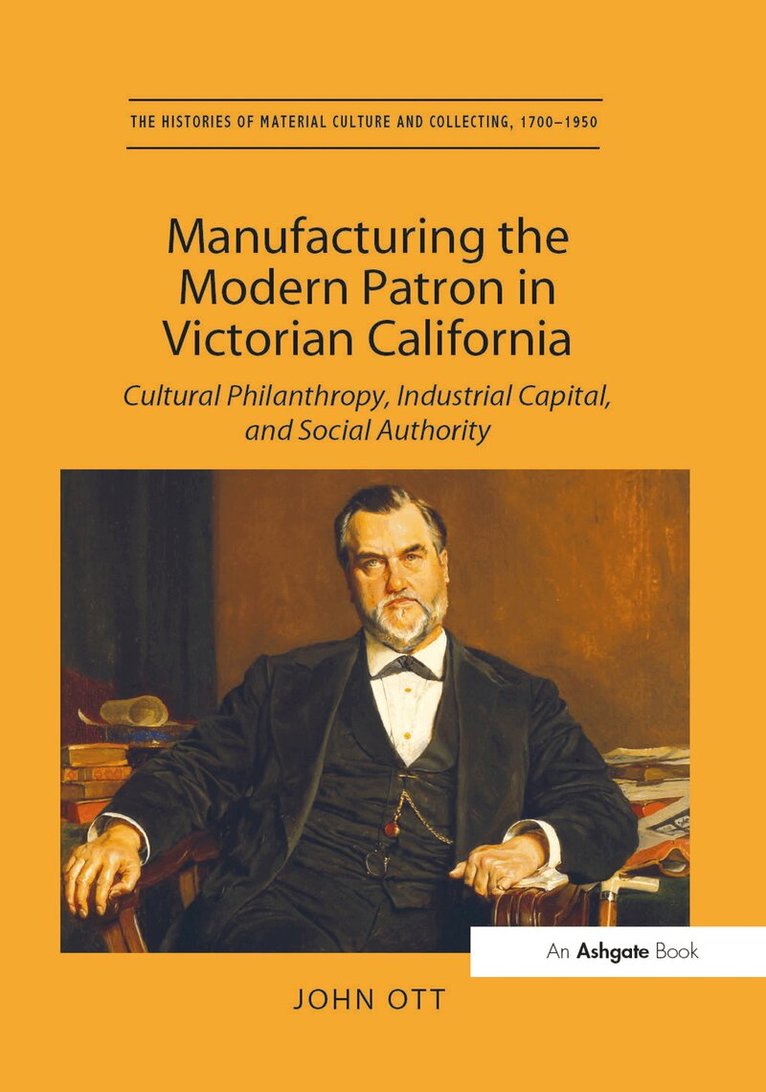
Through the example of Central Pacific Railroad executives, Manufacturing the Modern Patron in Victorian California redirects attention from the usual art historical protagonists - artistic producers - and rewrites narratives of American art from the unfamiliar vantage of patrons and collectors. Neither denouncing, nor lionizing, nor dismissing its subjects, it demonstrates the benefits of taking art consumers seriously as active contributors to the cultural meanings of artwork. It explores the critical role of art patronage in the articulation of a new and distinctly modern elite class identity for newly ascendant corporate executives and financiers. These economic elites also sought to legitimate trends in industrial capitalism, such as mechanization, incorporation, and proletarianization, through their consumption of a diverse array of elite culture, including regional landscapes, panoramic and stop-motion photography, history paintings of the California Gold Rush, the architecture of Stanford University, and the design of domestic galleries. This book addresses not only readers in the art history and visual and material cultures of the United States, but also scholars of patronage studies, American Studies, and the sociology of culture. It tells a story still relevant to this new Gilded Age of the early 21st century, in which wealthy collectors dramatically shape contemporary art markets and institutions.
Manufacturing the Modern Patron in Victorian California
Cultural Philanthropy, Industrial Capital, and Social Authority
Inbunden, Engelska, 2014
2 369 kr
Skickas inom 10-15 vardagar
Through the example of Central Pacific Railroad executives, Manufacturing the Modern Patron in Victorian California redirects attention from the usual art historical protagonists - artistic producers - and rewrites narratives of American art from the unfamiliar vantage of patrons and collectors. Neither denouncing, nor lionizing, nor dismissing its subjects, it demonstrates the benefits of taking art consumers seriously as active contributors to the cultural meanings of artwork. It explores the critical role of art patronage in the articulation of a new and distinctly modern elite class identity for newly ascendant corporate executives and financiers. These economic elites also sought to legitimate trends in industrial capitalism, such as mechanization, incorporation, and proletarianization, through their consumption of a diverse array of elite culture, including regional landscapes, panoramic and stop-motion photography, history paintings of the California Gold Rush, the architecture of Stanford University, and the design of domestic galleries. This book addresses not only readers in the art history and visual and material cultures of the United States, but also scholars of patronage studies, American Studies, and the sociology of culture. It tells a story still relevant to this new Gilded Age of the early 21st century, in which wealthy collectors dramatically shape contemporary art markets and institutions.