John P. LeDonne – författare
1 044 kr
Läs direkt efter köp
2 403 kr
Skickas inom 5-8 vardagar
1 183 kr
Skickas inom 5-8 vardagar
2 070 kr
Läs direkt efter köp
1 044 kr
Läs direkt efter köp
685 kr
Skickas inom 5-8 vardagar
1 680 kr
Skickas inom 5-8 vardagar
697 kr
Läs direkt efter köp
1 465 kr
Skickas inom 5-8 vardagar
1 069 kr
Läs direkt efter köp
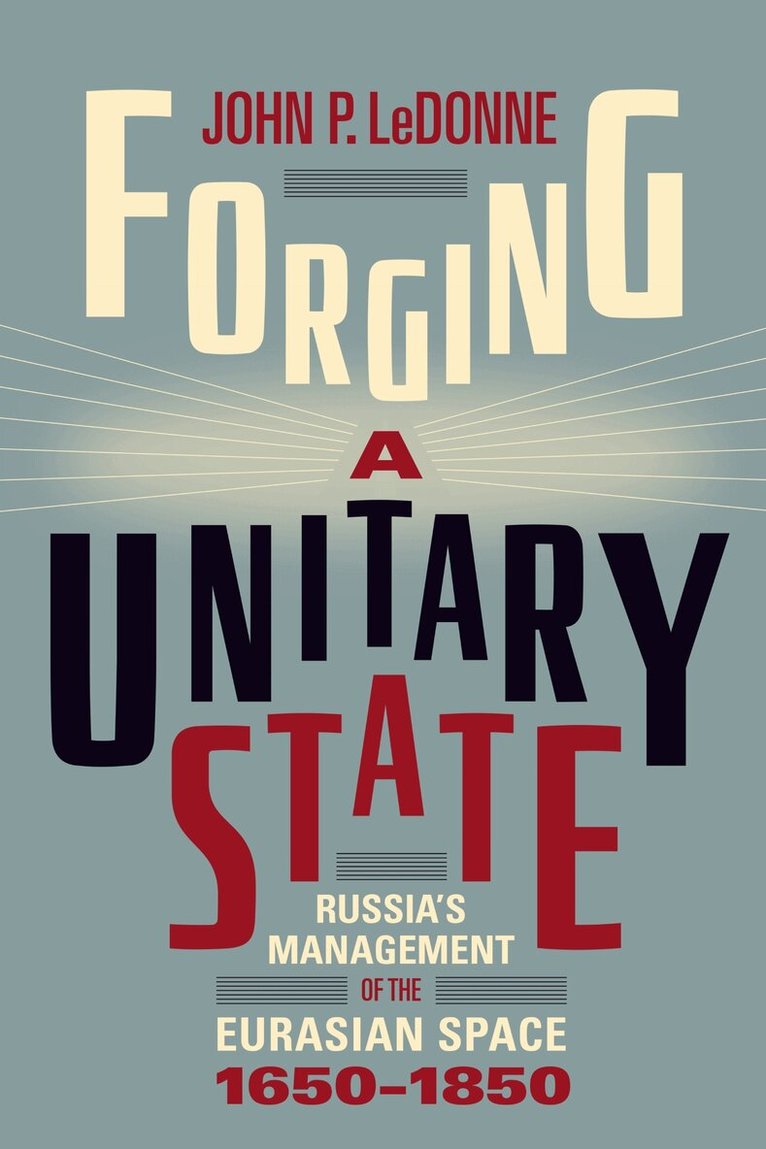
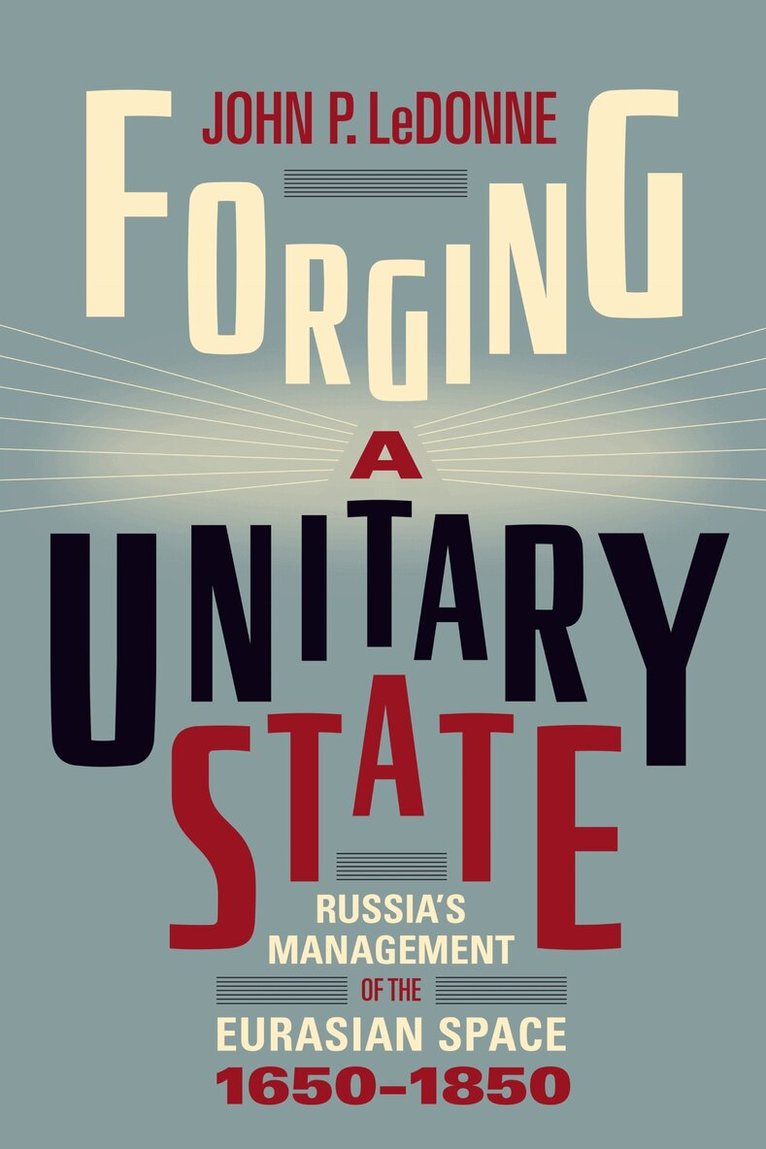
Covering two centuries of Russian history, Forging a Unitary State is a comprehensive account of the creation of what is commonly known as the "Russian Empire," from Poland to Siberia. In this book, John P. LeDonne demonstrates that the so-called empire was, for the most part, a unitary state, defined by an obsessive emphasis on centralization and uniformity. The standardization of local administration, the judicial system, tax regime, and commercial policy were carried out slowly but systematically over eight generations, in the hope of integrating people on the periphery into the Russian political and social hierarchy.
The ultimate goal of Russian policy was to create a "Fortress Empire" consisting of a huge Russian unitary state flanked by a few peripheral territories, such as Finland, Transcaucasia, and Central Asia. Additional peripheral states, such as Sweden, Turkey, and Persia, would guarantee the security of this "Fortress Empire," and the management of Eurasian territory. LeDonne’s provocative argument is supported by a careful comparative study of Russian expansion along its western, southern, and eastern borders, drawing on vital but under-studied administrative evidence. Forging a Unitary State is an essential resource for those interested in the long history of Russian expansionism.
1 069 kr
Läs direkt efter köp
Covering two centuries of Russian history, Forging a Unitary State is a comprehensive account of the creation of what is commonly known as the "Russian Empire," from Poland to Siberia. In this book, John P. LeDonne demonstrates that the so-called empire was, for the most part, a unitary state, defined by an obsessive emphasis on centralization and uniformity. The standardization of local administration, the judicial system, tax regime, and commercial policy were carried out slowly but systematically over eight generations, in the hope of integrating people on the periphery into the Russian political and social hierarchy.
The ultimate goal of Russian policy was to create a "Fortress Empire" consisting of a huge Russian unitary state flanked by a few peripheral territories, such as Finland, Transcaucasia, and Central Asia. Additional peripheral states, such as Sweden, Turkey, and Persia, would guarantee the security of this "Fortress Empire," and the management of Eurasian territory. LeDonne’s provocative argument is supported by a careful comparative study of Russian expansion along its western, southern, and eastern borders, drawing on vital but under-studied administrative evidence. Forging a Unitary State is an essential resource for those interested in the long history of Russian expansionism.
778 kr
Skickas inom 5-8 vardagar