John P. Nielsen – författare
Visar alla böcker från författaren John P. Nielsen. Handla med fri frakt och snabb leverans.
8 produkter
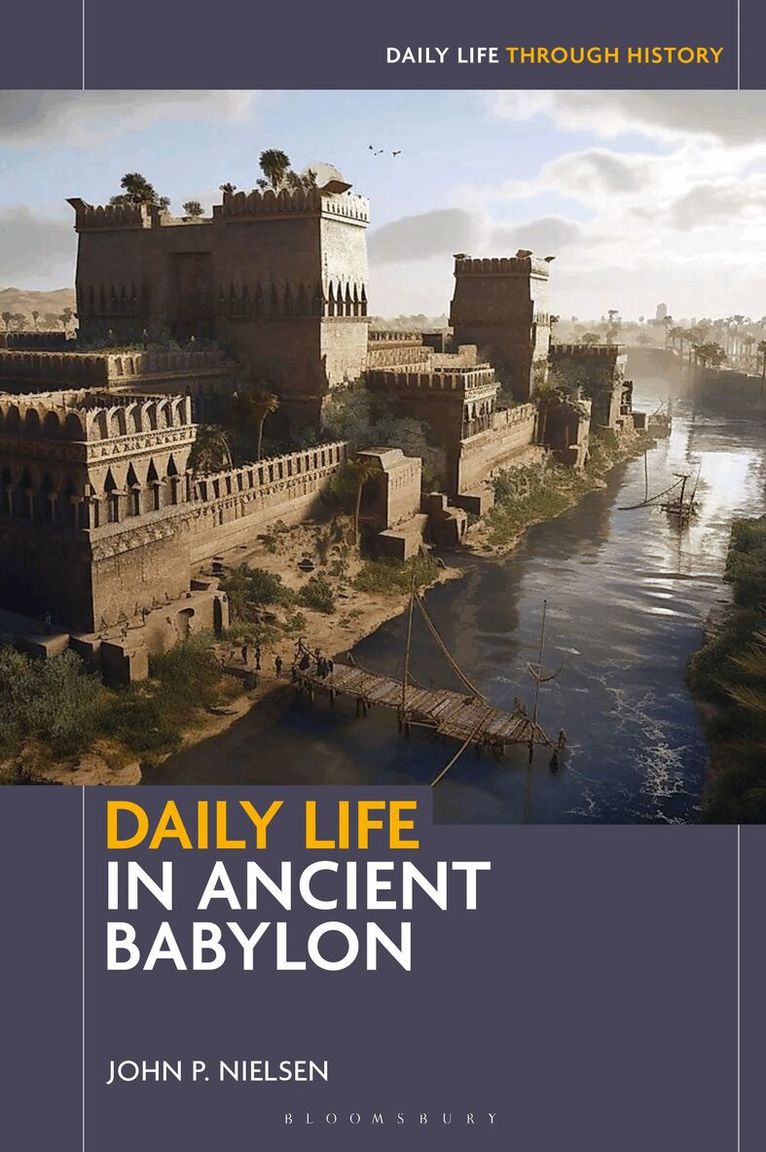
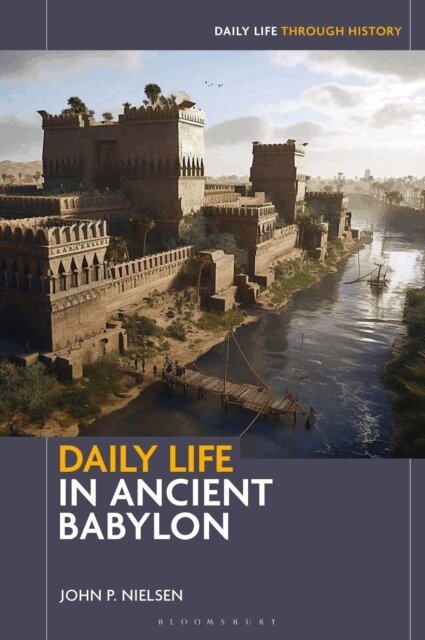
Daily Life in Ancient Babylon
Inbunden, 2026
797 kr
Lägg i varukorg
Explore day-to-day life in ancient Babylon—its social structure, economy, religion, key figures, and cultural practices—and gain essential insights into one of Mesopotamia's most influential civilizations.From the monumental contributions of Hammurabi’s law code to the grandeur of Nebuchadnezzar …
Reign of Nebuchadnezzar I in History and Historical Memory
Häftad, 2020
725 kr
Lägg i varukorg
Nebuchadnezzar I (r. 1125-1104) was one of the more significant and successful kings to rule Babylonia in the intervening period between the demise of the Kassite Dynasty in the 12th century at the end of the Late Bronze Age, and the emergence of a new, independent Babylonian monarchy in the last …
Reign of Nebuchadnezzar I in History and Historical Memory
Inbunden, 2018
2578 kr
Lägg i varukorg
Nebuchadnezzar I (r. 1125-1104) was one of the more significant and successful kings to rule Babylonia in the intervening period between the demise of the Kassite Dynasty in the 12th century at the end of the Late Bronze Age, and the emergence of a new, independent Babylonian monarchy in the last …
Reign of Nebuchadnezzar I in History and Historical Memory
E-bok, 2018
856 kr
Lägg i varukorg
Nebuchadnezzar I (r. 1125-1104) was one of the more significant and successful kings to rule Babylonia in the intervening period between the demise of the Kassite Dynasty in the 12th century at the end of the Late Bronze Age, and the emergence of a new, independent Babylonian monarchy in the last …
Reign of Nebuchadnezzar I in History and Historical Memory
E-bok, 2018
831 kr
Lägg i varukorg
Nebuchadnezzar I (r. 1125-1104) was one of the more significant and successful kings to rule Babylonia in the intervening period between the demise of the Kassite Dynasty in the 12th century at the end of the Late Bronze Age, and the emergence of a new, independent Babylonian monarchy in the last …
Personal Names in Early Neo-Babylonian Legal and Administrative Tablets, 747-626 B.C.E.
Häftad, 2015
805 kr
Lägg i varukorg
The period between the accession of Nabonasser, in 747 B.C.E., and the accession of Nabopolasser, in 625 B.C.E., was a period of significant stability for the city of Babylon, due in large part to the projection of Assyrian power in the region. During this transitional period, increased economic …
Sons and Descendants
A Social History of Kin Groups and Family Names in the Early Neo-Babylonian Period, 747-626 B.C.
Inbunden, 2010
2928 kr
Lägg i varukorg
Sons and Descendants represents the first comprehensive study of Babylonian family names. Drawing primarily on evidence from legal documents from the early Neo-Babylonian period (747-626 B.C.), the book examines the presence of large, named kin groups at the major Babylonia cities, considering …
Daily Life in Ancient Babylon
E-bok, 2026
883 kr
Lägg i varukorg
Explore day-to-day life in ancient Babylon-its social structure, economy, religion, key figures, and cultural practices-and gain essential insights into one of Mesopotamia's most influential civilizations.From the monumental contributions of Hammurabi's law code to the grandeur of Nebuchadnezzar …