John Pitcher – författare
Visar alla böcker från författaren John Pitcher. Handla med fri frakt och snabb leverans.
4 produkter
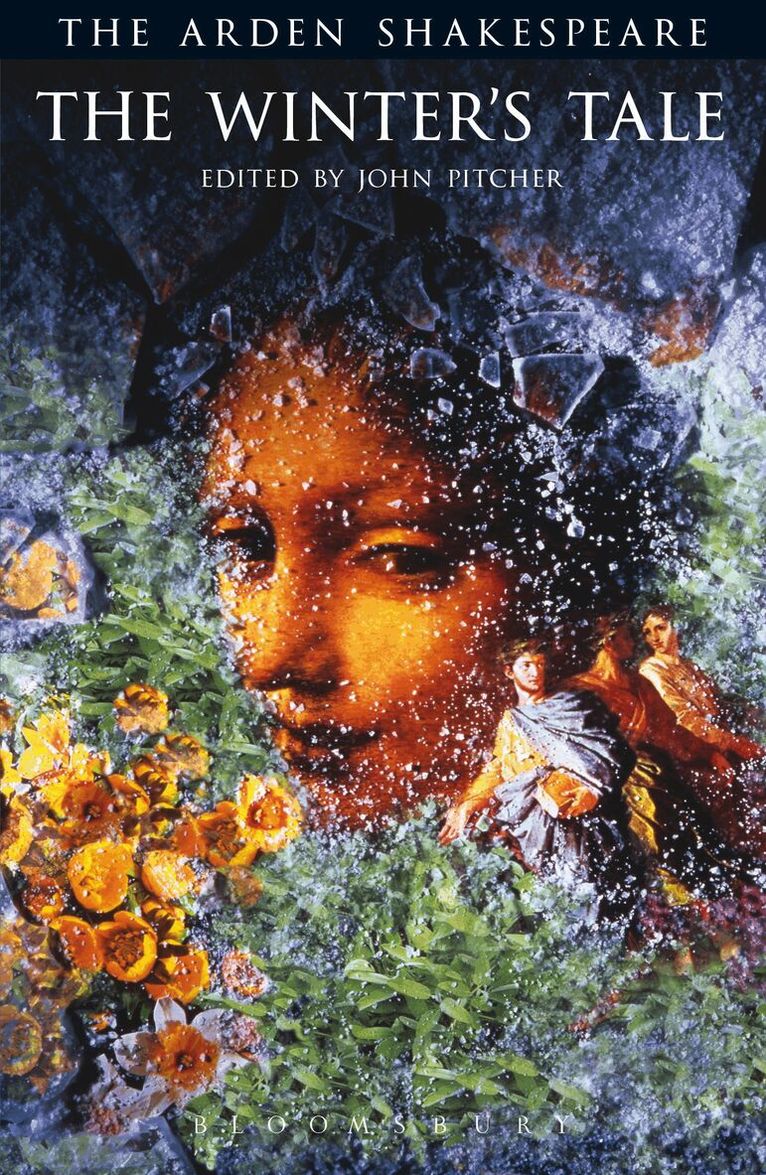
Winter's Tale
Third Series
Av William Shakespeare, John Pitcher
Häftad, 2010
5,0 utav 5 stjärnor. Totalt antal röster: (2)
185 kr
Lägg i varukorg
One of Shakespeare's later plays, best described as a tragi-comedy, the play falls into two distinct parts. In the first Leontes is thrown into a jealous rage by his suspicions of his wife Hermione and his best-friend, and imprisons her and orders that her new born daughter be left to perish. The …
Essays
Av Francis Bacon, John Pitcher
Häftad, 1985
179 kr
Lägg i varukorg
One of the major political figures of his time, Sir Francis Bacon (1561-1626) served in the court of Elizabeth I and ultimately became Lord Chancellor under James I in 1617. A scholar, wit, lawyer and statesman, he wrote widely on politics, philosophy and science - declaring early in his career …
Winter's Tale
Third Series
Av William Shakespeare, John Pitcher
E-bok, 2014
197 kr
Lägg i varukorg
One of Shakespeare''s later plays, best described as a tragi-comedy, the play falls into two distinct parts. In the first Leontes is thrown into a jealous rage by his suspicions of his wife Hermione and his best-friend, and imprisons her and orders that her new born daughter be left to perish. The …
Winter's Tale
Third Series
Av William Shakespeare, John Pitcher
Inbunden, 2010
1556 kr
Lägg i varukorg
One of Shakespeare's later plays, best described as a tragic-comedy, the play falls into two distinct parts. In the first Leontes is thrown into a jealous rage by his suspicions of his wife Hermione and his best-friend, and imprisons her and orders that her new born daughter be left to perish. The …