John Prados - Böcker
Visar alla böcker från författaren John Prados. Handla med fri frakt och snabb leverans.
21 produkter
21 produkter
489 kr
Skickas
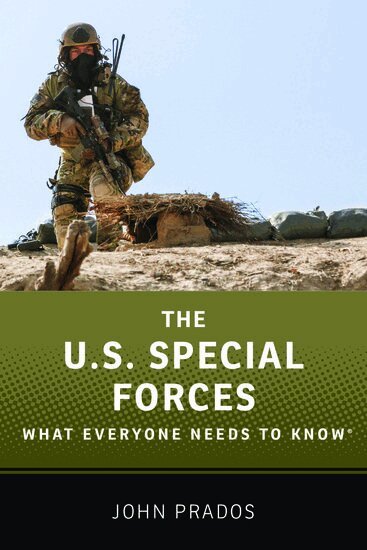
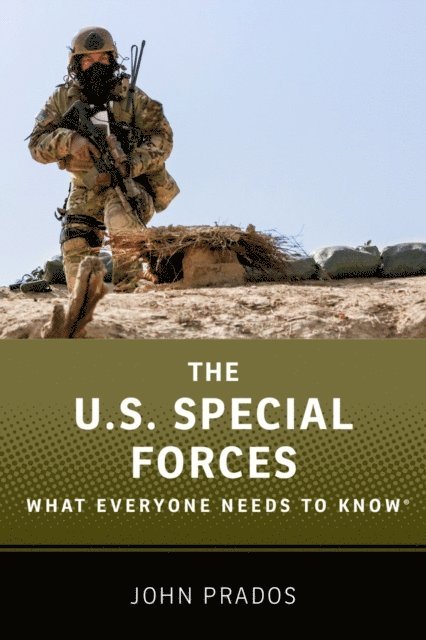
The assassination of Osama bin Laden by SEAL Team 6 in May 2011 will certainly figure among the greatest achievements of US Special Forces. After nearly ten years of searching, they descended into his Pakistan compound in the middle of the night, killed him, and secreted the body back into Afghanistan. Interest in these forces had always been high, but it spiked to new levels following this success. There was a larger lesson here too. For serious jobs, the president invariably turns to the US Special Forces: the SEALs, Delta Force, the Green Berets, and the USAF's Special Tactics squad. Given that secretive grab-and-snatch operations in remote locales characterize contemporary warfare as much as traditional firefights, the Special Forces now fill a central role in American military strategy and tactics. Not surprisingly, the daring and secretive nature of these commando operations has generated a great deal of interest. The American public has an overwhelmingly favorable view of the forces, and nations around the world recognize them as the most capable fighting units: the tip of the American spear, so to speak. But how much do we know about them? What are their origins? What function do they fill in the larger military structure? Who can become a member? What do trainees have to go through? What sort of missions do Special Forces perform, and what are they expected to accomplish? Despite their importance, much of what they do remains a mystery because their operations are clandestine and the sources elusive. In The US Special Forces: What Everyone Needs to Know, eminent scholar John Prados brings his deep expertise to the subject and provides a pithy primer on the various components of America's special forces. The US military has long employed Special Forces in some form or another, but it was in the Cold War when they assumed their present form, and in Vietnam where they achieved critical mass. Interestingly, the Special Forces suffered a rapid decline in numbers after that conflict despite the fact that the United States had already identified terrorism as a growing security threat. The revival of Special Forces began under the Reagan administration. After 9/11 they experienced explosive growth, and are now integral to all US military missions. Prados traces how this happened and examines the various roles the Special Forces now play. They have taken over many functions of the regular military, a trend that Prados does not expect will end any time soon. This will be a definitive primer on the elite units in the most powerful military the world has ever known.
185 kr
Skickas inom 5-8 vardagar
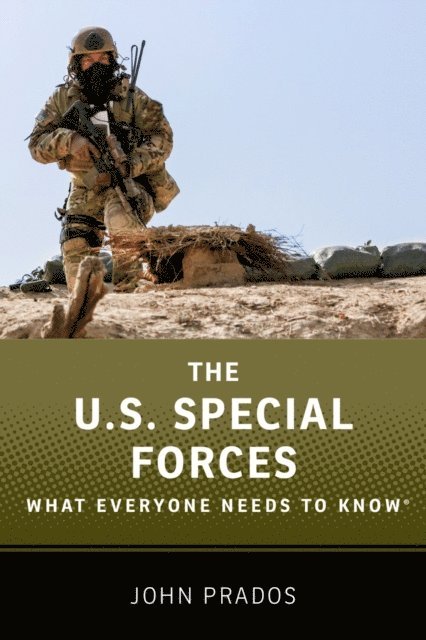
The assassination of Osama bin Laden by SEAL Team 6 in May 2011 will certainly figure among the greatest achievements of US Special Forces. After nearly ten years of searching, they descended into his Pakistan compound in the middle of the night, killed him, and secreted the body back into Afghanistan. Interest in these forces had always been high, but it spiked to new levels following this success. There was a larger lesson here too. For serious jobs, the president invariably turns to the US Special Forces: the SEALs, Delta Force, the Green Berets, and the USAF's Special Tactics squad. Given that secretive grab-and-snatch operations in remote locales characterize contemporary warfare as much as traditional firefights, the Special Forces now fill a central role in American military strategy and tactics. Not surprisingly, the daring and secretive nature of these commando operations has generated a great deal of interest. The American public has an overwhelmingly favorable view of the forces, and nations around the world recognize them as the most capable fighting units: the tip of the American spear, so to speak. But how much do we know about them? What are their origins? What function do they fill in the larger military structure? Who can become a member? What do trainees have to go through? What sort of missions do Special Forces perform, and what are they expected to accomplish? Despite their importance, much of what they do remains a mystery because their operations are clandestine and the sources elusive. In The US Special Forces: What Everyone Needs to Know, eminent scholar John Prados brings his deep expertise to the subject and provides a pithy primer on the various components of America's special forces. The US military has long employed Special Forces in some form or another, but it was in the Cold War when they assumed their present form, and in Vietnam where they achieved critical mass. Interestingly, the Special Forces suffered a rapid decline in numbers after that conflict despite the fact that the United States had already identified terrorism as a growing security threat. The revival of Special Forces began under the Reagan administration. After 9/11 they experienced explosive growth, and are now integral to all US military missions. Prados traces how this happened and examines the various roles the Special Forces now play. They have taken over many functions of the regular military, a trend that Prados does not expect will end any time soon. This will be a definitive primer on the elite units in the most powerful military the world has ever known.
204 kr
Skickas inom 7-10 vardagar
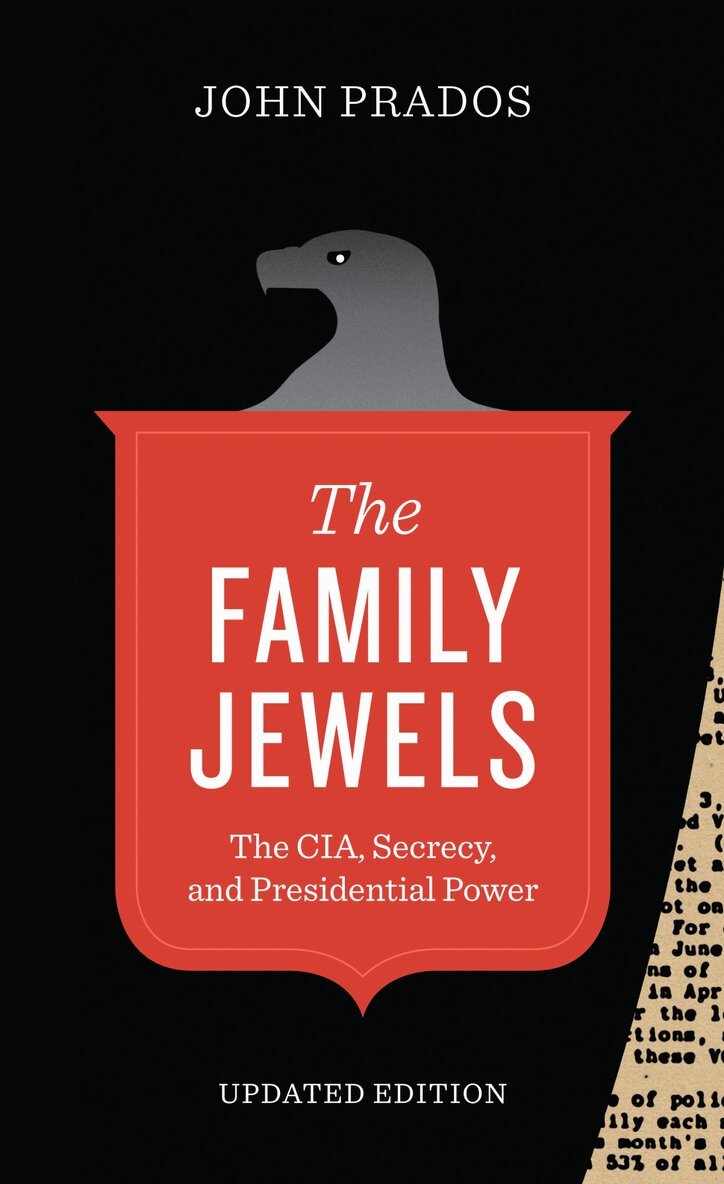
In December 1974, a front-page story in the New York Times revealed the explosive details of illegal domestic spying by the Central Intelligence Agency. This included political surveillance, eavesdropping, detention, and interrogation. The revelation of illegal activities over many years shocked the American public and led to investigations of the CIA by a presidential commission and committees in both houses of Congress, which found evidence of more abuse, even CIA plans for assassinations. Investigators and the public soon discovered that the CIA abuses were described in a top-secret document agency insiders dubbed the “Family Jewels.” That document became ground zero for a political firestorm that lasted more than a year. The “Family Jewels” debacle ultimately brought about greater congressional oversight of the CIA, but excesses such as those uncovered in the 1970s continue to come to light.The Family Jewels probes the deepest secrets of the CIA and its attempts to avoid scrutiny. John Prados recounts the secret operations that constituted “Jewels” and investigators’ pursuit of the truth, plus the strenuous efforts-by the agency, the executive branch, and even presidents-to evade accountability. Prados reveals how Vice President Richard Cheney played a leading role in intelligence abuses and demonstrates that every type of “Jewel” has been replicated since, especially during the post-9/11 war on terror. The Family Jewels masterfully illuminates why these abuses are endemic to spying, shows that proper relationships are vital to control of intelligence, and advocates a system for handling “Family Jewels” crises in a democratic society.With a new epilogue that discusses former CIA employee Edward Snowden’s revelation of massive covert surveillance by the NSA, this powerful accounting of intelligence abuses committed by the CIA from the Cold War through the war on terror reveals why such abuses and attempts to conceal them are endemic to spying and proposes how a democratic nation can rein in its spymasters.
1 039 kr
Skickas inom 10-15 vardagar
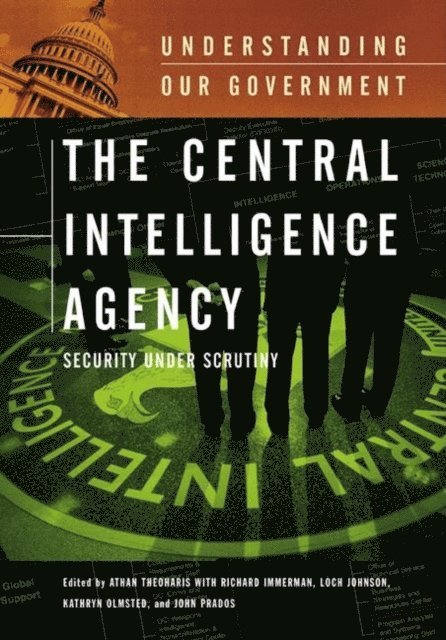
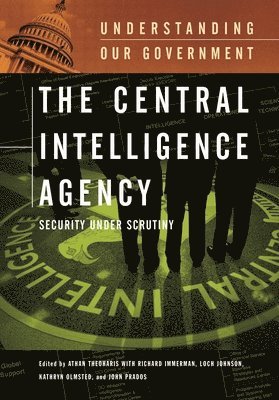
Created in 1947, the Central Intelligence Agency plays an important part in the nation's intelligence activities, and is currently playing a vital role in the war on terrorism. While the agency is often in the news and portrayed in television shows and films, it remains one of the most secretive and misunderstood organizations in the United States. This work provides an in-depth look into the Central Intelligence Agency and how its responsibilities affect American life.After a brief history of the agency, chapters describe its organization, intelligence/counterintelligence, covert operations, controversies, key events, and notable people.
314 kr
Skickas inom 3-6 vardagar
232 kr
Skickas inom 5-8 vardagar
332 kr
Skickas inom 7-10 vardagar
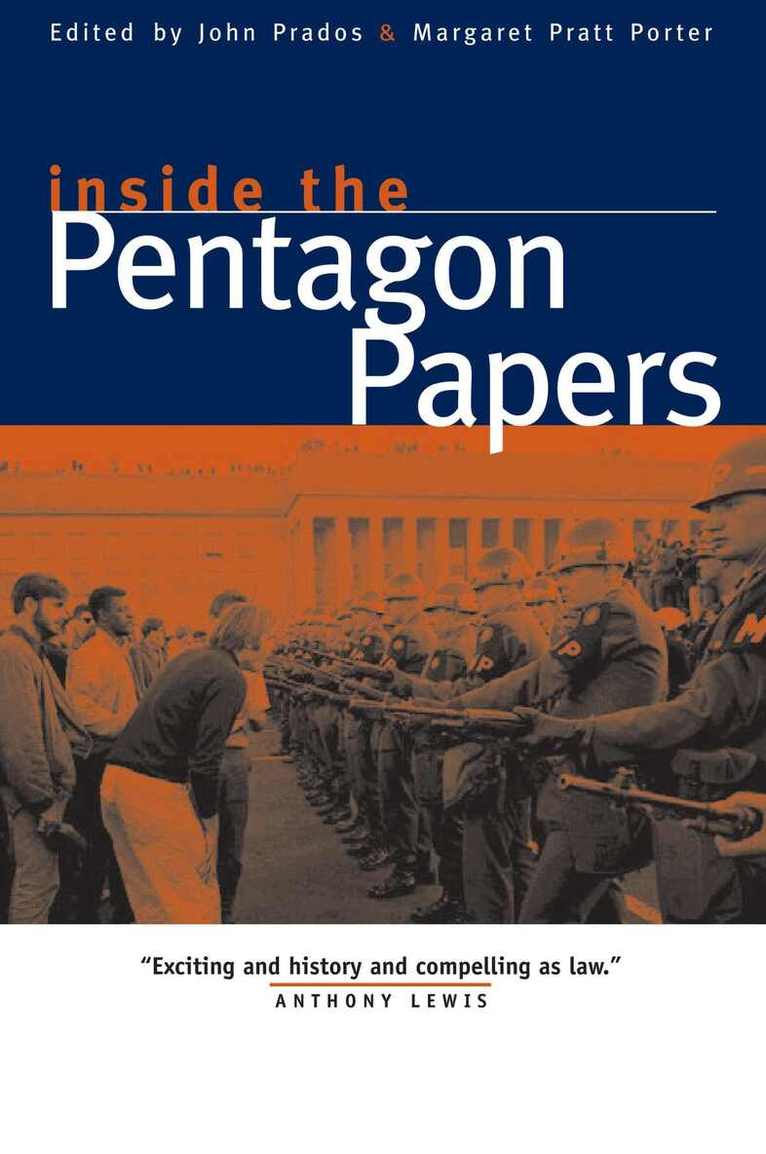
Inside the Pentagon Papers addresses legal and moral issues that resonate today as debates continue over government secrecy and democracy's requisite demand for truthfully informed citizens. In the process, it also shows how a closer study of this signal event can illuminate questions of government responsibility in any era. When Daniel Ellsberg leaked a secret government study about the Vietnam War to the press in 1971, he set off a chain of events that culminated in one of the most important First Amendment decisions in American legal history. That affair is now part of history, but the story behind the case has much to tell us about government secrecy and the public's right to know. Commissioned by Secretary of Defense Robert McNamara, ""the Pentagon Papers"" were assembled by a team of analysts who investigated every aspect of the war. Ellsberg, a member of the team, was horrified by the government's public lies about the war - discrepancies with reality that were revealed by the report's secret findings. His leak of the report to the New York Times and Washington Post triggered the Nixon administration's heavy-handed attempt to halt publication of their stories, which in turn led to the Supreme Court's ruling that Nixon's actions violated the Constitution's free speech guarantees. Inside the Pentagon Papers reexamines what happened, why it mattered, and why it still has relevance today. Focusing on the ""back story"" of the Pentagon Papers and the resulting court cases, it draws upon a wealth of oral history and previously classified documents to show the consequences of leak and litigation both for the Vietnam War and for American history. Included here for the first time are transcripts of previously secret White House telephone tapes revealing the Nixon administration's repressive strategies, as well as the government's formal charges against the newspapers presented by Solicitor General Erwin Griswold to the Supreme Court. Coeditor John Prados's point-by-point analysis of these charges demonstrates just how weak the government's case was - and how they reflected Nixon's paranoia more than legitimate national security issues.
289 kr
Skickas inom 10-15 vardagar
The consequences of the leak made to the press about the secret government study on the Vietnam War and the subsequent litigation are reexamined in a study that focuses on the issue of government secrecy and the public's right to know.
412 kr
Skickas inom 7-10 vardagar
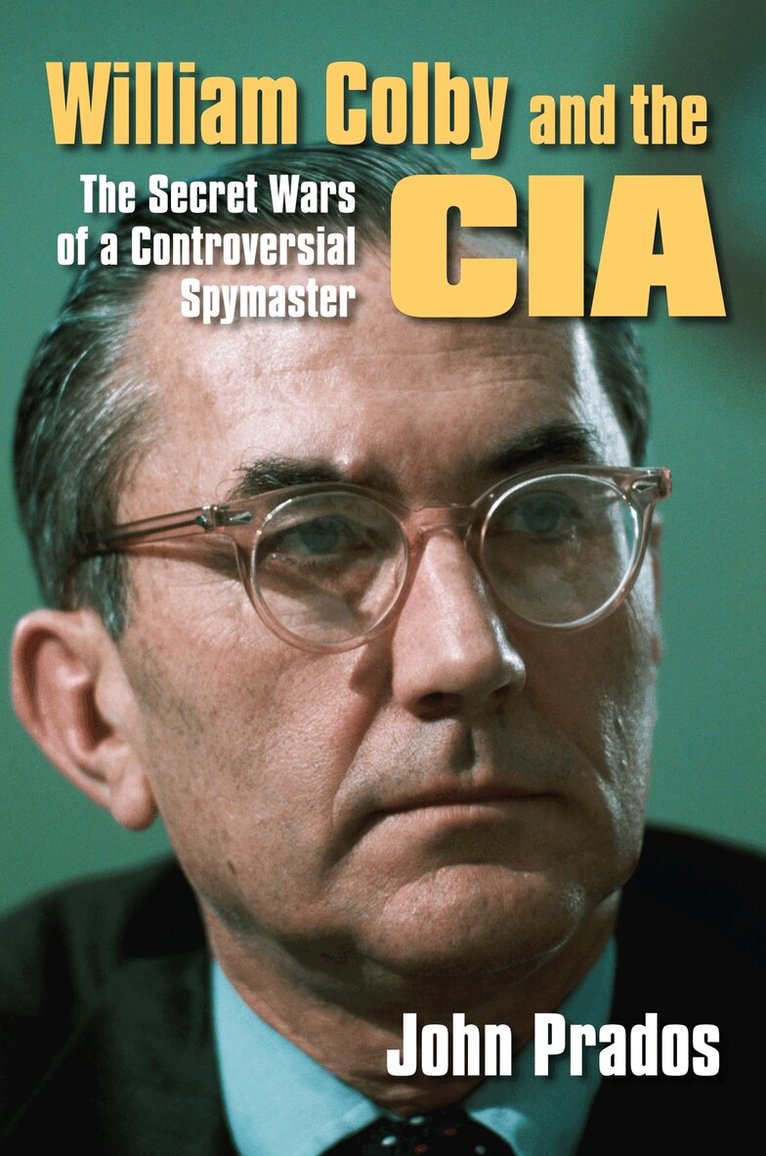
'It is surprising that no one previous to John Prados attempted a biography of quintessential cold warrior William Colby, because his story is in many ways also the story of the CIA. From Italy to Vietnam, to the military coup in Indonesia, to Watergate, the prosecution of Richard Helms, investigations of CIA assassination plots, and the drugging and surveillance of unwitting Americans, Colby was there, on the ground or deeply involved at headquarters' - ""The Guardian"". William E. Colby was one of the most enigmatic figures of the Cold War and a central player in the operations of the Central Intelligence Agency. While publicly appearing as a calm bureaucrat, behind the scenes Colby helped orchestrate some of CIA's most controversial operations. His mysterious death even added to the aura. In the wake of new questions relating to CIA activities since 9/11 - which John Prados discusses in his new preface - Colby's story provides crucial lessons for a nation that still struggles to reconcile intelligence methods with democratic principles. Prados tracks Colby's life and career from early years in the OSS to his tumultuous tenure as Director of Central Intelligence in the 1970s. Reviled by many outside the CIA for his role in Vietnam - and inside it for his cooperation with probes of the agency - Colby was cast as a scapegoat by the Ford White House during the Church and Pike congressional investigations. In addition, Prados offers fresh insights and new perspectives on Colby's involvement in the notorious Phoenix program in Vietnam and in the bloody Indonesian coup of 1965 that overthrew President Sukarno and brought General Suharto to power, as well as on the CIA's role in the 1963 assassination of President Ngo Dinh Diem of South Vietnam and on the actions of high-level CIA officials during the final demise of South Vietnam in 1975. A masterful study of a master spy, ""William Colby and the CIA"" also offers a vital and timely history of the inner workings of 'the Company' for which he worked. Originally published in a cloth edition under the title ""Lost Crusader"" and retitled for this first paperback edition, ""William Colby and the CIA"" explores dilemmas of intelligence that are of renewed importance today.
454 kr
Skickas inom 7-10 vardagar
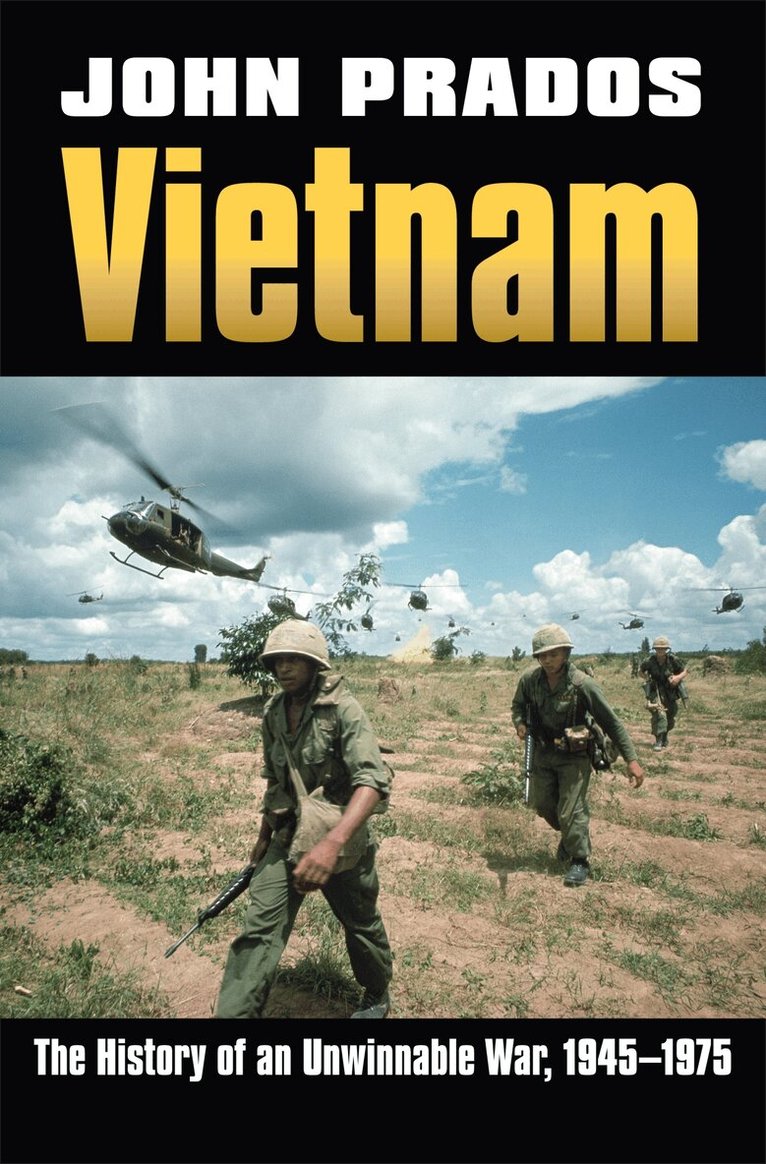
The Vietnam war continues to be the focus of intense controversy. While most people—liberals, conservatives, Democrats, Republicans, historians, pundits, and citizens alike—agree that the United States did not win the war, a vocal minority argue the opposite or debate why victory never came, attributing the quagmire to everything from domestic politics to the press. The military never lost a battle; how then did it not win the war? Stepping back from this overheated fray, bestselling author John Prados takes a fresh look at both the war and the debates about it to produce a much-needed and long-overdue reassessment of one of our nation’s most tragic episodes. Drawing upon several decades of research—including recently declassified documents, newly available presidential tapes, and a wide range of Vietnamese and other international sources—Prados’s magisterial account weaves together multiple perspectives across an epic-sized canvas where domestic politics, ideologies, nations, and militaries all collide. Prados patiently pieces back together the events and moments, from the end of World War II until our dispiriting departure from Vietnam in 1975, that reveal a war that now appears to have been truly unwinnable—due to opportunities lost, missed, ignored, or refused. He shows how—from the Truman through the Eisenhower, Kennedy, Johnson, and Nixon administrations—American leaders consistently ignored or misunderstood the realities in Southeast Asia and passed up every opportunity to avoid war in the first place or avoid becoming ever more mired in it after it began. Highlighting especially Ike’s seminal and long-lasting influence on our Vietnam policy, Prados demonstrates how and why our range of choices narrowed with each passing year, while our decision-making continued to be distorted by Cold War politics and fundamental misperceptions about the culture, psychology, goals, and abilities of both our enemies and our allies in Vietnam. By turns engaging narrative history, compelling analytic treatise, and moving personal account, Prados’s magnum opus challenges previous authors and should rightfully take its place as the most comprehensive, up-to-date, and accurate one-volume account of a war that—judging by the frequent analogies to the current war in Iraq—has not yet really ended for any of us.
204 kr
Skickas
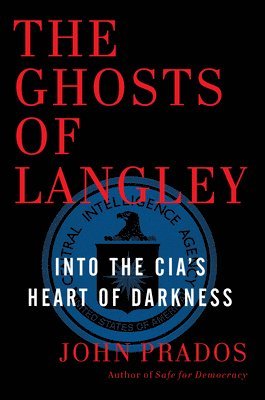
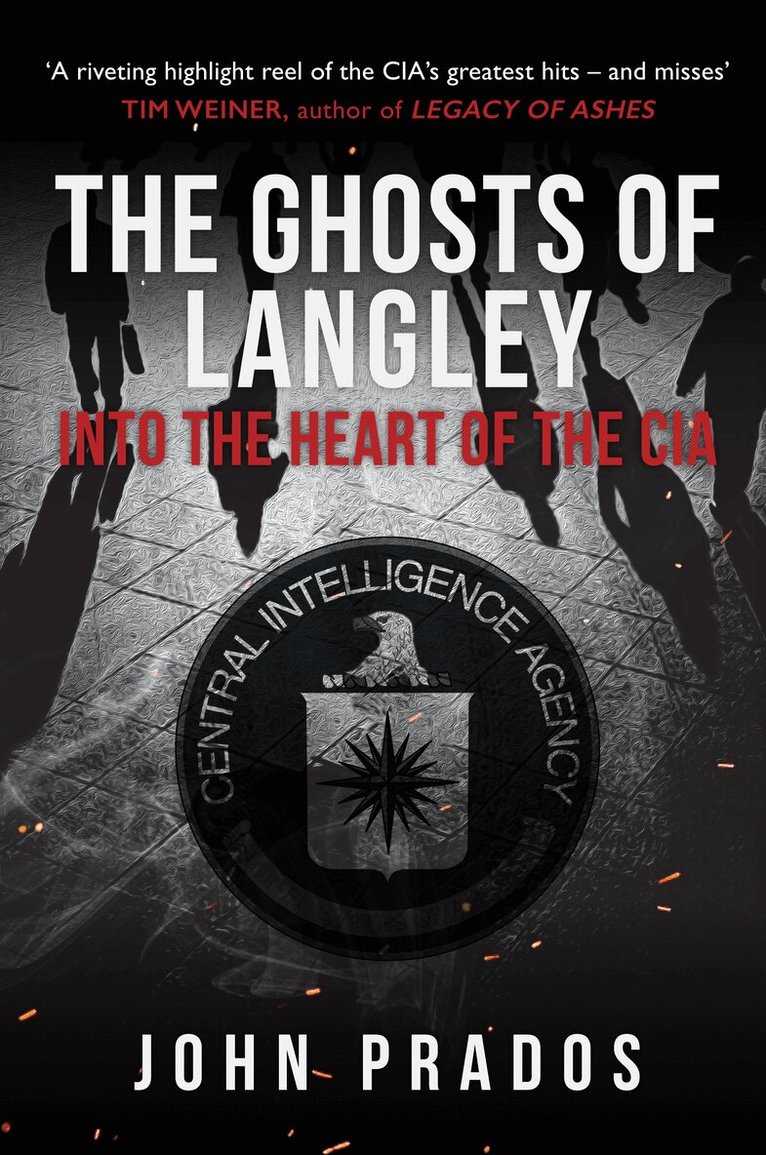
The Ghosts of Langley is the story of spymasters, their minions, and the ways in which the Central Intelligence Agency changed the world. These were determined men and women who believed in their mission, followed White House orders – and sometimes circumvented them. It is also the story of some brave reformers who attempted to change the CIA’s culture but were swept under the rug, or worse, converted to the dark side.The Ghosts of Langley uses profiles of key figures in CIA history as a lens through which to examine the history of American intelligence and the ways that actions undertaken by the CIA agents helped create the situation the nation now faces, taking into account not only covert operations, but intelligence analysis, technological discoveries and more. John Prados reaches into areas that have never before been explored in books on the agency, including how its lawyers helped define the parameters of accountability for intelligence gathering and the ways in which covert operations are conducted and revealed. Along the way, he reveals the existence of US intelligence beyond White House control.
163 kr
Skickas inom 11-20 vardagar
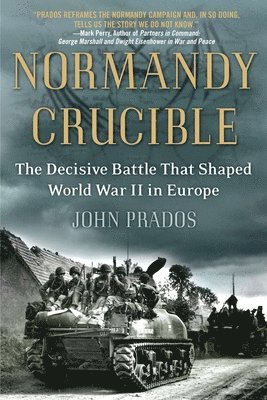
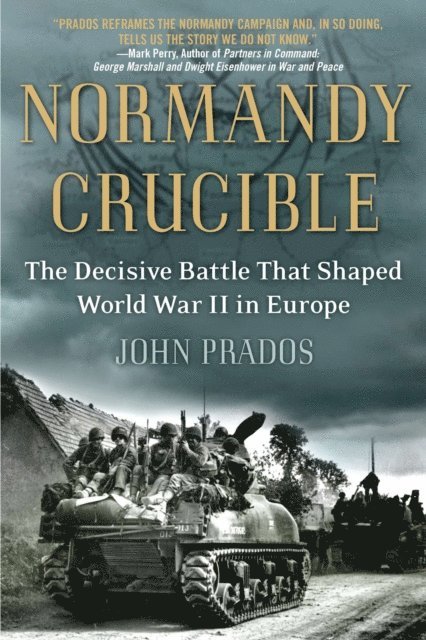
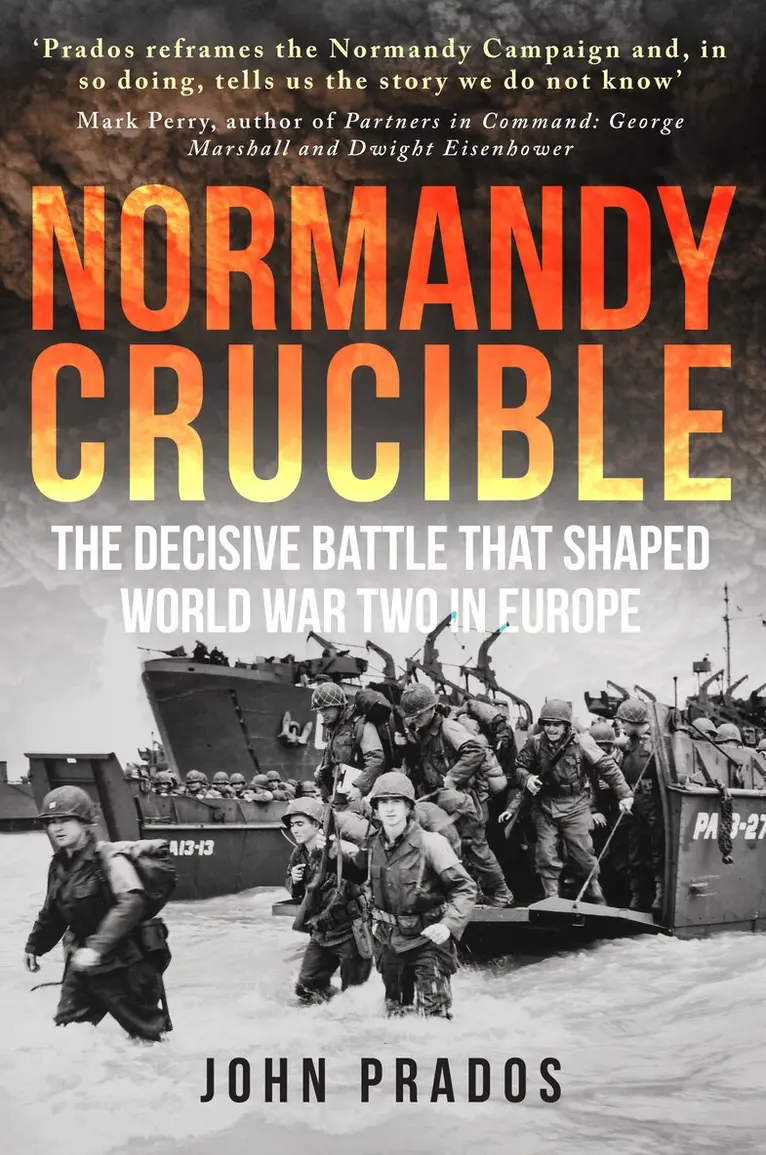
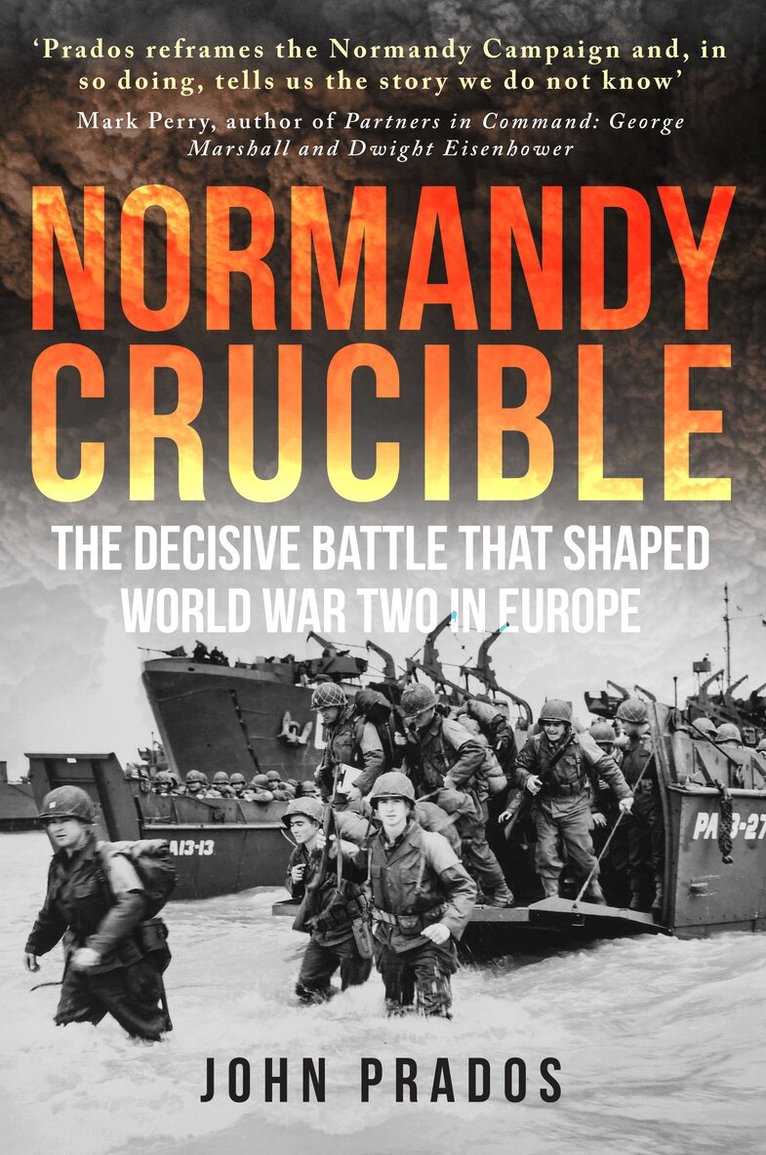
The Battle of Normandy was the greatest offensive campaign the world had ever seen. It was also the crucible of combat tactics and logistic techniques that would decide the outcome of the Second World War...The Battle of Normandy began on D-Day. June 6, 1944 – the day that the Allied forces launched the great crusade to free Europe from the iron grip of Nazi Germany. Tightly constricted hedgerow country and bitter German resistance held the Allied advance to a crawl – until they broke through and trapped the Nazi armies. Yet within weeks of this stunning disaster, the Germans smashed the most dangerous Allied offensive yet.How was this possible? Noted author John Prados answers this vexing question with an account that reframes the Normandy breakout. Shifting between battle action and command decisions on both sides, Normandy Crucible lucidly illustrates how this campaign moulded the climactic battle for Europe.
289 kr
Tillfälligt slut
A book and CD set, the first collection that permits Americans to listen directly to their presidents as they speak not in the studied phrases of speeches but in the real heat of the moment, based on transcripts of the conversationsThe White House Tapes: Eavesdropping on the President is a fascinating portrait of eight recent American presidents—including Roosevelt, Eisenhower, Truman, Kennedy, Johnson, Nixon, Ford, and Reagan—as they respond to some of the most critical events of the late twentieth century. Edited by historian John Prados, the book contains transcripts of the heat-of-the-moment Oval Office phone conversations and confidential meetings (often with participants who did not know they were being recorded) that changed the course of history. A comprehensive introductory essay on the history of presidential recordings and detailed introductions to the transcripts themselves put these key moments in American history in context.Never intended for public consumption, one exchange captured here constitutes the famous "smoking gun" tapes of the Watergate era. Another sequence has Lyndon Johnson finding out from J. Edgar Hoover about the murders of three civil rights workers in Mississippi just as he also learns from Robert McNamara about the breaking crisis in Vietnam's Gulf of Tonkin. Take together, the selected conversations with top aides, political figures, and heads of state (including Walter White, Sam Rayburn, William Colby, Martin Luther King Jr., Billy Graham, H.R. Haldeman, Henry Kissinger, Yitzhak Rabin, and Anwar el-Sadat), reveal the true inner workings of the American presidency and offer us an unparalleled opportunity to be a fly on the wall at the meetings we were never supposed to hear.This book is published in conjunction with "White House Tapes: The President Calling," a new radio documentary produced by Stephen Smith and Kate Ellis of American Radio Works®. A compact disc of the program accompanies this book in a set that also includes eight compact discs on the secret Oval Office recordings featured here.
158 kr
Tillfälligt slut
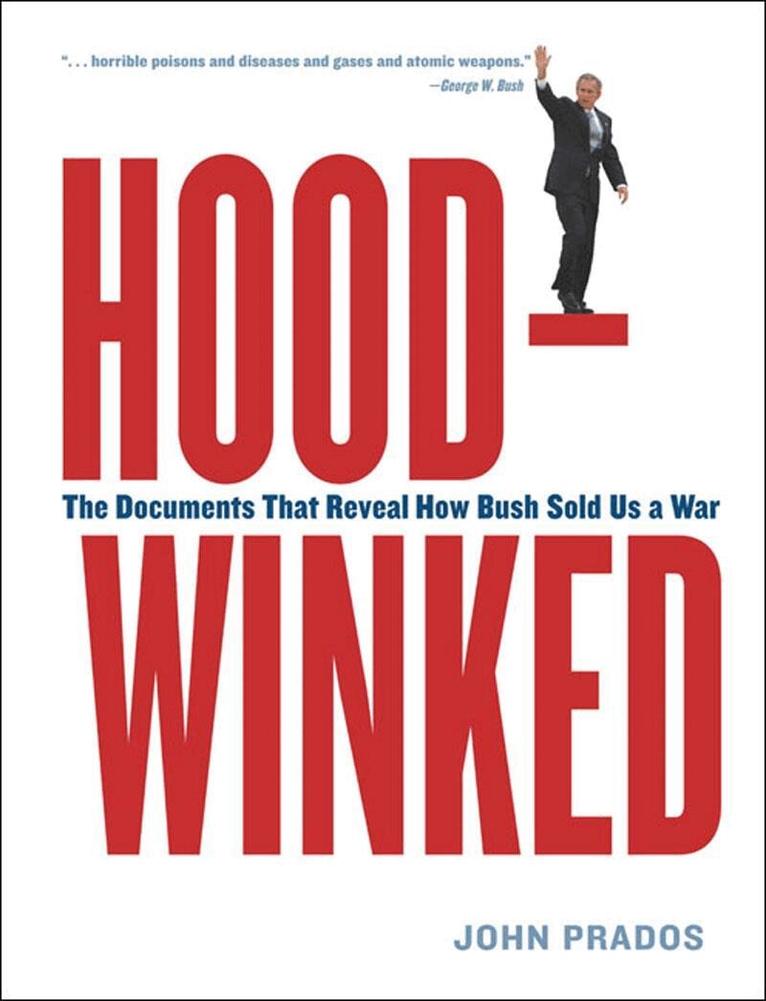
In America, the wife of the former ambassador who exposed George Bush’s sixteen-word State of the Union fib about uranium from Niger, is now being harassed by allies of the administration. In Britain, the scientist who blew the whistle on Tony Blair has been driven to suicide.For all of us who, thanks to these whistle-blowers, now realize that we have been hoodwinked and want to understand exactly how, national security analyst John Prados has compiled and annotated the key source documents behind the selling of the Iraq war to the American public. As these CIA reports, Pentagon briefings, and other materials clearly show, Bush and his spokespeople were playing a crude game of three-card monte, claiming Iraqi ties to Al Qaeda, weapons of mass destruction, and imminent threats, which are here exposed as half-truths, exaggerations, and outright fabrications of a warmongering administration.Prados, a noted historian of intelligence and national security, offers readers a firsthand view of incontrovertible evidence that we were had.
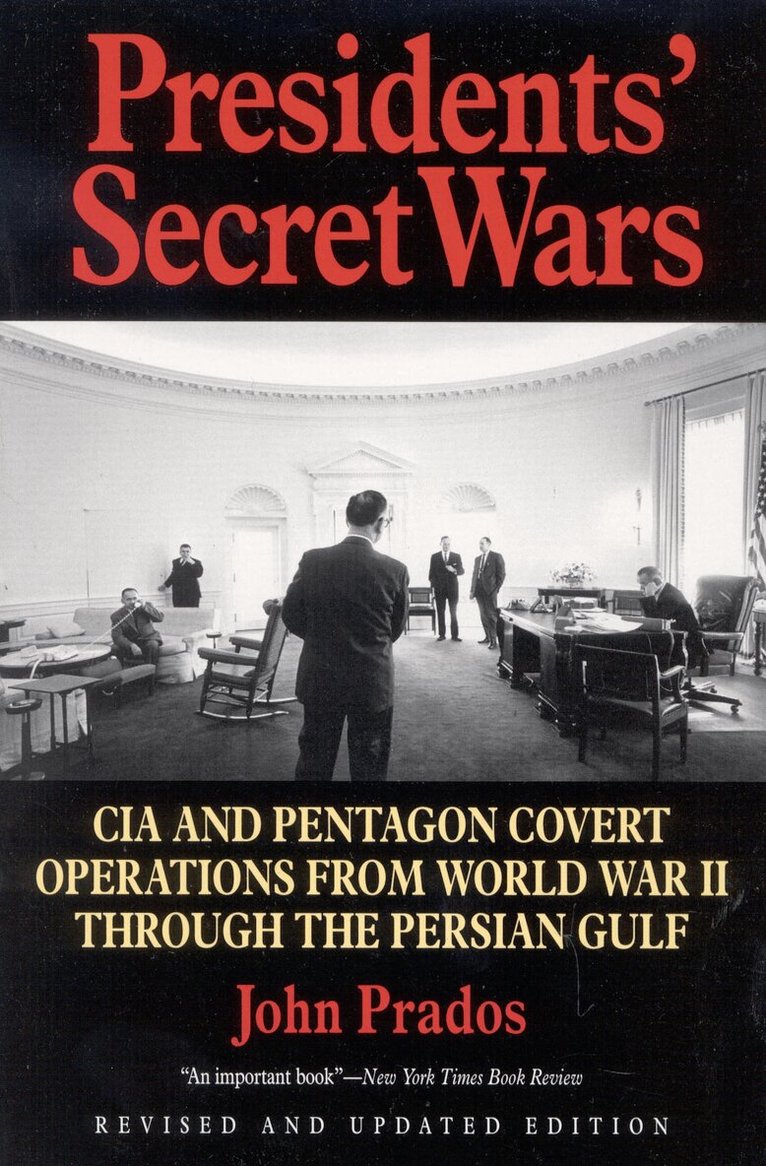
Presidents' Secret Wars
CIA and Pentagon Covert Operations from World War II Through the Persian Gulf War
Häftad, Engelska, 1996
274 kr
Skickas inom 10-15 vardagar
In this newly revised and updated edition of his essential work, John Prados adds his concluding findings on U.S. covert operations in Angola, Afghanistan, Nicaragua, and the Persian Gulf. Acclaimed as a landmark book about U.S. intelligence agencies in the postwar era, Presidents' Secret Wars describes the secret warfare mounted by the president, the CIA, and the Pentagon—operations aimed at altering the destinies of nations and the course of global politics. Mr. Prados uses many newly declassified documents to open a vital window on this most secret aspect of American foreign policy. "A worthy and informative book"—Washington Post. "An important book....Prados's recounting of the often neglected early days of the C.I.A. and its covert activities is especially enlightening."—New York Times Book Review. “For those concerned with the study of intelligence, Presidents' Secret Wars will be highly useful because Dr. Prados has done serious archival research....This volume moves the study of covert operations to a higher and more sophisticated plane"—Intelligence and National Security.
170 kr
Tillfälligt slut
This careful examination of key strategies, events, and personalities in the conflict sheds fresh light on the high points of the Vietnam experience and punctures the enduring mythologies of the war. A model of lucid writing and fair judgement. —Thomas Powers
282 kr
Skickas inom 10-15 vardagar
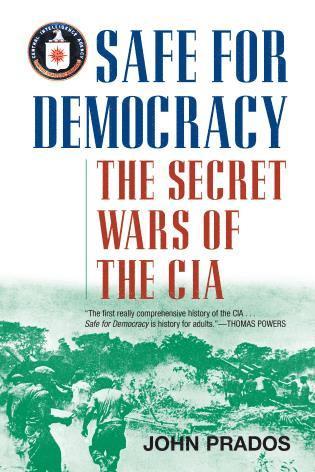
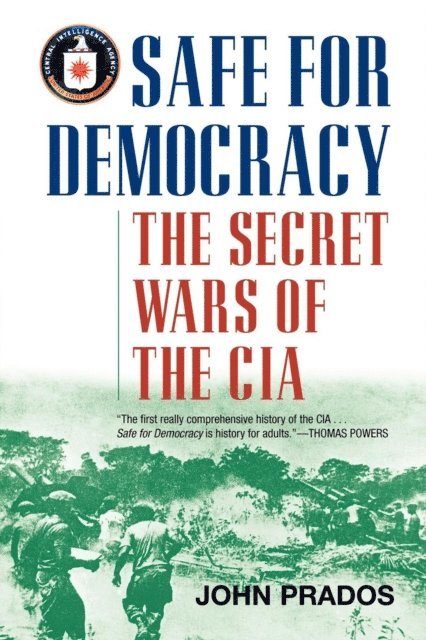
From its founding in the aftermath of World War II, the Central Intelligence Agency has been discovered in the midst of some of the most crucial—and most embarrassing—-episodes in United States relations with the world. Richard Nixon's 1969 presidential order that declared CIA covert operations necessary to the attainment of American foreign policy goals was an acknowledgment that secret warfare tools had a much wider application than just the cold war conflict with the Soviet Union. The question of what, exactly, these operations have contributed to U.S. policy has long been neglected in the rush to accuse the CIA of being a "rogue elephant" or merely listing its nefarious deeds. Safe for Democracy for the first time places the story of the CIA's covert operations squarely in the context of America's global quest for democratic values and institutions. National security historian John Prados offers a comprehensive history of the CIA's secret wars that is as close to a definitive account as is possible today. He draws on three decades of research to illuminate the men and women of the intelligence establishment, their resources and techniques, their triumphs and failures. In a dramatic and revealing narrative, Safe for Democracy not only relates the inside stories of covert operations but examines in meticulous detail the efforts of presidents and Congress to control the CIA and the specific choices made in the agency's secret wars. Along the way Mr. Prados offers eye-opening accounts of the covert actions themselves, from radically revised interpretations of classic operations like Iran, Guatemala, Chile, and the Bay of Pigs; to lesser-known projects like Tibet and Angola; to virtually unknown tales of the CIA in Guyana and Ghana. He supplies full accounts of Reagan-era operations in Nicaragua and Afghanistan, and brings the story up to date with accounts of more recent activities in Somalia, Bosnia, and Iraq, all the while keeping American foreign policy goals in view. Safe for Democracy<
258 kr
Tillfälligt slut
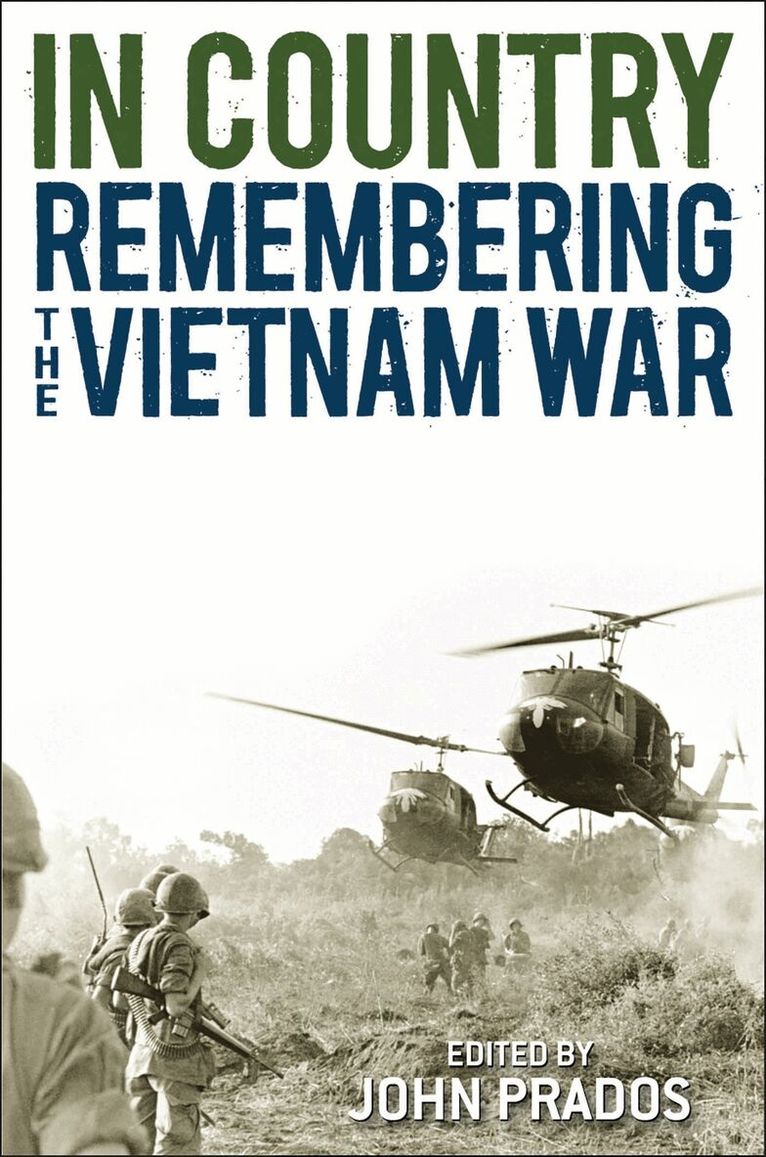
Young Americans went to South Vietnam and fought in a fierce war they barely understood. For a year they experienced an exotic land, strove to learn how to fight—and survive—looking eagerly ahead to their return from "The Nam." Their searing experiences varied by where they were assigned and at what point in the war they served. The Vietnamese adversaries, North and South, were defending their homes, fighting with no hope of ending the war other than by winning it. Too often the ordeals of those on both sides have been told by others—journalists, historians, even generals.In an invaluable corrective, John Prados, one of our leading interpreters of the Vietnam War, opens a window into the visceral reality of those on the ground in Vietnam. His carefully chosen and thoughtfully introduced anthology gathers the voices—in narrative and poetry—of men and women; Americans and Vietnamese (both of the North and South); officers, enlisted men, and civilians. All the selections feature individuals’ experiences of war or witnessing specific events and the realities of being caught up in them. Bridging the chasm between history and memory, together they offer an intense, even blazing, testimonial to the human condition in war.
178 kr
Skickas
657 kr
Skickas inom 7-10 vardagar
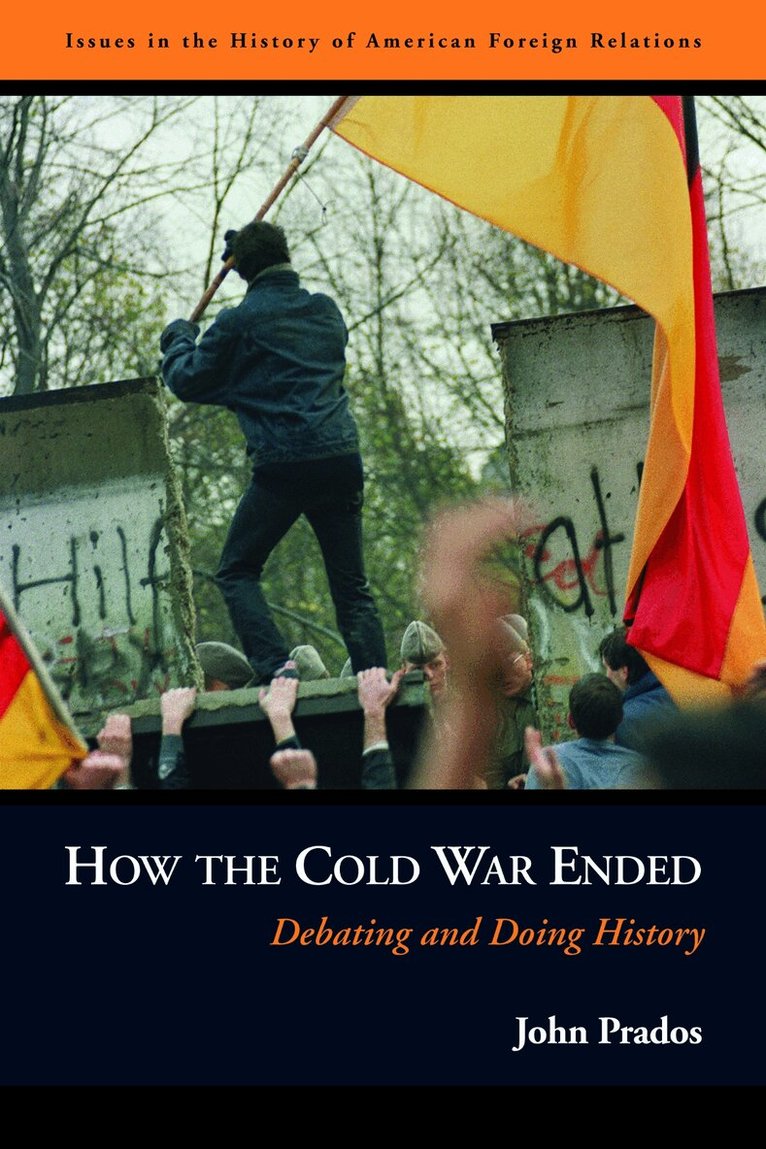
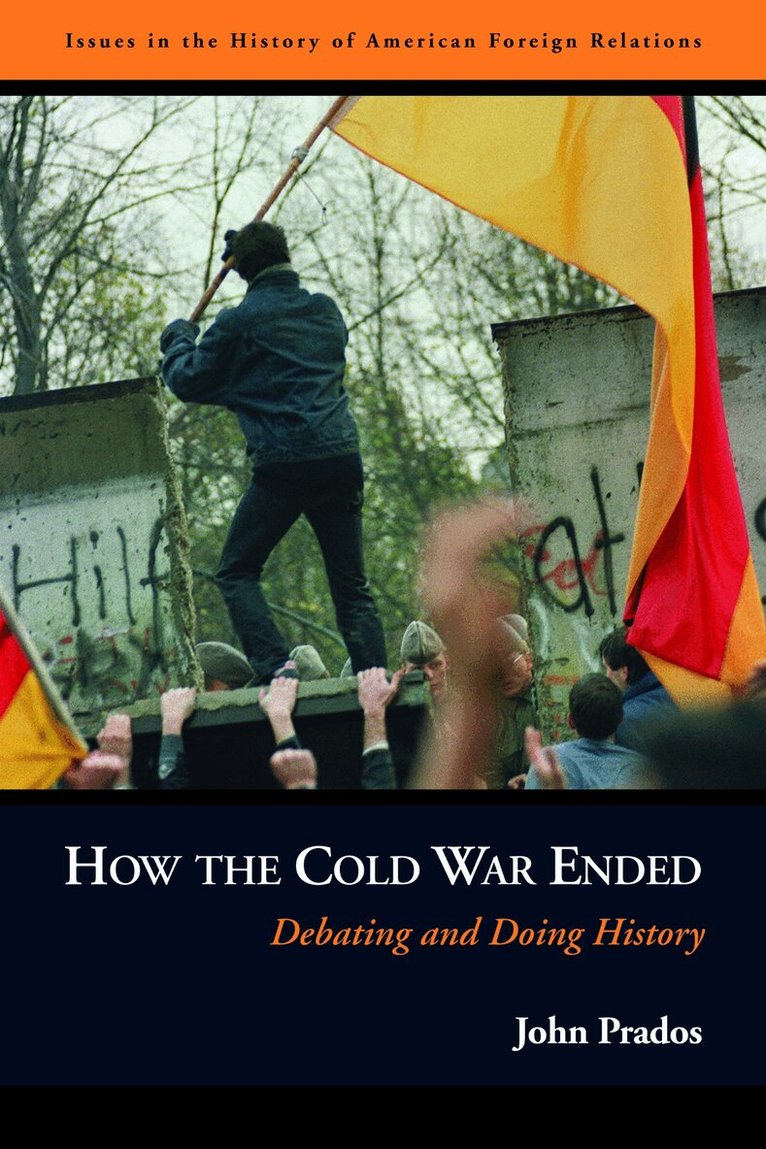
The Cold War continues to shape international relations almost twenty years after being acknowledged as the central event of the last half of the twentieth century. Interpretations of how it ended thus remain crucial to an accurate understanding of global events and foreign policy. The reasons for the Cold War's conclusion, and the timing of its ending, are disputed to this day. In this concise introduction to the Cold War and its enduring legacy, John Prados recognizes the debate between those who argue the United States was the key player in bringing it to a close and those who maintain that American actions were secondary factors. Like a crime scene investigator meticulously dissecting evidence, he applies a succession of different methods of historical analysis to illuminate the key cataclysmic events of the 1980s and early 1990s from a range of perspectives. He also incorporates evidence from European and Soviet intelligence sources into the study. The result is a stunning narrative that redefines the era, embraces debate, and deconstructs history, providing a coherent explanation for the upheavals that ended the conflict. How the Cold War Ended also provides an in-depth guide to conducting historical inquiries: how to choose a subject, how to frame a narrative, and how to conduct research and draw conclusions. Prados does this for a variety of methods of historical analysis, furnishing a how-to guide for "doing history" even as it explores a crucial case study.
264 kr
Skickas inom 7-10 vardagar
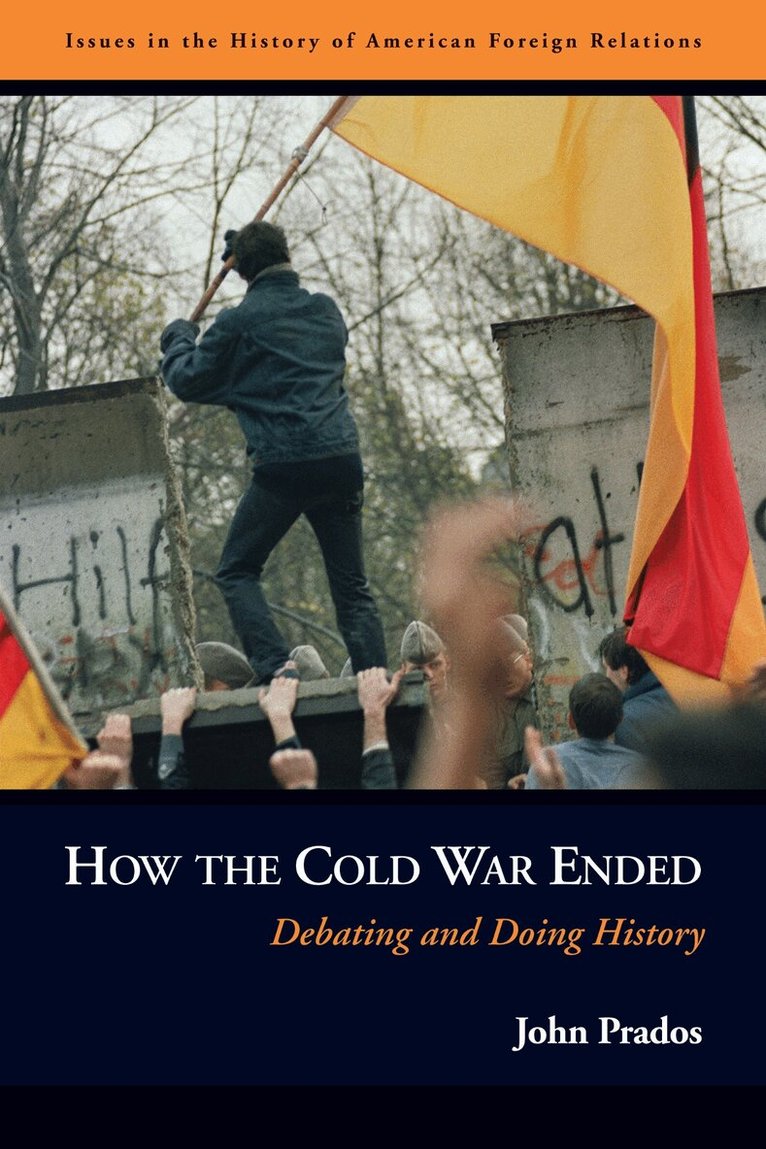
The Cold War continues to shape international relations almost twenty years after being acknowledged as the central event of the last half of the twentieth century. Interpretations of how it ended thus remain crucial to an accurate understanding of global events and foreign policy. The reasons for the Cold War's conclusion, and the timing of its ending, are disputed to this day. In this concise introduction to the Cold War and its enduring legacy, John Prados recognizes the debate between those who argue the United States was the key player in bringing it to a close and those who maintain that American actions were secondary factors. Like a crime scene investigator meticulously dissecting evidence, he applies a succession of different methods of historical analysis to illuminate the key cataclysmic events of the 1980s and early 1990s from a range of perspectives. He also incorporates evidence from European and Soviet intelligence sources into the study. The result is a stunning narrative that redefines the era, embraces debate, and deconstructs history, providing a coherent explanation for the upheavals that ended the conflict. How the Cold War Ended also provides an in-depth guide to conducting historical inquiries: how to choose a subject, how to frame a narrative, and how to conduct research and draw conclusions. Prados does this for a variety of methods of historical analysis, furnishing a how-to guide for "doing history" even as it explores a crucial case study.