John R. Gillis – författare
Visar alla böcker från författaren John R. Gillis. Handla med fri frakt och snabb leverans.
12 produkter
For Better, For Worse
British Marriages 1600 to the Present
Inbunden, 1986
1777 kr
Lägg i varukorg
Did you know that...The "contemporary" fashion of living together before marriage is far from new, and was frequently practiced in earlier days...Self-divorce, although never legal, was once a commonplace occurrence...Marriage is more popular today than in the Victorian era...Marriage in church was …
For Better, For Worse
British Marriages, 1600 to the Present
E-bok, 1985
756 kr
Lägg i varukorg
Did you know that...The "contemporary" fashion of living together before marriage is far from new, and was frequently practiced in earlier days...Self-divorce, although never legal, was once a commonplace occurrence...Marriage is more popular today than in the Victorian era...Marriage in church was …
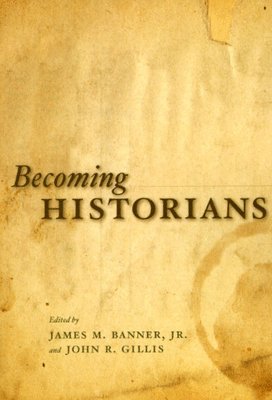
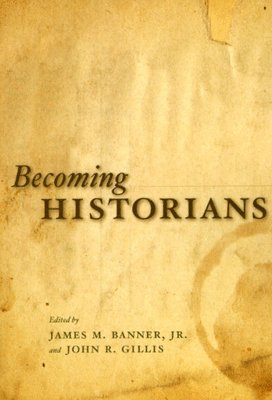
Becoming Historians
Av James M. Banner Jr., John R. Gillis
Häftad, 2009
316 kr
Lägg i varukorg
In this unique collection, the memoirs of eleven historians provide a fascinating portrait of a formative generation of scholars. Born around the time of World War II, these influential historians came of age just before the upheavals of the 1960s and '70s and helped to transform both their …
Becoming Historians
Av John R. Gillis, Jr. James M. Banner, Jr.
E-bok, 2009
684 kr
Lägg i varukorg
In this unique collection, the memoirs of eleven historians provide a fascinating portrait of a formative generation of scholars. Born around the time of World War II, these influential historians came of age just before the upheavals of the 1960s and ’70s and helped to transform both their …
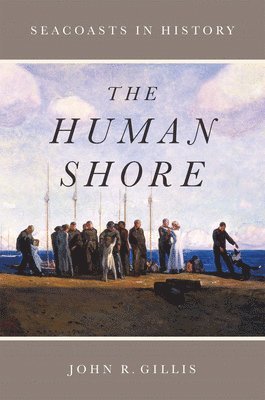
Human Shore
Seacoasts in History
Häftad, 2015
211 kr
Lägg i varukorg
Since before recorded history, people have congregated near water. But as growing populations around the globe continue to flow toward the coasts on an unprecedented scale and climate change raises water levels, our relationship to the sea has begun to take on new and potentially catastrophic …
Human Shore
Seacoasts in History
Inbunden, 2012
385 kr
Lägg i varukorg
Since before recorded history, people have congregated near water. But as growing populations around the globe continue to flow toward the coasts on an unprecedented scale and climate change raises water levels, our relationship to the sea has begun to take on new and potentially catastrophic …
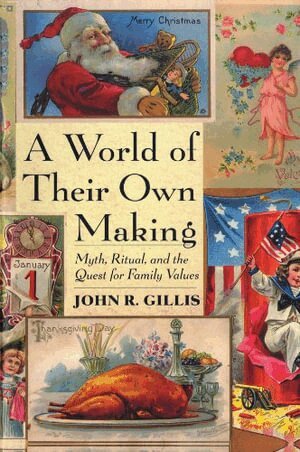
World of Their Own Making
Myth, Ritual, and the Quest for Family Values
Häftad, 1997
5,0 utav 5 stjärnor. Totalt antal röster: (1)
360 kr
Lägg i varukorg
Our whole society may be obsessed with “family values,” but as John Gillis points out in this entertaining and eye-opening book, most of our images of “home sweet home” are of very recent vintage. A World of Their Own Making questions our idealized notion of “The Family,” a mind-set in which myth …
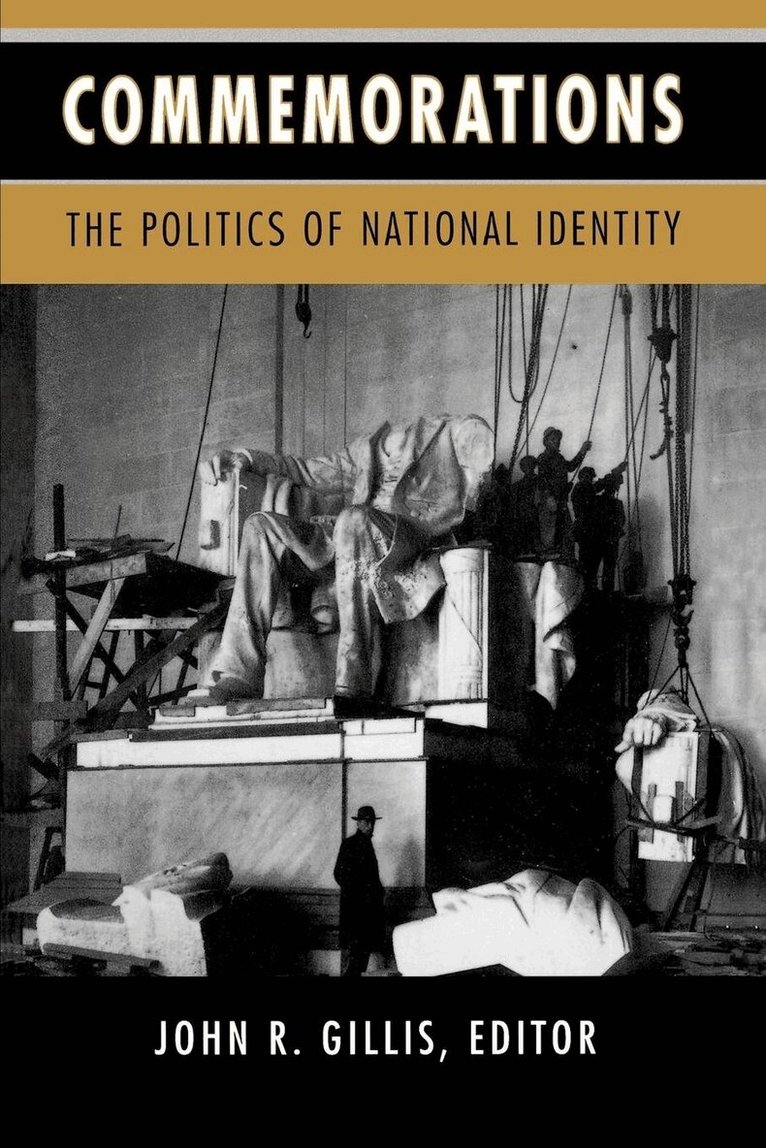
Commemorations
The Politics of National Identity
Häftad, 1996
448 kr
Lägg i varukorg
Memory is as central to modern politics as politics is central to modern memory. We are so accustomed to living in a forest of monuments, to having the past represented to us through museums, historic sites, and public sculpture, that we easily lose sight of the recent origins and diverse meanings …
Commemorations
The Politics of National Identity
E-bok, 2018
617 kr
Lägg i varukorg
Memory is as central to modern politics as politics is central to modern memory. We are so accustomed to living in a forest of monuments, to having the past represented to us through museums, historic sites, and public sculpture, that we easily lose sight of the recent origins and diverse meanings …
Youth and History
Tradition and Change in European Age Relations, 1770–Present
E-bok, 2013
789 kr
Lägg i varukorg
Youth and History: Tradition and Change in European Age Relations 1770 - Present, Expanded Student Edition deals with the patterns of behavior and styles that characterizes the youth in a particular period of time. Chapters in the book discuss such topics as the description of youth in …
Youth and History
Tradition and Change in European Age Relations 1770–Present
Av John R. Gillis, Edward Shorter m. fl.
E-bok, 2013
789 kr
Lägg i varukorg
Youth and History: Tradition and Change in European Age Relations 1770-Present deals with the patterns of behavior and styles that characterizes the youth in a particular period of time. Chapters in the book discuss such topics as the description of youth in preindustrial Europe; the emergence of …
Becoming Historians
Av James M. Banner Jr., John R. Gillis
Inbunden, 2009
907 kr
Tillfälligt slut
In this unique collection, the memoirs of eleven historians provide a fascinating portrait of a formative generation of scholars. Born around the time of World War II, these influential historians came of age just before the upheavals of the 1960s and '70s and helped to transform both their …