John R. Meyer – författare
Visar alla böcker från författaren John R. Meyer. Handla med fri frakt och snabb leverans.
12 produkter
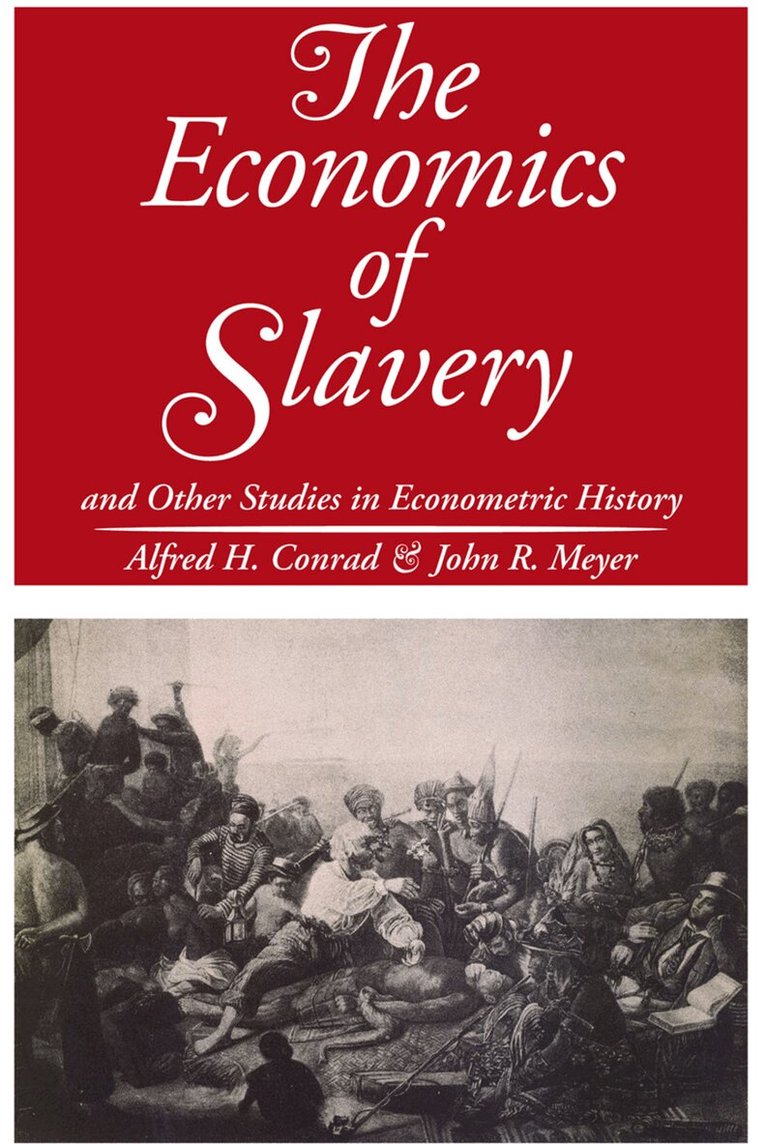
Economics of Slavery
And Other Studies in Econometric History
Häftad, 2007
814 kr
Lägg i varukorg
How are economists and historians to explain what happened in history? What statistical inferences can be drawn from historical data? The authors believe that explanation in history can be identified with the problems of prediction in a probabilistic universe. Using this approach, the historian can …
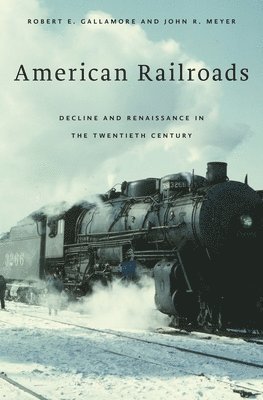
American Railroads
Decline and Renaissance in the Twentieth Century
Av Robert E. Gallamore, John R. Meyer
Häftad, 2016
323 kr
Lägg i varukorg
Once an icon of American industry, railroads fell into a long decline beginning around the turn of the twentieth century. Overburdened with regulation and often displaced by barge traffic on government-maintained waterways, trucking on interstate highways, and jet aviation, railroads measured their …
Going Private
The International Experience with Transport Privatization
Av José A. Gómez-Ibáñez, John R. Meyer
E-bok, 2011
343 kr
Lägg i varukorg
In the last decade many countries turned to private sources to provide services formerly offered by public agencies. Europeans, particularly the British and the French, were leaders in this movement. Developing countries also experimented extensively with privatization in the 1980s, with varying …
Going Private
The International Experience with Transport Privatization
Av José A. Gómez-Ibáñez, John R. Meyer
Häftad, 1994
326 kr
Lägg i varukorg
In the last decade many countries turned to private sources to provide services formerly offered by public agencies. Europeans, particularly the British and the French, were leaders in this movement. Developing countries also experimented extensively with privatization in the 1980s, with varying …
Economics of Slavery
And Other Studies in Econometric History
Inbunden, 2017
2578 kr
Lägg i varukorg
How are economists and historians to explain what happened in history? What statistical inferences can be drawn from historical data? The authors believe that explanation in history can be identified with the problems of prediction in a probabilistic universe. Using this approach, the historian can …
Economics of Slavery
And Other Studies in Econometric History
E-bok, 2017
856 kr
Lägg i varukorg
How are economists and historians to explain what happened in history? What statistical inferences can be drawn from historical data? The authors believe that explanation in history can be identified with the problems of prediction in a probabilistic universe. Using this approach, the historian can …
Economics of Slavery
And Other Studies in Econometric History
E-bok, 2017
856 kr
Lägg i varukorg
How are economists and historians to explain what happened in history? What statistical inferences can be drawn from historical data? The authors believe that explanation in history can be identified with the problems of prediction in a probabilistic universe. Using this approach, the historian can …
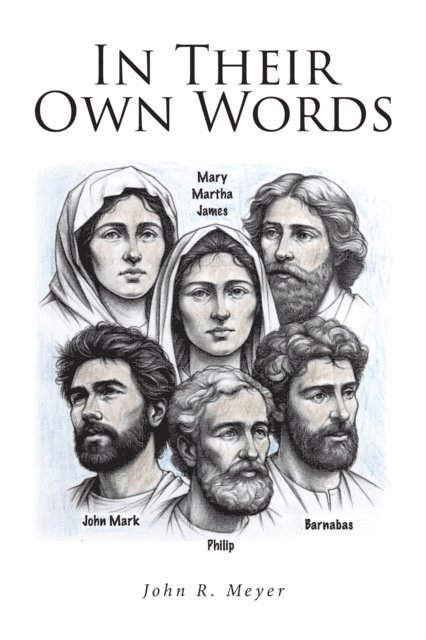
In Their Own Words
E-bok, 2024
184 kr
Lägg i varukorg
Have you ever wondered about these questions? What happened to the gold, frankincense, and myrrh given to Mary and Joseph? What happened to Joseph? Did Jesus and his brothers ever play any games as children? Why did James and family think Jesus was crazy? How did Martha feel when Jesus said Mary …
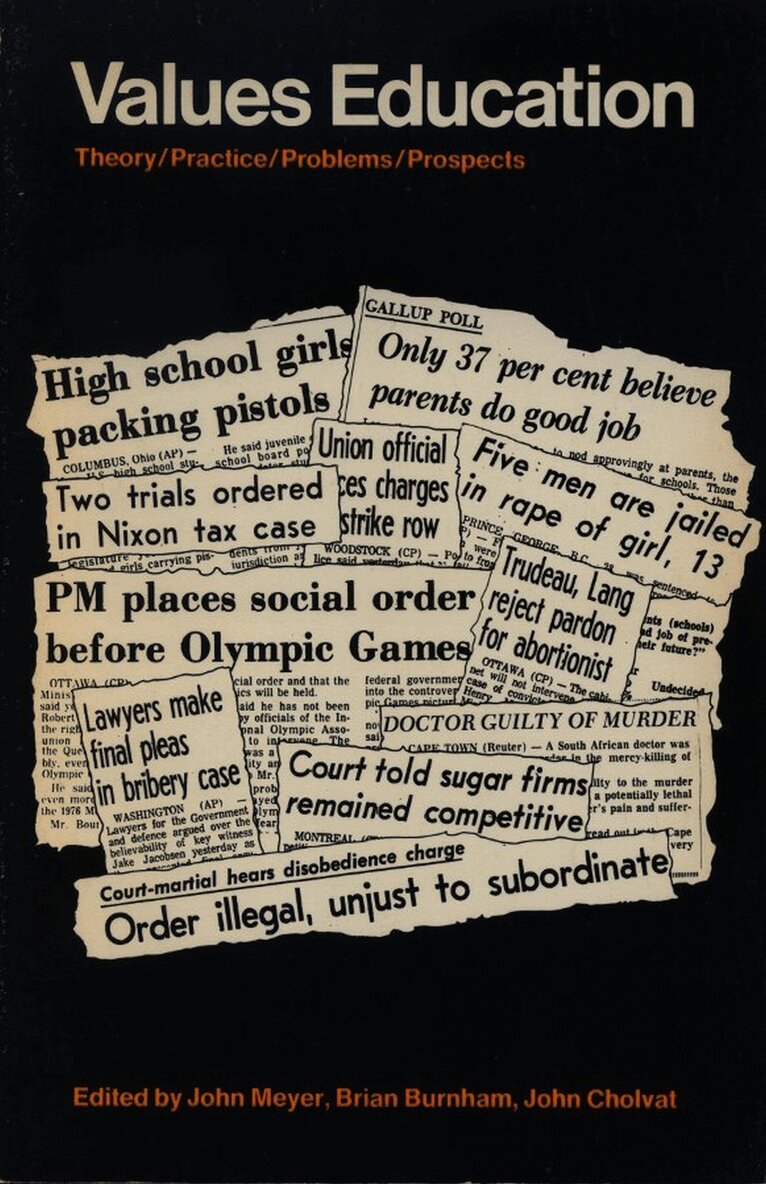
Values Education
Theory, Practice, Problems, Prospects
Av John R. Meyer, Brian Burnham m. fl.
Häftad, 1975
373 kr
Tillfälligt slut
Values - those intangible guideposts - serve as standards and perceptual screens which assist us in selecting our priorities for reflection and action. Our quest is to clarify, compare, and form values expressed in defensible and consistent value judgements and actions.
Reflections on Values Education
Häftad, 1976
441 kr
Tillfälligt slut
Everyone ought to be profoundly concerned with the ""development"" of the leaner and consequently the development of society. The ultimate standard (value) for such development is to attain a more adequate level of value and moral awareness, sensitivity, reasoning, and action.The why, what, and how …