John Ralph Willis – författare
Visar alla böcker från författaren John Ralph Willis. Handla med fri frakt och snabb leverans.
15 produkter
Slaves and Slavery in Africa
Volume One: Islam and the Ideology of Enslavement
Av John Ralph Willis, John Ralph Willis
Inbunden, 1986
2578 kr
Lägg i varukorg
This Volume One of a series on slaves and slavery in Muslim Africa. First published in 1985, it looks at Islam and the ideology of enslavement. Slaves of African origin formed a vital thread in the living lines of economic production in the Near and Middle East and formed the cord of economic …
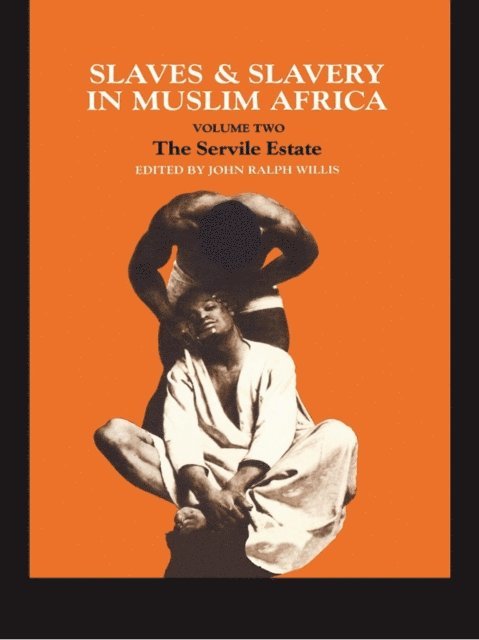
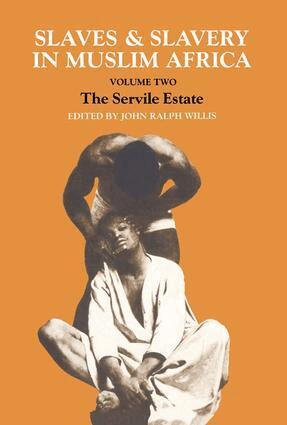
Slaves and Slavery in Africa
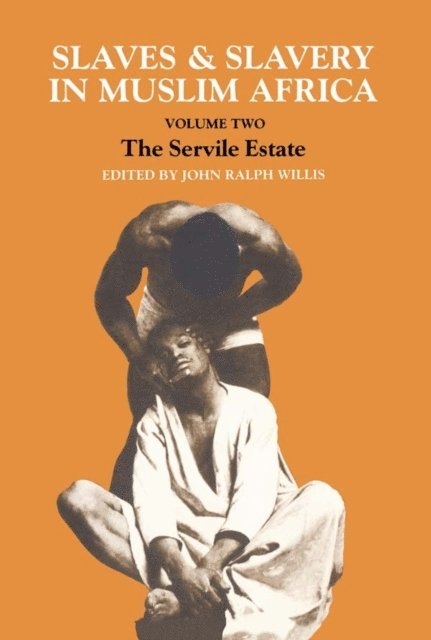
Volume Two: The Servile Estate
Av John Ralph Willis, John Ralph Willis
Inbunden, 1986
2578 kr
Lägg i varukorg
First Published in 1986. Slavery in Islamic Africa has been a fascinating subject to which many scholars have referred, but of which no detailed monograph has emerged. The better part of the essays in these volumes has its ancestry in a conference held at Princeton University during the Summer of …
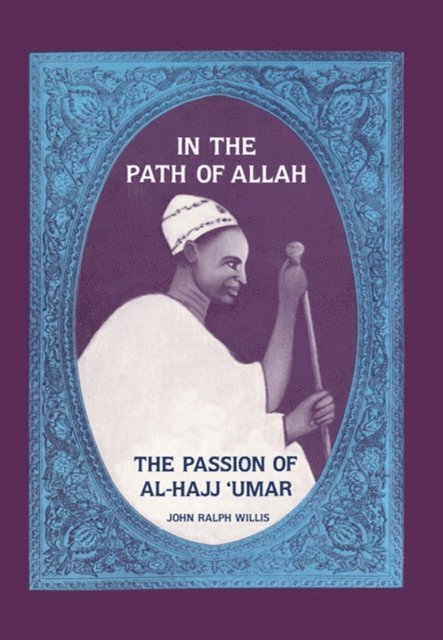
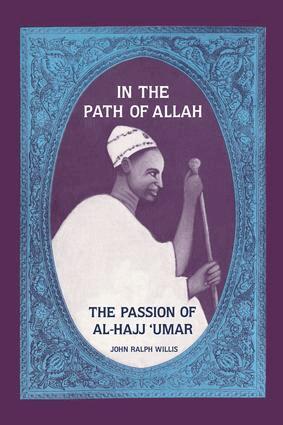
In the Path of Allah
'Umar, An Essay into the Nature of Charisma in Islam'
Inbunden, 1989
2658 kr
Lägg i varukorg
A West African Sufi and religious reformer (c.1794-1864), struggled to reconcile the temporal achievements of his jihad with his mystical calling. The fame of Shaykh Omar rested on his reputation as a worker of miracles, and the success of jihad in his path to Allah.
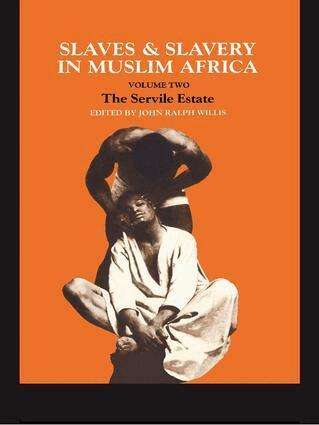
Slaves and Slavery in Africa
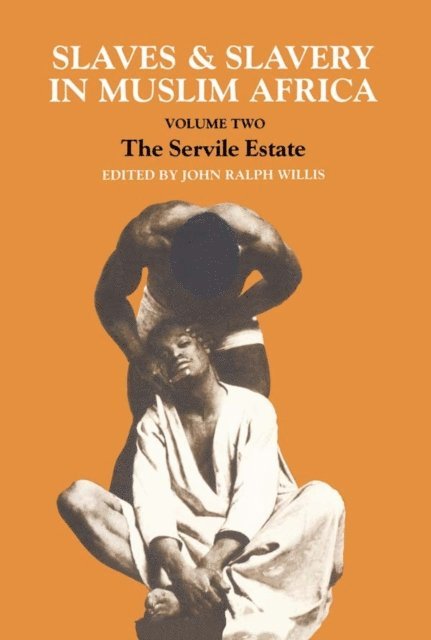
Volume Two: The Servile Estate
E-bok, 2005
960 kr
Lägg i varukorg
First Published in 1986. Slavery in Islamic Africa has been a fascinating subject to which many scholars have referred, but of which no detailed monograph has emerged. The better part of the essays in these volumes has its ancestry in a conference held at Princeton University during the Summer of …
Slaves and Slavery in Africa
Volume Two: The Servile Estate
E-bok, 2005
981 kr
Lägg i varukorg
First Published in 1986. Slavery in Islamic Africa has been a fascinating subject to which many scholars have referred, but of which no detailed monograph has emerged. The better part of the essays in these volumes has its ancestry in a conference held at Princeton University during the Summer of …
In the Path of Allah
''Umar, An Essay into the Nature of Charisma in Islam''
E-bok, 2013
1011 kr
Lägg i varukorg
A West African Sufi and religious reformer (c.1794-1864), struggled to reconcile the temporal achievements of his jihad with his mystical calling. The fame of Shaykh Omar rested on his reputation as a worker of miracles, and the success of jihad in his path to Allah.
In the Path of Allah
''Umar, An Essay into the Nature of Charisma in Islam''
E-bok, 2013
1011 kr
Lägg i varukorg
A West African Sufi and religious reformer (c.1794-1864), struggled to reconcile the temporal achievements of his jihad with his mystical calling. The fame of Shaykh Omar rested on his reputation as a worker of miracles, and the success of jihad in his path to Allah.
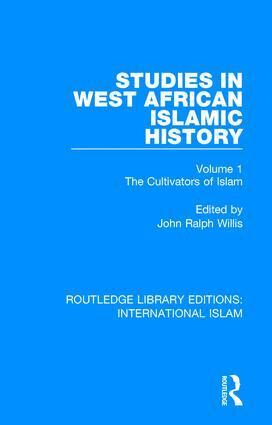
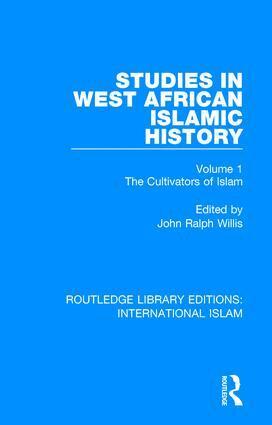
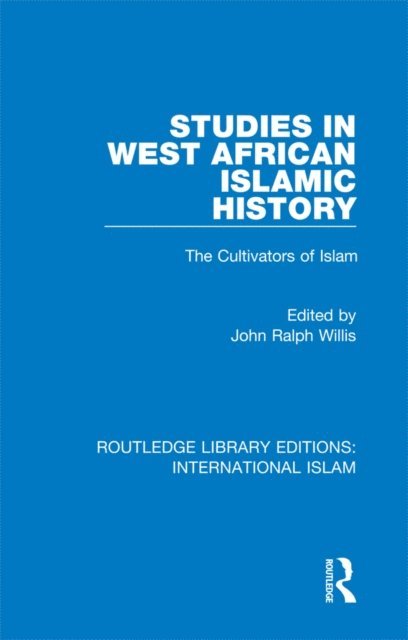
Studies in West African Islamic History
The Cultivators of Islam
Inbunden, 2017
2504 kr
Lägg i varukorg
First published in 1979, this first of three volumes examines the many means and figures through which Islam was cultivated in West Africa over a prolonged period. It combines the work from eminent scholars in the field, most of which have travelled widely in the historic region of Western Sudan. …
Studies in West African Islamic History
The Cultivators of Islam
Häftad, 2018
689 kr
Lägg i varukorg
First published in 1979, this first of three volumes examines the many means and figures through which Islam was cultivated in West Africa over a prolonged period. It combines the work from eminent scholars in the field, most of which have travelled widely in the historic region of Western Sudan. …
In the Path of Allah
'Umar, An Essay into the Nature of Charisma in Islam'
Häftad, 2016
855 kr
Lägg i varukorg
A West African Sufi and religious reformer (c.1794-1864), struggled to reconcile the temporal achievements of his jihad with his mystical calling. The fame of Shaykh Omar rested on his reputation as a worker of miracles, and the success of jihad in his path to Allah.
Slaves and Slavery in Africa
Volume Two: The Servile Estate
Av John Ralph Willis, John Ralph Willis
Häftad, 2016
829 kr
Lägg i varukorg
First Published in 1986. Slavery in Islamic Africa has been a fascinating subject to which many scholars have referred, but of which no detailed monograph has emerged. The better part of the essays in these volumes has its ancestry in a conference held at Princeton University during the Summer of …
Slaves and Slavery in Africa
Volume One: Islam and the Ideology of Enslavement
Av John Ralph Willis, John Ralph Willis
Häftad, 2016
805 kr
Lägg i varukorg
This Volume One of a series on slaves and slavery in Muslim Africa. First published in 1985, it looks at Islam and the ideology of enslavement. Slaves of African origin formed a vital thread in the living lines of economic production in the Near and Middle East and formed the cord of economic …
Studies in West African Islamic History
The Cultivators of Islam
E-bok, 2018
814 kr
Lägg i varukorg
First published in 1979, this first of three volumes examines the many means and figures through which Islam was cultivated in West Africa over a prolonged period. It combines the work from eminent scholars in the field, most of which have travelled widely in the historic region of Western Sudan. …
Slaves and Slavery in Africa
Volume One: Islam and the Ideology of Enslavement
E-bok, 2014
932 kr
Lägg i varukorg
This Volume One of a series on slaves and slavery in Muslim Africa. First published in 1985, it looks at Islam and the ideology of enslavement. Slaves of African origin formed a vital thread in the living lines of economic production in the Near and Middle East and formed the cord of economic …
Slaves and Slavery in Africa
Volume One: Islam and the Ideology of Enslavement
E-bok, 2014
953 kr
Lägg i varukorg
This Volume One of a series on slaves and slavery in Muslim Africa. First published in 1985, it looks at Islam and the ideology of enslavement. Slaves of African origin formed a vital thread in the living lines of economic production in the Near and Middle East and formed the cord of economic …