John Scott-Morgan – författare
Visar alla böcker från författaren John Scott-Morgan. Handla med fri frakt och snabb leverans.
7 produkter
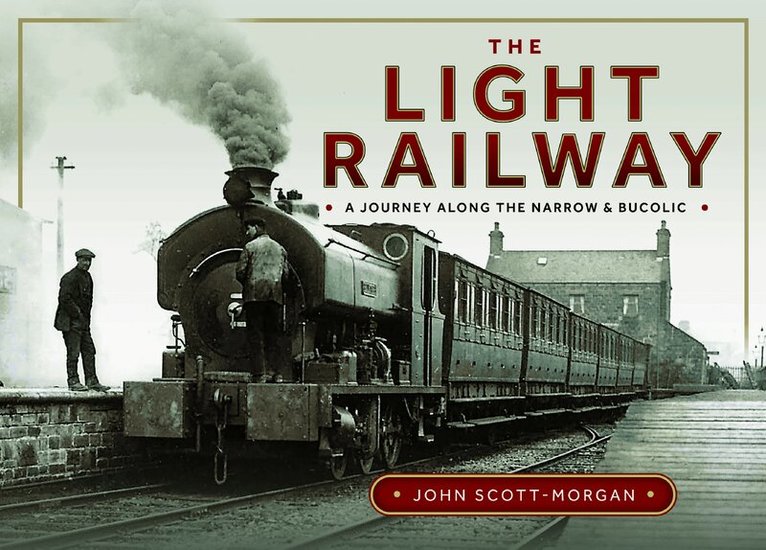
Light Railway
A Journey along the Narrow and Bucolic
Inbunden, 2025
282 kr
Lägg i varukorg
The light Railways Act 1896 marked the final phase in the development of the traditional railway in Britain, being designed to open up rural areas of Britain that had been bypassed by the larger railway companies.The promoting and construction of light railways allowed many parts of Britain and …
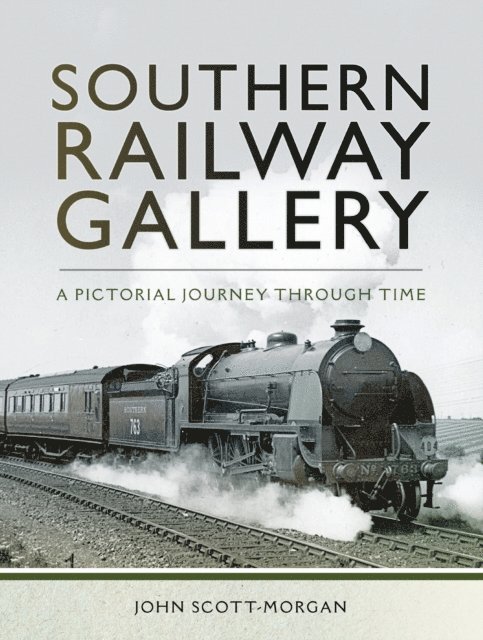
Southern Railway Gallery
A Pictorial Journey Through Time
E-bok, 2017
15 kr
Lägg i varukorg
Southern Railway Gallery is the first volume in a new series of picture books, designed to be of interest to railway historians and modellers. The series subjects are themed to include an interesting mixture of useful historic illustrations, depicting locomotives, rolling stock and …
Southern Railway Gallery
A Pictorial Journey Through Time
E-bok, 2017
265 kr
Lägg i varukorg
Southern Railway Gallery is the first volume in a new series of picture books, designed to be of interest to railway historians and modellers. The series subjects are themed to include an interesting mixture of useful historic illustrations, depicting locomotives, rolling stock and …
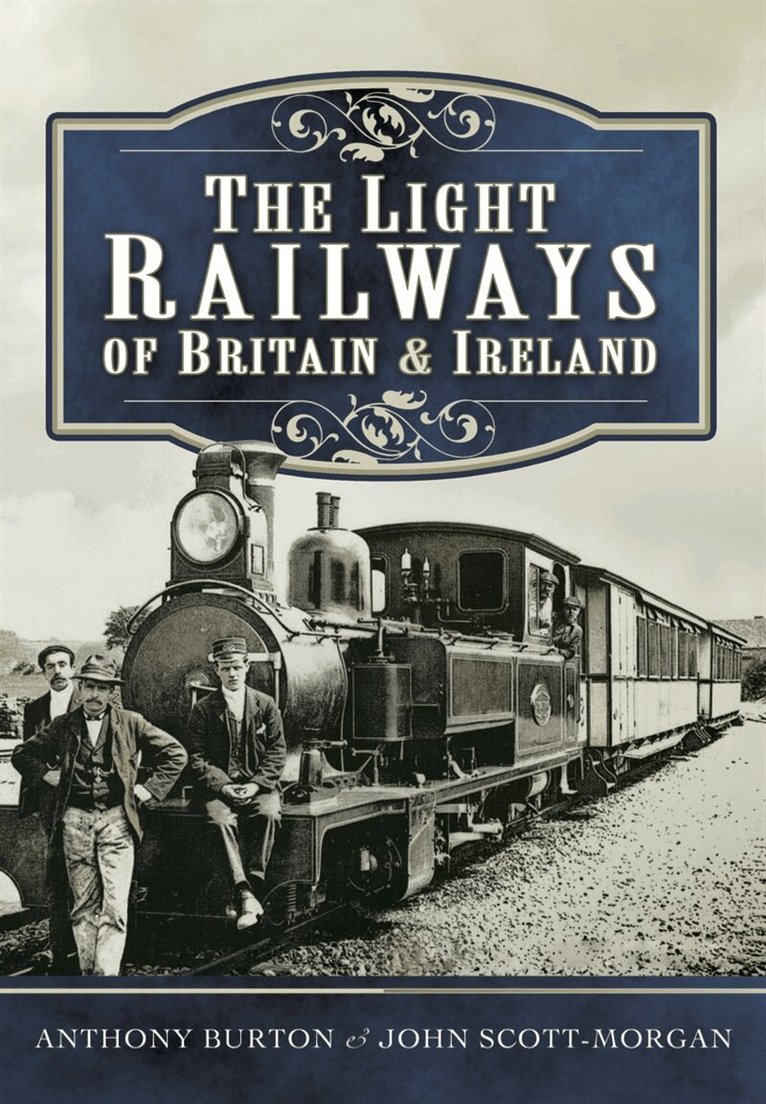
The Light Railways of Britain and Ireland
Av Anthony Burton, John Scott-Morgan
E-bok, 2021
131 kr
Lägg i varukorg
First published in 1985 by Moorland Press, The Light Railways of Britain & Ireland has remained unavailable for more than twenty-five years, until now. Re-released by Pen & Sword, this is a thorough and engaging book that covers, in depth, the fascinating story of Britain's last railway …
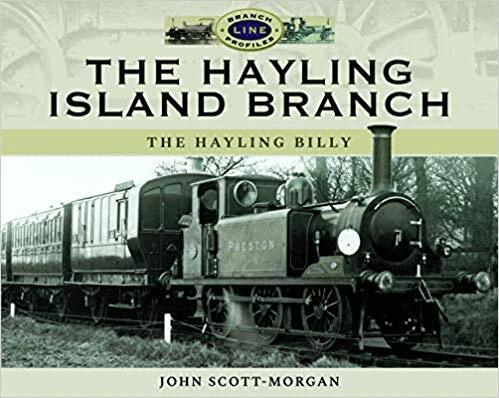
Hayling Island Branch
The Hayling Billy
Inbunden, 2019
282 kr
Lägg i varukorg
The Hayling Island Branch was one of Britain's most iconic sea side lines, connecting Havant with Hayling Island via Langston Harbour. Opening in 1865 for freight and 1867 to passenger traffic, it was after a few years of local control, managed and operated as part of the London Brighton & South …
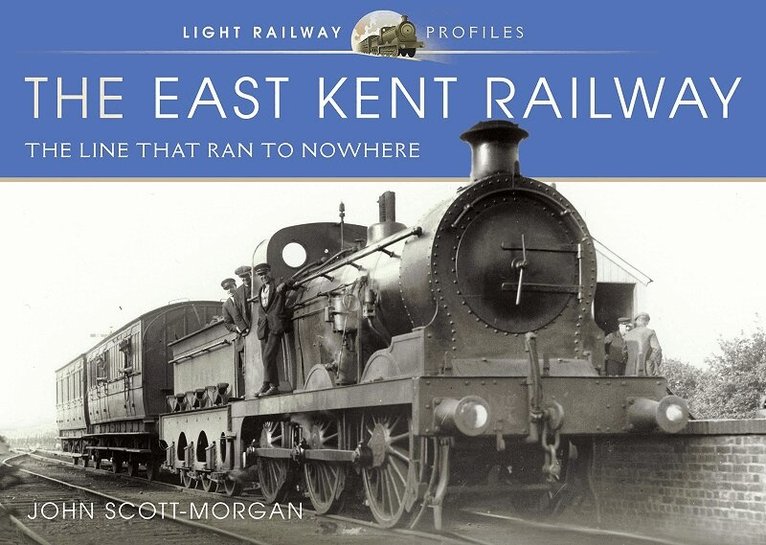
East Kent Railway
The Line That Ran to Nowhere
Inbunden, 2021
279 kr
Lägg i varukorg
The East Kent Railway was one of Britain's less well known light railways, a part of the Colonel Stephens group of lines, the East Kent Railway was meant to open up the newly discovered Kent coal field and help to make its shareholders wealthy, however things took a different turn, when the …
East Kent Railway
The Line That Ran to Nowhere
E-bok, 2021
152 kr
Lägg i varukorg
The East Kent Railway was one of Britain''s less well known light railways, a part of the Colonel Stephens group of lines, the East Kent Railway was meant to open up the newly discovered Kent coal field and help to make its shareholders wealthy, however things took a different turn, when the …