Peter Steer – författare
Visar alla böcker från författaren Peter Steer. Handla med fri frakt och snabb leverans.
4 produkter
4 produkter
381 kr
Skickas
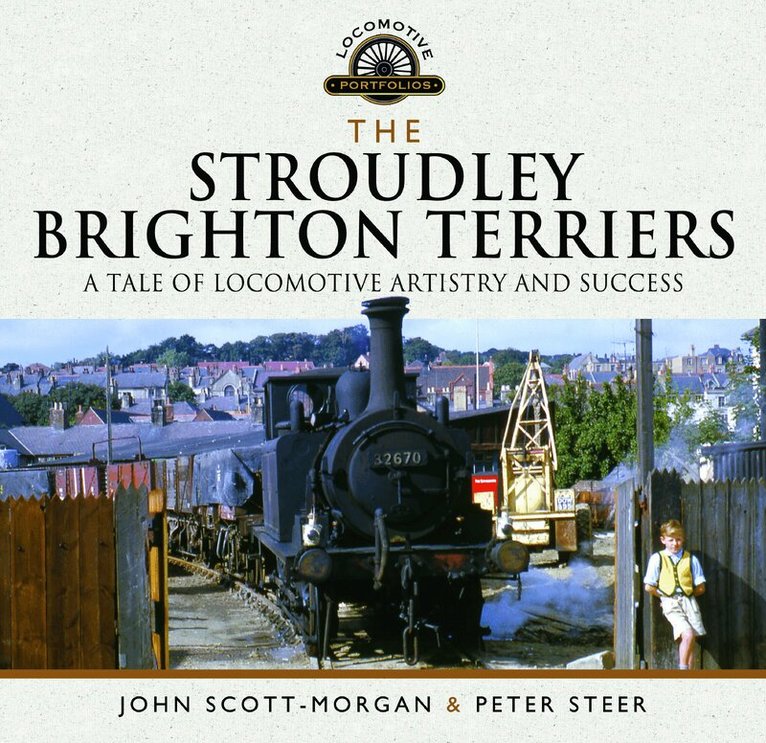
The Stroudley Brighton Terriers were one of the most successful designs of tank locomotive to run on the railways of Britain.They were introduced in 1872 and operated in main line service until November 1963, when ten members of the class were preserved both officially and by heritage railways.This volume tells the facinating story of there service and operational life, both on the main line and later when many of them had a further existence on light railways and in industry.John Scott-Morgan and Peter Steer have spent many hours reserching the interesting history of these Victorian survivors that operated long after there original lifespan on many railways across Britain.
273 kr
Skickas
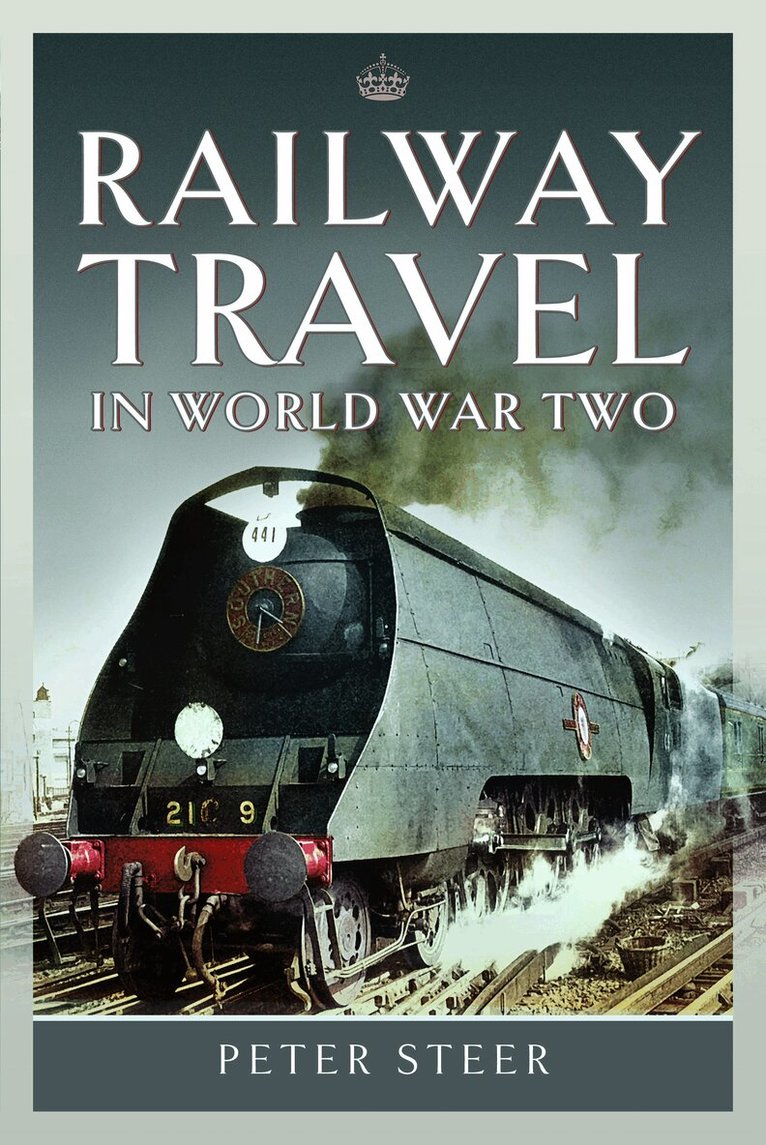
The popular image of railway travel during the Second World War is that of a sparse service of dirty and grossly overcrowded trains that were forever being delayed. The iconic ‘is your journey really necessary’ poster campaign is credited with discouraging the public from travelling by train. This book questions these assumptions and examines the mobility requirements of the British public during the war years and aligns these to the level of service provided by the railways. Throughout the war the railways were managed by the Railway Executive Committee (REC) whose members were all senior railway officers. The conflicts between the REC and the government in respect to controlling passenger numbers on the railway system, which was overcrowded with essential additional war related freight traffic, are examined; as are the propaganda campaigns aimed at restricting ‘unnecessary’ travel. The public’s response to the travel restrictions are analysed to determine how railway passengers’ attitudes and reactions corresponded to the publicly accepted mythology. Many British citizens did reduce their railway journeys, but for others who had previously had little need to travel by train, the exigencies of war resulted in them having to make long and often difficult journeys by rail.
432 kr
Skickas
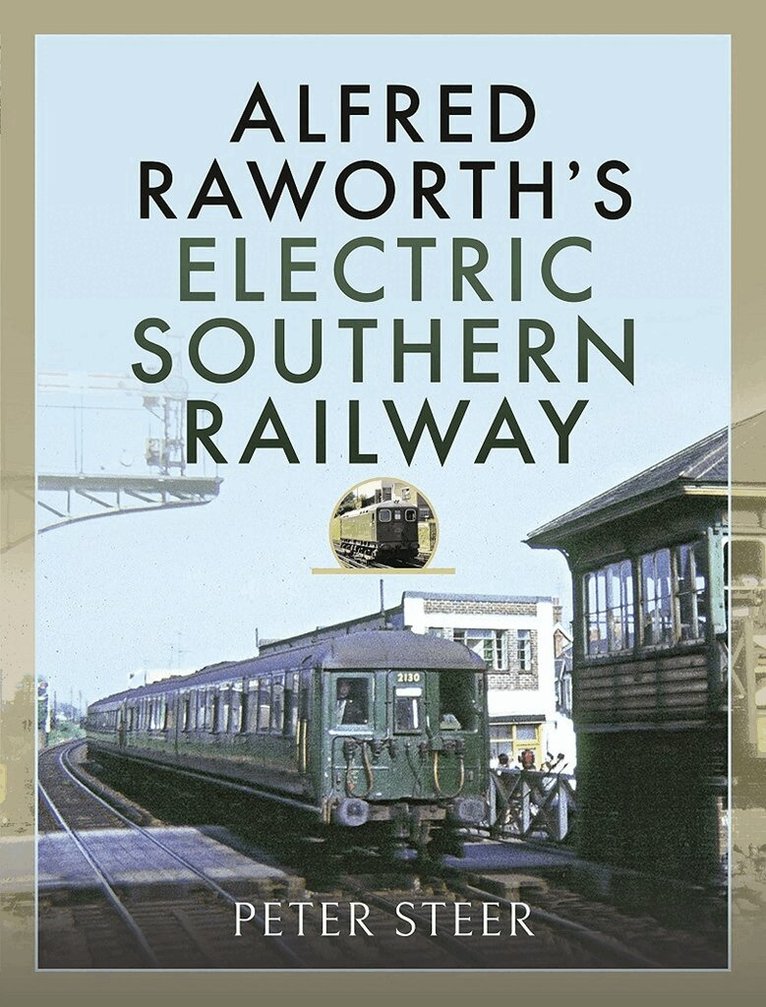
The Southern Railway between 1923 and 1939 was the only British company to carry out a sustained programme of electrification which became known as the Southern Electric. Unlike many recent projects, each incremental step was completed on time and within budget. This successful project was more impressive as it was achieved during a period of economic stagnation (including the great depression') and despite government disapproval of the method of electrification. The driving force behind this endeavor was the railway's general manager, Sir Herbert Walker, but at his side was his electrical engineer, Alfred Raworth, the man one journalist described as an electrification genius'.Alfred Raworth's career began working with his father the eminent consulting engineer and entrepreneur, John Smith Raworth. Following the collapse of his father's business Alfred joined the railway industry and devised an ambitious and innovative electrification design. This was discarded when the railways of southern England were grouped' into the Southern Railway after which he took responsibility for the implementation of the electrification schemes. With Walker's retirement in 1937, those who continued to support steam traction took the policy lead. A marginalised Raworth retired but was later to witness the fruition of many of his discarded ideas.
187 kr
Skickas inom 5-8 vardagar