John Sidel – författare
Visar alla böcker från författaren John Sidel. Handla med fri frakt och snabb leverans.
3 produkter
3 produkter
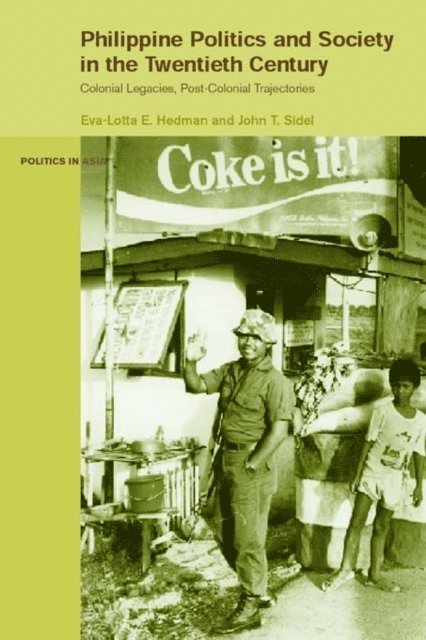
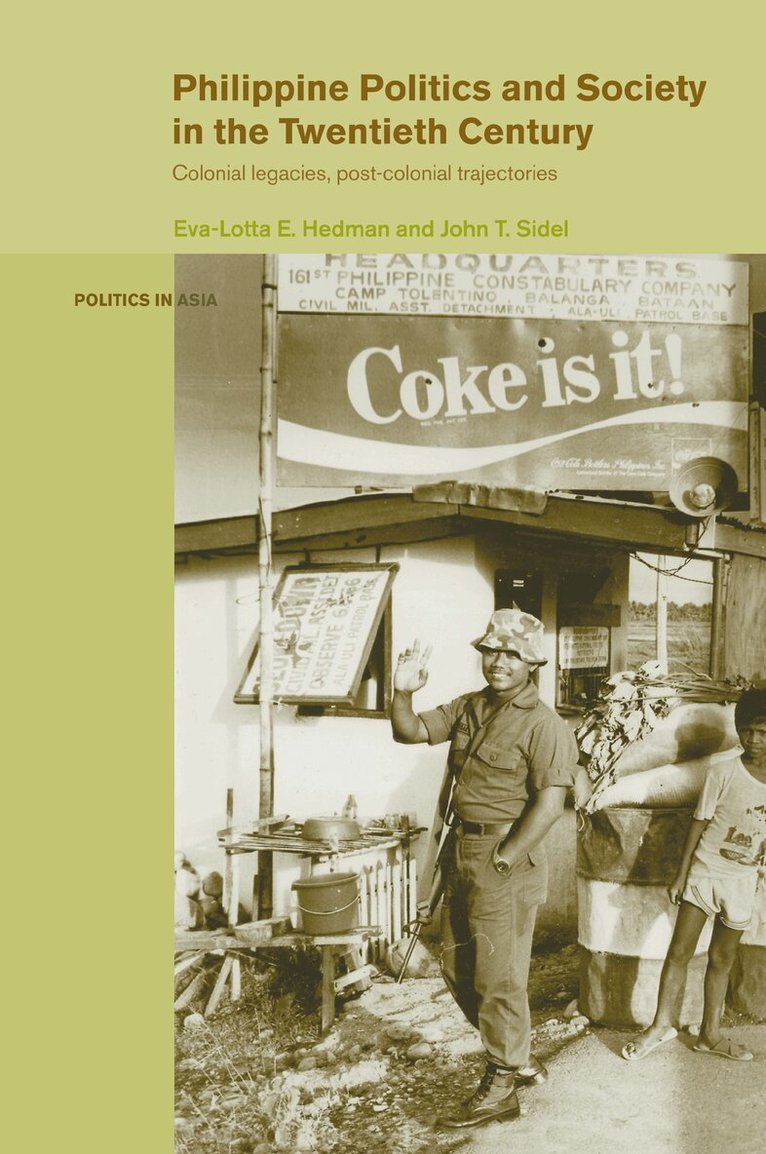
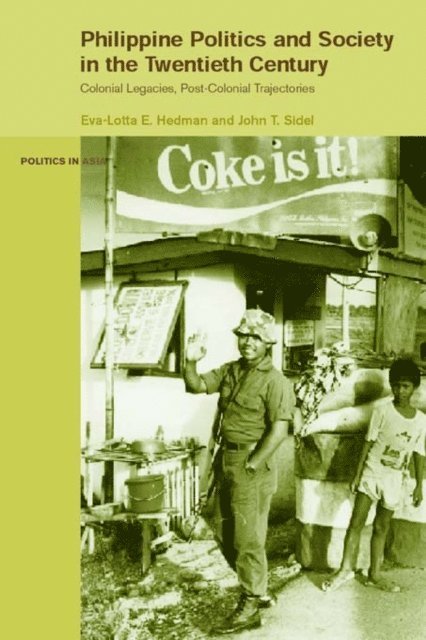
Philippine Politics and Society in the Twentieth Century
Colonial Legacies, Post-Colonial Trajectories
Inbunden, Engelska, 2000
2 316 kr
Skickas inom 10-15 vardagar
The only book length study to cover the Philippines after Marco's downfall, this key title thematically explores issues affecting this fascinating country, throughout the last century. Appealing to both the academic and non academic reader, topics covered include:national level electoral politicseconomic growththe Philippine Chineselaw and orderoppositionthe Leftlocal and ethnic politics.
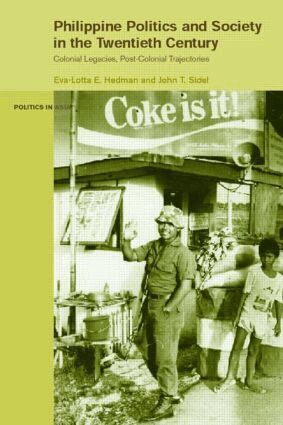
Philippine Politics and Society in the Twentieth Century
Colonial Legacies, Post-Colonial Trajectories
Häftad, Engelska, 2000
749 kr
Skickas inom 10-15 vardagar
The only book length study to cover the Philippines after Marco's downfall, this key title thematically explores issues affecting this fascinating country, throughout the last century. Appealing to both the academic and non academic reader, topics covered include:national level electoral politicseconomic growththe Philippine Chineselaw and orderoppositionthe Leftlocal and ethnic politics.
221 kr
Skickas inom 10-15 vardagar
In recent years, a steady stream of reportage and commentary has spotlighted a dangerous "Islamist threat" in Southeast Asia. This study, by contrast, offers a very different account. In descriptive terms, this study suggests that such an alarmist picture is highly overdrawn, and it traces instead a pattern of marked decline, demobilization, and disentanglement from state power in recent years for Islamist forces in Southeast Asia. This trend is evident both in the disappointments experienced in recent years by previously ascendant Islamist forces in Indonesia and Malaysia, and in the diminished position of Muslim power brokers in southern Thailand and the Philippines after more than a decade of cooperation with non-Muslim politicians in Manila and Bangkok.In explanatory terms, moreover, this study shows the significance of social and political context. A fuller appreciation of aggression by anti-Islamists and non-Muslims, and of the insecurity, weakness, and fractiousness of Islamist forces themselves, helps to explain the nature, extent, and limitations of Islamist violence, aggression, and assertiveness.This overarching alternative framework not only provides a very different explanation for the "Islamist threat" in Southeast Asia, but also suggests very different policy implications from those offered by specialists on terrorism working on the region.