John T. Davis - Böcker
Visar alla böcker från författaren John T. Davis. Handla med fri frakt och snabb leverans.
4 produkter
4 produkter
210 kr
Skickas inom 7-10 vardagar
A group of three friends who made music in a house in Lubbock, Texas, recorded an album that wasn’t released and went their separate ways into solo careers. That group became a legend and then-twenty years later-a band. The Flatlanders-Joe Ely, Jimmie Dale Gilmore, and Butch Hancock-are icons in American music, with songs blending country, folk, and rock that have influenced a long list of performers, including Robert Earl Keen, the Cowboy Junkies, Ryan Bingham, Terry Allen, John Hiatt, Hayes Carll, Lucinda Williams, Steve Earle, and Lyle Lovett.In The Flatlanders: Now It’s Now Again, Austin author and music journalist John T. Davis traces the band’s musical journey from the house on 14th Street in Lubbock to their 2013 sold-out concert at Carnegie Hall. He explores why music was, and is, so important in Lubbock and how earlier West Texas musicians such as Buddy Holly and Roy Orbison, as well as a touring Elvis Presley, inspired the young Ely, Gilmore, and Hancock. Davis vividly recreates the Lubbock countercultural scene that brought the Flatlanders together and recounts their first year (1972–1973) as a band, during which they recorded the songs that, decades later, were released as the albums More a Legend Than a Band and The Odessa Tapes. He follows the three musicians through their solo careers and into their first decade as a (re)united band, in which they cowrote songs for the first time on the albums Now Again and Hills and Valleys and recovered their extraordinary original demo tape, lost for forty years. Many roads later, the Flatlanders are finally both a legend and a band.
195 kr
Skickas inom 5-8 vardagar
273 kr
Skickas inom 5-8 vardagar
346 kr
Skickas inom 7-10 vardagar
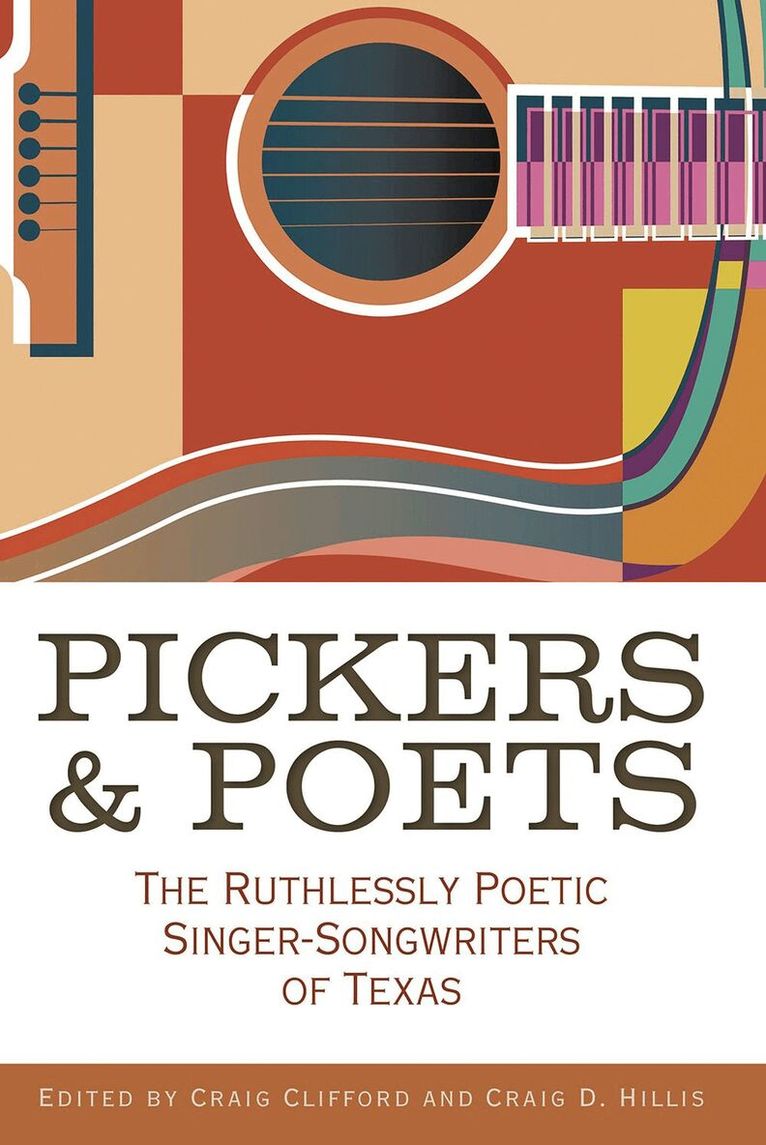
Many books and essays have addressed the broad sweep of Texas music—its multicultural aspects, its wide array and blending of musical genres, its historical transformations, and its love/hate relationship with Nashville and other established music business centers. This book, however, focuses on an essential thread in this tapestry: the Texas singer-songwriters to whom the contributors refer as “ruthlessly poetic.” All songs require good lyrics, but for these songwriters, the poetic quality and substance of the lyrics are front and center.Obvious candidates for this category would include Townes Van Zandt, Michael Martin Murphey, Guy Clark, Steve Fromholz, Terry Allen, Kris Kristofferson, Vince Bell, and David Rodriguez. In a sense, what these songwriters were doing in small, intimate live-music venues like the Jester Lounge in Houston, the Chequered Flag in Austin, and the Rubaiyat in Dallas was similar to what Bob Dylan was doing in Greenwich Village. In the language of the times, these were “folksingers.” Unlike Dylan, however, these were folksingers writing songs about their own people and their own origins and singing in their own vernacular. This music, like most great poetry, is profoundly rooted.That rootedness, in fact, is reflected in the book’s emphasis on place and the powerful ways it shaped and continues to shape the poetry and music of Texas singer-songwriters. From the coffeehouses and folk clubs where many of the “founders” got their start to the Texas-flavored festivals and concerts that nurtured both their fame and the rise of a new generation, the indelible stamp of origins is inseparable from the work of these troubadour-poets.