John T. Hamilton – författare
Visar alla böcker från författaren John T. Hamilton. Handla med fri frakt och snabb leverans.
13 produkter
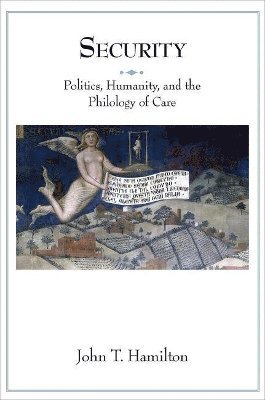
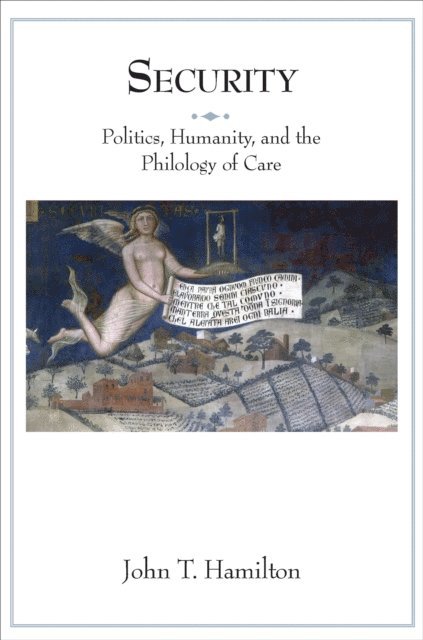
Security
Politics, Humanity, and the Philology of Care
Inbunden, 2013
452 kr
Tillfälligt slut
From national security and social security to homeland and cyber-security, "security" has become one of the most overused words in culture and politics today. Yet it also remains one of the most undefined. What exactly are we talking about when we talk about security? In this original and timely …
Complacency
Classics and Its Displacement in Higher Education
Häftad, 2022
194 kr
Lägg i varukorg
A critical reflection on complacency and its role in the decline of classics in the academy. In response to philosopher Simon Blackburn’s portrayal of complacency as a vice that impairs university study at its core, John T. Hamilton examines the history of complacency in classics and its …
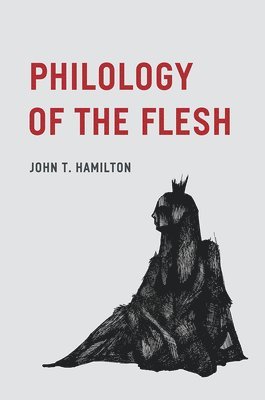
Philology of the Flesh
Inbunden, 2018
431 kr
Lägg i varukorg
As the Christian doctrine of Incarnation asserts, “the Word became Flesh.” Yet, while this metaphor is grounded in Christian tradition, its varied functions far exceed any purely theological import. It speaks to the nature of God just as much as to the nature of language.In Philology of the Flesh, …
Security
Politics, Humanity, and the Philology of Care
Häftad, 2016
289 kr
Lägg i varukorg
From national security and social security to homeland and cyber-security, "security" has become one of the most overused words in culture and politics today. Yet it also remains one of the most undefined. What exactly are we talking about when we talk about security? In this original and timely …
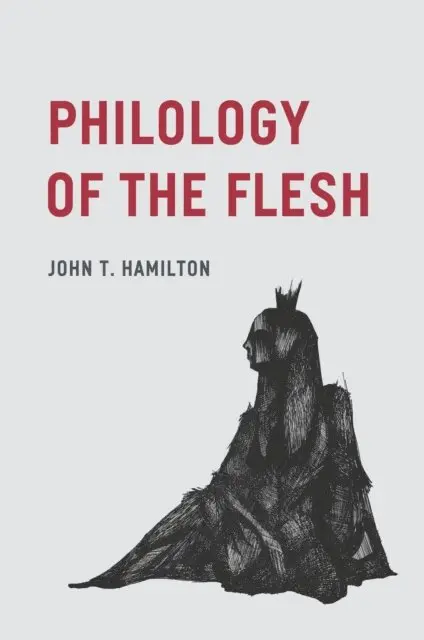
Philology of the Flesh
E-bok, 2018
836 kr
Lägg i varukorg
As the Christian doctrine of Incarnation asserts, “the Word became Flesh.” Yet, while this metaphor is grounded in Christian tradition, its varied functions far exceed any purely theological import. It speaks to the nature of God just as much as to the nature of language. In Philology of the Flesh …
Complacency
Classics and Its Displacement in Higher Education
Inbunden, 2022
797 kr
Lägg i varukorg
A critical reflection on complacency and its role in the decline of classics in the academy. In response to philosopher Simon Blackburn’s portrayal of complacency as a vice that impairs university study at its core, John T. Hamilton examines the history of complacency in classics and its …
Security
Politics, Humanity, and the Philology of Care
E-bok, 2013
460 kr
Lägg i varukorg
From national security and social security to homeland and cyber-security, "security" has become one of the most overused words in culture and politics today. Yet it also remains one of the most undefined. What exactly are we talking about when we talk about security? In this original and timely …
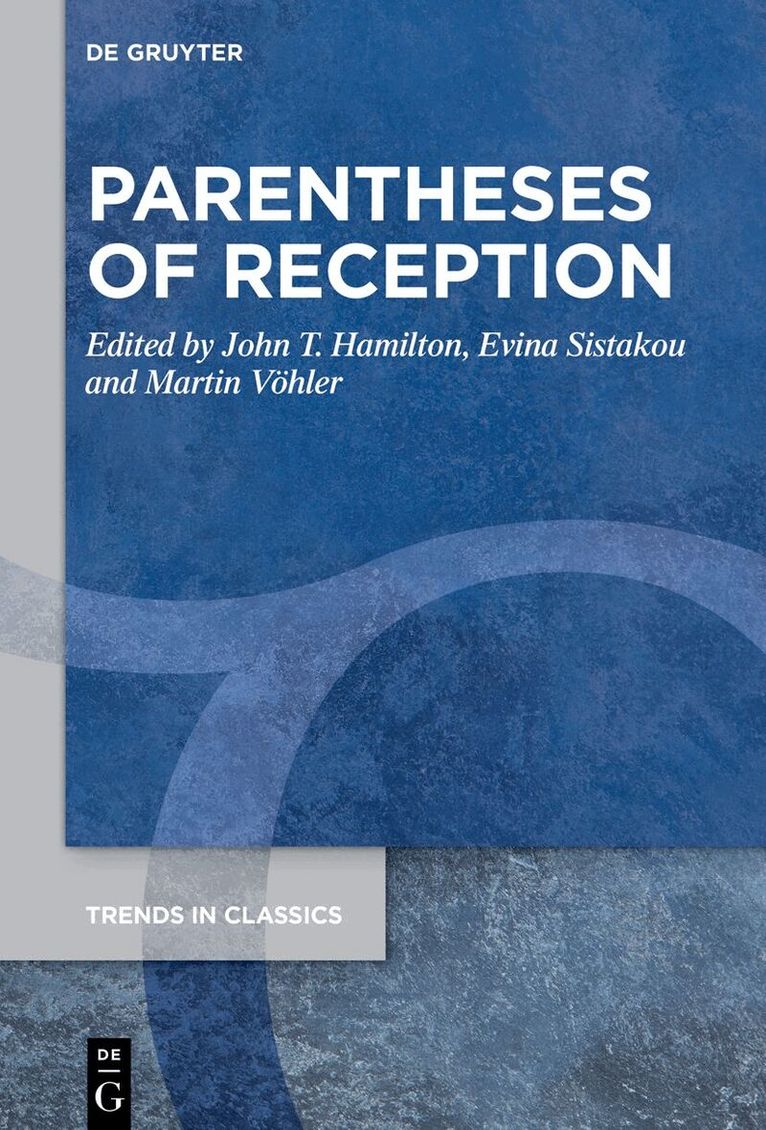
Parentheses of Reception
Av John T. Hamilton, Evina Sistakou m. fl.
Inbunden, 2025
2261 kr
Lägg i varukorg
The volume argues that the parenthesis, a rhetorical figure of speech and thought, can offer fresh insights into classical reception studies. By using the analogy of the parenthesis, we may conceptualize the received past as inserted into the present while remaining somehow apart from the present. …
Parentheses of Reception
Av Martin Vohler, Evina Sistakou m. fl.
E-bok, 2025
1948 kr
Lägg i varukorg
The volume argues that the parenthesis, a rhetorical figure of speech and thought, can offer fresh insights into classical reception studies. By using the analogy of the parenthesis, we may conceptualize the received past as inserted into the present while remaining somehow apart from the present. …
France/Kafka
An Author in Theory
Av John T. Hamilton, Imke Meyer
Inbunden, 2023
1090 kr
Lägg i varukorg
While his memory languished under Nazi censorship, Franz Kafka covertly circulated through occupied France and soon emerged as a cultural icon, read by the most influential intellectuals of the time as a prophet of the rampant bureaucracy, totalitarian oppression, and absurdity that branded the …
France/Kafka
An Author in Theory
Av John T. Hamilton, Imke Meyer
Häftad, 2023
332 kr
Lägg i varukorg
While his memory languished under Nazi censorship, Franz Kafka covertly circulated through occupied France and soon emerged as a cultural icon, read by the most influential intellectuals of the time as a prophet of the rampant bureaucracy, totalitarian oppression, and absurdity that branded the …
France/Kafka
An Author in Theory
E-bok, 2023
359 kr
Lägg i varukorg
While his memory languished under Nazi censorship, Franz Kafka covertly circulated through occupied France and soon emerged as a cultural icon, read by the most influential intellectuals of the time as a prophet of the rampant bureaucracy, totalitarian oppression, and absurdity that branded the …
France/Kafka
An Author in Theory
E-bok, 2023
351 kr
Lägg i varukorg
While his memory languished under Nazi censorship, Franz Kafka covertly circulated through occupied France and soon emerged as a cultural icon, read by the most influential intellectuals of the time as a prophet of the rampant bureaucracy, totalitarian oppression, and absurdity that branded the …