John T. Schlotterbeck – författare
Visar alla böcker från författaren John T. Schlotterbeck. Handla med fri frakt och snabb leverans.
6 produkter
James Madison's World
Society and Culture in Central Virginia, 1714 to 1900
Inbunden, 2026
1386 kr
Kommande
How James Madison and the milieu of the Virginia countryside he called home shaped one anotherJames Madison's World is a time-lapse of life in two central Virginia counties that captures two centuries of continuity and change. From the time that the first white settlers arrived in the early 1700s …
James Madison's World
Society and Culture in Central Virginia, 1714 to 1900
Häftad, 2026
375 kr
Kommande
How James Madison and the milieu of the Virginia countryside he called home shaped one anotherJames Madison's World is a time-lapse of life in two central Virginia counties that captures two centuries of continuity and change. From the time that the first white settlers arrived in the early 1700s …
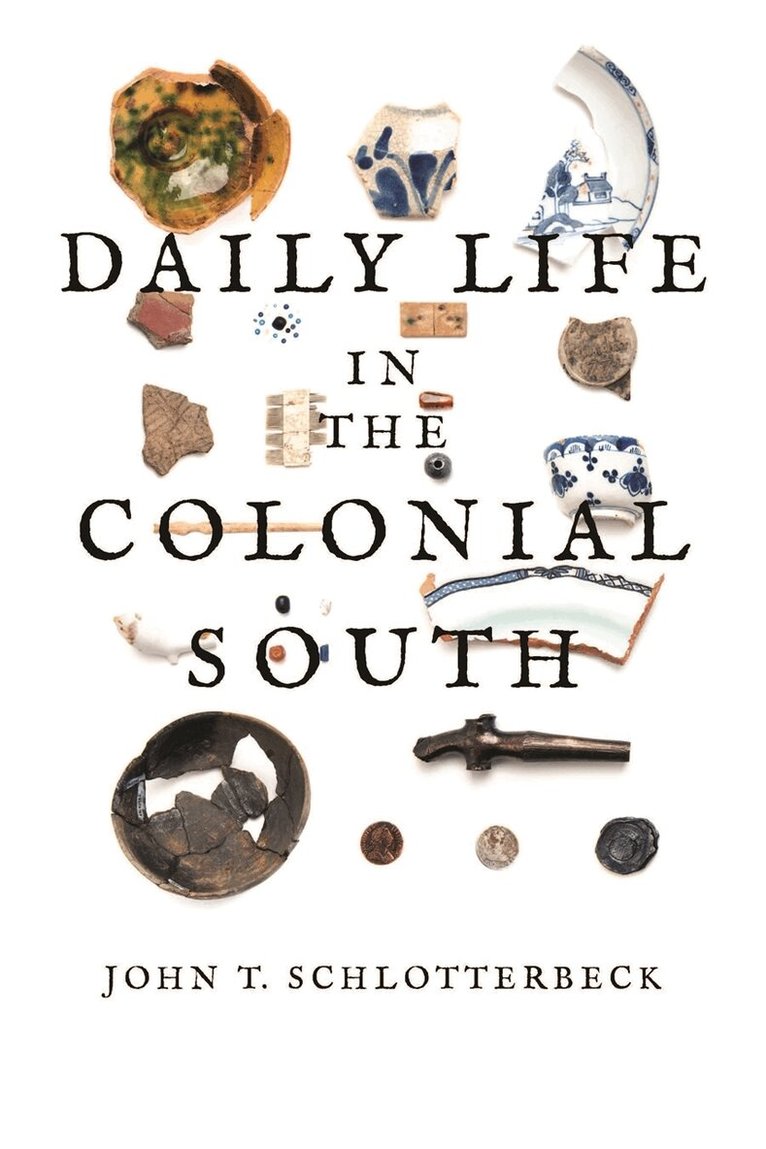
Daily Life in the Colonial South
Häftad, 2020
665 kr
Lägg i varukorg
It is difficult for twenty-first-century Americans to imagine life in the South over two hundred years ago. What were the daily routines and popular beliefs of ordinary people? What did they do for fun? How did contacts between Europeans, Native Americans, and Africans alter patterns of work, …
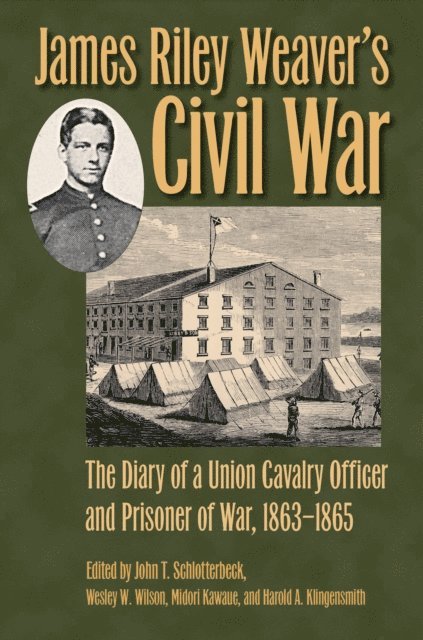
James Riley Weaver's Civil War
The Diary of a Union Cavalry Officer and Prisoner of War, 1863–1865
Av Harold A. Klingensmith, Midori Kawaue m. fl.
E-bok, 2019
564 kr
Lägg i varukorg
666 days of diary entries documenting the life of a Union officer held in Confederate prisons Captured on October 11, 1863, James Riley Weaver, a Union cavalry officer, spent nearly seventeen months in Confederate prisons. Remarkably, Weaver kept a diary that documents 666 consecutive days of his …
James Riley Weaver's Civil War
The Diary of a Union Cavalry Officer and Prisoner of War, 1863–1865
Av Harold A. Klingensmith, Midori Kawaue m. fl.
E-bok, 2019
564 kr
Lägg i varukorg
666 days of diary entries documenting the life of a Union officer held in Confederate prisons Captured on October 11, 1863, James Riley Weaver, a Union cavalry officer, spent nearly seventeen months in Confederate prisons. Remarkably, Weaver kept a diary that documents 666 consecutive days of his …
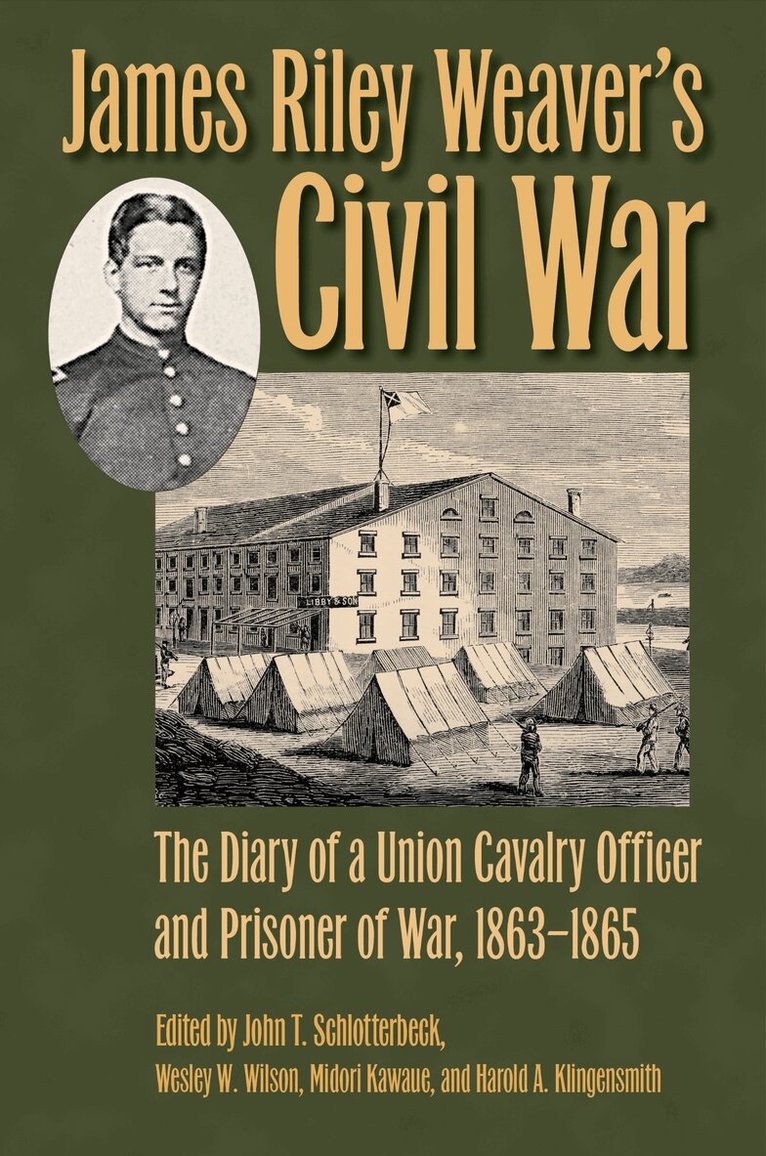
James Riley Weaver’s Civil War
The Diary of a Union Cavalry Officer and Prisoner of War, 1863–1865
Av John T. Schlotterbeck, Wesley W. Wilson m. fl.
Inbunden, 2019
600 kr
Tillfälligt slut
Captured on October 11, 1863, James Riley Weaver, a Union cavalry officer, spent nearly seventeen months in Confederate prisons. Remarkably, Weaver kept a diary that documents 666 consecutive days of his experience, including his cavalry duties, life in a series of prisons throughout the South, and …