John Tincey – författare
Visar alla böcker från författaren John Tincey. Handla med fri frakt och snabb leverans.
10 produkter
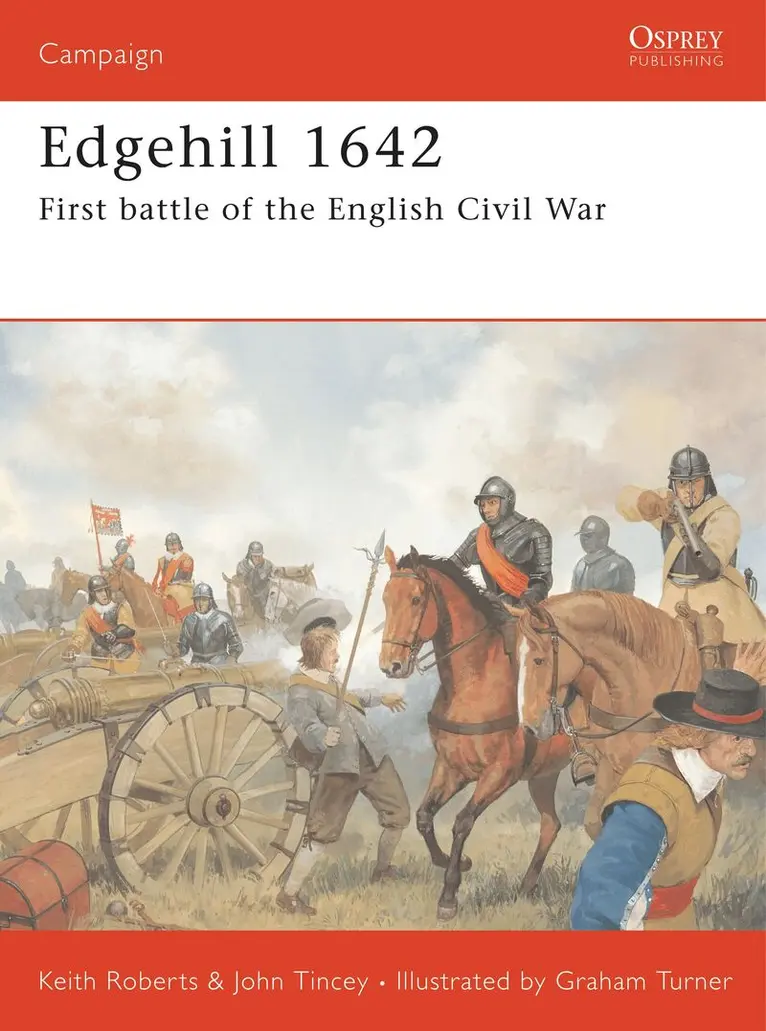
Edgehill 1642
First battle of the English Civil War
Häftad, 2001
209 kr
Lägg i varukorg
This, the first ever Osprey campaign title to deal with the English Civil War, looks at the battle of Edgehill, the first major clash of the Wars.In 1642 both Royalists and Parliamentarians expected that one great contest of arms would see the crushing of their enemies. When their field armies …
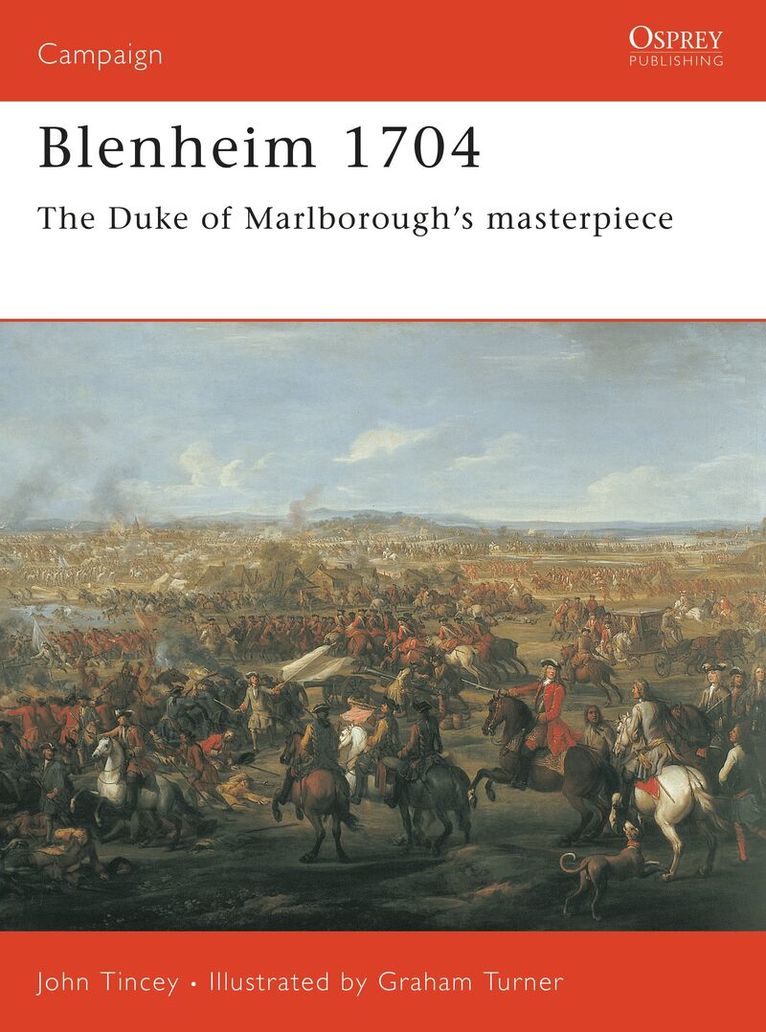
Blenheim 1704
The Duke of Marlborough’s masterpiece
Av John Tincey
Häftad, 2004
209 kr
Lägg i varukorg
A compact, illustrated account of the Duke of Marlborough's feat of strategy at Blenheim.Combining one of history’s most audacious strategic manoeuvres with perhaps the greatest military victory ever won by a British commander, the Blenheim campaign is rightly considered the pinnacle of the career …
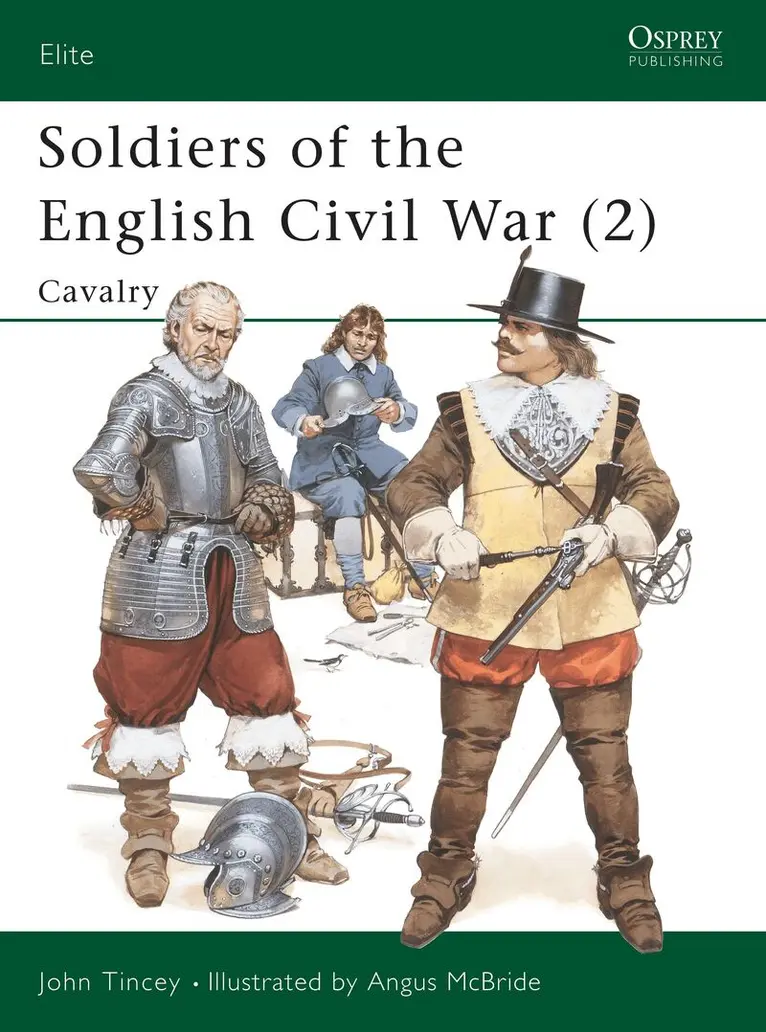
Soldiers of the English Civil War (2)
Cavalry
Av John Tincey
Häftad, 1990
185 kr
Lägg i varukorg
In March 1642 King Charles I, believing that Parliament had gone too far when it issued the Grand Remonstrance, moved to arrest John Pym and four other leaders.That summer Parliament, fearing military action, tried to seize control of the army by issuing orders for soldiers to report to …
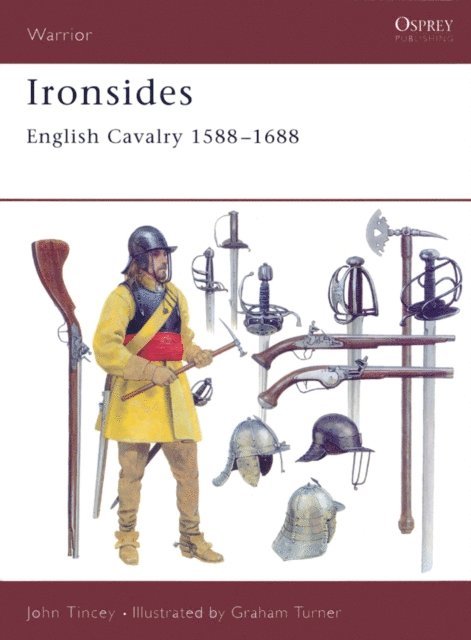
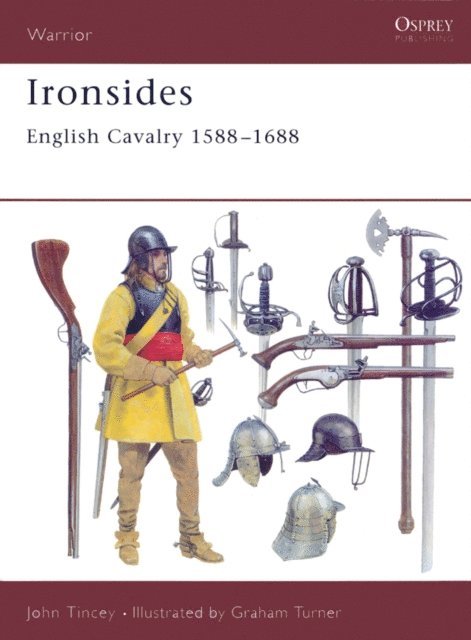
Ironsides
English Cavalry 1588–1688
Av John Tincey
E-bok, 2012
214 kr
Lägg i varukorg
The Ironside is symbolic of the one occasion when the army took an active role in British politics. He represents a unique period when ordinary people displaced the established order to take political control into their own hands. In the nineteenth century a rash of historical publications, …
Ironsides
English Cavalry 1588–1688
Av John Tincey
E-bok, 2012
214 kr
Lägg i varukorg
The Ironside is symbolic of the one occasion when the army took an active role in British politics. He represents a unique period when ordinary people displaced the established order to take political control into their own hands. In the nineteenth century a rash of historical publications, …
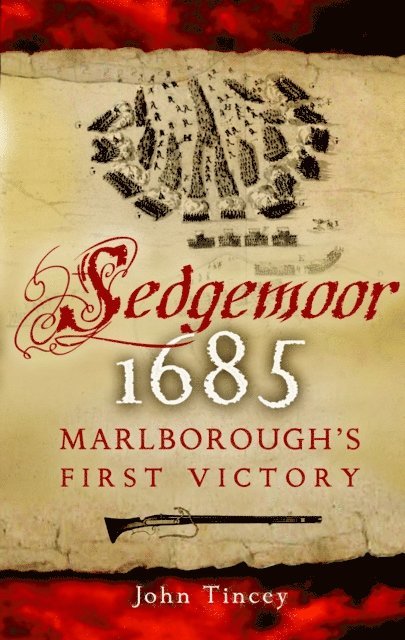
Sedgemoor, 1685
Marlborough''s First Victory
Av John Tincey
E-bok, 2005
118 kr
Lägg i varukorg
This groundbreaking account of the seventeenth century battle sheds new light on the actions taken by commanders, including the future Duke of Marlborough.On July 6th, 1685, royalist forces put an end to the Monmouth Rebellion at the Battle of Sedgemoor. For centuries, the official account of this …
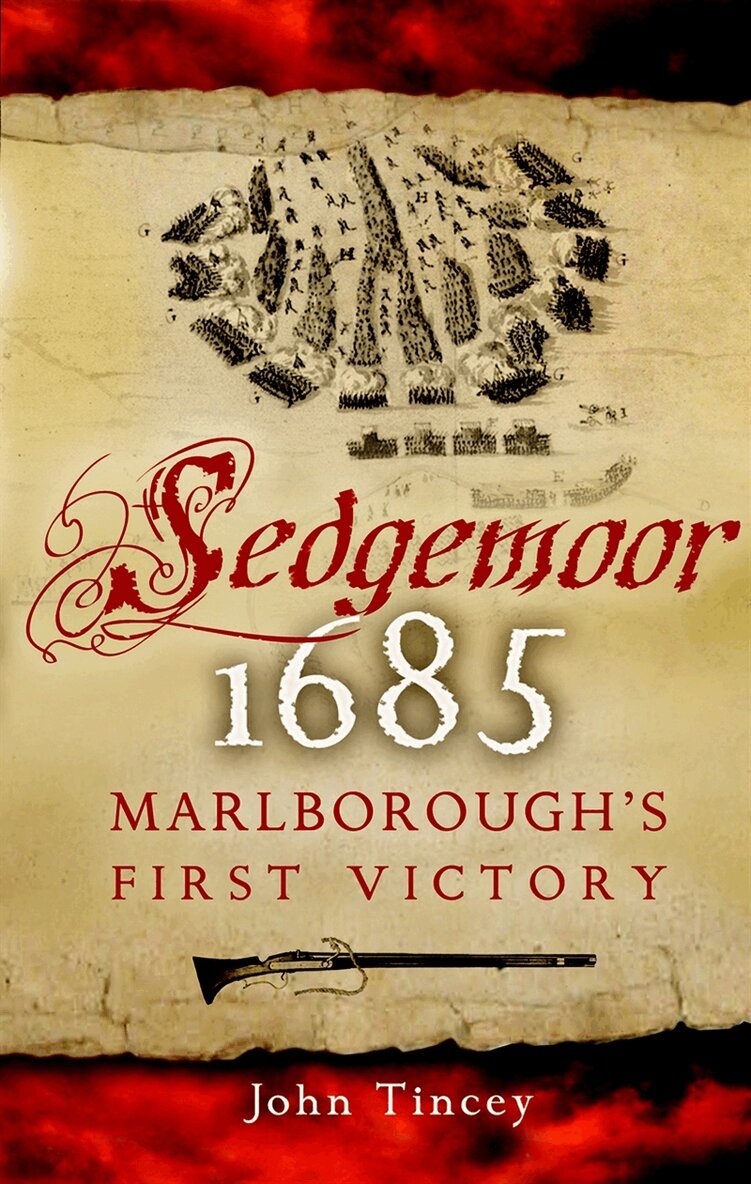
Sedgemoor 1685
Marlborough''s First Victory
Av John Tincey
E-bok, 2021
126 kr
Lägg i varukorg
A new account of Monmouth's rebellion of 1685 and the Battle of Sedgemoor. The author focuses on the confrontation between Monmouth and John Churchill, the future Duke of Marlborough, and provides a graphic reassessment of the campaign. He retraces the routes taken by the opposing armies across the …
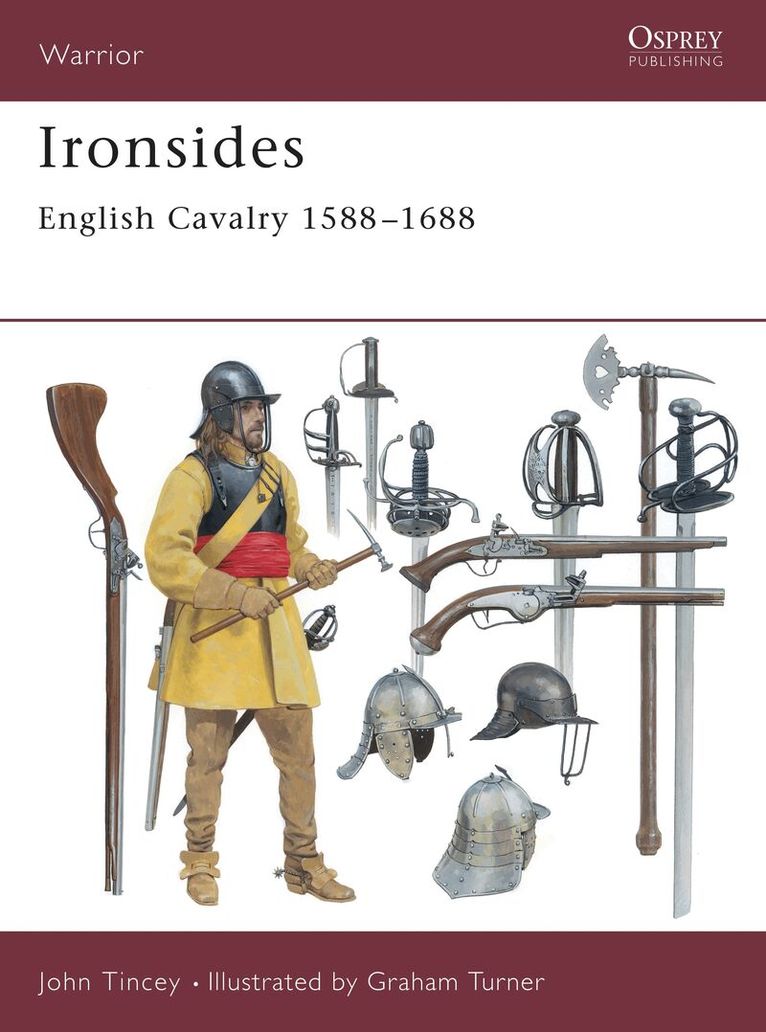
Ironsides
English Cavalry 1588–1688
Av John Tincey
Häftad, 2002
185 kr
Lägg i varukorg
The Ironside is symbolic of the one occasion when the army took an active role in British politics.He represents a unique period when ordinary people displaced the established order to take political control into their own hands. In the nineteenth century a rash of historical publications, …
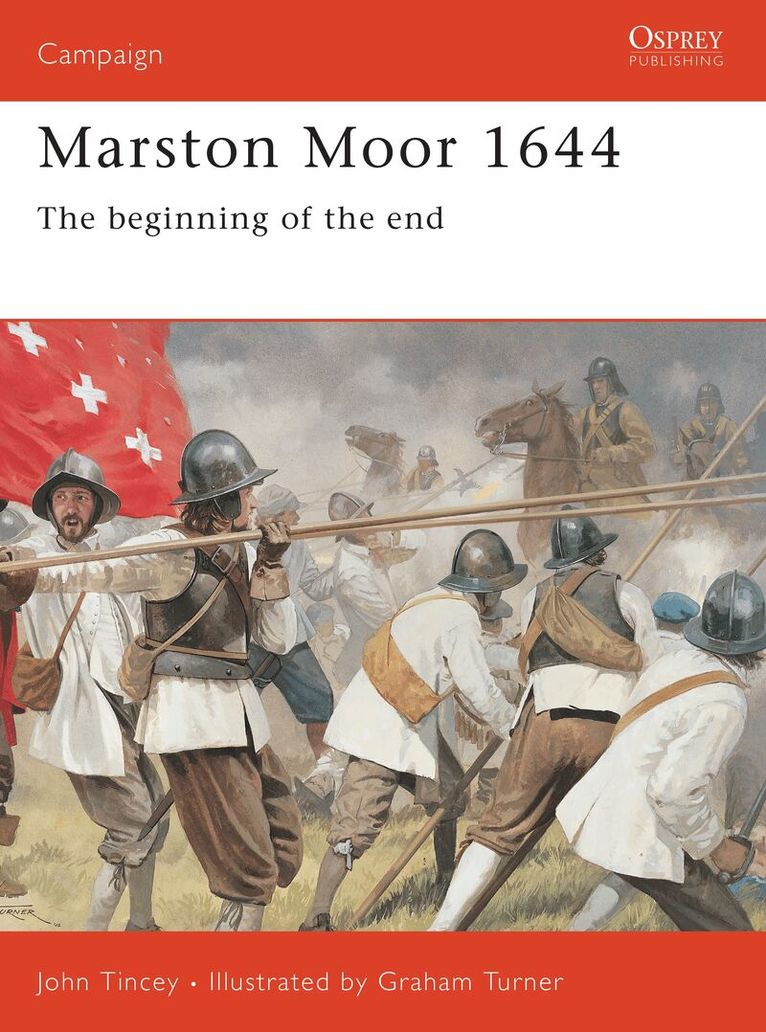
Marston Moor 1644
The beginning of the end
Av John Tincey
Häftad, 2003
209 kr
Lägg i varukorg
Featuring special illustrations throughout, this detailed but slim volume covers the entry of the Scots into the English Civil War on 19 January 1644 on the side of Parliament, radically changing the balance of power in the North of England.The Royalists in the North were forced onto the defensive …
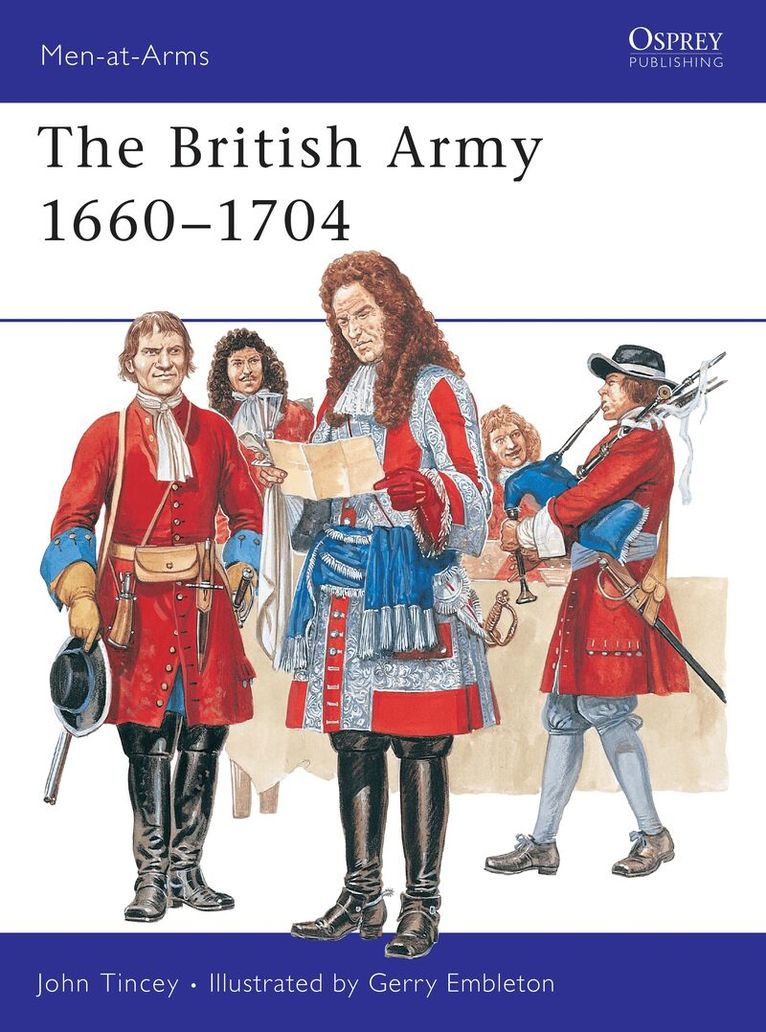
British Army 1660–1704
Av John Tincey
Häftad, 1994
161 kr
Lägg i varukorg
The period between the Restoration of Charles II in 1660 and Marlborough's decisive victory at Blenheim in 1704 is often seen as something of a 'backwater' in military history.However, this 40-year pause saw the birth of the British Army in its modern form, and the establishment of many regiments …